How Fast Should You Run on a Treadmill
Wondering how fast should you run on a treadmill? You're not alone. The speed number gets far more attention than it deserves.
Your ideal pace depends on your fitness level, your goal, and how the effort feels. We'll break it down so you can stop guessing and start moving.
In our research, the US Department of Health and Human Services physical activity guidelines keep coming up as the gold standard. They recommend 150 minutes of moderate cardio per week. Moderate effort usually lands between a brisk walk and a steady jog.
Let's find your version of that on the treadmill.
Image source: Bing (Web (fair-use with source credit))
Quick Answer
Start at 4.5 mph. Aim for a conversational pace. That's usually 4.5 to 6 mph for jogging.
Faster isn't better. The right pace feels comfortable.
Your "Fast" Isn't the Same as My "Fast": Start Here
Let's clear up the biggest confusion first. "Fast" is relative. A 7 mph pace can be a gentle run for a daily trainer.
For a new runner, it may feel like a sprint. Comparing your number to your friend's number is pointless.
Instead, use the Borg Scale. That's the Rate of Perceived Exertion (RPE), a 1-to-10 score of how hard the work feels. A 3 feels like a slow stroll.
A 9 feels like a sprint finish. Your speed should change based on the RPE your workout demands.
For easy running, aim for an RPE between 3 and 4. That's conversational effort. Your breathing works, but you're not gasping.
During interval sets, push to an 8 or 9. The exact speed on the display matters less than your effort.
As of 2026, most home treadmills top out between 10 and 12 mph. You'll rarely need that. Most people's daily training pace settles between 4.5 and 7 mph.
If you're a beginner, start closer to 4.5 and build from there.
Also factor in incline. Running on a flat treadmill feels easier than running outside. A 1 percent incline helps mimic outdoor conditions, per manufacturer testing.
Use that as a baseline.
One more note: if your knees or shins bother you, swap some runs for a low-impact cardio alternative. An elliptical can give you a solid aerobic workout without the pounding.
The Three Questions That Decide Your Starting Treadmill Speed
Before you press any button, answer these three questions. Your answers set the speed range that works for you.
Question 1: What is your goal? If you want fat loss, steady-state cardio at a moderate pace works well. If you want speed, interval training beats long slow runs.
If you want endurance, keep the speed conversational and extend the duration.
Question 2: How long have you been running? New runners should start with a brisk walk or walk-jog combo. That's usually 3.5 to 4.5 mph.
Experienced runners can start at a 5.5 to 6.5 mph range. If you're returning from a break, start lower.
Question 3: How does your body feel today? If you're tired or sore, dial the speed back. If you're fresh, hold your normal pace.
The treadmill doesn't assign a quota. You do.
These three questions align with the physical activity guidelines from the CDC. They recommend 150 minutes of moderate aerobic activity per week. Moderate usually means a brisk walk or light jog.
Asking these questions before each workout reduces the chance of overtraining.
Treadmill Speed Decision Guide: Find Your Pace in Four Checks
Here's a simple way to find your correct speed without a heart monitor. Run through these four checks in order. Stop at the first one that says slow down.
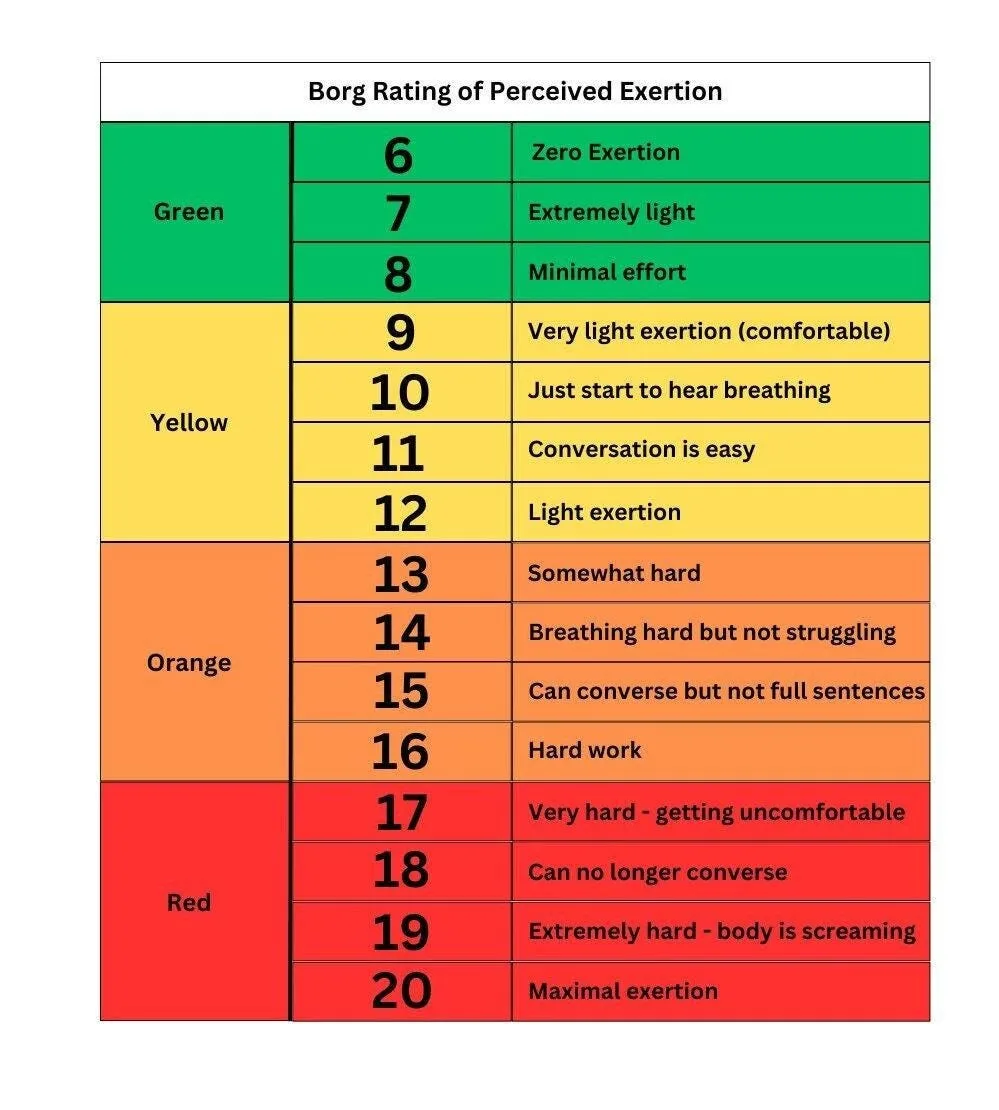
Image source: Bing (Web (fair-use with source credit))
1. Warm-Up Check: Start at 3.5 mph for 3 minutes. If you feel winded, walk at 3 mph for another 2 minutes before jogging.
2. Talk Test: Can you say a full sentence without gasping? If yes, you're in a good zone.
If you can only say one or two words, slow down.
3. Breathing Pattern: For easy runs, you should breathe through your nose almost comfortably. If you're mouth-gasping, drop the speed by 0.5 mph.
4. Heart Rate Check: For an easy run, your heart rate should land at 60 to 70 percent of your max. Estimate your max as 220 minus your age.
If you're above that, ease off.
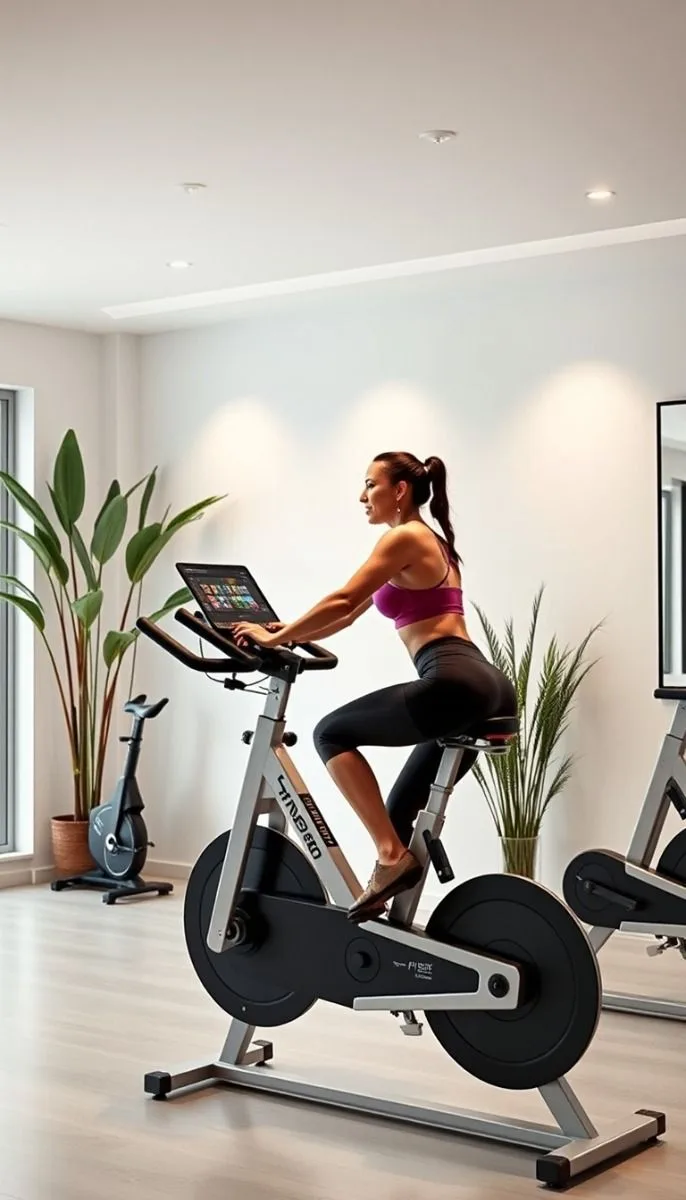
If your gym has an elliptical or exercise bike, cross-training can boost your cardio base without adding impact. Use the table as a quick reference.
| Check | How to Use It | Adjust If… |
|---|---|---|
| Warm-Up | 3-4 mph for 3 min | Breathless? Drop to 3 mph |
| Talk Test | Full sentences | Can't talk? Slow down |
| Breathing | Nose breathing | Gasping? Reduce speed |
| Heart Rate | 60-70% max | Higher? Back off |
How to Set and Adjust Your Speed for Different Workout Types
Your speed changes with your workout type. Here's a practical speed guideline based on your fitness level. Remember to keep that 1 percent incline baseline.
| Workout Type | Beginner | Intermediate | Advanced |
|---|---|---|---|
| Warm-up / Walking | 3.5 – 4 mph | 4 – 4.5 mph | 4.5 – 5 mph |
| Easy Run / Recovery | 4.5 – 5 mph | 5 – 6 mph | 6 – 6.5 mph |
| Base Endurance | 5 – 5.5 mph | 6 – 6.5 mph | 6.5 – 7.5 mph |
| Tempo Run | 5.5 – 6 mph | 6.5 – 7.5 mph | 8 – 9 mph |
| Intervals / Speed Work | 6 – 7 mph (30-60s) | 7.5 – 9 mph (30-60s) | 9.5 – 11 mph (30-60s) |
For intervals, set a steep speed and hold it for 30 to 60 seconds. Then walk or jog slowly for recovery. Keep your effort in the 8 or 9 RPE range.
Don't be afraid to adjust in small steps. Change the speed by 0.3 to 0.5 mph each time you want more challenge. That little bump is enough to improve fitness without wrecking your form.
For a joint-friendly alternative, an exercise bike can be easier on the knees. Use it for easy days or active recovery.
Common Treadmill Speed Mistakes (and What to Do Instead)
Even experienced runners make these mistakes. Here's what to fix.
Holding the handrails. This shifts your weight forward and defeats the workout. Instead, keep your hands free and swing your arms naturally.
Image source: Bing (Web (fair-use with source credit))
Starting too fast. It feels good for 2 minutes, then your lungs scream. Instead, start at a conservative speed and increase after the first 5 minutes.
Staring at the speed display. You end up chasing numbers instead of paying attention to your body. Instead, check your RPE and breathing first.
Never changing the pace. Doing the same speed every session leads to a plateau. Instead, alternate between easy runs and interval sessions.
Ignoring the incline. Flat treadmill running doesn't match outdoor conditions. Instead, set a 1 percent incline as a baseline.
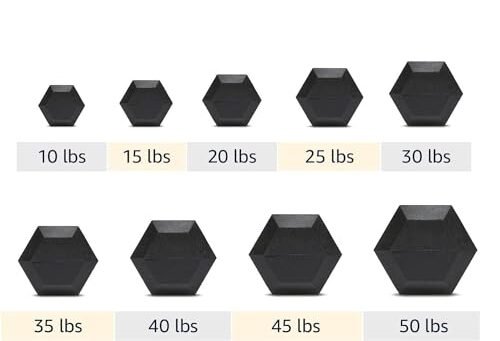
If you're coming back from an injury, be extra cautious. It's often smarter to cross-train with a low-impact machine until your body is ready. Add strength training with dumbbells a couple of times a week.
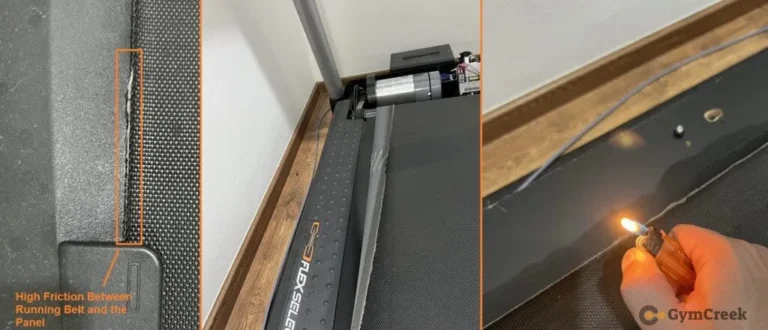
It improves running economy and protects your joints. Whatever machine you use, keep it in shape with regular upkeep.
The "Which Speed for My Goal?" Cheat Sheet
Here's the simple part. Pick a goal, then pick a pace that matches it. There's no single perfect speed.
There is only the right pace for the workout you planned.
| Goal | Best Approach | Beginner Pace | Experienced Pace |
|---|---|---|---|
| Weight loss | Steady state, conversational effort | 4.5 – 5 mph | 6 – 6.5 mph |
| 5K speed | Short intervals, high RPE | 6 – 7 mph for 30-60s | 8 – 10 mph for 30-60s |
| Endurance | Long, easy distance | 5 – 5.5 mph | 6.5 – 7.5 mph |
| Zone 2 fat burn | Nose-breathing easy pace | 4 – 5 mph | 5.5 – 6.5 mph |
Think of it as if/then logic. If you want weight loss, keep the effort moderate. If you want speed, go hard for short bursts.
If you want endurance, stay conversational and extend the time.
These ranges follow the CDC physical activity guidelines. The takeaway is simple. Match your pace to your purpose, not to the person on the treadmill next to you.
If you're recovering from an injury, cross-training on an elliptical is a smart alternative. It keeps your cardio going without the impact. On easy days, an exercise bike works well too.
Add strength training twice a week to build a stronger base.
Remember the 1 percent incline guideline from the decision guide. It applies here too. And don't skip regular upkeep on your home cardio gear.
A well-maintained machine gives you more consistent workouts.
Frequently Asked Questions
What treadmill speed should a beginner use?
Start at 4.5 mph or a brisk walk. Keep the effort light. If you can't say a full sentence, slow down.
Build to 5 mph as your fitness improves. Consistency matters more than speed in the first few weeks.
Should I run faster or longer?
It depends on your goal. For endurance, run longer at a conversational pace. For speed, run faster intervals.
Both work. Just don't do them in the same session. Alternate them across the week.
How do I know if I'm running too fast?
Use the Talk Test. If you're gasping after four words, back off. Your breathing should be rhythmic, not desperate.
Slow down by 0.3 mph. That's enough to recover and finish strong.
Does incline affect speed?
Yes. A 1 percent incline mimics outdoor running. At higher inclines, slow down.
Your effort matters more than the speed number. Watch your heart rate and adjust as you go.
How do I set treadmill speed for weight loss?
Stay moderate. Keep your pace between 5 and 6 mph if you can. Monitor your heart rate.
Aim for 60 to 70 percent of your max. That's the fat-burning zone. Pair it with strength training to keep muscle while you lose fat.