How to Tighten a Treadmill Belt
If your treadmill belt slips or stalls underfoot, you've got a tension problem. That's normal wear, not a broken machine. The walking belt stretches over time, and the deck underneath doesn't.
The fix is straightforward: tighten the rear roller bolts to add tension. Most treadmill belt problems trace back to either poor tension or poor tracking. As of 2026, most home treadmills use a two-bolt system at the rear of the frame, so the whole job takes about ten minutes.
Manufacturer specifications indicate that a properly tensioned belt should lift 2 to 3 inches off the deck at its center. You shouldn't be able to slide a flat hand under it without effort. The right adjustment is a balance.
Too loose, and the belt slips. Too tight, and you strain the drive motor. So let's start by reading what your belt is actually telling you.
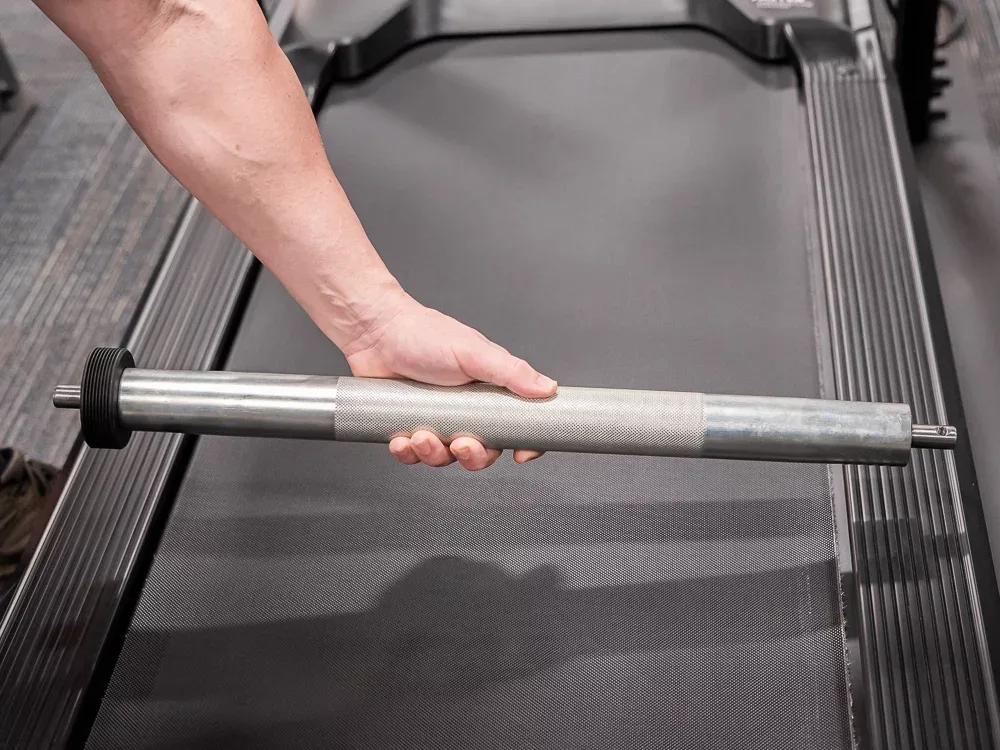
Image source: Bing (Web (fair-use with source credit))
First, Let's Figure Out What Your Belt Is Actually Doing
Before you touch any bolts, run the treadmill at a slow speed, around 2 mph, and watch what happens. This quick test tells you which problem you're dealing with. Give the belt a gentle push with your foot while it runs.
If the belt slips against the roller, that's a tension problem. If it runs fine but drifts left or right until it rubs the frame, that's a tracking problem. These two issues need different fixes, and mixing them up makes things worse.
Here's a quick breakdown of what you might see:
| Symptom | What It Means | Which Adjustment |
|---|---|---|
| Belt slips when you push your foot down | Tension too low | Tighten rear bolts |
| Belt walks off to one side while running | Tracking misaligned | Adjust one bolt only |
| Belt feels stiff or the motor struggles | Tension too high | Loosen rear bolts |
| Belt ripples or has uneven wear | Worn belt or bad deck | Replacement may be needed |
If your belt is just slipping, go straight to the next section. If tracking is the issue, skip down to the alignment section below. But if you see ripples or worn edges, you might be past simple adjustments.
A belt that's worn thin won't hold tension no matter how much you tighten it.
If you've ever had to adjust other home gym equipment, you'll notice the pattern. Small changes, then retest. It's the same approach you'd use when adjusting an elliptical's stride.
You can see how those machines differ from treadmills.
Quick Answer
Turn off and unplug the treadmill. Locate the two rear roller bolts using a hex wrench. Turn both bolts clockwise a half-turn each.
Check belt lift at the center. Repeat until the belt lifts 2 to 3 inches. Test, then adjust tracking separately if needed.
The Quick Fix: How to Tighten a Slipping Treadmill Belt Step by Step
This process works on almost every home treadmill from brands like NordicTrack, Sole, ProForm, and Horizon. The parts are the same. You'll need a hex wrench, usually 6mm or 8mm, and maybe a socket wrench if the bolts are covered by plastic caps.
Step 1: Unplug the machine. This is not a suggestion. You're working around the belt and motor, and the last thing you need is a treadmill starting while your hand is near the rollers.
Step 2: Find the rear roller bolts. They're at the back of the frame, one on each side. On many models, they stick out visibly. On others, they're hidden behind small end caps that pop off with a flathead screwdriver.
Step 3: Tighten both bolts equally. Turn each one clockwise a half-turn. Do not crank one side and leave the other. Uneven tension causes tracking issues, which we'll handle next.
Step 4: Check belt lift. Place your hand at the center of the belt and try to lift it. You want 2 to 3 inches of give. If it still feels loose, tighten each bolt another half-turn and test again.
Step 5: Run the treadmill. Set the speed to 2 mph and push down gently with your foot. If the belt doesn't slip, you're done. If it still slips, repeat the half-turn cycle.
| Pass | Bolt Turn | Typical Result |
|---|---|---|
| First | Half-turn both bolts | Resolves minor stretch |
| Second | Another half-turn each | Handles moderate slip |
| Third | Full half-turn each | If still slipping, stop here |
Stop at three half-turns per side. If the belt still slips, the problem isn't tension. You might have a worn belt or a glazed deck, and no amount of tightening will fix that.
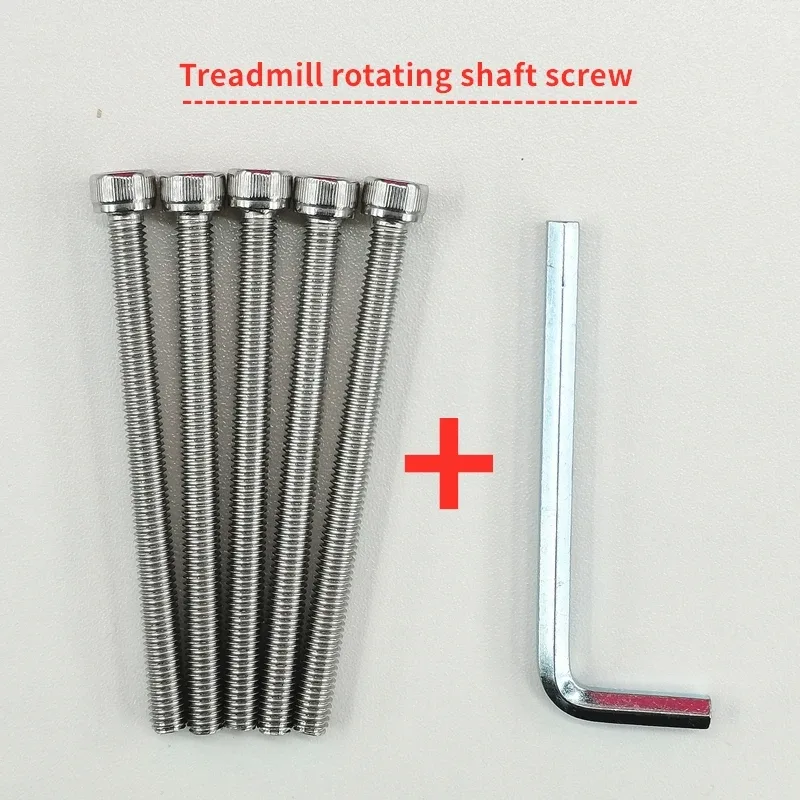
Image source: Bing (Web (fair-use with source credit))
Like any regular part of home fitness maintenance, keeping the belt tension correct is a small task that saves you from bigger repairs later.
Belt Still Slips? Work Through the Next Decision Branch
If you've tightened three times and the belt still slips, you're entering a different decision path. Ask yourself a few questions before you keep turning bolts.
Is the belt new? New belts stretch quickly in the first few hours of use. If you've just installed it, you may need to re-tighten after your first two or three workouts. That's normal, not a defect.
Is the deck lubricated? A treadmill deck relies on a slippery surface, usually silicone-based lube. Over time, that lube dries out. The belt grips the deck, drags, and feels like it's slipping.
In our research, many "slipping belt" cases are actually dry deck issues. Lift the belt and check the deck surface. If it feels rough or sticky, apply treadmill lubricant and re-test before you tighten further.
Is the belt worn? Look at the underside for fraying, glazing, or thinning. A belt that has lost its texture won't grip the roller, no matter how tight you make it. Most treadmill belts last 500 to 1,000 miles, or roughly 3 to 5 years for average home use.
If yours is worn, replacement is the only real fix.
Here's a quick decision branch for what to do next:
- Belt slips after one or two half-turns → Keep tightening, you're close.
- Belt slips after three or more half-turns, belt is new → Re-tighten after break-in.
- Belt slips, deck feels dry → Lubricate the deck first, then re-test.
- Belt slips, belt looks worn or glazed → Replace the belt, don't tighten.
- Belt slips, motor labors or smells hot → Loosen immediately.
That last one is critical. An over-tightened belt makes the motor work harder. The motor pulls more current and generates heat.
If you smell burning rubber or electronics, loosen both bolts right away. You're risking an expensive motor replacement over a cheap belt fix.
The Alignment Side-Quest: When the Belt Drifts Off-Center
Tightening and tracking are two different adjustments, though people often confuse them. Tracking controls where the belt sits on the rollers. It uses the same rear bolts, but the method is different.
Instead of turning both bolts equally, you turn one bolt at a time. This shifts the roller angle and nudges the belt back to center.
To adjust tracking, run the treadmill at 2 to 3 mph and watch which side the belt drifts toward. If it moves left, tighten the left bolt a quarter-turn. If it moves right, tighten the right bolt a quarter-turn.
The idea is simple. Turning a bolt slightly increases tension on that side of the roller, which pulls the belt back toward the middle.
Here's a common mistake. People turn both bolts when the belt runs off-center, which does nothing for tracking. Then they turn the wrong bolt entirely, which makes the drift worse.
Always watch the belt's direction first, then adjust the matching side.
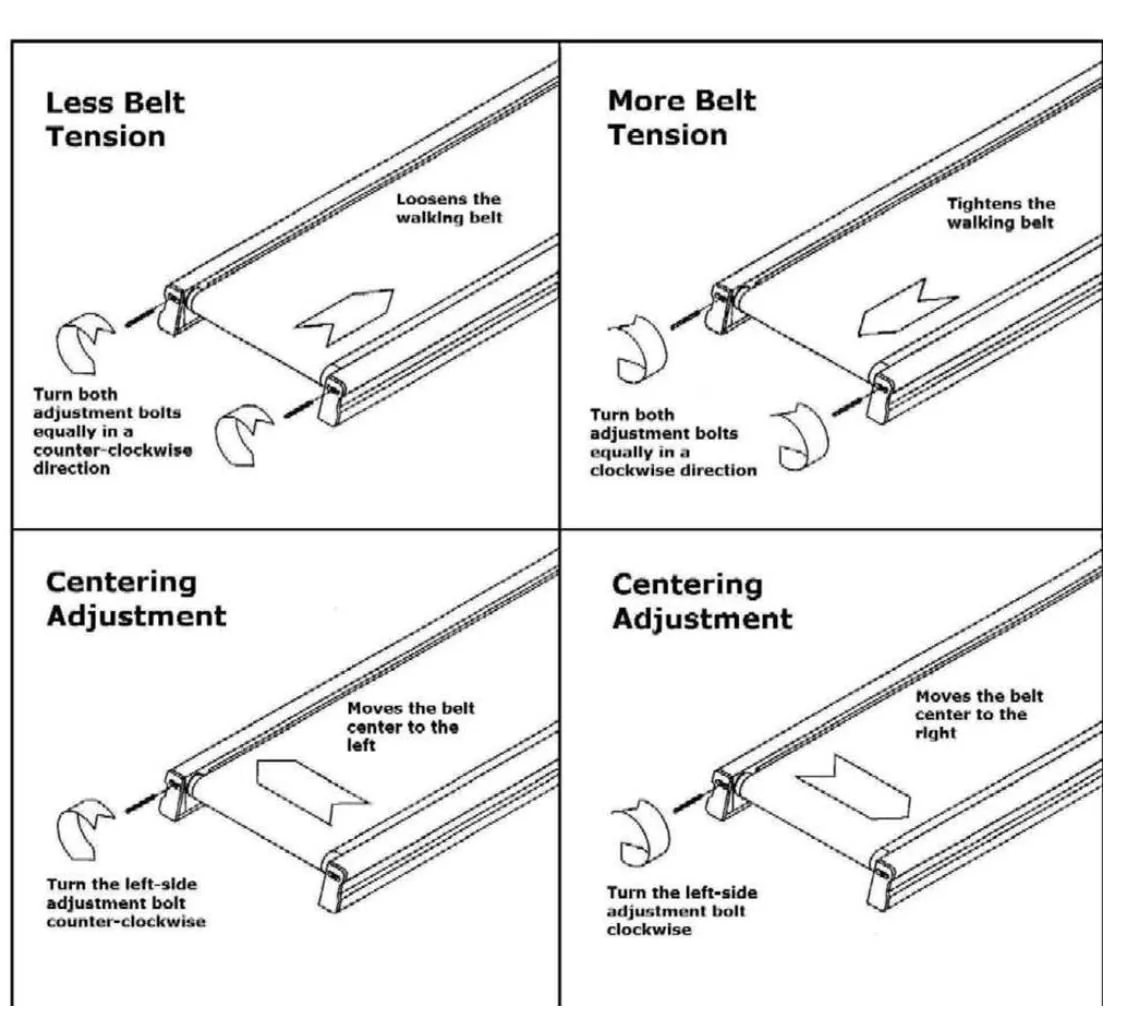
Image source: Bing (Web (fair-use with source credit))
Let the belt run for a minute after each adjustment. Tracking changes take time to show. If you make a quarter-turn and see no immediate change, wait.
Don't over-adjust. A tiny turn can shift the belt several inches over a few minutes.
If the belt keeps drifting after several adjustments, check the roller alignment. A jammed or worn roller can cause persistent drift. Also, make sure the front and rear rollers are parallel.
A misaligned frame is rare but possible. In that case, you may need a professional to realign the frame or replace a roller bearing. That's beyond a typical DIY fix.
If you're used to making small adjustments on an exercise bike, you know the drill. Only change one thing at a time and retest.
Mistakes That Wreck Treadmill Belts (and How to Avoid Them)
The number one mistake is over-tightening. Belt tension is not a "tighter is better" situation. If you can't lift the belt at all, you've gone too far.
You'll feel it in the motor, and you might hear a grinding noise or smell heat. A belt that's too tight also wears out the roller bearings and the belt itself faster.
Another common error is ignoring deck lubrication. A belt that slips after every workout isn't always a tension problem. Over time, the silicone lubricant wears away.
The belt drags, the motor strains, and you think you need more tension. If you've already tightened twice and the problem persists, give the deck fresh lube before you consider replacement. It's a cheap fix and solves many slip complaints.
Here's one more. Adjusting with the treadmill plugged in. Always unplug the machine.
It doesn't matter if the motor is off. The U.S. Consumer Product Safety Commission has linked many treadmill injuries to accidental startups, so this is the easiest way to avoid that.
We also see people skipping the manual and guessing the bolt size. Use the right Allen wrench, usually 6mm or 8mm, and don't force a metric wrench on an Imperial bolt or vice versa. Stripped bolts are a nightmare to remove.
They turn a ten-minute fix into a part order and a trip to the hardware store.
| Mistake | Why It Happens | How to Avoid |
|---|---|---|
| Over-tightening | Thinking more tension equals more grip | Use the 2 to 3 inch lift test |
| Wrong-side tracking bolt | Not watching belt direction | Watch drift first, adjust same side |
| Skipping lube | Belt slips, so user tightens instead | Lubricate and re-test |
| Using wrong wrench | Not checking bolt type | Check manual or test fit first |
| Leaving treadmill plugged in | Rushing | Unplug before any adjustment |
The final mistake? Not testing after adjustment. Always run the treadmill after you've made changes.
Watch the belt at low speed, then at your running speed. If it slips or shifts during the test, you're not done.
The same maintenance mindset applies to other home cardio gear. If you use an elliptical, staying on top of routine upkeep keeps it running smoothly. And when you hear odd sounds from your elliptical, they rarely fix themselves.
When Tightening Isn't the Answer: Belt Wear, Deck Friction, and Real Fixes
At some point, every treadmill belt hits its limit. If you've made several half-turns and the belt still slips, stop. The tension isn't the problem.
You're dealing with either a worn belt or a deck that's lost its slickness.
Check the belt's underside first. Lift it at the center and feel the surface. A healthy belt has a smooth but slightly textured base.
A worn belt feels glazed, shiny, or frayed at the edges. If you see those signs, tightening won't help. Replacement is the only fix.
Most belts last 500 to 1,000 miles, or about 3 to 5 years of regular home use.
Deck friction is the other hidden culprit. Treadmill decks rely on silicone lubricant to keep the sliding friction low. Over time, that lube dries out and collects dust.
The belt drags, the motor works harder, and you'll notice slipping or a burning smell. The fix is simple. Clean the deck and apply fresh treadmill lubricant.
You can find it at any fitness equipment store or online for under $15.
Here's how to tell which one you're dealing with:
- Belt slips but the underside feels smooth → Lubricate the deck first.
- Belt edge is frayed or the surface is shiny → Replace the belt.
- Belt slips only during heavy strides → Adjust tension, not replacement.
- Belt slips and the motor smells hot → Loosen the belt, check motor airflow.
Also, check the rollers. A roller with a worn surface or a seized bearing can cause slippage even with perfect tension. Spin the belt by hand while unplugged.
If the roller feels rough or catches, it needs service. Most reputable repair shops can replace a roller bearing for under $100. That's far cheaper than a new treadmill.
Each cardio machine has its own quirks. Ellipticals need rail and belt care, and rowing machines need chain or shock tension. Understanding your equipment is half the battle.
Frequently Asked Questions
How tight should a treadmill belt be?
A properly tensioned belt lifts 2 to 3 inches off the deck at the center. If you can lift it higher, it's too loose. If you can't lift it at all, it's too tight.
Use that test after every adjustment, not just feel.
Why does my treadmill belt keep slipping after I tighten it?
Either the belt is worn, the deck is dry, or you've reached the maximum tension for that belt. Check the belt's underside for glazing and the deck for lubrication before you tighten further. If both are fine, the belt likely needs replacement.
Which way do I turn the bolts to tighten a treadmill belt?
Turn both rear roller bolts clockwise to tighten. Always turn them equally, a half-turn at a time. Turning one side only will misalign the belt and cause tracking issues.
Do both sides of a treadmill belt need the same tension?
Yes. Uneven tension makes the belt drift to one side while running. That's why you turn both bolts equally for tension, then use single-bolt adjustments only for tracking corrections.
Can I use WD-40 to lubricate a treadmill deck?
No. WD-40 is a solvent, not a silicone lubricant. It can break down the belt material and leave a sticky residue.
Use a dedicated treadmill silicone lube designed for the belt and deck interface.
How often should I adjust the tension on my treadmill belt?
Check tension every month in normal home use. New belts stretch faster, so you may need to tighten after the first few workouts. After that, a half-turn or two every few months is typical for most users.