How to Clean an Elliptical Machine
Your elliptical machine works hard to give you a great cardio workout, but all that effort can leave it a little…grimy. Sweat, dust, and the general funk of a well-used piece of equipment can accumulate quickly. Learning how to clean an elliptical machine isn't just about making it look good; it's about keeping it running smoothly and hygienically for years to come.
In our research, it's clear that regular maintenance, including cleaning, can significantly extend the lifespan of your home gym equipment. For instance, manufacturer specifications often indicate that neglecting cleaning can lead to premature wear on components, similar to how a clogged air filter on a lawn mower impedes performance. Let's dive into making sure your elliptical stays in top shape.
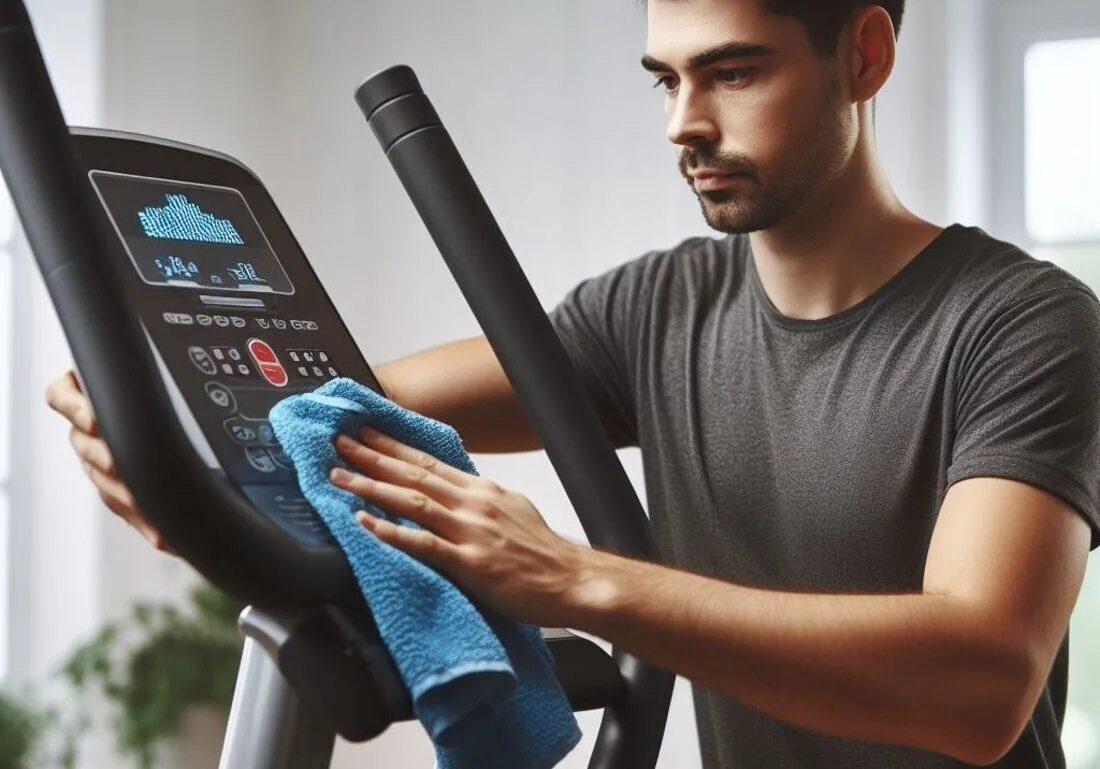
Image source: Bing (Web (fair-use with source credit))
Quick Answer
To clean an elliptical machine, unplug it and wipe down all surfaces with a soft, damp cloth and a mild, diluted cleaning solution. Focus on the pedals, handlebars, and console. Dry thoroughly with a separate cloth.
Avoid harsh chemicals or excessive moisture.
Daily Wipes for a Better Workout
Keeping your elliptical machine clean doesn't have to be a big production. A quick, daily wipe-down is one of the most effective ways to prevent grime buildup and ensure a hygienic workout space. This simple habit will save you a lot of scrubbing later on.
When you finish your workout, grab a soft, microfiber cloth. Give the main touchpoints a quick once-over. This includes the moving handlebars, the stationary handles, and the pedals.
You're just aiming to remove immediate sweat residue before it has a chance to dry and harden.
This habit takes less than a minute and makes a huge difference over time. It also helps maintain the professional appearance of your home gym, which can be a motivator in itself. Plus, it helps prevent those sticky situations that can make your next workout less pleasant.
Deep Dive: Tackling Sweat and Dust Weekly
While daily wipes keep the surface level clean, a more thorough cleaning session once a week (or after particularly intense workouts) is essential. This is where you tackle tougher grime, dust that settles into crevices, and ensures every part of the machine is well-maintained. This weekly routine prevents deeper issues from forming.
This deeper clean involves more than just a quick swipe. You'll want to address all surfaces, including areas often overlooked. Think about the frame, the base, and any other parts that might collect dust or residue.
As manufacturer specifications for equipment maintenance often suggest, a clean machine performs better and lasts longer.
Cleaning the Console and Electronics Safely
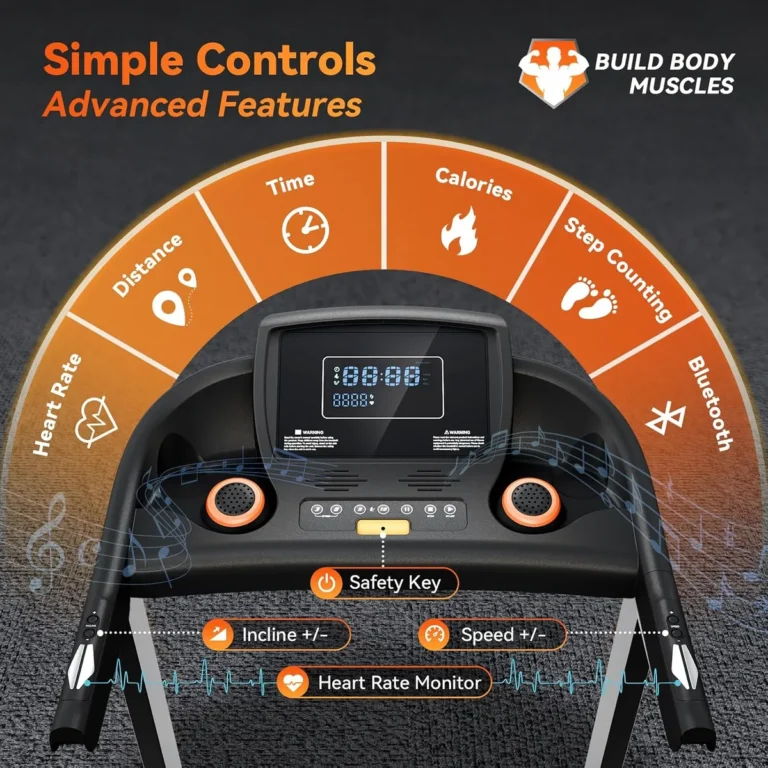
The console of your elliptical is the command center, displaying your workout data. It's also a high-touch area. Cleaning it requires a gentle approach to avoid damaging the sensitive electronics.
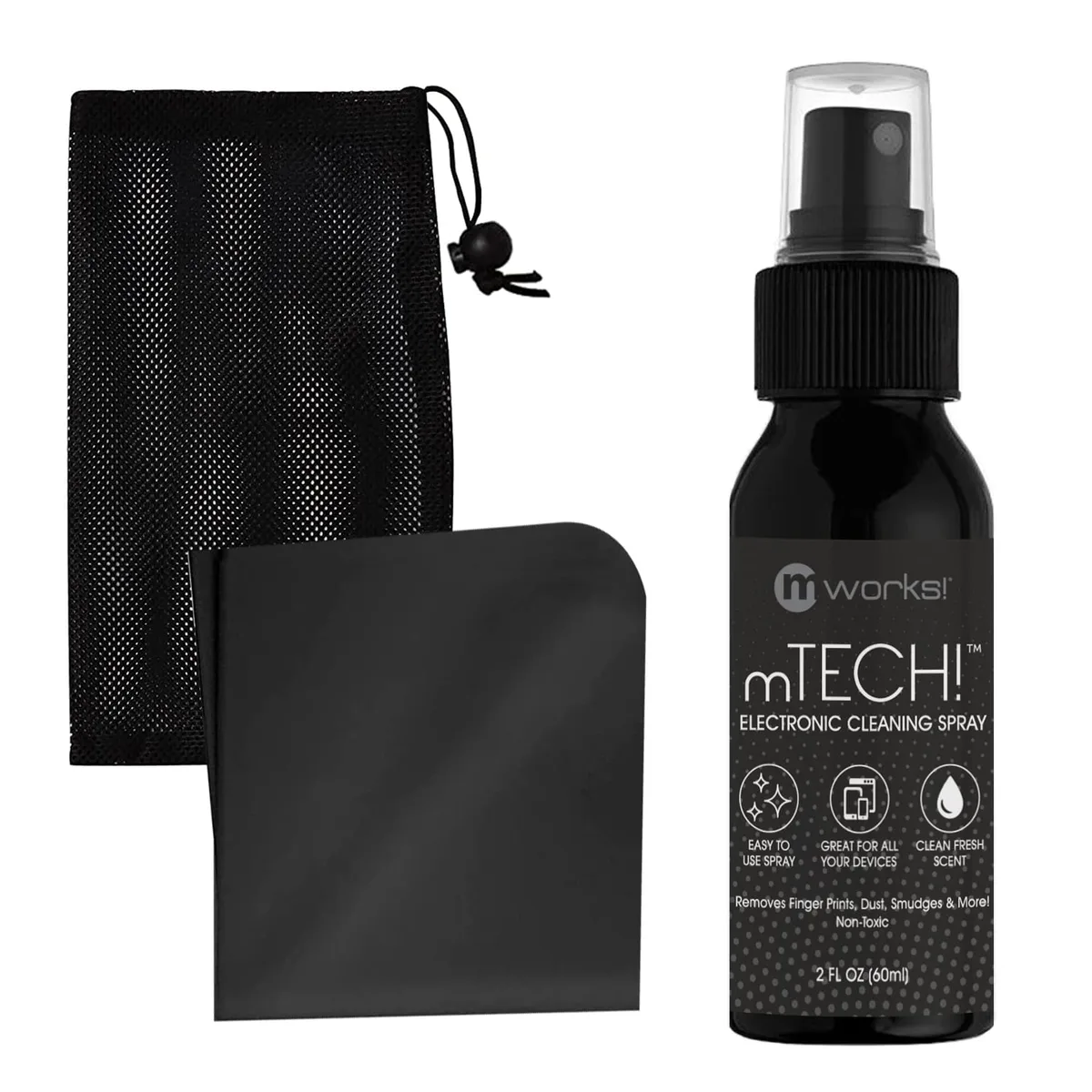
Image source: Bing (Web (fair-use with source credit))
Here's how to tackle it:
- Power Down First: Always unplug the elliptical before cleaning the console. This is a crucial safety step to prevent accidental shocks or damage to the electronics.
- Damp, Not Wet: Use a soft, lint-free cloth that is barely damp. Wring it out thoroughly so no liquid drips. Never spray cleaner directly onto the console.
- Mild Solution: A diluted solution of mild soap and water is usually sufficient. Some manufacturers recommend specific electronic cleaners, so check your user manual. Avoid ammonia-based cleaners, window cleaner, or anything abrasive, as these can damage the screen or buttons.
- Gentle Wiping: Wipe the screen, buttons, and surrounding plastic gently. For stubborn spots, use a slightly firmer, but still gentle, motion.
- Dry Thoroughly: Immediately follow up with a dry, soft cloth to ensure all moisture is gone.
Getting Into Those Hard-to-Reach Frame Spots
Ellipticals have nooks and crannies where dust, sweat, and even small debris can hide. These areas, often along the frame and under the footplates, can become breeding grounds for bacteria or just look unsightly if neglected. Tackling them requires a bit more effort and the right tools.
Consider using a soft brush or a crevice tool attachment on your vacuum cleaner. These can help dislodge dust and dirt from tight spaces. You might also find cotton swabs or old toothbrushes useful for detailed work around joints and bolts.
If you're dealing with sticky residue, a slightly damp cloth with your mild cleaning solution can work. Again, ensure you wring out the cloth very well. For areas prone to rust, like bolts, a quick wipe and thorough drying are key.
If you notice any signs of rust, address it promptly following manufacturer guidelines.
Essential Cleaning Tools and What to Use (and Avoid!)
Having the right supplies on hand makes cleaning your elliptical machine much easier and more effective. Using the wrong products can actually damage your equipment or leave behind residue. It's about being smart with your choices.
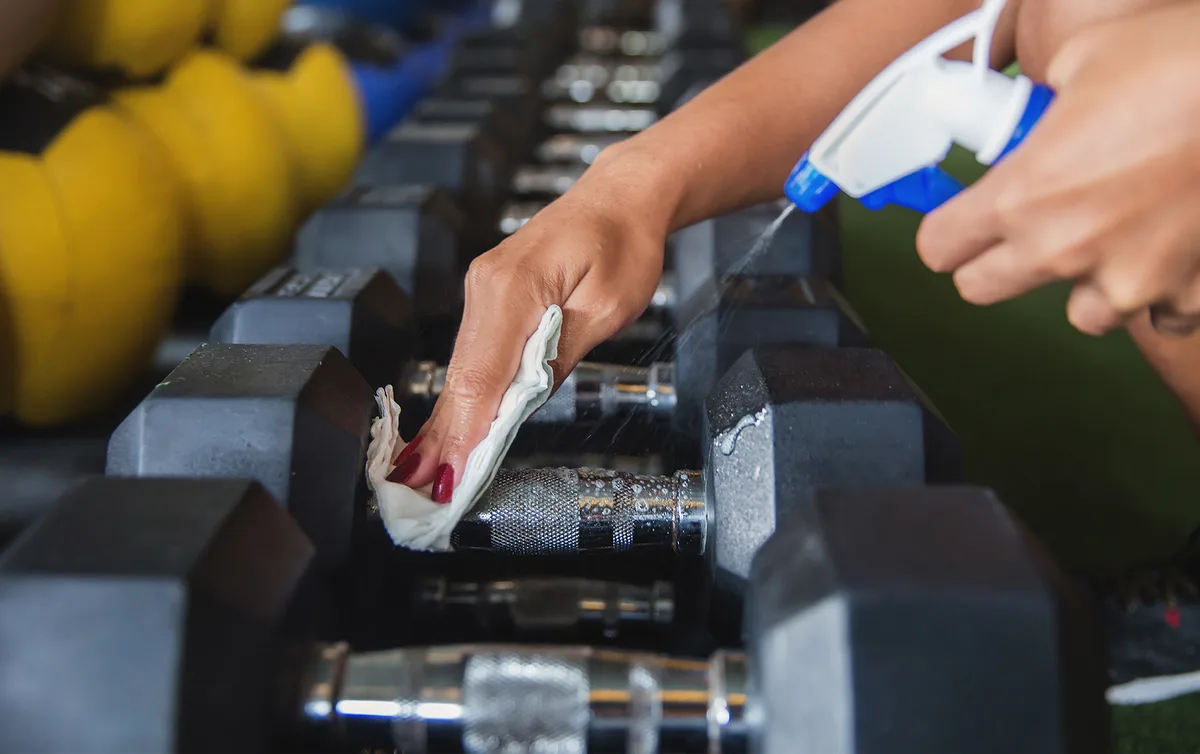
Image source: Bing (Web (fair-use with source credit))
Here’s a rundown of what you’ll need and what to steer clear of:
What to Use:
- Microfiber Cloths: These are your best friends. They're soft, absorbent, and excellent at picking up dust and grime without scratching surfaces. Have a few on hand for wiping and drying.
- Mild Soap: A small amount of dish soap or a pH-neutral cleaner mixed with water is usually perfect. Check your elliptical's manual for specific recommendations.
- Spray Bottle: For mixing your cleaning solution. This allows you to control the amount of liquid and apply it to your cloth, not directly to the machine.
- Soft Brushes/Cotton Swabs: For getting into tight spaces and details. An old toothbrush can also work wonders.
- Vacuum Cleaner (with attachments): Useful for removing loose dust and debris from the frame and base.
What to Avoid:
- Harsh Chemicals: Bleach, ammonia, and strong degreasers can degrade plastics, damage painted surfaces, and corrode metal parts over time. They can also irritate your skin and lungs.
- Abrasive Cleaners: Scouring pads, steel wool, or powders will scratch and mar the finish of your machine.
- Excessive Water: Never drench your elliptical. Too much moisture can seep into electronics, cause rust, or damage internal components. Always use a damp, well-wrung-out cloth.
- Solvents: Things like nail polish remover or strong industrial solvents can melt or dissolve plastic components.
Manufacturer's Recommendations: What They Say Matters
Every elliptical machine comes with a user manual, and tucked inside are specific instructions for cleaning and maintenance. These aren't just suggestions; they're often based on the materials used in your particular model and designed to keep it performing optimally. Ignoring them is like ignoring a doctor's advice on medication.
Manufacturer specifications are key because they're tailored to the exact components of your machine. For example, some resistance mechanisms might require specific lubricants or cleaning agents, while others might be damaged by them. You'll usually find guidance on recommended cleaning solutions, frequency, and any parts you should avoid cleaning yourself or use special care with.
For instance, NIST (National Institute of Standards and Technology) often sets standards for material durability and testing, which manufacturers adhere to. Understanding these recommendations ensures you’re not voiding your warranty or causing unintended damage. If you can't find your manual, a quick search on the manufacturer's website for your specific model number is usually your best bet.
Preventing Common Elliptical Cleaning Mistakes
Even with the best intentions, it's easy to make cleaning mistakes that can actually harm your elliptical machine or its performance. Being aware of these common pitfalls can save you time, money, and frustration down the line. Think of it as preventative maintenance for your maintenance routine.
One of the most frequent errors is using too much liquid. It’s tempting to really saturate a cloth, but this can lead to water seeping into areas it shouldn't. This is especially true around the console or any openings in the casing, where it can damage electronics or promote rust.
Another common mistake is using the wrong cleaning agents. As we've discussed, harsh chemicals or abrasive scrubbers can degrade materials, scratch surfaces, and shorten the lifespan of your equipment. Many users might reach for a powerful all-purpose cleaner, not realizing it’s too aggressive for the specialized plastics and finishes on fitness gear.
Always err on the side of caution with mild solutions.
Finally, many people forget to unplug the machine before cleaning. This is a critical safety step. While unlikely, there's always a small risk of accidental power surges or damage to the electrical components if the machine is live during cleaning.
Always disconnect the power source first.
Maintaining Your Elliptical for the Long Haul
Cleaning is a vital part of a broader maintenance strategy for your elliptical machine. Regular upkeep ensures it remains a reliable piece of equipment for your fitness journey. It's about more than just appearance; it's about function and longevity.
Beyond simple cleaning, consider periodically checking for loose bolts or squeaky parts. A little lubricant in the right places can prevent annoying noises and ensure smooth operation. For detailed lubrication guidance, always refer to your elliptical's user manual.
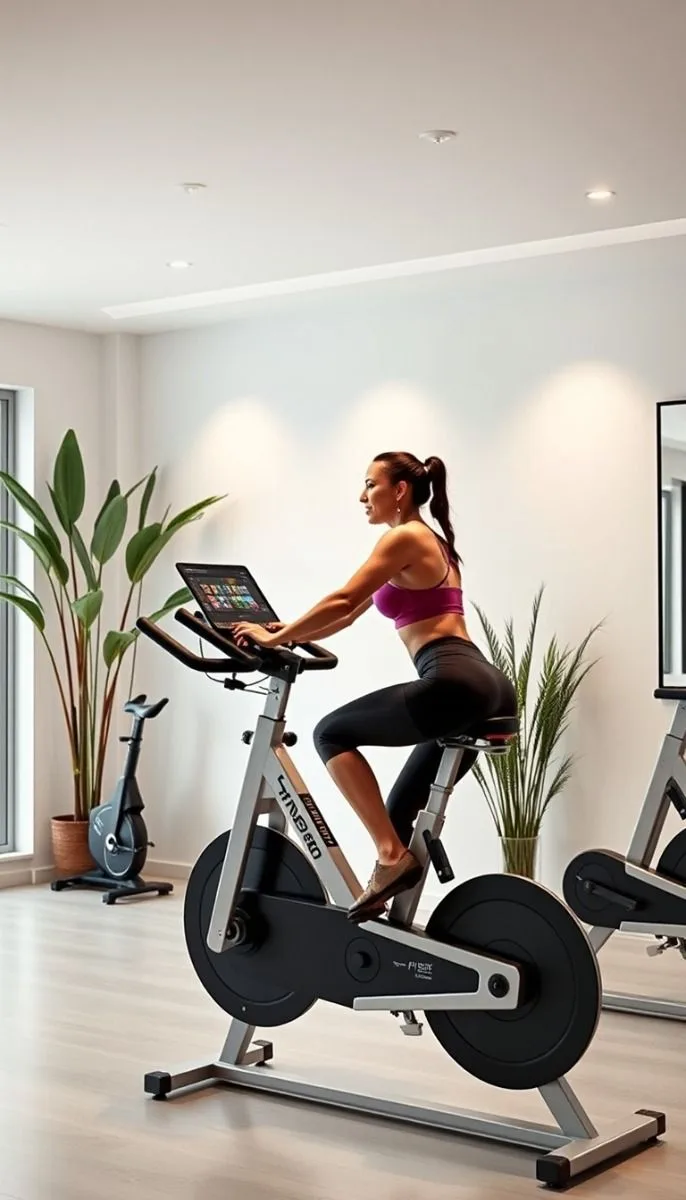
Proper cleaning and maintenance can prevent common issues like the ones described in articles discussing why an exercise bike might make noise. By being proactive, you keep your machine running quietly and efficiently, just as you would for other pieces of home gym equipment like different types of exercise bikes. A well-maintained elliptical provides a better workout experience.
Frequently Asked Questions About Elliptical Cleaning
How often should I clean my elliptical machine?
For optimal hygiene and machine longevity, aim for a quick wipe-down of high-touch areas like pedals and handlebars after every use. A more thorough cleaning session, including frame and console, should ideally happen weekly. Adjust frequency based on usage intensity and environment.
What kind of cleaner is best for an elliptical's console?
Use a soft, slightly damp microfiber cloth with a very mild, diluted soap solution or a cleaner specifically recommended by the elliptical manufacturer. Never spray liquid directly onto the console, and always dry thoroughly afterward to prevent moisture damage to electronics.
Can I use disinfectant wipes on my elliptical?
Yes, many disinfectant wipes are safe for use on the exterior surfaces of an elliptical, provided they are not overly saturated. However, always check your user manual first. Some stronger wipes could potentially degrade certain plastic components or finishes over time.
My elliptical is starting to squeak. Is cleaning the solution?
While cleaning can sometimes help if the squeak is due to grime buildup on moving parts, it's often a sign that lubrication is needed. Consult your elliptical's user manual for specific instructions on where and how to apply lubricant. Regular cleaning helps prevent these issues.

One Comment