How to Clean a Rice Cooker
A sour smell, a sticky pot, or a layer of white scale is how your rice cooker tells you it needs attention. Knowing how to clean a rice cooker properly matters because leftover starch, trapped moisture, and old rice cause odors, mold, and uneven cooking. Most people wipe the bowl and think they're done.
That's where the trouble starts.
Manufacturer specs and repair reports suggest cleaning the steam vent weekly and descaling every one to three months, depending on water hardness. Rice cookers are simple machines, but the small parts hide bacteria well. As of 2026, the standard advice from major appliance makers still comes down to one rule: clean every piece that touches steam or food.
That includes the hidden components you rarely think about.
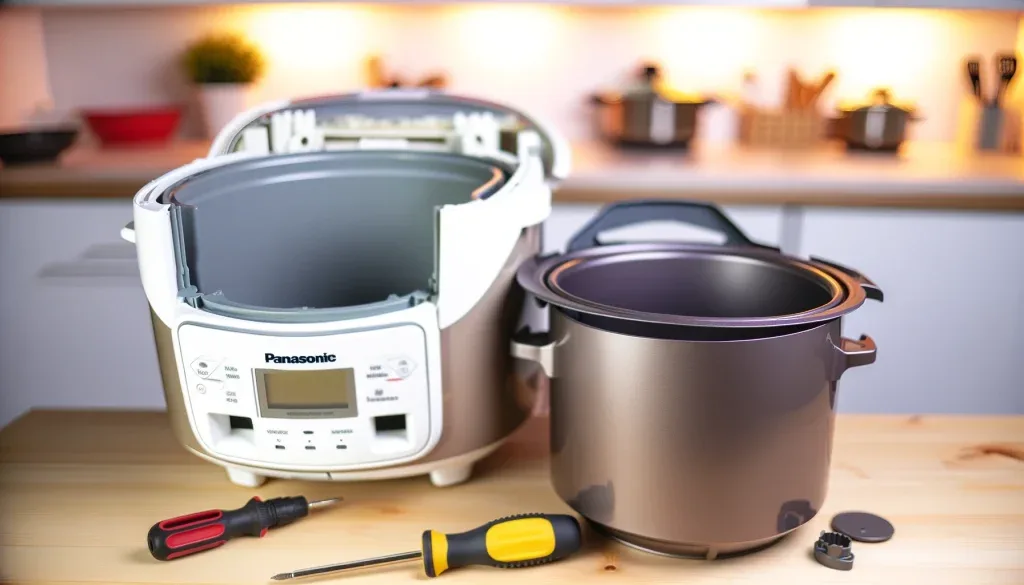
Image source: Bing (Web (fair-use with source credit))
Quick Answer
Figuring out how to clean a rice cooker is easier than you think. Wash the inner pot after every use. Wipe the base with a damp cloth.
Soak the steam vent weekly. Dry every part fully, then descale every few months.
Why Your Rice Cooker Needs a Real Cleaning Routine
The inner pot sees the worst of it, but it's not the only problem zone. The steam vent, the condensation tray, and the rubber gasket all trap moisture. That creates the perfect environment for mold and bacteria.
In our research, most rice cookers show visible gunk inside the vent within a few months of regular use.
A thin layer of burnt starch also acts like insulation. It forces the heating element to work harder. That means uneven cooking, longer cycles, and eventually a shorter lifespan.
Clean cookers heat efficiently, which is why your rice texture depends on more than just the rice-to-water ratio.
There's also the flavor problem. Old residue taints the next batch. If your rice tastes slightly sour or stale, the cooker is the suspect.
The same basic upkeep routine that keeps a kitchen scale accurate and hygienic also keeps a rice cooker honest. And with a quality nonstick pot being the most expensive part to replace, protecting it makes financial sense, too.
The Clean-As-You-Go Routine: What to Clean and How Often
The easiest way to avoid a deep clean is to avoid buildup in the first place. If you cook rice several times a week, these habits take five minutes total.
| Part | When | How |
|---|---|---|
| Inner pot | After every use | Wash with warm, soapy water and a soft sponge |
| Steam vent | Weekly | Soak, scrub, and rinse thoroughly |
| Condensation tray | After every use | Rinse out and dry completely |
| Inner lid | After every use | Wipe down with a damp cloth |
| Rubber gasket | Weekly | Wipe and dry to prevent mold |
| Base and heating plate | Every few days | Wipe with a well-wrung cloth |
Don't let meals dry onto the pot. A two-minute rinse right after serving saves real scrubbing later. The condensation tray is often the forgotten piece.
It collects moisture from every cycle, and that's exactly what mold loves. If you want the same hygiene across the rest of your countertop, your kitchen scale deserves the same attention too. And before you rely on the dishwasher, check your manual.
Some rice cookers have dishwasher-safe parts, but others definitely don't.
The Step-by-Step Cleaning Workflow: Match It to Your Situation
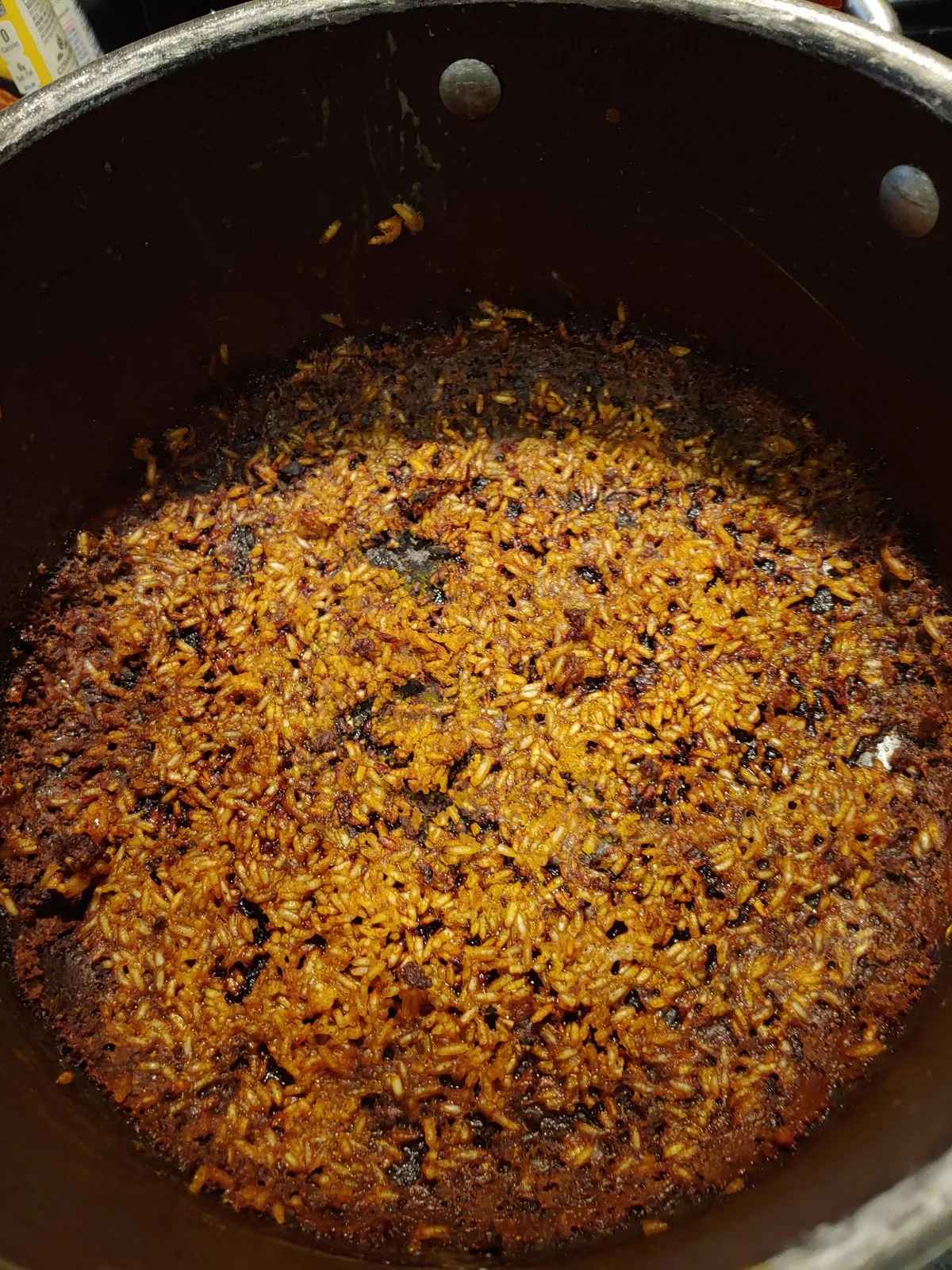
Image source: Bing (Web (fair-use with source credit))
You can't follow one routine for everything. The right method depends on what's actually wrong with your cooker. Here's how to read the signs.
Stuck-On or Burnt Rice
If the bottom of the pot has a crusted layer of rice, fill it with warm water and two drops of dish soap. Let it soak for 10 to 15 minutes. The starch softens and lifts away with a soft sponge.
For burnt patches, add a teaspoon of baking soda to the soak. It breaks down the residue without scratching. Use a nylon brush for stubborn spots.
Never reach for steel wool or a metal scraper. Those tools create scratches that trap bacteria and ruin the coating.
Sour Odor or Visible Mold
If the cooker smells sour or you spot black flecks in the steam vent, bacteria have moved in. Pull out the steam vent, condensation tray, and rubber gasket. Soak them in warm, soapy water for 20 minutes.
Wipe the inner lid with a paper towel dipped in white vinegar. Then run a vinegar cycle. Mix one part vinegar with three parts water in the inner pot.
Run the cooker on a full rice cycle. This kills odor-causing bacteria without harsh chemicals. It also cleans the hidden steam paths that you can't reach by hand.
White Mineral Scale (Hard Water)
If you see chalky white flakes on the pot or heating plate, that's limescale from hard water. Fill the pot with equal parts water and white vinegar. Let it soak for an hour.
Rinse thoroughly and wipe dry. For heavy buildup, run a full cooking cycle with the vinegar solution. The acid dissolves the minerals.
After the cycle, wipe away the loose flakes. Run one plain water cycle to clear out the vinegar taste.
Common Mistakes That Ruin Rice Cookers
Let me save you from the errors that pop up in every comment section. These are the bigger mistakes that shorten a rice cooker's life.
- Submerging the base in water. The heating element and control board sit directly under the pot. Water gets in, and the cooker dies.
- Scrubbing nonstick surfaces with metal tools. Scratches ruin the coating and become a breeding ground for bacteria.
- Running the dishwasher without checking the manual. Some parts are safe, some aren't. Dishwasher heat can also warp plastic lids.
- Ignoring the steam vent until it smells. By the time you notice, mold is already growing in the steam path.
- Reassembling damp parts. Everything needs to air dry completely. Trapped moisture brings the smell right back.
- Using too much dish soap. A leftover soap film on the pot makes rice stick and ruins the flavor.
The same small-appliance care applies to other tools in your kitchen. If you've ever cleaned an electric hand mixer, you know the pattern: unplug, disassemble, clean carefully, dry fully. That mindset works for anything with a motor.
Safety First: Electricity, Heat, and Nonstick Coatings
The good news is that cleaning a rice cooker is completely safe if you follow a few ground rules. Always unplug the unit before touching any removable part. The base has openings near the heating element, and water can slip in through them.
Never pour water onto the base unit. Use a damp washcloth that you've wrung out thoroughly. If you need to wipe the heating plate, make the cloth almost dry.
Then let the base air dry for a few minutes before reattaching anything.
Don't quench a hot pot with cold water either. The temperature shock can warp the inner pot or crack the nonstick surface. Let the cooker cool down completely before washing.
Same goes for the lid if it's detachable.
Per USDA food safety guidance, scratched nonstick coatings can harbor bacteria and should be replaced when flaking. If your inner pot shows worn patches, buy a replacement bowl instead of scrubbing harder. For mold issues, the EPA recommends acting quickly and keeping damp areas dry.
A rice cooker's steam vent is exactly that kind of environment.
When in doubt, your user manual wins. Manufacturer documents list which parts are dishwasher-safe and what cleaning agents to avoid. Ammonia and bleach can damage the surfaces.
Stick with warm water, mild soap, and white vinegar.
Long-Term Maintenance: Descaling and Odor Prevention
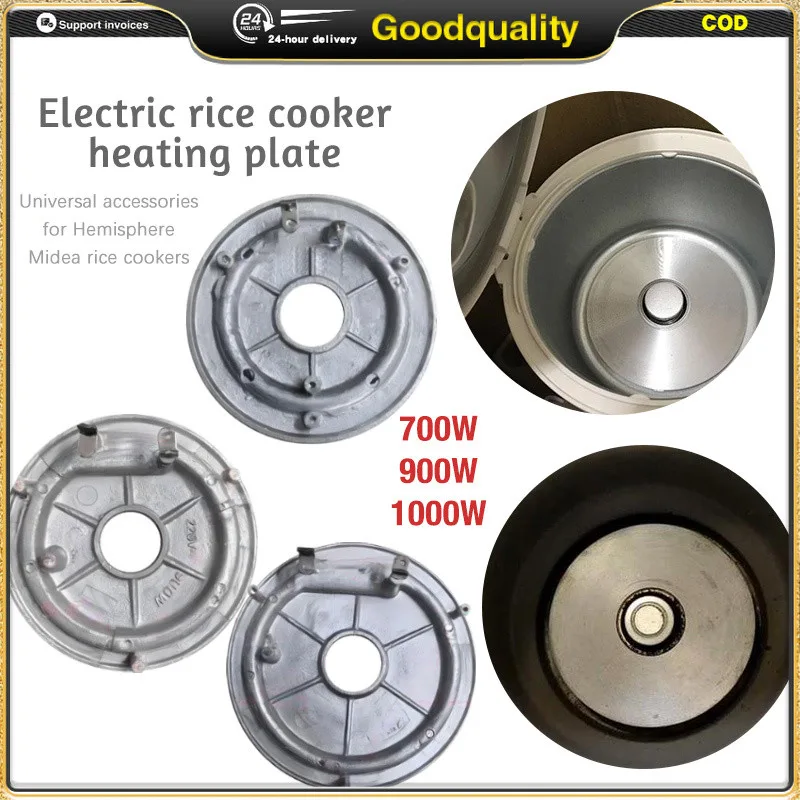
Image source: Bing (Web (fair-use with source credit))
White mineral scale isn't just ugly. It creates a rough surface that makes rice cook unevenly. If you have hard water, descale monthly.
Soft water? Every three months is plenty.
Use a diluted vinegar solution. One part vinegar to three parts water clears routine buildup. Run a full cook cycle, then one plain water cycle to rinse.
Citric acid works too. Dissolve a tablespoon in a quart of water and follow the same pattern.
This upkeep carries over to other countertop tools. The after-every-use rinse that keeps a food scale hygienic applies here. Electric hand mixers follow the same rule.
Their bases get wiped, never dunked. If you already practice regular upkeep for small appliances, this will feel familiar.
Odor prevention comes down to drying. Never reassemble the cooker until every part is bone dry. Leave the lid cracked open when idle.
That airflow stops mold in the rubber gasket and steam vent. EPA's mold guidance says the same: keep damp spots dry, and mold can't take hold.
If you measure rice by weight, a digital kitchen scale makes the ratio easy to hit.
How often should you descale?
Every one to three months, depending on water hardness. Notice white flakes on the pot? Move to a monthly schedule.
Soft water means a quarterly cycle is enough.
Rice Cooker Cleaning FAQs
Can I put the inner pot in the dishwasher?
Only if your manual says so. Many nonstick pots are dishwasher safe, but heat and detergent can degrade the coating over time. Hand washing is the safest route.
Check the bottom of the pot for a dishwasher-safe symbol, or look it up in your manual.
How do I get rid of the sour smell?
Run a vinegar water cycle, then a plain water cycle. Wipe the steam vent and gasket with a damp cloth. Air dry everything.
If the smell returns in a week, mold is hiding in the vent. Soak it in vinegar for 30 minutes.
What's the best way to clean the heating plate?
Wipe it with a nearly dry cloth after the cooker cools. Never pour water on the element. For mineral flakes, use a cloth dipped in vinegar and wrung out completely.
A soft brush for loose crumbs works well.
Is vinegar safe for a nonstick pot?
Yes, diluted. One part vinegar to three parts water won't damage the coating. Don't leave straight vinegar sitting overnight.
Acid can break down coatings over long exposure. Rinse thoroughly afterward.
Why does my rice still stick after cleaning?
That points to scratched nonstick. The surface grabs starch no matter how well you clean it. If you see lines, peeling, or dull patches, replace the bowl.
No cleaning routine can restore a worn coating. A digital kitchen scale can help you nail your water ratio, but it can't fix the pot.






2 Comments