Stand Mixer Overheating
When your stand mixer starts getting uncomfortably hot, it's natural to worry. This often happens when a mixer is working hard on a dense dough or a large batch, and it can feel like a serious issue. Don't panic; usually, a little heat is normal, but excessive warmth or a burning smell means we need to investigate.
In our research, we found that most overheating issues stem from common operational oversights rather than immediate defects. Manufacturer specifications often indicate that motors can safely reach temperatures around 120°F (49°C) during normal operation, but exceeding this consistently without proper cooling can lead to problems. Let’s break down why this happens and what you can do about it.
Quick Answer
Stand mixer overheating usually occurs when the motor is overworked, vents are blocked, or attachments are straining the system. Stop use, let it cool, and check for overloaded bowls or dirty vents. Regular maintenance and following load limits prevent most issues.
First Things First: Is It Really Overheating?
It's easy to confuse normal operational warmth with a genuine overheating problem. Most stand mixers, especially when tackling tough tasks like kneading bread dough or whipping dense cookie batter, will naturally generate some heat. This is a byproduct of the motor working hard to provide the necessary torque.
You might notice the motor housing feels warm to the touch after a few minutes of use.
However, there are distinct signs that indicate a problem beyond normal operation. If you notice a distinct burning smell, the mixer becomes too hot to comfortably touch, or the motor starts to significantly slow down or stop mid-operation, then you've likely got a genuine overheating issue that needs addressing.
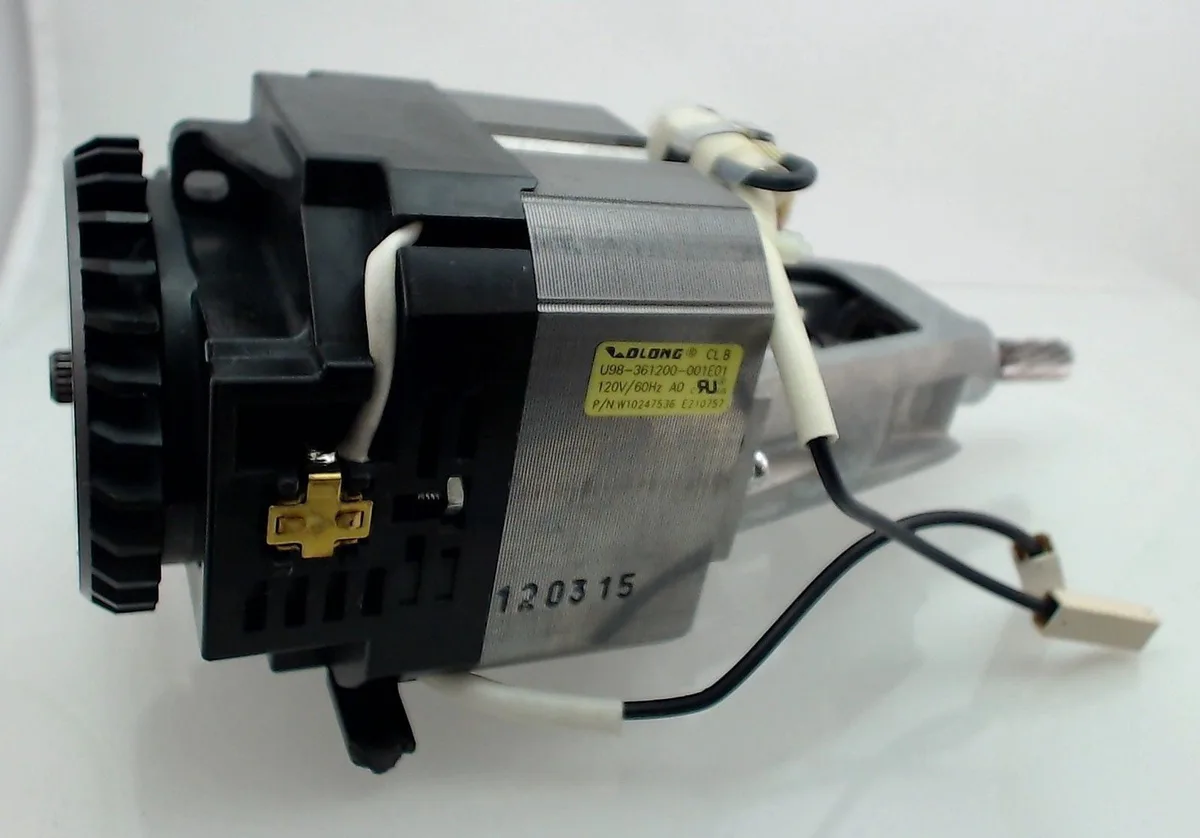
Image source: Bing (Web (fair-use with source credit))
Troubleshooting: What's Causing the Heat?
When your mixer starts acting up, the first step is to systematically figure out why. It’s usually one of a few common culprits. We'll walk through them to help you pinpoint the cause.
Check the Load
One of the most frequent reasons for a stand mixer to overheat is simply asking it to do too much. Think of your mixer like an engine; if you push it beyond its designed limits for extended periods, it's going to heat up.
- What are you making? Recipes calling for very stiff doughs, like dense bread or pasta doughs, require significant motor power. If you're making a large quantity of these, the motor is working overtime.
- Is the bowl packed too full? Overfilling the mixing bowl, even with softer batters, forces the mixer's motor to exert more effort to move the ingredients. Always check your mixer's manual for maximum capacity recommendations; for instance, many mixers are rated for around 5-6 quarts and can handle about 3 pounds of flour for bread.
Examine the Attachments
The attachments are how your mixer interacts with the ingredients, and if they're not functioning optimally, they can put undue strain on the motor, leading to heat.
- Are they clean and moving freely? Dried-on batter, flour residue, or even a bit of rust can create friction. This increased resistance makes the motor work harder. A quick wash and ensuring all parts move smoothly can often solve this.
- Are you using the right attachment? Manufacturers design specific attachments for specific tasks. Using a whisk for a thick dough, for example, can overload the motor much faster than a dough hook. Always consult your manual to ensure you're using the appropriate tool for your recipe.
Listen to the Motor
Your mixer's sound is a great indicator of its health. Just like a car engine, a struggling motor often sounds different from one running smoothly.
- Does it sound strained or unusual? A healthy motor typically has a consistent hum. If you start hearing a grinding, whining, or a very high-pitched squeal, it could signal that the motor is under significant stress or that internal components are wearing down.
- Are there any sudden changes in pitch or volume? An abrupt change in the motor's sound profile during operation is a red flag.
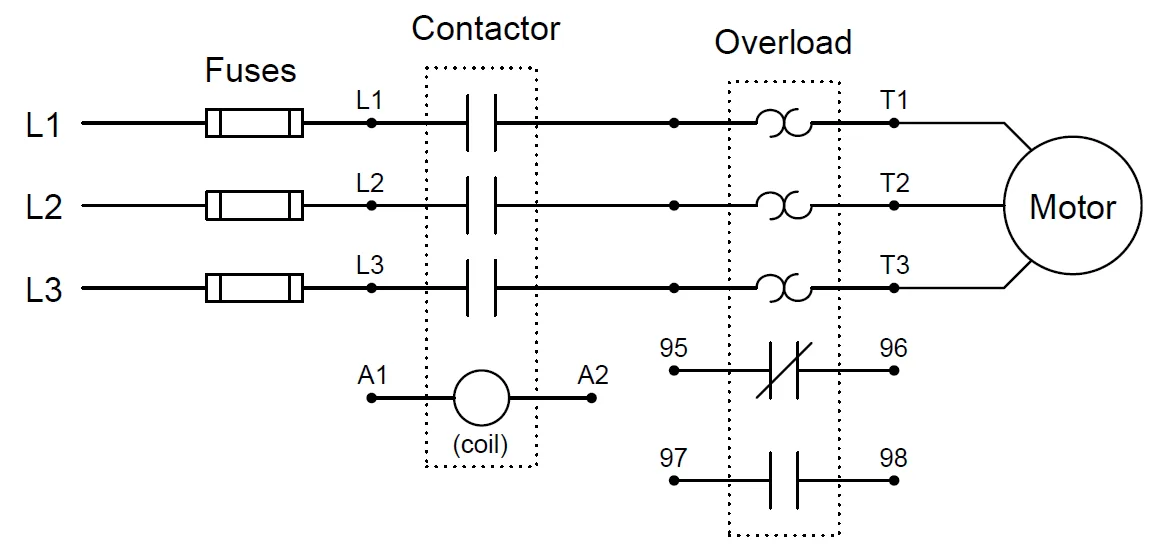
Image source: Bing (Web (fair-use with source credit))
Inspect the Mixer Itself
Sometimes, the problem isn't with how you're using the mixer, but with the mixer itself. Simple external checks can reveal issues.
- Are the vents blocked? Most stand mixers have ventilation slots designed to allow air circulation and cool the motor. If these are clogged with flour dust, grease, or debris, the motor can't dissipate heat effectively. This is a common issue, especially in older mixers or those stored without proper cleaning.
- Is anything jammed? While less common, it's possible for a stray ingredient or foreign object to get lodged in the mixer's gear system or around the motor shaft. This can cause friction and strain, leading to heat.
What to Do When It Happens
When your stand mixer starts showing signs of overheating, it's crucial to act quickly and correctly. Here's a straightforward action plan to get things back on track without causing further damage.
Stop Immediately & Cool Down
If you notice any of the signs of serious overheating, especially a burning smell or excessive heat, turn the mixer off immediately and unplug it from the power source. Continuing to run a struggling motor can lead to permanent damage, potentially requiring costly repairs or a full replacement. Once powered off, allow the mixer to sit and cool down completely.
- How long to wait? For most common overheating situations, aim for at least 20 to 30 minutes. If the mixer felt exceptionally hot or smelled strongly of burning, give it an hour or more. Patience here is key; rushing the cooling process won't help.
Assess the Situation (Post-Cooling)
After your mixer has cooled down, take a moment to reflect on what you were doing just before it started heating up. This context is vital for preventing a recurrence.
- Heavy Load? If you were kneading a dense bread dough or mixing a very thick batter, the overload was likely the cause. Next time, try reducing the batch size or dividing it into smaller portions.
- Attachments Dirty? If the attachments felt sticky or had visible residue, this friction likely contributed. Ensure they are thoroughly cleaned and dried before the next use.
- Vents Blocked? If you noticed dust or debris around the motor housing's air vents, this restricted airflow.
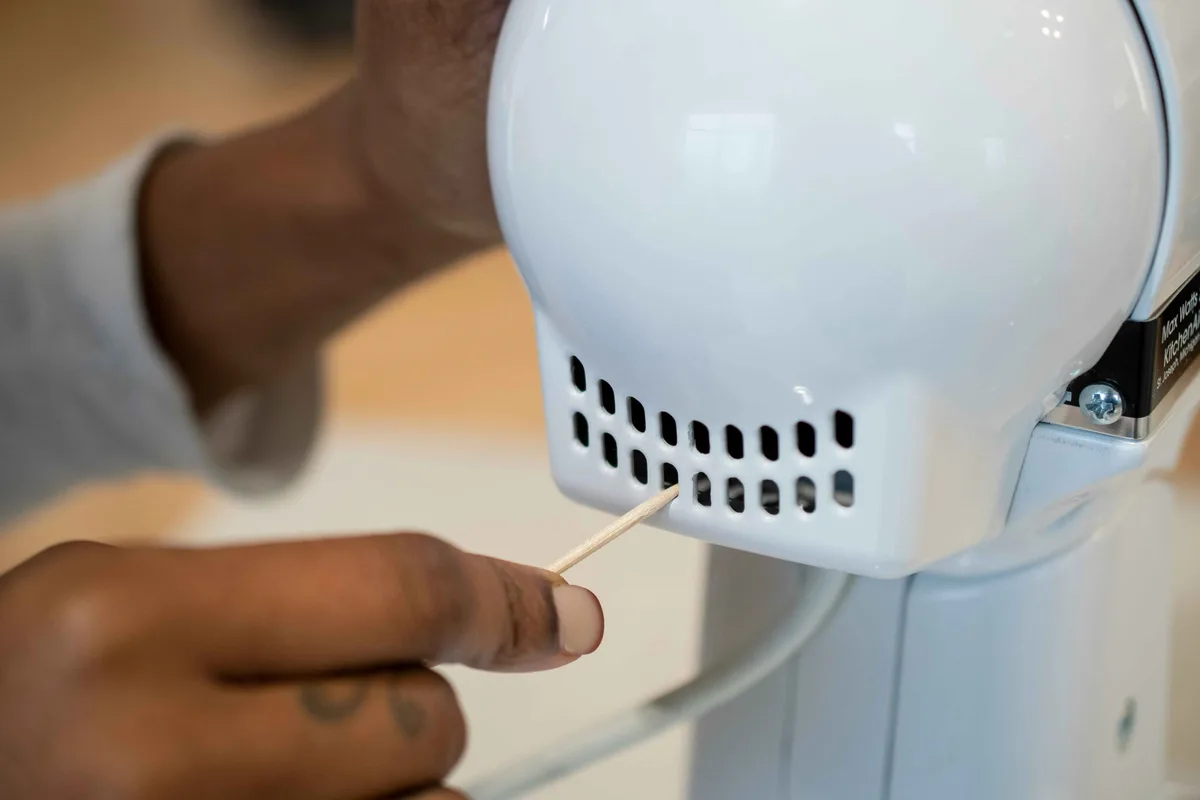
Image source: Bing (Web (fair-use with source credit))
Try Again, Gently
Once you've identified a potential cause and taken corrective action (like cleaning or reducing the load), it's time to test the mixer again. It’s best to start conservatively to see how it responds.
- Start with a lighter task: Try a simple recipe with a less dense batter, or just run the mixer on its lowest speed without any ingredients for a minute or two.
- Monitor closely: Pay attention to any unusual sounds or smells, and periodically touch the motor housing to gauge its temperature. If it starts heating up quickly again, stop the test.
When to Get Professional Help
Most of the time, a stand mixer that overheats can be brought back to reliable service with a bit of careful troubleshooting and maintenance. However, there are specific situations where pushing the issue further yourself isn't advisable. If you've gone through the cooling and assessment steps, cleaned vents, checked attachments, and perhaps even reduced your load, but the problem persists, it’s time to consider professional intervention.
Here are key indicators that suggest it’s time to stop troubleshooting and seek expert advice or contact the manufacturer:
- Persistent Burning Smell: If a strong, acrid burning smell lingers even after the mixer has completely cooled down, it might indicate internal motor damage or worn-out components that simple cleaning won't fix.
- Visible Damage: Any signs of physical damage, such as cracked housing, loose parts, or wires that appear frayed or damaged, warrant immediate cessation of use and professional inspection.
- Unusual Mechanical Sounds: A persistent grinding, rattling, or a loud knocking sound that doesn't go away after basic checks suggests a more serious internal mechanical issue within the gearbox or motor assembly.
- Complete Failure to Operate: If the mixer simply won't turn on or operate at all after cooling down and performing basic checks, it could be an electrical issue beyond a simple overheating event.
A Little Maintenance Goes a Long Way
Keeping your stand mixer in top condition doesn't require a degree in engineering. A few simple, regular habits can prevent most overheating issues and extend the life of your appliance significantly. Think of it as basic car care for your kitchen workhorse.
- Read Your Manual: This is the most straightforward advice, yet often overlooked. Every mixer model has specific operating limits, cleaning instructions, and troubleshooting tips unique to its design. Your user manual is the definitive guide for your specific appliance.
- Don't Overload: Always respect your mixer's capacity. For bread dough, for instance, check the manual for the maximum amount of flour you can use; exceeding this limit is a sure way to overheat the motor. For a typical 5-quart mixer, this might be around 3 pounds of flour.
- Clean Regularly: Make it a habit to wipe down the mixer housing and clean attachments immediately after use. Dried ingredients can harden, become abrasive, and increase friction, contributing to motor strain over time.
- Give It Breaks: For recipes requiring long mixing times, especially for dense batters or doughs, it’s wise to give the motor a rest. Running the mixer for 10-15 minutes and then letting it sit for 5-10 minutes can prevent cumulative heat buildup. This practice is especially important for older models or those with less powerful motors.
Frequently Asked Questions
What's the maximum amount of flour I can put in my stand mixer?
This varies greatly by model. For example, many popular home models with 5-quart bowls can handle up to 3 pounds of flour for bread dough. Always consult your specific mixer's user manual for exact capacity limits to avoid overloading.
Can I use my stand mixer in a very hot kitchen?
Yes, but with extra caution. A hot ambient temperature will make it harder for the mixer's motor to dissipate heat. You may need to take more frequent breaks and be extra mindful of the motor housing's temperature during use.
Is it normal for my mixer to smell like oil when new?
A faint "new appliance" smell or a light, almost metallic odor might be noticeable during the first few uses as manufacturing lubricants burn off. However, a strong burning smell that intensifies or lingers is not normal and suggests an issue.
How often should I deep clean my stand mixer?
Beyond routine cleaning after each use, a more thorough deep clean of the motor housing (exterior) and attachments can be done every few months, or more often if you use your mixer frequently or bake with ingredients that tend to be messy. Ensure the mixer is unplugged before any cleaning.