How to Prevent Kitchen Knives From Rusting
A dull knife is frustrating, but a rusted one is just plain sad. If you've ever noticed unsightly brown spots or even a gritty feel on your favorite blade, you know how quickly corrosion can ruin a good tool. Learning how to prevent kitchen knives from rusting is a simple yet crucial skill for anyone who values sharp, reliable kitchen equipment.
In our research, we found that proper care often boils down to understanding the basic chemistry of steel and moisture. For instance, manufacturer specifications for high-carbon steel blades, common in chef's knives, often emphasize dry storage and immediate post-use cleaning to prevent iron oxide formation. This knowledge is key to keeping your knives in top shape.
Quick Answer
Preventing kitchen knives from rusting involves immediate post-use drying with a soft cloth, hand washing instead of using a dishwasher, and avoiding prolonged contact with moisture or acidic foods. Oiling high-carbon steel blades can also add a protective barrier. Properly maintained knives resist corrosion and maintain their sharpness.
What Makes Kitchen Knives Rust?
Rust, plain and simple, is the result of oxidation. When iron, a key component in most knife blades, is exposed to oxygen and moisture for too long, it forms iron oxide, which is what we call rust. Think of it like leaving a metal gate out in the rain; eventually, it'll start to show those tell-tale reddish-brown marks.
The type of steel your knife is made from plays a big role. Many higher-end knives use high-carbon steel. This is fantastic for achieving and holding a super-sharp edge, which is why chefs and home cooks love them.
However, this higher carbon content also makes the steel more susceptible to rusting compared to stainless steel. Stainless steel has chromium added, which forms a protective passive layer that resists corrosion much better. But don't let that deter you from carbon steel; a little extra care is all it takes to keep it in perfect condition.
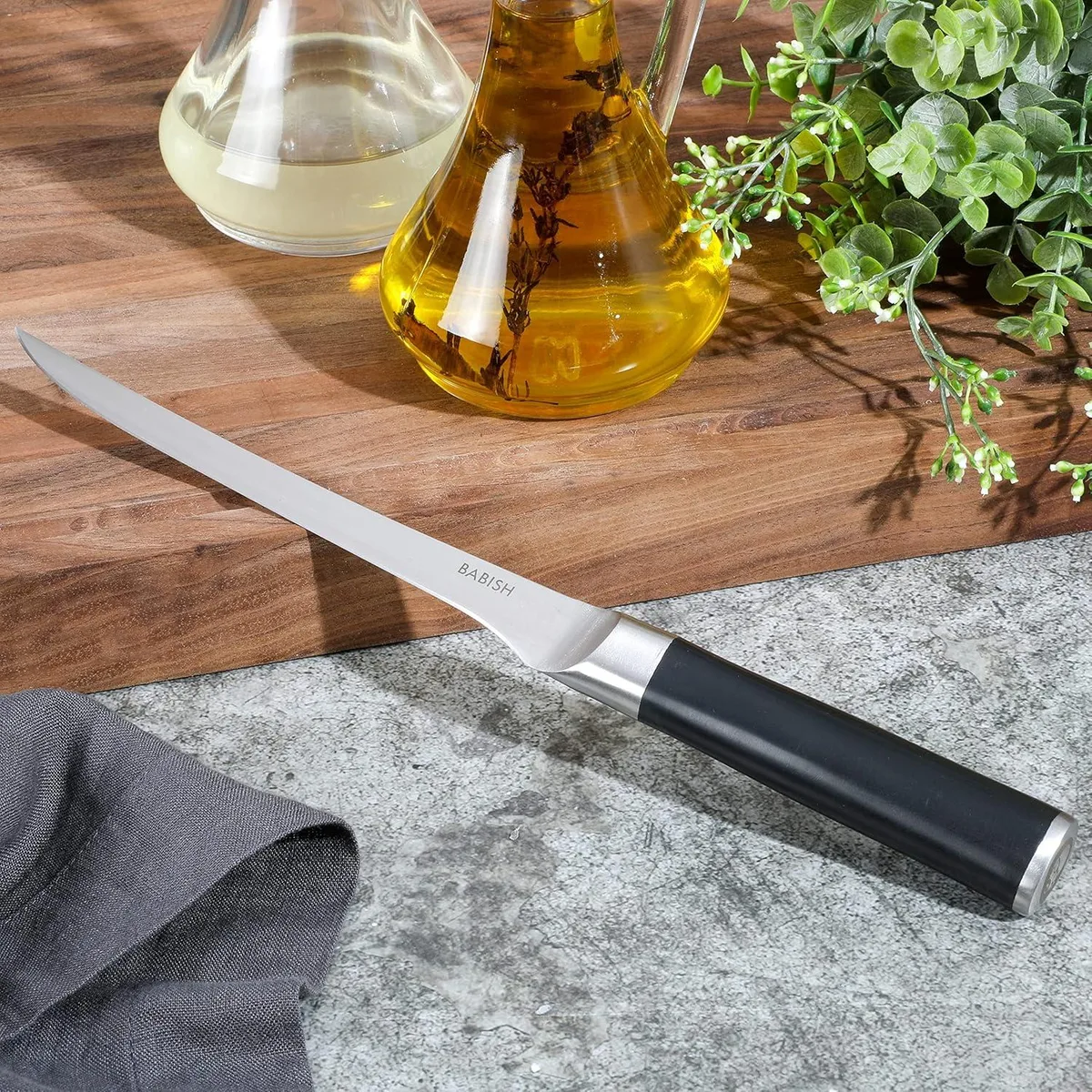
Proper drying is the most critical step in preventing rust.
The Golden Rule: Dry Your Knives Immediately
This is the absolute number one thing you can do to stop rust in its tracks. Seriously, it’s more important than almost anything else.
Why Immediate Drying Matters
When you're done using your knife, whether it's for slicing an apple or dicing onions, moisture is the enemy. Even tiny droplets of water left on the blade can start the rusting process, especially if your knife is made of high-carbon steel. This is because the iron in the steel reacts with the water and oxygen, forming rust.
It doesn't take long for the damage to begin.
Our research indicates that water left on a blade for even a few hours can start to show faint signs of oxidation. This is why making drying a habit right after washing is non-negotiable. It interrupts the chemical reaction before it can even get going.
How to Properly Dry Your Knives
Forget just giving it a quick shake. You need to dry your knives thoroughly.
- Use a Soft Cloth: Grab a clean, dry dish towel. A soft cotton or microfiber towel works best as it's absorbent and won't scratch the blade.
- Wipe Down the Entire Blade: Start at the heel (where the blade meets the handle) and wipe down towards the tip. Make sure you cover the entire surface, including along the edge and the spine.
- Don't Forget the Handle: While less prone to rust, a damp handle can also lead to issues. Dry it off completely.
- Air Dry (Briefly) if Necessary: If you’re in a pinch and don't have a towel immediately handy, you can let it air dry for a very short time, but plan to dry it properly as soon as possible. Never leave it to air dry in a dish rack for an extended period.
Washing Your Knives: Best Practices for Longevity
The way you clean your knives matters a lot. While it might seem like a chore to hand wash, it's a small price to pay for keeping your blades in prime condition.
Hand Washing vs. Dishwasher: What's Best?
This is where opinions can sometimes differ, but for most quality kitchen knives, hand washing is unequivocally the way to go. Dishwashers are harsh environments for knives. The high heat, aggressive detergents, and the violent jostling of the cycle can cause several problems.
- Dulling: The constant banging against other dishes and cutlery chips and dulls the blade’s edge.
- Corrosion: Dishwasher detergents are often alkaline and can strip away the natural protective oils on the blade. Worse, knives often get trapped in a position where water pools on the blade, leading to rust. Many manufacturer specifications explicitly advise against dishwasher use for their knives, recommending hand washing to maintain edge integrity and prevent corrosion. For example, knife manufacturers often state that dishwasher use voids their warranty.
- Damage: The forceful spray and movement can also cause nicks and scratches.
So, if you have knives you cherish, your chef's knife, your santoku, your paring knife, keep them out of that machine. If you're considering a new dishwasher, looking at models designed for delicate items might offer slightly better protection, but hand washing remains the safest bet. You can find many options among the 7 Best Dishwasher for Small Kitchen if space is a concern.
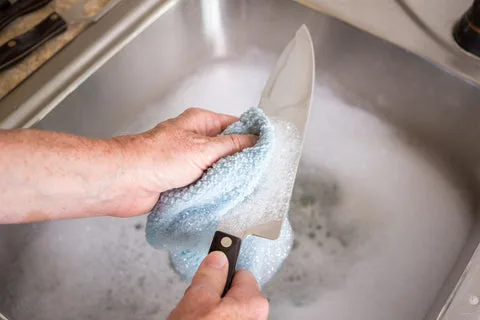
Hand washing is gentle and allows for immediate drying.
Avoiding the Soak: How to Wash Efficiently
The sink is another common culprit for knife rust. If you leave dirty knives soaking in soapy water, you're essentially giving them an extended bath where they can’t dry. This is a prime opportunity for rust to form, especially on higher-carbon steel blades.
The best approach is to wash your knives immediately after you finish using them. Don't let them linger in the sink.
- Get to it Quickly: As soon as you’re done chopping or slicing, head to the sink.
- Use Warm, Soapy Water: A gentle dish soap and warm water are all you need. Avoid abrasive scrubbers or steel wool, as these can scratch the blade. A soft sponge or cloth is perfect.
- Rinse Thoroughly: Make sure all soap residue is washed away.
- Immediately Dry: And here we are again, this is the critical follow-up step. Dry the blade completely with a soft towel.
This habit ensures minimal contact with water and significantly reduces the chance of rust forming. If you’re cooking a large meal, try to wash and dry knives as you finish with them, rather than piling them up to wash later. If you often find yourself with a lot of dishes, a reliable dishwasher can be a lifesaver for other items, so consider options like the 7 Best Portable Dishwasher for convenience.
Dealing with Acids and Other Rust Accelerators
Some foods are more aggressive than others when it comes to your knife's blade. Acidic ingredients, common in cooking, can speed up the rusting process if they're left to sit on the steel.
Think about foods like tomatoes, lemons, limes, onions, and certain vinegars. When you’re slicing these, the acids in them can start to etch the metal. If you’re chopping a lot of tomatoes for a sauce or zesting a lemon, it’s a good idea to rinse your knife under cool water after you’ve finished that specific task, and before you move on to the next ingredient or put the knife away.
This quick rinse removes the acidic residue. Then, follow up with your immediate drying routine. It's a small extra step that makes a difference, especially if you're not washing the knife completely right away.
This practice is part of a larger philosophy of "clean as you go" in the kitchen, which not only helps prevent rust but also keeps your workspace tidy and efficient. Keeping your kitchen organized, perhaps with a 7 Best Compact Freezer for overflow items, can contribute to a more streamlined cooking process overall.
When Rust Shows Up: Simple Fixes
Mistakes happen, and sometimes you’ll find a little rust spot or two. Don't despair! Most minor rust issues can be fixed with a little effort.
The key is to act quickly before the rust has a chance to eat deep into the metal.
Tackling Light Rust Spots
For superficial rust, the baking soda paste method is a go-to for many. Baking soda is a mild abrasive that can help lift the rust without being too harsh on the blade.
- Make a Paste: Mix a tablespoon or two of baking soda with just enough water to form a thick paste.
- Apply: Dab the paste onto the rusty spots on your blade.
- Gently Scrub: Use a soft cloth, a sponge's soft side, or even your finger to gently rub the paste over the rust. Work in the direction of the grain of the steel if you can see it.
- Rinse and Dry: Rinse the blade thoroughly with water and then dry it completely. Check to see if the rust is gone. You might need to repeat the process a couple of times for stubborn spots.
Another option, if you have it, is a commercial knife cleaning paste or Bar Keepers Friend. Always test these on a small, inconspicuous area first and follow the product instructions carefully.
What to Do About Stubborn Rust
If light scrubbing doesn't remove the rust, or if it seems to have dug in a bit more, you might need something with a bit more grit. A very fine-grit sharpening stone or a ceramic honing rod can sometimes be used to gently buff out deeper rust marks.
However, be cautious here. You're trying to remove rust, not resharpen the knife extensively. Too much aggressive scrubbing can damage the edge or alter the blade's profile.
If you're uncomfortable with this, or if the rust is extensive, it might be time to consult a professional knife sharpener. They have the tools and expertise to restore blades that have seen better days, often without compromising the knife's integrity.
Common Mistakes That Lead to Rust
Even with good intentions, it's easy to slip up and do things that invite rust. Being aware of these common pitfalls can save your knives from unnecessary damage. One of the biggest mistakes is assuming all knives are created equal when it comes to care.
What works for a rugged utility blade might not be ideal for your prized Japanese chef's knife.
Another frequent error is improper storage. Leaving knives loose in a drawer where they can knock against other metal objects increases the risk of nicks and scratches, which can then become entry points for moisture. Similarly, storing knives while they're still even slightly damp is a sure way to wake up to rust.
Always ensure they are bone dry before they go into the knife block or onto a magnetic strip. If you find your knife drawer is a mess, consider organizing it with a 7 Best Refrigerator for Family to free up space, or look into dedicated drawer organizers.
- Dishwasher Use: As mentioned, the high heat and harsh detergents are detrimental.
- Soaking in the Sink: This gives water ample time to work on the steel.
- Leaving Knives Wet: Even for short periods, this is a major cause of rust.
- Using Abrasive Cleaners: Steel wool or coarse scrubbers can scratch the blade, making it more vulnerable.
- Improper Storage: Knives rattling around in a drawer are prone to damage.
If you've ever owned a set of knives and then suddenly noticed rust appearing on several of them after a period of neglect, you've likely experienced the consequences of one or more of these mistakes. It’s a good reminder that consistent, proper care is key.
Long-Term Knife Care: Keeping Blades Sharp and Rust-Free
Preventing rust isn't just about immediate post-wash care; it's about a holistic approach to knife maintenance that ensures longevity. One aspect that ties directly into rust prevention is maintaining the edge. A sharp knife is a safer knife, but it also relates to how we clean and handle them.
Over time, even with careful hand washing, the blade can accumulate microscopic imperfections. Regularly honing your knife with a ceramic rod or a fine-grit sharpening stone can help realign the edge. This not only keeps it sharp for easier slicing but can also smooth out any tiny imperfections that might trap moisture.
Manufacturer specifications often recommend honing a high-carbon steel blade weekly or even bi-weekly, depending on use, to maintain optimal performance and surface integrity. This attention to detail ensures your knives perform their best and remain free from corrosion.
Beyond the edge, consider how you store your knives. A good knife block, a magnetic strip, or blade guards are essential. These prevent the blades from scratching each other and also protect the edge.
Some knife enthusiasts also use a very thin coating of food-grade mineral oil on their high-carbon steel blades, especially before long-term storage, like going on vacation. This oil creates a barrier against moisture. A tiny amount is all that's needed, and it should be wiped on and then buffed off so the knife isn't greasy to handle.
Frequently Asked Questions About Knife Rust
What type of knife is most prone to rusting?
Knives made from high-carbon steel are the most susceptible to rusting. This is because they contain a higher percentage of carbon and less chromium compared to stainless steel, making them more reactive to moisture and air.
How quickly can a knife start to rust?
Rust can begin to form within hours if a high-carbon steel knife is left wet and exposed to air. Even stainless steel can develop minor surface discoloration or rust spots under prolonged exposure to corrosive elements or if the protective chromium layer is compromised.
Can rust damage a knife permanently?
Minor surface rust can usually be removed without permanent damage. However, if rust is left untreated for extended periods, it can etch into the steel, creating pits that weaken the blade and make it more prone to future corrosion. Severe pitting can be a permanent cosmetic issue and may affect the blade's integrity.
Is it safe to use a knife that has rust on it?
It's best to remove rust before using the knife. While minor rust spots might not immediately affect food safety, they are a sign of improper care and can indicate that the blade's surface is compromised. Removing rust ensures the blade is clean and in optimal condition.
Should I oil my knives regularly?
For high-carbon steel knives, applying a very thin coat of food-grade mineral oil periodically, especially before storage, can help protect against rust. It's not typically necessary for stainless steel knives unless they are stored for very long periods in humid conditions.