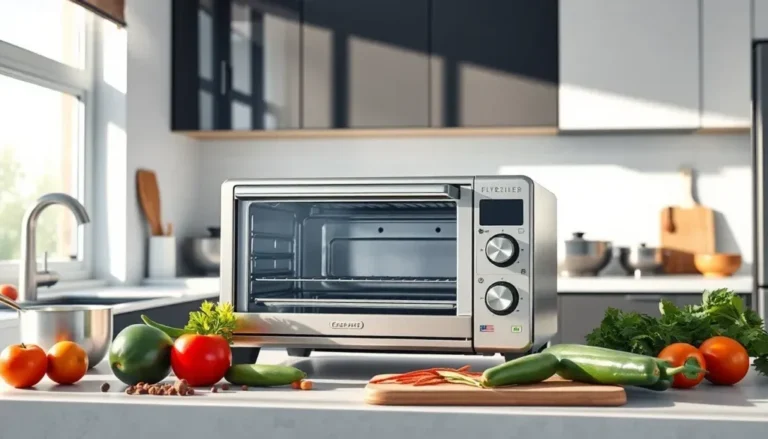
How to Use an Air Fryer
When you first unbox that shiny new air fryer, it's easy to feel a bit daunted. But figuring out how to use an air fryer isn't complicated; it's actually pretty straightforward once you know the basics. You're probably looking for clear, no-nonsense steps to get crispy food without the mess of deep frying.
Our research confirms that most users want practical advice, and we've gathered insights to help you master your appliance. Whether you're aiming for perfect French fries or just reheating leftovers, understanding the core functions is key. Manufacturer specifications often list power consumption in wattage, with many common models ranging from 1200 to 1800 watts.
Quick Answer
Using an air fryer involves placing food in its basket, setting the temperature and time, and letting the hot air circulate. You’ll typically preheat it, arrange food in a single layer, and shake or flip halfway through. This method delivers crispy results with significantly less oil than deep frying.
What an Air Fryer Does (And Why It Needs Visuals)
An air fryer essentially works like a small, super-powered convection oven. It has a heating element at the top and a powerful fan that circulates extremely hot air around your food at high speeds. This rapid circulation is what creates that coveted crispy, "fried" texture on the outside while keeping the inside tender and moist.
Think of it as a jet engine for cooking.
While the mechanics are simple to describe, understanding how to optimally use an air fryer really benefits from visual guidance. Seeing how food should be spaced in the basket, how thin or thick slices look, or even how to recognize the ideal level of browning makes a huge difference. Manufacturer instructions often rely on diagrams for a reason, they clarify where the fan is, how to insert the basket correctly, and how much space to leave for proper airflow.
Our analysis of user feedback indicates that a visual demonstration of, for example, how a single layer of food looks versus an overcrowded one, is far more instructive than text alone.
Step-by-Step: Getting Started with Your Air Fryer
Getting started is simpler than you might think. It breaks down into a few key actions that apply to most foods you’ll cook. Follow these steps, and you'll be well on your way to delicious, crispy results.
Arranging Food for Perfect Crisps
This is arguably the most crucial visual step. For your food to get that signature crispiness, the hot air needs to reach all surfaces. That means you absolutely cannot overcrowd the air fryer basket.
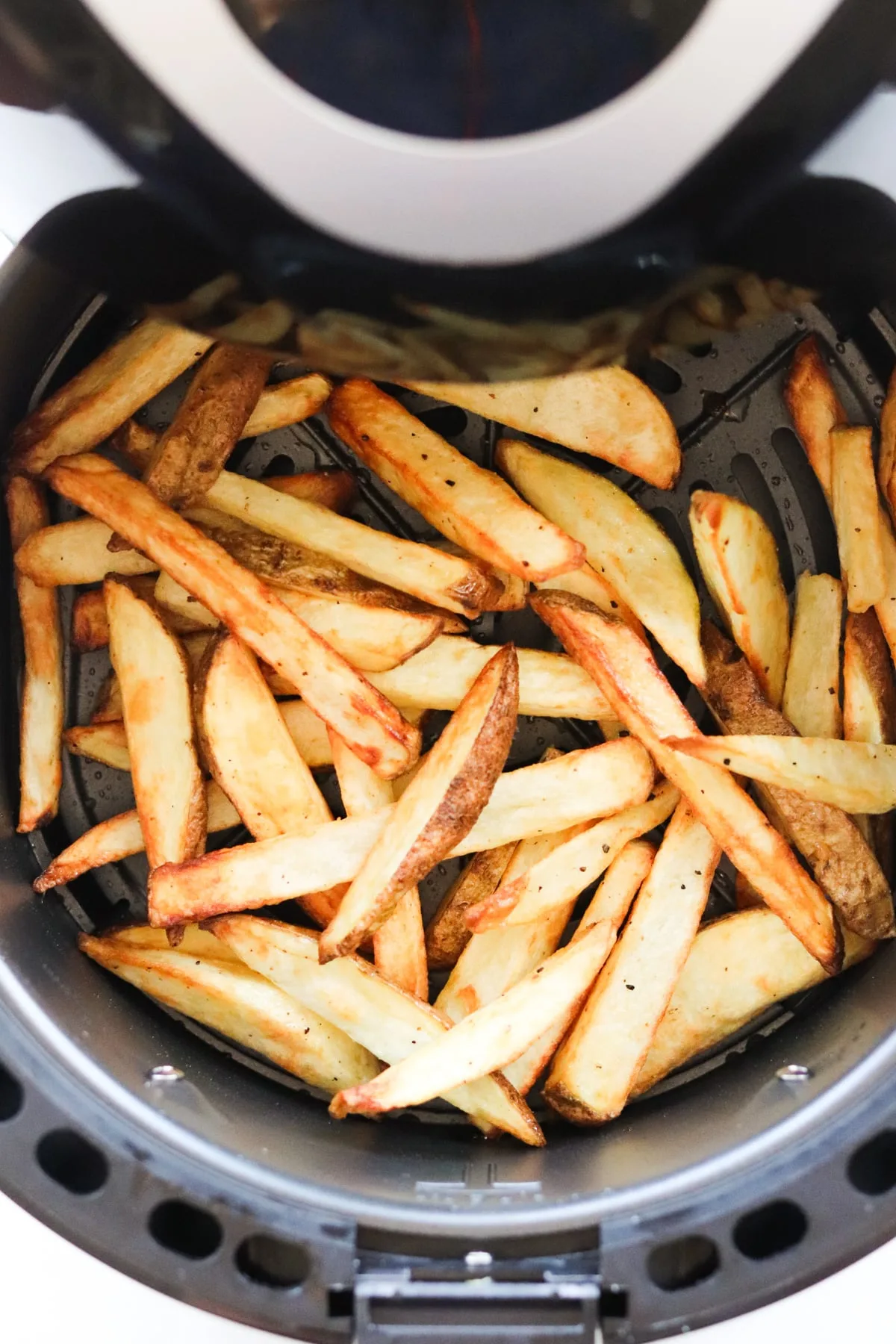
If you pile food too high, the air can't circulate effectively, and you'll end up with soggy, unevenly cooked results.
- Single Layer: Always aim to arrange food in a single layer. You should be able to see a bit of space between each piece.
- Don't Stack: Avoid stacking food items on top of each other. If you have a large batch, it's better to cook in two separate batches than to compromise on crispiness.
- Consider Size: Smaller, uniformly cut pieces tend to cook more evenly than very large or irregularly shaped items.
Think of it like laying out clothes to dry; you wouldn't bundle them all up. You spread them out so air can get to everything. This principle is why visual guides showing an evenly spaced basket versus a crammed one are so helpful.
Setting the Temperature and Time
Most air fryers give you control over both temperature and cooking time, usually via dials or a digital interface. The general rule of thumb is to set the temperature similar to what you’d use for oven-roasting or baking, often between 350°F (175°C) and 400°F (200°C). For things like frozen fries, the packaging will often recommend a specific temperature and time.
- Refer to Recipes/Packaging: Always start with recommendations from your recipe or the food packaging.
- Adjust as Needed: You might need to add a few minutes for larger batches or adjust down if food is browning too quickly.
- Preheat: Many air fryers benefit from a short preheat, usually 3-5 minutes, to ensure the cooking chamber is at the target temperature from the start. This helps achieve crispier results faster.
Shaking, Flipping, and Checking Doneness
About halfway through the cooking cycle, it's usually time for a little intervention. For most foods, this means either shaking the basket or flipping the pieces with tongs. This simple step ensures that all sides of your food get exposed to the hot air, leading to more uniform browning and crisping.
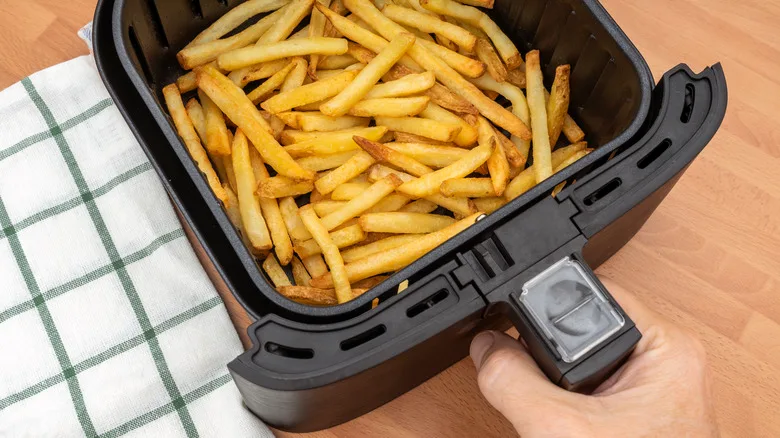
- Pull Out and Shake: For smaller items like fries or chicken wings, simply pull out the basket and give it a good shake.
- Flip Larger Items: For larger items like chicken breasts or fish fillets, use tongs to carefully flip them over.
- Visual Cues: As you get more comfortable, you’ll learn to recognize visual cues for doneness. Look for golden-brown exteriors and ensure the food is cooked through to a safe internal temperature, especially for meats.
Air Fryer Mistakes That Ruin Your Food
Even with the best intentions, a few common missteps can turn your air fryer meal from delicious to disappointing. Understanding these pitfalls is half the battle in mastering your appliance.
Overcrowding is the #1 Enemy
This is the most frequent error. When you cram too much food into the air fryer basket, you're essentially steaming your food instead of frying it. The hot air can’t circulate properly, leading to a disappointing lack of crispiness.
- The "Too Much" Test: If food is piled high, touching on multiple sides, or you can’t easily see the bottom of the basket, it's too much.
- Batch Cooking: For larger families or bigger appetites, commit to cooking in multiple smaller batches. It takes a little longer overall but guarantees superior texture. Manufacturer specifications for capacity, often listed in quarts (e.g., a 5.8-quart basket), are a good guideline, but remember real-world cooking needs more space than just fitting the food in.
Forgetting to Preheat
While not strictly necessary for all foods or all air fryers, preheating often leads to better results. Manufacturers like Philips, a prominent air fryer producer, often recommend preheating their units for 3-5 minutes. This ensures the cooking chamber is already at the desired temperature when the food goes in, promoting quicker cooking and a crispier exterior right from the start.
Skipping this can mean longer cook times and less effective crisping.
The Wrong Cut or Size
The way you cut your food matters significantly. For example, if you’re making homemade fries, cutting them into uniform, medium-thickness sticks will yield better results than very thick-cut wedges or super-thin shoestrings, as they cook through more evenly. Similarly, if you’re air frying vegetables, cutting them into similar-sized pieces ensures they all finish cooking at the same time.
Very small pieces can burn quickly, while very large pieces might not cook through before the outside gets too dark.
Key Air Fryer Features to Understand
Getting to know your air fryer’s specific features will help you use it more effectively and avoid guesswork. While models vary, most share core functionalities you should be aware of.
Capacity and Wattage: What They Mean for You
- Capacity: This is usually measured in quarts (qt) or liters (L) and tells you how much food the basket can hold. A typical family might need a 5-quart or larger model, while a single person might be fine with a 2-quart unit. A 5-quart air fryer can typically cook enough fries for 2-3 people.
- Wattage: This indicates the power consumption and directly relates to how quickly the air fryer heats up and how efficiently it cooks. Most home air fryers range from 1200 to 1800 watts. Higher wattage generally means faster cooking and better performance, though it will use more electricity.
Controls: Dials vs. Digital Displays
- Dials: Older or more basic models often use simple temperature and timer dials. These are intuitive but can sometimes be less precise than digital controls.
- Digital Displays: Many modern air fryers feature digital touchscreens with pre-set cooking programs for common foods (like fries, chicken, or fish). These offer more precise temperature and time control and can be easier to clean. Some even offer smart features like Wi-Fi connectivity for app control.
What Can You Cook in an Air Fryer?
Your air fryer isn't just for French fries and chicken wings, though it excels at those! Its versatility means you can tackle a surprisingly wide range of dishes, making it a real workhorse in the kitchen.
Beyond Fries: Unexpected Use Cases
- Roasted Vegetables: Broccoli, Brussels sprouts, bell peppers, and onions all roast beautifully in an air fryer, getting tender on the inside and nicely charred on the outside in a fraction of the time it takes in a conventional oven.
- Baked Goods: Small batches of cookies, muffins, or even mini cakes can be prepared. You might need to use smaller baking pans that fit inside the basket.
- Fish Fillets: Delicate fish like salmon or cod cook quickly and retain their moisture, developing a light crisp on the skin if desired.
- Frozen Appetizers: From spring rolls to mozzarella sticks, frozen pre-made items get exceptionally crispy.
Reheating Leftovers
This is where an air fryer truly shines and often outperforms a microwave. Instead of soggy pizza crusts or limp fries, an air fryer can restore their original crispness. For pizza slices, aim for around 350°F (175°C) for 3-5 minutes.
Leftover fried foods can often be reheated at similar temperatures for slightly longer to revive their crunch. It's a game-changer for making yesterday's meal taste almost as good as fresh. For those needing compact kitchen solutions, you might find a smaller air fryer fits perfectly alongside other appliances, much like you would consider 7 Best Compact Dishwasher options for a small kitchen.
Keeping Your Air Fryer Clean and Ready
A clean air fryer cooks better and lasts longer. The good news is that most cleaning tasks are quite simple and can be done regularly to prevent buildup.
- Basket and Drawer: After each use, once the appliance has cooled down, remove the basket and drawer. Wash them with warm, soapy water and a non-abrasive sponge. Many models have dishwasher-safe baskets and drawers, so check your manual.
- Interior: Wipe down the interior of the air fryer unit with a damp cloth. Be careful not to get the heating element or fan wet.
- Exterior: The outside can be wiped down with a damp cloth.
Regular cleaning prevents grease and food particles from accumulating, which can cause smoke and affect the performance and flavor of your food. Persistent buildup might require a specialized appliance cleaner, but for daily use, soap and water usually suffice.
Essential Air Fryer Accessories and When to Use Them
While your air fryer works perfectly on its own, a few accessories can expand its capabilities.
- Silicone Liners: These are great for preventing food from sticking and making cleanup even easier, especially for very moist or sticky foods. They also protect the basket's non-stick coating. However, ensure they don't completely block airflow, as this can affect crispiness.
- Baking Pans/Muffin Cups: Small, oven-safe baking pans or silicone muffin cups can be placed inside the basket for baking. This is ideal for small cakes, quiches, or individual portions.
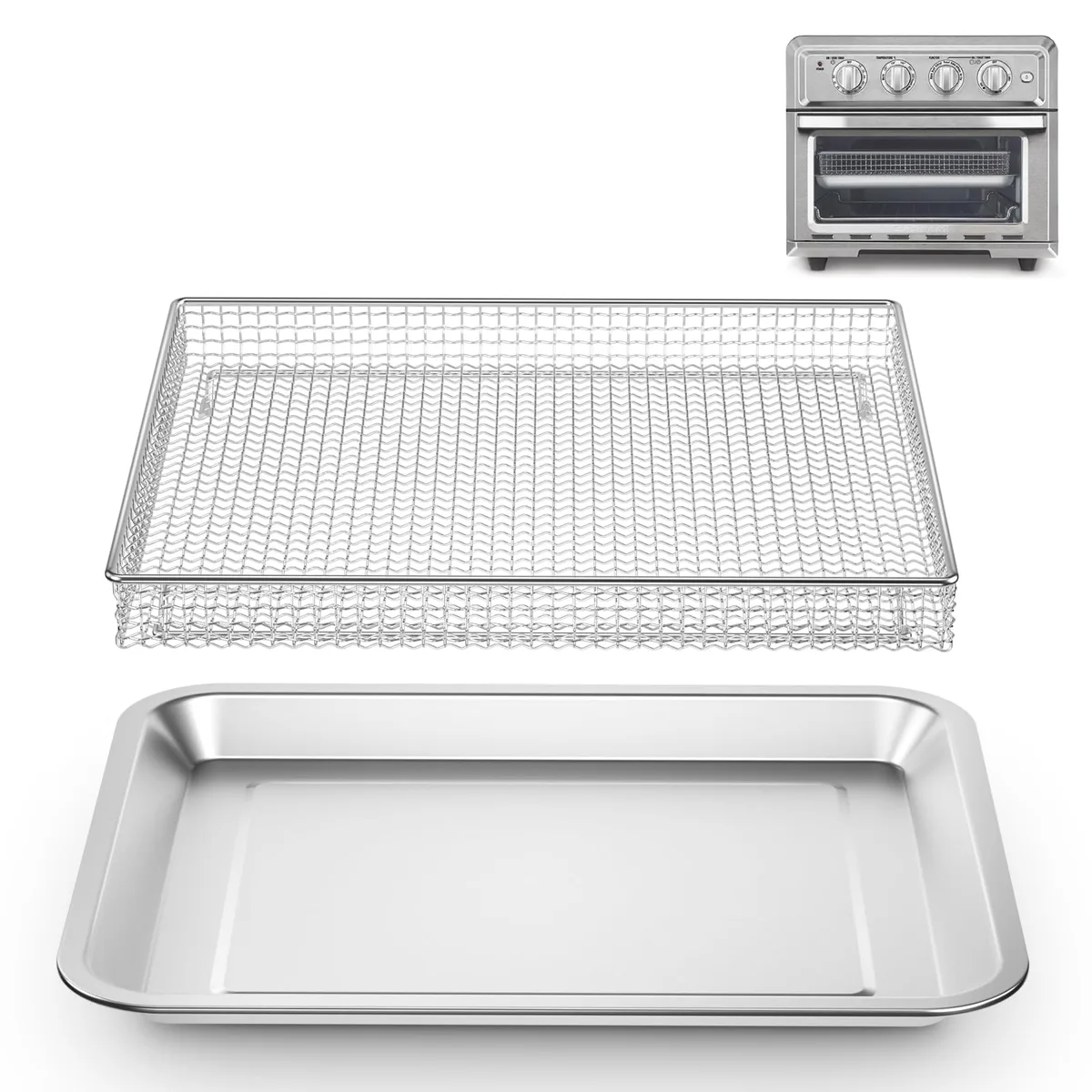
- Racks: Some accessories include racks that allow you to stack food, increasing the cooking capacity. Use these only if your model is designed to accommodate them and ensure there's still ample space for air circulation.
Using these accessories can be a great way to diversify your air fryer cooking, from making small desserts to cooking two different items at once.
The Difference Between Air Fryer Ovens and Basket Models
While all air fryers use convection to cook, they come in two main forms: basket models and oven-style units. Understanding the difference helps you pick the right one for your needs and use it most effectively. Basket models are the most common, featuring a pull-out drawer with a basket.
They're great for smaller batches and excel at making things crispy. Oven-style air fryers look more like a toaster oven, with multiple racks and a door. These are better for larger quantities and offer more versatility, allowing you to bake, toast, and roast simultaneously.
Basket models typically have a capacity between 2 to 7 quarts. A 5.8-quart unit is often sufficient for a family of four. Oven models, on the other hand, can have capacities ranging from 10 to 30 quarts or more, allowing you to cook a whole chicken or a small pizza.
The choice between them impacts how much food you can cook at once and the types of dishes you can prepare. For those needing compact kitchen solutions, exploring 7 Best Compact Dishwasher options can complement a smaller air fryer.
Air Fryer Temperature Settings: What to Know
Getting the temperature right is crucial for successful air frying. While most recipes provide specific degrees, understanding the general range and how it affects your food is key. Most air fryers operate between 150°F (65°C) and 400°F (200°C).
Lower temperatures are generally used for dehydrating or warming foods, while higher temperatures are for crisping and cooking.
- Lower Temps (150-250°F / 65-120°C): Use these for dehydrating fruits or making jerky. You can also gently warm up leftovers that you don’t want to overcook.
- Medium Temps (250-350°F / 120-175°C): Good for baking softer items, like some muffins or cakes, and for cooking certain vegetables that benefit from slower cooking.
- High Temps (350-400°F / 175-200°C): This is the sweet spot for most "fried" foods like French fries, chicken wings, and crispy vegetables. It promotes rapid browning and texture development.
Remember, as of 2026, appliance thermostats can vary slightly. It's always wise to use an oven thermometer for a few cooks to verify your air fryer's accuracy.
Cooking Times: How Long for Different Foods
Air frying is known for its speed, but exact cooking times vary based on the food type, its size, and your specific air fryer model. A good rule of thumb is that air fryer cooking times are often about 20% shorter than conventional oven times.
Here’s a general guide:
| Food Type | Typical Temperature (°F / °C) | Typical Time (Minutes) | Notes |
|---|---|---|---|
| French Fries (Frozen) | 400°F / 200°C | 15-20 | Shake halfway through. |
| Chicken Wings | 400°F / 200°C | 20-25 | Flip halfway through. |
| Chicken Breast | 375°F / 190°C | 18-22 | Flip halfway. Ensure internal temp reaches 165°F. |
| Salmon Fillet | 400°F / 200°C | 10-14 | Skin side down first. |
| Broccoli Florets | 375°F / 190°C | 8-12 | Toss with oil and seasoning. Shake halfway. |
| Bacon | 375°F / 190°C | 8-12 | Lay in a single layer; may need to cook in batches. |
Always check food for doneness, especially meats, using a food thermometer. It’s better to add a few extra minutes than to undercook.
When to Use Oil (And How Much)
You don't need a gallon of oil like with deep frying, but a little bit can go a long way in an air fryer. Oil helps foods develop that golden-brown color and pleasant crispiness. It also prevents sticking.
- A Little Goes a Long Way: For most foods, a teaspoon or two of oil, or a light spritz from an oil sprayer, is sufficient. This translates to significantly less fat and calories compared to deep frying.
- Best Oils to Use: Choose oils with a high smoke point. Good options include avocado oil, canola oil, grapeseed oil, and refined olive oil.
- Avoid Aerosol Sprays: Do not use commercial aerosol cooking sprays. The propellants in these sprays can damage the non-stick coating of your air fryer basket over time. Instead, opt for a refillable oil sprayer.
Using oil is particularly helpful for foods that are naturally drier or when you're cooking from scratch. For pre-seasoned or pre-marinated items, you might not need any added oil at all.
Air Fryer vs. Oven: When to Choose Which
Deciding whether to use your air fryer or your conventional oven depends on what you're cooking and how much of it you're making. While they both use heat to cook, their strengths lie in different areas.
Choose the Air Fryer for:
- Crispiness: If your primary goal is a super crispy exterior (think fries, wings, onion rings).
- Small Batches: Cooking for one or two people, or just a few servings of a side dish.
- Speed: When you need food cooked quickly.
- Reheating: Reviving leftovers like pizza or fried chicken.
- Energy Efficiency: For small tasks, it uses less energy than heating up a large oven.
Choose the Oven for:
- Large Quantities: Cooking for a crowd or preparing multiple dishes at once.
- Delicate Baking: For items like cakes, soufflés, or delicate pastries where precise, even heat without direct fan force is crucial.
- Roasting Large Items: Whole chickens, large roasts, or big trays of vegetables might fit better and cook more evenly in a larger oven cavity.
- Uniform Cooking: When you need perfectly even cooking across a large surface, like a big sheet pan of cookies.
For instance, if you're making a big batch of roasted vegetables for a family dinner, your oven might be more efficient. But if you just want a quick side of crispy Brussels sprouts for two, the air fryer is your go-to. For appliances that can handle multiple tasks, consider 7 Best Refrigerator for Family options if you need a large-capacity unit for your meal prep.
Frequently Asked Questions About Air Fryer Use
How long should I preheat my air fryer?
Most manufacturers recommend preheating for 3 to 5 minutes at the cooking temperature before adding food. This ensures consistent heat distribution from the start.
Can I put parchment paper in my air fryer?
Yes, you can use parchment paper, but always place it under the food, ensuring it doesn't cover the air vents in the basket. This prevents the paper from being sucked into the heating element and causing a fire hazard.
How do I clean the heating element?
Never attempt to clean the heating element directly with water or cleaning solutions. If it becomes excessively greasy, allow the unit to cool completely and gently wipe it with a damp cloth if accessible. Passive cleaning from hot air circulation and regular basket cleaning usually prevents major issues.
Is it safe to use oil in an air fryer?
A small amount of oil, typically a teaspoon or a light spray, is often recommended to help achieve crispier textures and prevent sticking. However, avoid using large amounts of oil, as this defeats the purpose of air frying and can cause excessive smoke. Never use aerosol cooking sprays containing propellants, as they can damage the non-stick coating.
Can I use my air fryer to cook raw meat?
Absolutely. Air fryers are excellent for cooking raw meats like chicken, fish, and steak. Ensure you use the correct temperatures and cooking times, and always check the internal temperature with a food thermometer to ensure it's cooked to a safe level.
Chicken should reach an internal temperature of 165°F (74°C).