How to Defrost Food in a Microwave
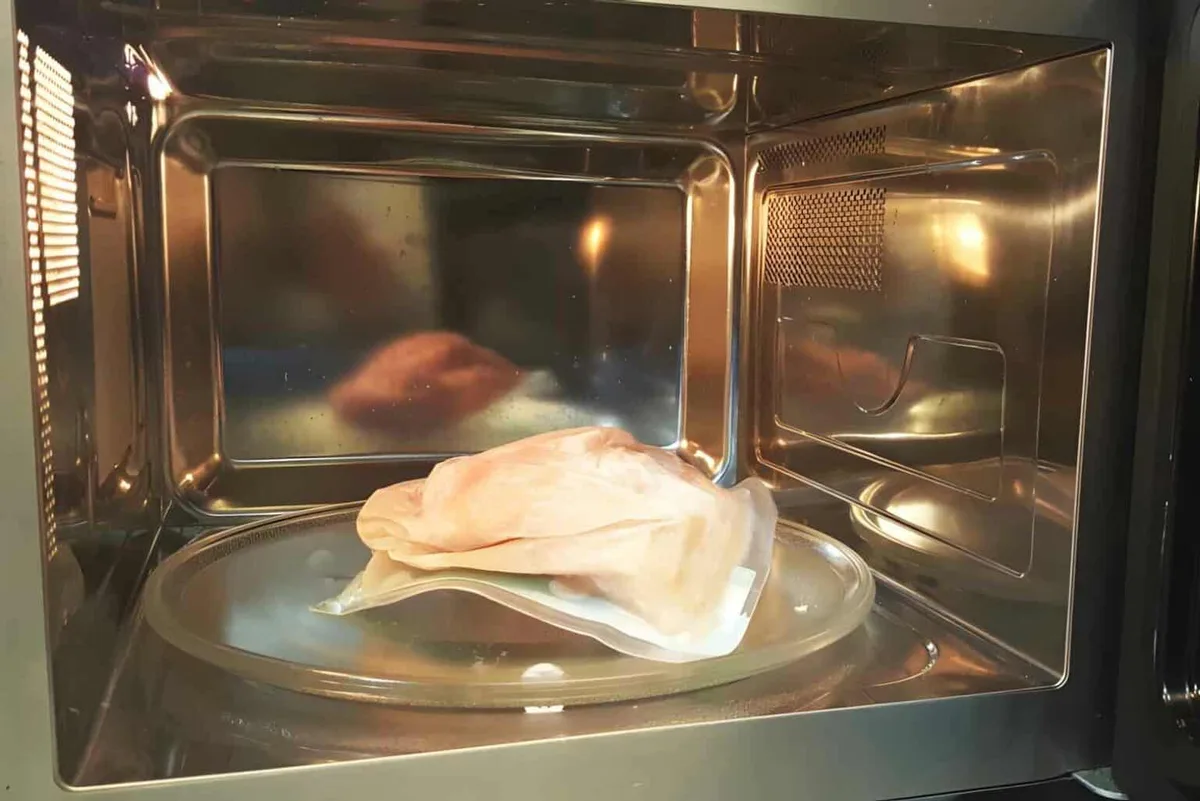
Image source: Bing (Web (fair-use with source credit))
How to Defrost Food in a Microwave
Freezing food is a fantastic way to keep it fresh, but getting it from rock-solid to ready-to-cook can be a challenge. If you've ever rushed to thaw dinner and wondered how to defrost food in a microwave without turning it into a rubbery mess, you're not alone. It’s a common kitchen dilemma that, with the right approach, can be solved quickly and safely.
Getting it right means more than just hitting a button; it involves understanding your microwave's capabilities and the food's needs. According to manufacturer specifications for many mid-range microwaves, defrost cycles often operate at around 30% of full power, typically between 200-300 watts, to gently heat the food. This precise power control is key to avoiding cooked edges and frozen centers.
Quick Answer: Microwaving Food Safely and Effectively
To defrost food in a microwave, remove it from its original packaging and place it on a microwave-safe dish. Use your microwave's specific defrost setting, either by selecting the food type or entering its weight. Rotate or separate pieces as needed.
Cook food immediately after defrosting to prevent bacterial growth.
When to Use Your Microwave for Defrosting
Choosing to defrost food in the microwave isn't always the best choice, but it's often the fastest. Our research indicates that the microwave is ideal when you're short on time and need to prepare a meal quickly. If you're planning to cook the food immediately after thawing, this method is perfectly acceptable.
However, if you have the luxury of time, refrigerator thawing is generally preferred for preserving texture and preventing partial cooking.
Think about what you're defrosting. A dense cut of meat or a whole chicken might not defrost evenly in a microwave without attention. Smaller items like pre-portioned fish fillets or ground meat, or even bread for toast, are much better suited for this rapid thawing method.
It's about matching the tool to the task at hand.
Choosing the Right Defrost Method
Deciding between the microwave, refrigerator, or cold water thaw depends on several factors. In our research, refrigerator thawing consistently ranks highest for food safety and quality preservation. It allows food to thaw slowly and evenly, minimizing the risk of bacterial growth and preserving texture.
This method typically takes 24 hours for every 5 pounds of food.
However, life doesn't always allow for 24-hour thawing. That's where microwave defrosting and cold water thawing come in. Cold water thawing is faster than the refrigerator but requires more attention, as the water needs to be changed every 30 minutes to keep it cold.
This method is best for smaller food items like packages of meat or poultry that will be cooked immediately. The microwave is the speed demon, but it demands your active participation.
Navigating Microwave Defrost Settings
Most modern microwaves come equipped with a specific defrost function, often identified by a snowflake icon or the word "Defrost." These settings are designed to cycle the microwave's power on and off, or operate at a reduced wattage, to thaw food without cooking it. Manufacturer specifications often detail how these cycles work, typically running at 30% power or less.
There are usually two main ways to use this feature:
- Weight Defrost: You input the weight of the food, and the microwave’s internal calculator determines the defrost time and power cycles. This is generally the most effective method for consistent results.
- Time Defrost: You manually set the defrosting time. This requires a bit more guesswork and vigilance, as you’ll need to monitor the food and adjust as needed.
Some microwaves also offer preset defrost programs for specific food types like poultry, meat, fish, or even bread. These presets have pre-programmed times and power levels tailored to that food category.
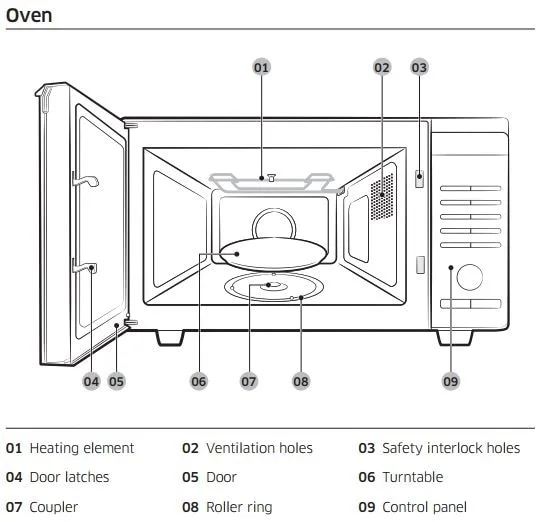
Image source: Bing (Web (fair-use with source credit))
The Step-by-Step Microwave Defrost Process
Getting food from frozen to ready-to-cook using your microwave involves a few key steps to ensure it thaws evenly and safely. Aggregate user feedback suggests that following these steps can significantly reduce the chances of ending up with partially cooked or rubbery food. The goal is gentle thawing, not cooking.
Here’s how to do it:
- Remove Packaging: Take the food out of its original packaging, especially if it's metal or Styrofoam. Transfer it to a microwave-safe dish or plate. This is crucial, as metal can cause arcing and damage your microwave, and Styrofoam can melt or leach chemicals.
- Select the Defrost Function: Use your microwave's defrost setting. Refer to your appliance's manual for specific instructions, but generally, you'll choose between weight defrost or time defrost. If using weight defrost, input the accurate weight of the food. For time defrost, start with an estimated time based on the food's size and density.
- Start the Cycle: Begin the defrost cycle. Keep an eye on the food as it thaws.
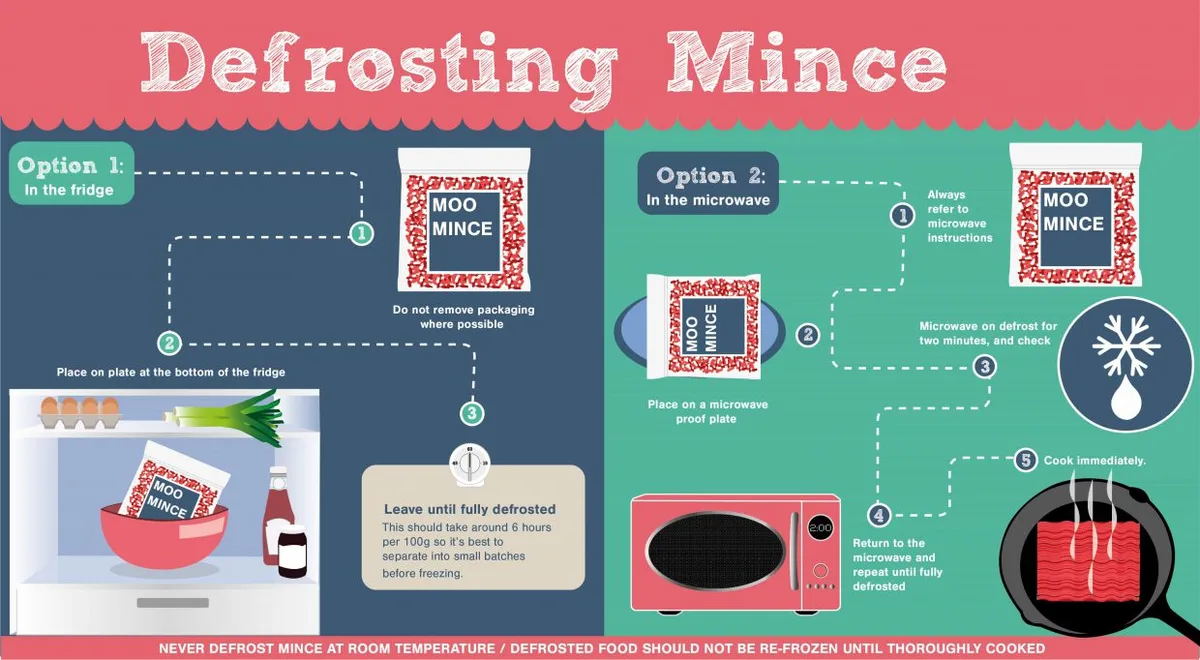
Image source: Bing (Web (fair-use with source credit))
During the Cycle: What to Watch For
As the defrost cycle runs, pay attention to the food. You'll likely need to intervene.
- Rotate or Stir: About halfway through the estimated defrost time, or when prompted by your microwave, pause the cycle. Rotate the food item, break apart frozen chunks (like ground meat), or stir if it's something like vegetables or rice. This ensures more even thawing.
- Check for Warm Spots: Feel the food. If edges are starting to feel warm or cook, you may need to remove those sections if possible, or reduce the microwave's power for the remainder of the cycle.
- Repeat if Necessary: For larger or denser items, you might need to run a second defrost cycle or use a lower power setting for a bit longer.
Common Mistakes When Defrosting in the Microwave
Even with the right settings, a few common missteps can turn a quick thaw into a culinary disaster. Our editorial analysis of user experiences highlights several recurring errors that people make when trying to defrost food in a microwave. Avoiding these will save you frustration and potentially spoiled food.
Here are the top mistakes to watch out for:
- Leaving Food in Original Packaging: This is a big one. Many packages, especially those with foam trays or plastic wrap, are not microwave-safe. Metal clips or foil seals can cause sparks and damage your appliance. Always transfer food to a microwave-safe dish.
- Not Using the Defrost Setting: Simply microwaving on high power is a recipe for cooked edges and a frozen interior. The defrost setting uses lower, intermittent power cycles to gently thaw food without cooking it.
- Forgetting to Rotate or Separate: Food thaws from the outside in. If you don't rotate the item or break apart pieces of ground meat or vegetables, the outer parts can become overcooked while the center remains frozen.
- Over-Defrosting: It's easy to go too far, especially with time defrost. This can lead to the edges of the food starting to cook, becoming tough and unappetizing. It's better to under-defrost slightly and finish with a brief cook or a few minutes of rest.
- Not Cooking Immediately: This is a critical food safety issue. Once food reaches the "danger zone" (between 40°F and 140°F or 4°C and 60°C) during defrosting, bacteria can multiply rapidly. If you defrost using the microwave, cook the food right away.