How to Clean Air Fryer Heating Element
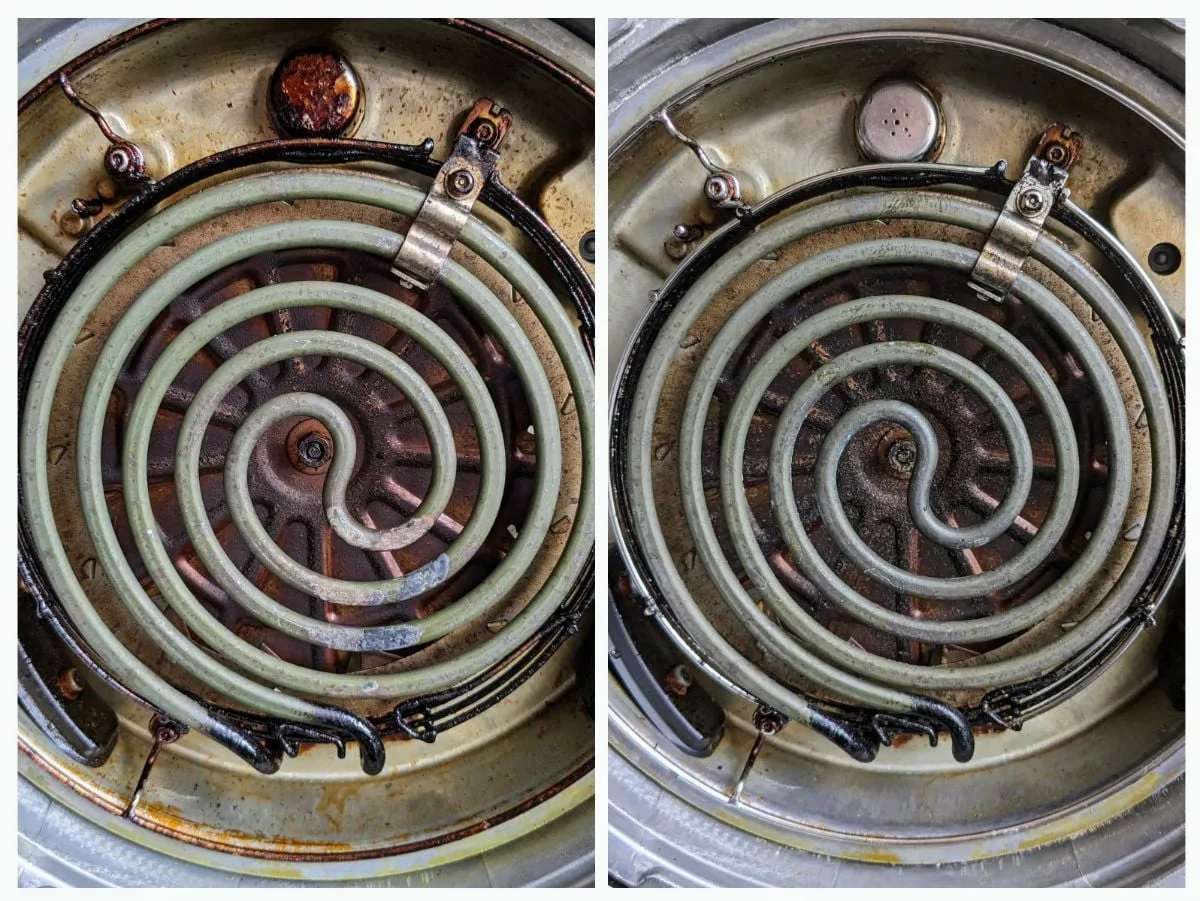
Image source: Bing (Web (fair-use with source credit))
So, you're wondering how to clean air fryer heating element? It's a part most of us tend to forget, but keeping it free of grease and food debris is key to making sure your air fryer cooks efficiently and smells fresh for every meal. Ignoring this part can lead to smoke, weird smells, and even impact how well your food cooks.
Manufacturer specifications for most air fryer models, released as of 2026, emphasize regular cleaning of all components to maintain optimal performance. Failing to address the heating element specifically can lead to premature wear and reduce its overall lifespan. Let's break down how to get it clean and keep your appliance in top shape.
Quick Answer
To clean your air fryer heating element, unplug it and ensure it's cool. Gently wipe the element with a damp cloth dipped in mild soapy water, using a soft brush or cotton swab for stubborn spots. Rinse with a plain damp cloth and dry completely before using.
Never spray water directly on the element or immerse any part of the appliance.
Why Bother Cleaning Your Air Fryer's Heating Element?
It’s easy to get caught up in cleaning the basket and the main interior of your air fryer, but that heating element tucked away at the top often gets overlooked. However, this critical component can accumulate grease splatters and food particles over time, just like the rest of the appliance. When these bits get heated repeatedly, they can burn, leading to smoke, unpleasant odors that transfer to your food, and a less efficient cooking process.
Regular cleaning ensures your air fryer performs at its best and prevents potential fire hazards from burnt-on grease.
Locating That Tricky Heating Element
Where to Look in Your Air Fryer
The heating element is typically situated at the very top of your air fryer's cooking chamber. It often looks like a coil or a metal bar that glows red when the appliance is in use. You might see it behind a protective grate or shield, designed to prevent direct contact with food but not necessarily to stop airborne grease.
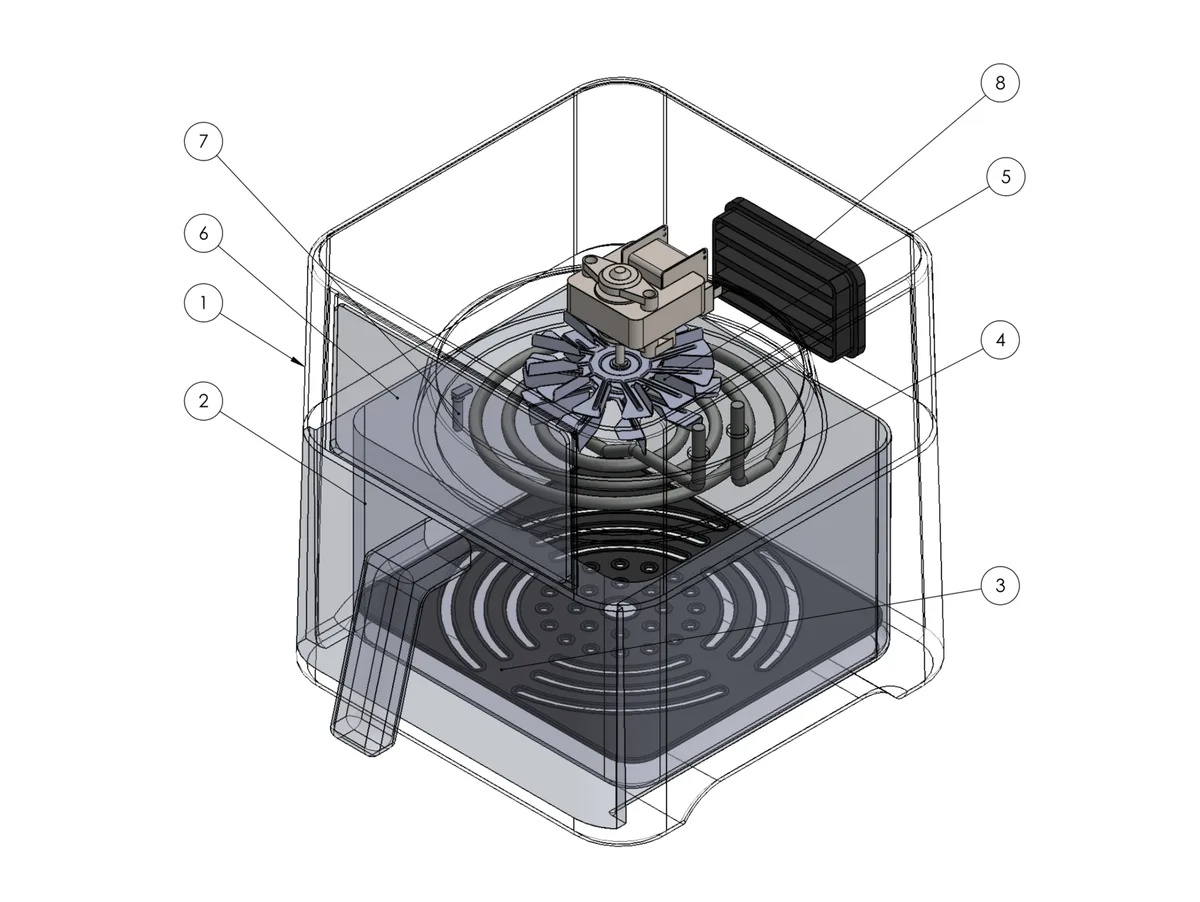
Image source: Bing (Web (fair-use with source credit))
When to Consult Your Manual
If you're having trouble pinpointing the exact location of your air fryer's heating element, or if it seems inaccessible, your user manual is your best friend. Different brands and models have unique designs. The manual will provide specific diagrams and instructions for your particular appliance, showing you how to safely access the heating element for cleaning, and if any parts need to be removed.
For instance, some models might have a removable shield that makes cleaning much easier.
Your Step-by-Step Guide to a Cleaner Heating Element
Safety First: Unplug and Cool Down
Before you even think about touching the heating element, the absolute first step is to unplug your air fryer from the wall socket. Electricity and water don't mix, and you don't want any nasty shocks. Also, make sure the appliance has had plenty of time to cool down completely after its last use.
A hot heating element can cause severe burns.
What You'll Need
Gathering your supplies beforehand makes the cleaning process smoother. You won't need anything fancy, just common household items.
- Soft, damp cloth (microfiber is ideal)
- Soft brush (like a pastry brush or a soft toothbrush)
- Mild dish soap
- Warm water
- Cotton swabs (for tight spots)
Gentle Cleaning Techniques
Now for the actual cleaning. The key here is gentleness. You don't want to scratch, bend, or otherwise damage the heating element.
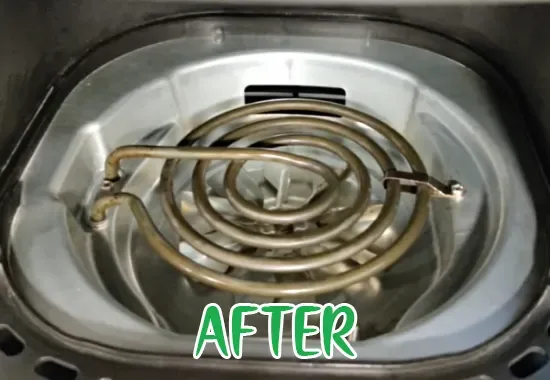
Image source: Bing (Web (fair-use with source credit))
- Dampen Your Cloth: Dip your soft cloth into warm water with a very small amount of mild dish soap. Wring it out thoroughly so it's barely damp, not dripping wet.
- Wipe the Element: Gently wipe the surface of the heating element. Use a light touch to lift away any loose grease or food particles.
- Target Stubborn Bits: For any spots that seem stuck on, use your soft brush or a cotton swab lightly moistened with soapy water. Gently agitate the area to loosen the debris. Be careful not to apply too much pressure.
Rinsing and Drying Properly
After you've gently cleaned the element, it's crucial to remove any soap residue and ensure it's completely dry.
- Rinse: Take a separate, clean cloth, dampen it with plain warm water, and wring it out well. Wipe down the heating element again to remove any lingering soap.
- Dry Thoroughly: Use a dry, clean cloth to gently pat and wipe the heating element until it's as dry as possible. It's also a good idea to leave the air fryer with the door or basket open to air dry completely for at least an hour, or even longer, to be absolutely sure no moisture remains. This prevents any potential issues when you next turn it on.
Tackling Stubborn Grease and Grime
Sometimes, despite your best efforts with a damp cloth, you'll find baked-on grease or particularly stubborn food residue clinging to the heating element. These tougher spots require a slightly different approach, but always remember to prioritize gentleness to avoid damaging the element. If you've tried the basic wiping and it's not budging, don't resort to harsh scrubbing just yet.
Using a Baking Soda Paste
A great natural cleaner for baked-on messes is a paste made from baking soda and water. Mix about a tablespoon of baking soda with just enough water to create a thick paste, think toothpaste consistency. Apply this paste carefully to the stubborn spots on the heating element using a cotton swab or a small, soft brush.
Let the paste sit for 5 to 10 minutes to help break down the grease.
After it has had time to work, gently wipe away the paste with a damp cloth. You might need to use your soft brush again to help lift the loosened grime. Once all the paste and residue are removed, follow up with a clean, damp cloth to rinse, and then ensure the area is thoroughly dried, just as you would after a regular cleaning.
The Importance of Patience and Gentle Methods
It’s tempting to want to scrub away tough grime quickly, but for an air fryer's heating element, patience is a virtue. Aggressive scrubbing can scratch the surface, potentially leading to rust or further buildup in the future. It can also damage the delicate metal or coil.
If a gentle wiping or the baking soda paste doesn’t fully remove a spot on the first try, don't despair. It’s often better to repeat the gentle cleaning process a couple of times rather than risk damaging the component. Over time, with regular gentle maintenance, these tough spots become less frequent.
Key Mistakes to Avoid When Cleaning
Cleaning your air fryer's heating element is straightforward, but there are a few common missteps that can cause damage or create new problems. Being aware of these can save you a lot of hassle and keep your appliance working reliably. The biggest risks involve moisture and abrasive cleaning methods.
Never Submerge or Spray Water Directly
This is the golden rule for any electrical appliance: never submerge any part of it in water, and avoid spraying water directly onto electrical components, especially the heating element. Your air fryer has electrical parts that will be ruined by excessive moisture, and it creates a serious safety hazard. Always use a damp, well-wrung-out cloth for cleaning any internal surfaces, including the heating element.
Don't Use Abrasive Cleaners or Tools
Harsh chemicals, abrasive scrub pads, steel wool, or even stiff brushes can scratch the surface of the heating element or its protective casing. These scratches can not only make the element look unsightly but can also create rough spots where food particles and grease can adhere more easily in the future. Stick to soft cloths, soft brushes, and mild dish soap or a baking soda paste.
Be Gentle with the Element Itself
The heating element, whether it’s a coil or a metal bar, can be quite delicate. While it's designed to withstand high heat, it’s not built for forceful physical manipulation. Avoid bending it, poking it aggressively, or trying to pry off burnt-on food with sharp objects.
Stick to gentle wiping and light brushing. If something is severely baked on, it might be a sign to clean it more frequently rather than attempting to scrape it off forcefully.
Expert Tips for Air Fryer Heating Element Maintenance
Keeping your air fryer's heating element in good shape isn't a one-time job. Regular, simple maintenance can prevent major build-up and keep your appliance running smoothly. Think of it like routine upkeep for any kitchen gadget you rely on.
For example, just as keeping the correct fluid level is important before each season for lawn equipment, a quick wipe-down of the heating element after a few uses can prevent tougher cleaning later.
Our research indicates that most manufacturers recommend a quick check of the heating element after every 5-10 uses, depending on what you're cooking. If you’re frequently making greasy foods like bacon or wings, you'll want to check it more often. This quick inspection can catch minor splatters before they become a problem.
Regular Check-ups Between Deeper Cleans
After cooking, and once the air fryer has cooled down, take a moment to look up at the heating element. You don't need to do a full clean every time, but a quick visual check is very beneficial. If you see a few small splatters, grab a dry or very slightly damp cloth and give it a gentle wipe.
This simple action prevents grease from hardening and becoming difficult to remove later.
How Often Should You Clean It?
The frequency of deep cleaning your air fryer heating element really depends on how often you use it and what types of food you cook. If you use your air fryer daily for a variety of meals, a thorough cleaning of the heating element once a month is a good baseline. If you use it just a few times a week, every two to three months might be sufficient.
Always check your user manual for specific recommendations for your model.
Frequently Asked Questions About Air Fryer Heating Elements
Can I use oven cleaner on the heating element?
No, you should never use oven cleaner on your air fryer's heating element. Oven cleaners are typically very harsh chemicals designed for specific oven materials and can damage the heating element's finish, potentially leading to corrosion or performance issues. They can also leave behind toxic residues.
Stick to mild dish soap and water for safe and effective cleaning.
How do I know if my heating element is damaged?
If your air fryer is no longer heating up properly, is making unusual noises, or if you see visible cracks or significant corrosion on the heating element, it might be damaged. Another sign is if food is cooking unevenly or taking much longer than usual. If you suspect damage, consult your air fryer's manual or contact the manufacturer for service or replacement options.
What if I can't reach the heating element easily?
Many air fryer models are designed with a protective shield over the heating element to make cleaning easier. Check your user manual to see if this shield is removable. If it is, carefully detach it (ensure the unit is unplugged and cool!).
If there's no removable shield and you still can't reach, use a cotton swab or a small, flexible brush dipped in cleaning solution. Persistence with gentle methods is key if direct access is limited.
Is it normal for the heating element to look a bit discolored?
A slight discoloration on the heating element, especially a whitish or slightly golden hue, can be normal over time due to the intense heat it endures during cooking. However, if you see significant blackening, charring, or a rusty appearance, that indicates burnt-on food or potential corrosion, and it should be cleaned gently. Persistent discoloration that doesn't come off with cleaning might point to an issue with the element itself.