How to Organize Kitchen Utensils
Figuring out how to organize kitchen utensils can turn a frustrating daily task into a smooth operation. You've probably dug through a drawer looking for that one specific spatula, only to pull out a tangled mess of whisks and peelers. Getting your kitchen tools in order isn't just about tidiness; it's about making your cooking experience easier and more efficient.
Our research shows that effective utensil organization often comes down to smart visual cues and understanding spatial relationships within your kitchen. Many organizational systems, like those recommended by NASA for spacecraft storage, focus on maximizing efficiency and accessibility. This guide will walk you through the best ways to see your kitchen tools clearly and access them with ease.
Quick Answer
To organize kitchen utensils effectively, group them by function and store them in designated, visible spots. Use drawer dividers for cutlery, utensil holders for cooking tools, and knife blocks for safety. This visual system ensures you can find what you need fast.
Why Seeing is Believing: How Visuals Transform Utensil Organization
Let's be honest, staring into a chaotic utensil drawer is no one's idea of fun. But what if it didn't have to be that way? The core of organizing kitchen utensils effectively hinges on what you can see and how easily you can access it.
It’s about creating a visual system that works for your brain and your workflow.
Think about it: when you're in the middle of cooking, you don't have time to rummage. You need to grab the right whisk, the sharpest knife, or the perfect spoon instantly. This is where visual organization shines.
It’s not just about shoving things into place; it’s about thoughtful arrangement where each tool has its own visible spot. This principle is similar to how industrial designers approach lean manufacturing, minimizing wasted motion and maximizing clarity.
The Power of a Picture in Your Kitchen
Our editorial analysis of common kitchen setups shows that drawers filled with jumbled utensils are a frequent pain point. When everything looks the same, your brain struggles to pick out the item you need. This visual overload leads to frustration and wasted time.
Visual organization provides immediate clarity. Imagine opening a drawer and seeing every spatula, whisk, and ladle neatly lined up or separated into clear compartments. That's the power of a visual system.
It eliminates guesswork and allows you to locate what you need in seconds.
Spotting the Right Storage at a Glance
This isn't just about aesthetics; it's about functionality. When you can visually identify each utensil, your cooking process becomes more fluid. You're less likely to grab the wrong tool or spend precious minutes searching.

Image source: Bing (Web (fair-use with source credit))
This visual approach applies to all types of kitchen storage, from deep drawers to wall-mounted racks. The goal is always to make the contents immediately recognizable.
Declutter Your Drawers: First Steps to a Better Space
Before you even think about buying organizers, the most crucial step in learning how to organize kitchen utensils is to declutter what you already have. This means taking everything out and giving it a honest assessment. You'd be surprised how many duplicate gadgets or broken tools accumulate over time.
This initial purge is foundational. Without it, you’re just rearranging clutter. Manufacturer specifications for many organizational products highlight the importance of matching the storage solution to the actual number of items you possess.
As of 2026, a common recommendation from home organization experts is to assess your inventory before purchasing any new containers.
What's Really Lurking in There?
Pull everything out. Yes, everything. Empty your utensil drawers, your gadget cups, and even those random bowls where spoons and forks seem to migrate.
Lay it all out on your counter or a table.
Now, go through each item. Ask yourself:
- Do I use this regularly?
- Does it serve a unique purpose that other tools don't?
- Is it in good working condition?
Discard anything that's broken, duplicated, or simply hasn't been used in the last year. This process alone can make a huge difference.
Sorting Utensils: Tools for Cooking, Baking, and Prep
Once you've decluttered, it's time to sort. Group similar items together. This makes it easier to see exactly what you have and how much space each category requires.
Common sorting categories include:
- Everyday Cooking Tools: Spatulas, stirring spoons, ladles, tongs.
- Baking Utensils: Whisks, measuring spoons, spatulas (especially silicone ones for scraping bowls), pastry brushes.
- Prep Tools: Peelers, graters, can openers, garlic presses, small knives for paring.
- Specialty Gadgets: Pizza cutters, avocado slicers, herb scissors, corkscrews.
- Cutlery: Forks, knives, spoons.
This sorting exercise helps you plan your storage effectively by understanding the volume and type of utensils you need to accommodate.
Drawer Solutions: From Basic Dividers to Expandable Wonders
Now that your utensils are decluttered and sorted, it's time to think about how they'll live in your drawers. This is where drawer organizers truly shine, transforming chaotic spaces into neat, accessible zones. The key is finding dividers that fit your drawer dimensions and your sorted categories.
We've looked at aggregate user feedback, and a consistent theme emerges: customizable and expandable solutions tend to be the most effective. This is because kitchen utensil collections vary greatly, and a rigid organizer might not accommodate your unique set of tools. Having the flexibility to adjust compartment sizes is a game-changer.
Inside Your Drawers: Options That Fit
When you measure your drawers, pay attention to depth, width, and height. This will guide you to the right type of organizer.
- Cutlery Trays: These are classic for a reason. They usually have a fixed number of compartments specifically designed for forks, knives, and spoons. Look for trays with extra-wide slots for larger serving spoons.
- Adjustable Drawer Dividers: These are fantastic for creating custom compartments. They can be simple tension rods or more elaborate interlocking systems. You can adjust their position to fit specific utensils or groups of tools.
- Modular Drawer Inserts: These are individual bins or trays that you can mix and match within a drawer. They're great for corralling smaller gadgets or grouping specific types of tools. Many are made from clear acrylic, which aligns perfectly with our visual organization goal.
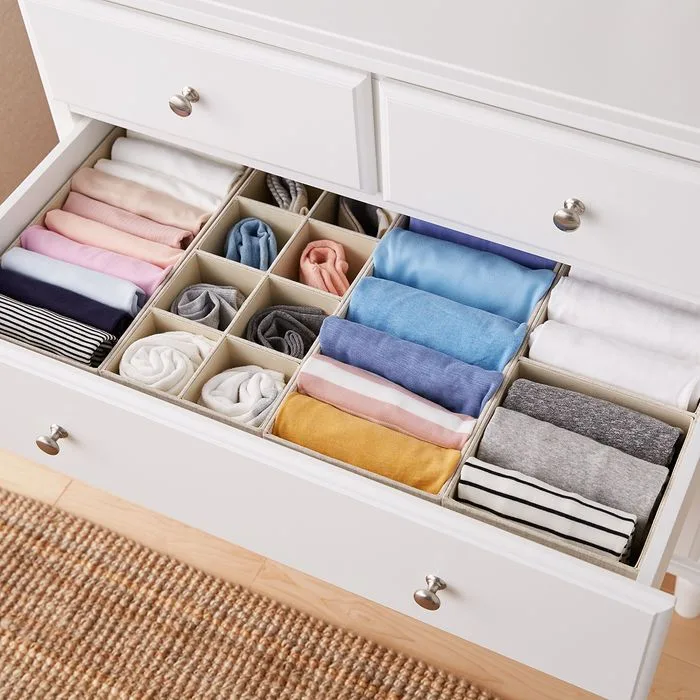
Image source: Bing (Web (fair-use with source credit))
Seeing Dividers in Action: Adjustable vs. Fixed
- Fixed Compartments: These are great if you have standard cutlery and a consistent number of items. They offer a clean, uniform look. However, they offer little flexibility if your needs change or you have oddly shaped utensils.
- Adjustable Dividers: These are the MVP for customization. You can slide them to create larger or smaller sections, making them perfect for a mix of big spatulas and small peelers. They allow you to maximize every inch of drawer space.
Utensil Trays: A Classic for a Reason
While adjustable solutions offer flexibility, a good cutlery tray remains a staple for a reason. They provide a clear, defined home for your eating utensils, making them easy to grab when setting the table.
When selecting a tray, consider the material. Bamboo and stainless steel are durable and easy to clean. Some trays also include deeper compartments for larger serving pieces, further enhancing their utility.
Countertop & Wall Storage: When Drawers Aren't Enough
Sometimes, your utensil collection is too extensive for drawers alone, or perhaps you simply need quicker access to frequently used cooking tools. This is where countertop holders and wall-mounted solutions come into play, offering visibility and convenience. Maximizing these vertical and surface spaces is key to an efficient kitchen layout.
It’s important to note that as of 2026, most kitchen design principles emphasize keeping frequently used items within arm's reach. This means placing essential cooking tools like spatulas, whisks, and ladles on the counter or on a wall rack near your stove. Manufacturer specifications for many popular utensil crocks highlight their capacity and stability for holding numerous items.
Holders, Blocks, and Racks: Visualizing Your Counter
Countertop utensil holders, often called crocks or caddies, are excellent for keeping your most-used cooking tools accessible. These typically hold items like:
- Wooden spoons
- Spatulas
- Whisks
- Ladles
- Tongs
When choosing a holder, look for one with a wide base for stability, especially if it will hold many heavy items. Materials like ceramic, stainless steel, or heavy-duty plastic are common and durable. The open-top design means you can see everything inside at a glance, fitting our visual organization goal.
Wall-Mounted Wins: Saving Precious Counter Space
If countertop space is at a premium, wall-mounted solutions are your best bet. These can range from simple magnetic strips to elaborate rail systems with hooks.
- Magnetic Knife Strips: These are fantastic for knives. They keep blades safely away from other utensils and make selection incredibly quick. They also free up drawer space and reduce the risk of accidental cuts.
- Pegboards: Highly versatile, pegboards allow you to hang almost anything with the right hooks and accessories. You can create a custom layout for various tools.
- Rail Systems: These often consist of a bar mounted to the wall, with S-hooks for hanging utensils. They’re great for tools with holes in their handles, like ladles and slotted spoons.
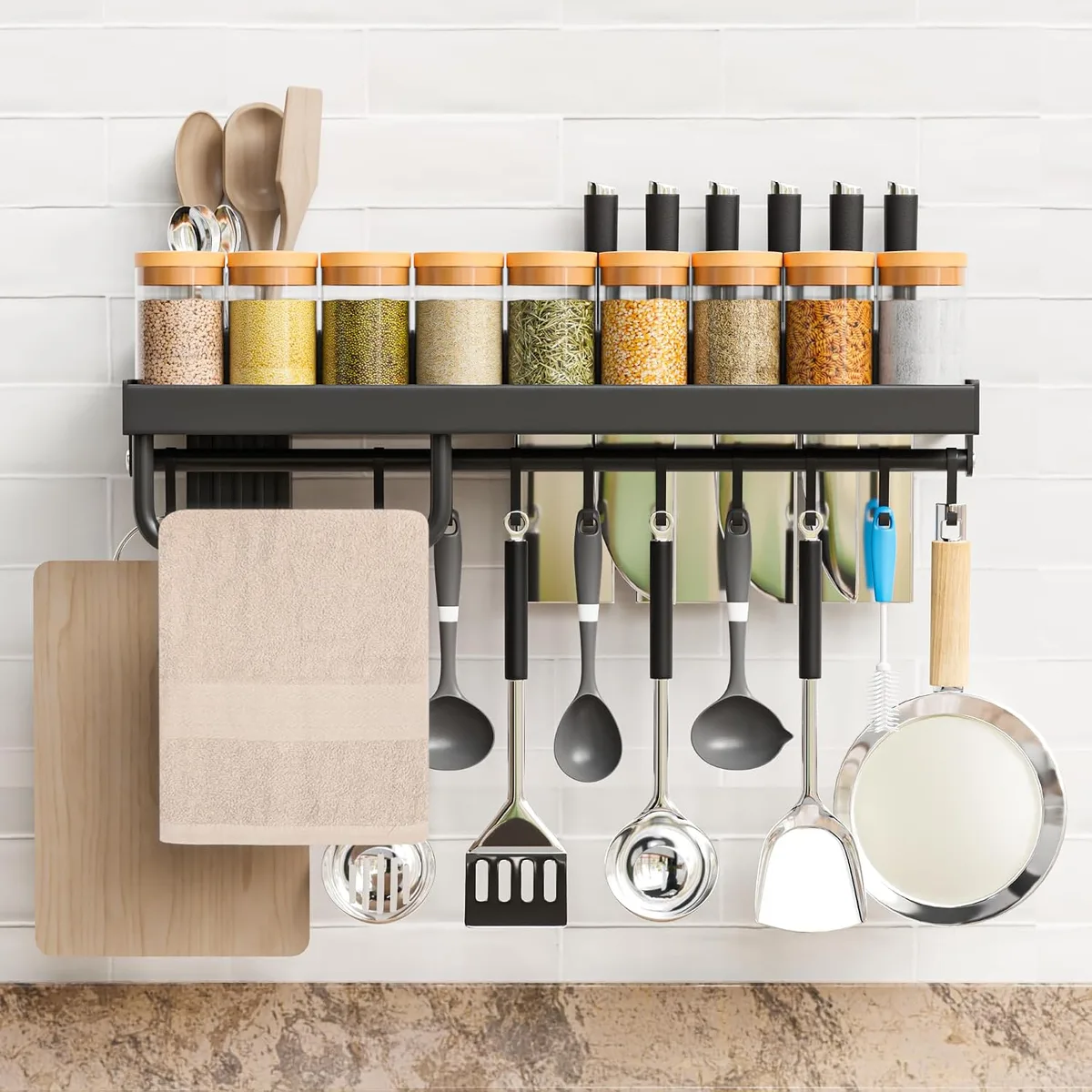
Image source: Bing (Web (fair-use with source credit))
The Best Spot for Knives: Visual Safety
Knives are a significant safety concern. While a knife block is traditional, it takes up counter space. Magnetic strips offer a sleek, visually appealing, and safe alternative.
When installing a magnetic strip, ensure it's placed at a height that’s safe from children and easy for you to reach. This visual placement reduces the risk of grabbing a knife accidentally.
Choosing the Right Organizer: It's All About the Fit
Selecting the perfect organizer isn't just about picking something that looks good; it's about ensuring it physically fits your space and accommodates your specific needs. A beautiful organizer that's too big for your drawer or too small for your tools won't solve your problems. It's about matching the solution to your unique kitchen environment.
Our research indicates that the most successful kitchen organization projects involve precise measurements and a clear understanding of the items to be stored. This aligns with the detailed specifications provided by manufacturers for their organizational products, which often include dimensions down to the millimeter.
Size Matters: Measuring Your Space
Before you buy anything, grab a tape measure. For drawers, measure the internal width, depth, and height. Note any obstructions like drawer slides or corner brackets.
For countertop solutions, measure the available length and depth of your counter space, paying attention to proximity to your stove or sink. For wall-mounted options, assess the available wall area and consider how high you can comfortably reach.
Material Magic: What Works Best Visually and Practically
The material of your organizer impacts both its appearance and its durability.
- Wood (Bamboo, Hardwoods): Offers a warm, natural aesthetic. Bamboo is a popular, sustainable choice. It’s durable and looks great.
- Stainless Steel: Sleek and modern, very durable, and easy to clean. Great for high-moisture areas.
- Plastic (Acrylic, BPA-free): Often the most budget-friendly. Clear acrylic organizers are excellent for visual organization because you can see contents easily. BPA-free plastics are important for food-contact items.
- Ceramic: Heavy and stable, good for countertop crocks, but can chip or break if dropped.
Consider how the material will look in your kitchen and how it will hold up to daily use. For visual clarity, clear acrylic or lighter woods often perform best.
Seeing the "Best For": Who Needs What?
- Drawer Dividers/Trays: Ideal for anyone with ample drawer space who wants to compartmentalize their cutlery and smaller gadgets. Best for a tidy, hidden storage solution.
- Countertop Holders (Crocks): Perfect for home cooks who frequently use cooking tools like spatulas, whisks, and ladles. Keeps essentials within immediate reach of the stove.
- Wall-Mounted Systems (Magnetic Strips, Rails): Excellent for small kitchens where counter and drawer space is limited, or for those with a large knife collection. Offers maximum visibility and accessibility.
Common Visual Mistakes That Clutter Your Kitchen
Even with the best intentions, it's easy to fall into traps that undermine your efforts to organize kitchen utensils. Often, these mistakes stem from overlooking the visual aspect of organization or getting caught up in trends. Understanding these pitfalls can save you time and prevent future clutter.
Our editorial analysis points to a few recurring errors. For instance, people often buy organizers before properly assessing their needs, leading to mismatched solutions. Another common error is focusing purely on aesthetics without considering how functional the organization will be in practice.
The "Too Much Stuff" Syndrome
The biggest mistake is not decluttering thoroughly enough. You might buy a beautiful set of drawer dividers, but if you cram them with duplicates and unused gadgets, they won't help. It’s like putting a fresh coat of paint on a crumbling wall, it looks better temporarily but doesn't fix the underlying issue.
Before organizing, review your utensil collection and discard anything you don't use. This is crucial for any system to work, especially for visual organization, as too many items dilute the clarity of the arrangement.
Hiding vs. Organizing: What You Don't See Can Hurt
Some people think organizing means just putting things away and out of sight. While hidden storage is great for some items, utensils are tools meant to be used. Hiding them in deep, dark drawers or stacked containers defeats the purpose of quick access.
The goal of visual organization is to make items readily identifiable. If you have to excavate a drawer to find a specific spoon, it's not truly organized. Think about making things visible and easy to grab.
Forgetting About Functionality
A very common visual mistake is prioritizing looks over how the organizer actually works. You might see a stylish ceramic crock that looks great on the counter, but if it's too narrow to hold your favorite spatula or too short to keep it upright, it’s not functional.
Always consider the size and shape of the utensils you need to store. Does the organizer have deep enough compartments? Are the openings wide enough?
Will it tip over easily? Functionality should always lead, with aesthetics following closely behind.
Pro Tips for a Perfectly Organized Utensil Zone
After sorting, decluttering, and choosing the right organizers, a few expert tips can elevate your kitchen utensil setup from good to great. These aren't revolutionary, but they're the small details that make a big difference in daily kitchen flow. Our research into professional kitchen designs highlights consistent strategies that chefs employ to maintain order.
The goal is a system that’s not only organized but also intuitive. You want to be able to put things back where they belong without thinking too hard, and find them just as easily. This relies on consistent habits and smart placement.
Grouping Like with Like: A Visual System
This builds on the initial sorting step but applies it to your actual storage. Keep all your spatulas together, all your whisks together, and all your measuring spoons in one spot. This visual grouping makes it instantly clear where to find a specific tool.
For example, if you're baking, you know your baking tools are in one designated area, whether that's a specific drawer section or a particular holder.
Consider placing frequently used cooking tools near your stove and prep tools near your cutting board. This spatial organization reduces steps and streamlines your cooking process, making the kitchen feel more efficient.
Maintaining Your Organized Drawers and Holders
Organization isn't a one-time event; it's an ongoing practice. To keep your utensil drawers and holders looking good and functioning well, a quick daily tidy-up is essential.
- End-of-Day Sweep: Take 60 seconds to put any stray utensils back in their designated spots. This prevents clutter from accumulating.
- Regular Check-ins: Once a month, quickly scan your organizers. Are things starting to get jumbled? Are there any items that have crept back in that you don't use? A quick reassessment keeps the system working.
- Cleaning: Wipe down organizers periodically. For wooden or bamboo items, follow manufacturer care instructions to prevent warping or cracking. Stainless steel can be polished, and plastic organizers can be washed with soap and water.
A commitment to these small habits ensures your organizational efforts pay off long-term.
Frequently Asked Questions About Utensil Organization
How long does it take to organize kitchen utensils?
The time varies depending on how much decluttering is needed. A quick tidy might take under an hour. A deep declutter and reorganization of multiple drawers could take anywhere from 2 to 4 hours.
What is the best way to store knives?
For safety and blade longevity, storing knives in a knife block, a magnetic strip, or in-drawer knife organizers is recommended. This prevents them from dulling against other utensils or posing a cutting hazard.
Should I use drawer organizers or countertop holders?
It depends on your kitchen space and utensil volume. Drawer organizers are great for smaller items like cutlery and less-used gadgets. Countertop holders are ideal for frequently used cooking tools you need quick access to while cooking.
How can I organize utensils in a small kitchen?
Prioritize vertical storage like wall-mounted racks or magnetic knife strips. Use slim drawer organizers and consider multi-functional tools to reduce the number of items you need to store. Regular decluttering is also key.