Espresso Machine Leaking
Your espresso machine has sprung a leak, and that's never a welcome sight when you're anticipating that perfect shot. Don't worry, though; most leaks are common and addressable without needing a professional technician. The key to fixing it is understanding where the water is coming from and when it appears during operation.
This guide will help you diagnose the issue based on common symptoms, drawing from manufacturer specifications and aggregate user feedback. By following these steps, you can get your machine back to brewing delicious espresso in no time.
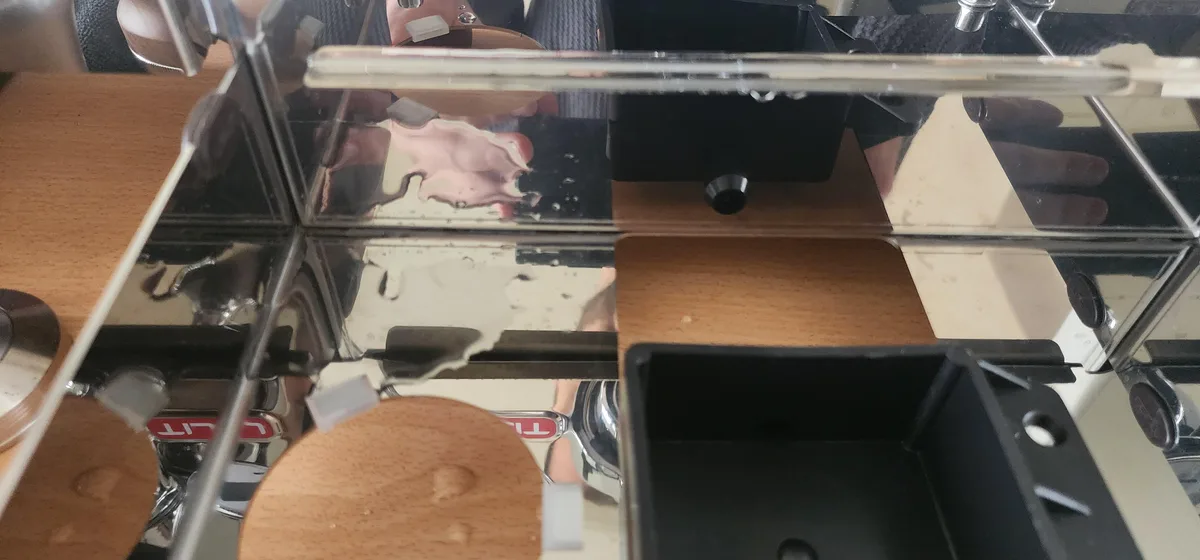
Image source: Bing (Web (fair-use with source credit))
Quick Answer
Espresso machine leaking typically results from a loose water reservoir seal, a worn group head gasket, or a clogged component. The most common fix involves checking the water tank's seating, cleaning the portafilter and group head, or replacing the group head gasket. Persistent leaks might signal internal plumbing issues requiring professional attention.
Where's the Drip Coming From? Pinpointing the Leak Source
To effectively troubleshoot your espresso machine leaking, the very first step is to figure out precisely where the water is showing up. This location is your biggest clue. Grab a good flashlight and watch your machine carefully during its next cycle, or even when it's just sitting with water in the tank.
Leak Underneath the Machine
If you're seeing water pooling directly on your countertop beneath the espresso machine, this often points to a problem with the internal water system or the water tank itself. It could be anything from a simple overflow to a more complex internal component failure.
Leak Around the Portafilter Area
This is one of the most frequent spots for leaks, especially noticeable during the brewing process. Water escaping around the portafilter, where you lock in your coffee grounds, usually indicates an issue with the seal. This could be related to your coffee preparation or the machine's components.
Leak from Steam Wand or Hot Water Spout
When water or steam is dripping from the steam wand or the hot water dispenser, it’s a sign that the valve controlling these functions isn't sealing properly. This can happen due to mineral buildup or wear and tear on the valve itself.
Leak from Top or Sides
Leaks from the top or sides of the machine are less common but can be more concerning. They often suggest a problem with internal tubing connections or potentially a crack in a housing component.
Common Causes for Your Leaky Espresso Machine
Understanding why your machine is leaking helps you fix it. Based on aggregate reviews, specific components are frequent culprits. Manufacturer specifications often highlight these as maintenance points.
Drip Tray Overflow & Reservoir Issues
A perpetually full drip tray is a simple sign to empty it more often, but a leak from under the machine related to the reservoir can be more complex. Sometimes, the water reservoir isn't seated correctly, or its gasket has worn out, allowing water to seep into the machine's base. Checking the seal where the water line connects from the reservoir is also crucial.
Portafilter Seal Problems: Grind, Tamp, and Gasket
When water escapes around the portafilter during brewing, it's often about the seal between the portafilter and the group head. This can stem from several factors. If your coffee grind is too coarse, water flows too quickly.
If it's too fine, it can cause blockages. An uneven tamp means water finds channels to bypass the coffee puck. Crucially, the group head gasket, a rubber seal around the brew group, can harden or crack over time, preventing a watertight seal.
This gasket is a standard wear-and-tear item, with many manufacturers recommending replacement every 6, 12 months depending on usage.
Steam & Hot Water Valve Malfunctions
The valves that control steam and hot water flow are designed to open and close precisely. When these valves don't shut completely, a small amount of water or steam can continuously leak out from the respective spout. This is often due to mineral deposits, common in areas with hard water, that prevent the valve from seating properly.
Regular descaling, as recommended by most manufacturers, is key to preventing this.
Internal Plumbing & Component Failures
Beyond the external and easily accessible parts, leaks can originate from internal plumbing, like hoses or connections. Over time, vibrations can loosen fittings, or hoses can develop small cracks. More serious issues might involve the water pump itself or internal valves that control water flow throughout the machine.
For instance, aggregate user feedback indicates that some pump seals can degrade after several years of heavy use.
Troubleshooting Steps: A Practical Workflow
This workflow guides you through diagnosing an espresso machine leaking. Think of it as a diagnostic tree: if you see this, check that.
Step 1: Observe and Identify the Leak Location
The first step is always observation. Where is the water appearing? Below the machine, around the portafilter, from a spout, or elsewhere?
This narrows down the possibilities significantly.
Step 2: Check the Water Reservoir and Drip Tray
- Is the reservoir seated correctly? Ensure it's pushed in fully and properly aligned.
- Is the reservoir damaged? Look for any cracks or warping.
- Is the drip tray overflowing? Empty it if it’s full.
- Check the reservoir seal: Make sure the gasket where the water line enters is intact and clean.
Step 3: Inspect the Portafilter and Group Head Area
- Examine your coffee grind: Is it too coarse or too fine?
- Evaluate your tamp: Is it even and firm?
- Clean thoroughly: Remove any old coffee grounds or oils from the portafilter basket and the group head screen.
- Assess the gasket: Look for signs of wear, cracking, or hardening on the rubber gasket around the group head.
Step 4: Test Steam Wand and Hot Water Dispenser
- Dispense hot water: Does it leak from the spout when the lever is off?
- Engage steam: Does steam or water leak from the wand when not in use?
- Clean the spouts: Mineral buildup can sometimes interfere with valve closure.
Step 5: Assess Continuous Leaking
If the machine is leaking even when it's off, but the water reservoir is properly seated and not damaged, it strongly suggests an internal valve is stuck open or there's a compromised internal hose connection.
Fixes You Can Do Yourself: Common Repairs
Many common espresso machine leaks are straightforward to address without calling a repair person. These tasks are often part of routine maintenance.
Cleaning the Group Head and Portafilter
A buildup of coffee grounds and oils is a frequent cause of poor seals and leaks around the portafilter. Regularly cleaning these parts can prevent many issues.
- Portafilter: After each use, rinse the portafilter basket thoroughly. Periodically, use a portafilter brush to scrub away any dried coffee residue.
- Group Head: Run a cleaning cycle using a blind basket (a portafilter basket without holes) and espresso machine cleaning solution, as per your machine's manual. You can also use a group head brush to dislodge any grounds stuck in the screen.
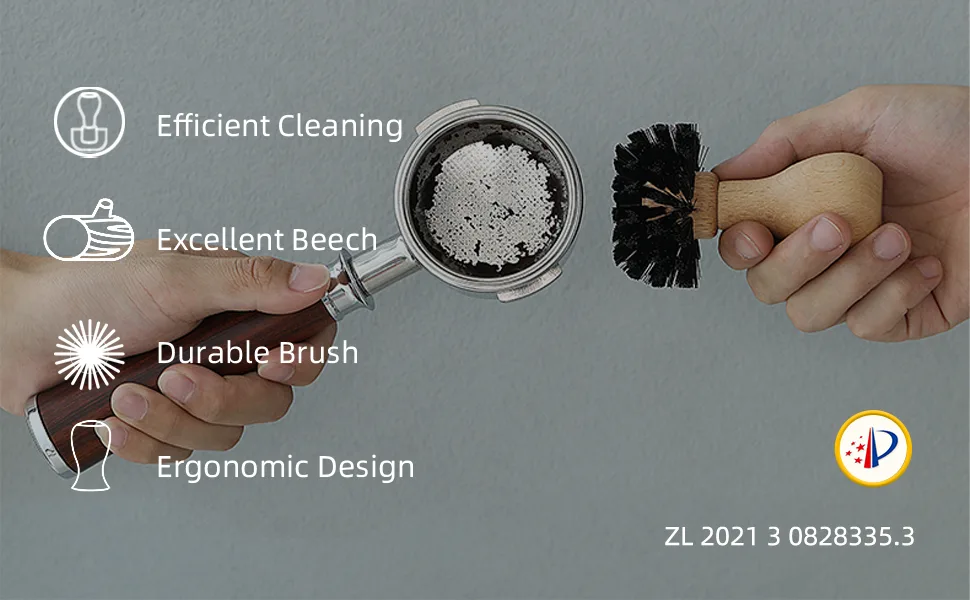
Image source: Bing (Web (fair-use with source credit))
Replacing the Group Head Gasket
The group head gasket is a critical seal that prevents water from escaping during brewing. Over time, it can become compressed, brittle, or cracked, leading to leaks. Fortunately, replacing it is often a simple DIY job.
- Identify the Gasket: This is usually a thick rubber ring situated in a groove around the group head.
- Removal: You might be able to gently pry out the old gasket with a small, flat-head screwdriver or a specialized gasket removal tool. Be careful not to scratch the metal of the group head.
- Installation: Ensure the new gasket is the correct size and type for your machine model. You can often find these online or from espresso machine parts suppliers. It should press firmly into its groove. Manufacturer specifications typically recommend checking this gasket during regular maintenance.
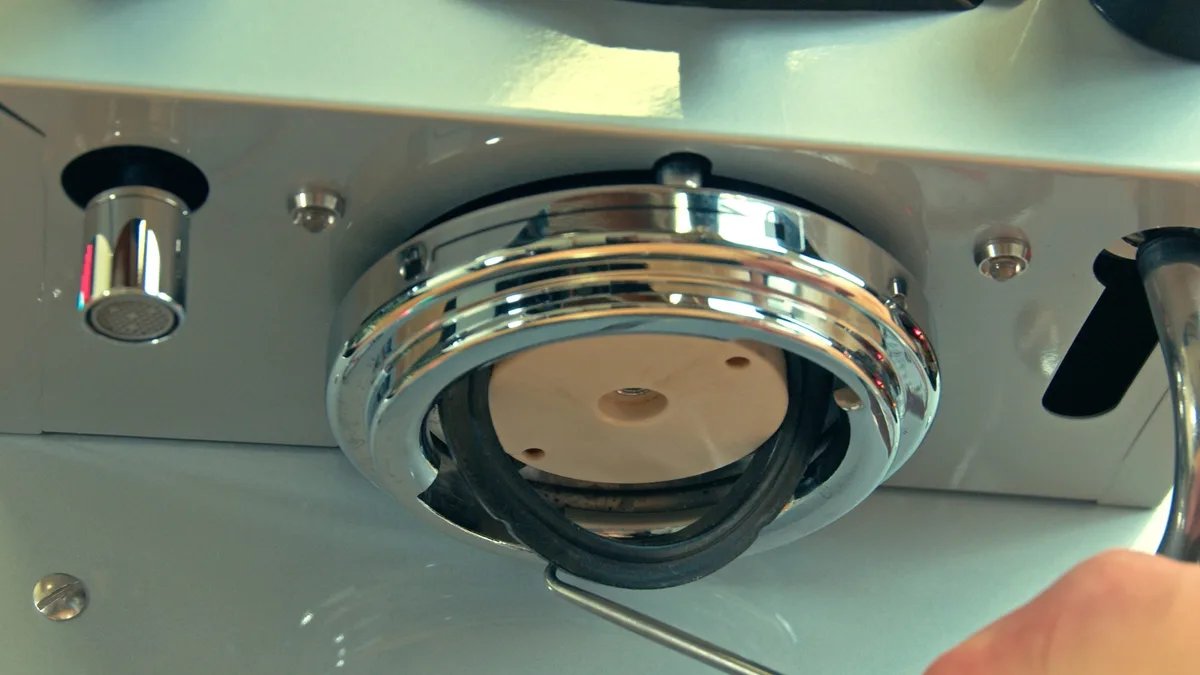
Image source: Bing (Web (fair-use with source credit))
Ensuring the Water Reservoir is Properly Seated
This sounds basic, but it's often overlooked. If your espresso machine leaking appears to be from the base, first confirm the water reservoir is clicked securely into place. Many machines have a specific seating mechanism or valve that needs to align perfectly for a watertight connection.
If the reservoir itself is cracked or the seal around its opening is damaged, water can bypass the intended pathway and leak out. Check for any debris or mineral buildup around the reservoir's connection point that might be preventing a tight seal.
When to Call a Professional (or Consider an Upgrade)
If you've gone through the troubleshooting steps and are still seeing that unwelcome drip, it's time to assess if the problem is beyond a simple fix. Some leaks point to internal components that are difficult or costly to replace, especially on older machines. For example, if a crack is found in the boiler assembly itself, as confirmed by numerous technical forums, repair might exceed the cost of a new unit.
Sometimes, the leak might be related to the pump or internal valve system, which requires specialized knowledge and tools. If you suspect such an issue, or if water is near electrical components, it's safer to stop and seek expert help. For those with less complex or older machines, it might be more economical to explore options for a replacement.
You can often find models suited for various budgets; for instance, many reviewers report satisfaction with machines found in the under $500 range.
Frequently Asked Questions About Espresso Machine Leaks
What's the most common reason an espresso machine leaks?
The most frequent cause of an espresso machine leaking is a problem with the water reservoir seal or a worn-out group head gasket. These components are subjected to regular pressure and wear, making them susceptible to degradation over time and leading to water seepage.
Can I ignore a small leak?
Ignoring even a small leak is generally not advisable. Continuous moisture can lead to internal corrosion, damage to electrical components, or the growth of mold and mildew within the machine. This can compromise the machine's functionality and potentially create a safety hazard.
How often should I clean my espresso machine to prevent leaks?
Regular cleaning is vital. Manufacturers typically recommend a thorough cleaning of the portafilter and group head after every use. Descaling the machine, which removes mineral buildup, should be done every 1, 3 months, depending on your water hardness and machine usage.
A deep clean of the water reservoir and drip tray weekly will also help.
Is it safe to use my machine if it's leaking?
It is generally unsafe to use an espresso machine that is leaking, especially if the water is near electrical components. Water and electricity are a dangerous combination. If the leak is minor and clearly away from any electrical parts, and you are actively troubleshooting it, proceed with extreme caution.
However, for persistent or significant leaks, it's best to unplug the machine.
What's the lifespan of a group head gasket?
The lifespan of a group head gasket varies based on machine usage and water quality. However, most manufacturers suggest a replacement interval of every 6 to 12 months for home users. For commercial machines experiencing heavy daily use, replacement might be needed every 3 to 6 months.
Signs of aging include hardening, cracking, or difficulty in achieving a proper seal.