How Much Can a Jeep Wagoneer Tow?
So, you're wondering, "How much can a Jeep Wagoneer tow?" It's a fantastic question that gets to the heart of what makes this large SUV so versatile for families and adventurers alike. The answer isn't a single number, though; it depends heavily on how your specific Wagoneer is equipped.
Manufacturer specifications indicate that when properly configured, a Jeep Wagoneer can tow up to 10,000 pounds. That's a significant capacity, allowing for a wide range of trailers and recreational vehicles. Understanding the factors that influence this maximum figure, and how they apply to your situation, is key to safe and effective towing.
What's Your Wagoneer's Towing Potential? The Big Question
The maximum towing capacity of any vehicle, including the Jeep Wagoneer, isn't just a general figure. It's a carefully calculated limit based on the vehicle's engineering, available powertrains, and specific optional equipment. Think of it as the absolute ceiling for what the vehicle is designed to safely pull under ideal conditions.
For the Jeep Wagoneer, this maximum capacity can reach up to 10,000 pounds. This is a substantial number, putting it in contention with many light-duty pickup trucks and making it a serious contender if you need to haul large items or tow significant recreational gear like a travel trailer or a decent-sized boat. However, not all Wagoneers are created equal, and achieving that 10,000-pound limit requires specific configurations.
How Much Can a Jeep Wagoneer Tow?
A properly equipped Jeep Wagoneer can tow up to 10,000 pounds. This capacity is dependent on the specific engine, drivetrain, and any optional towing packages installed.
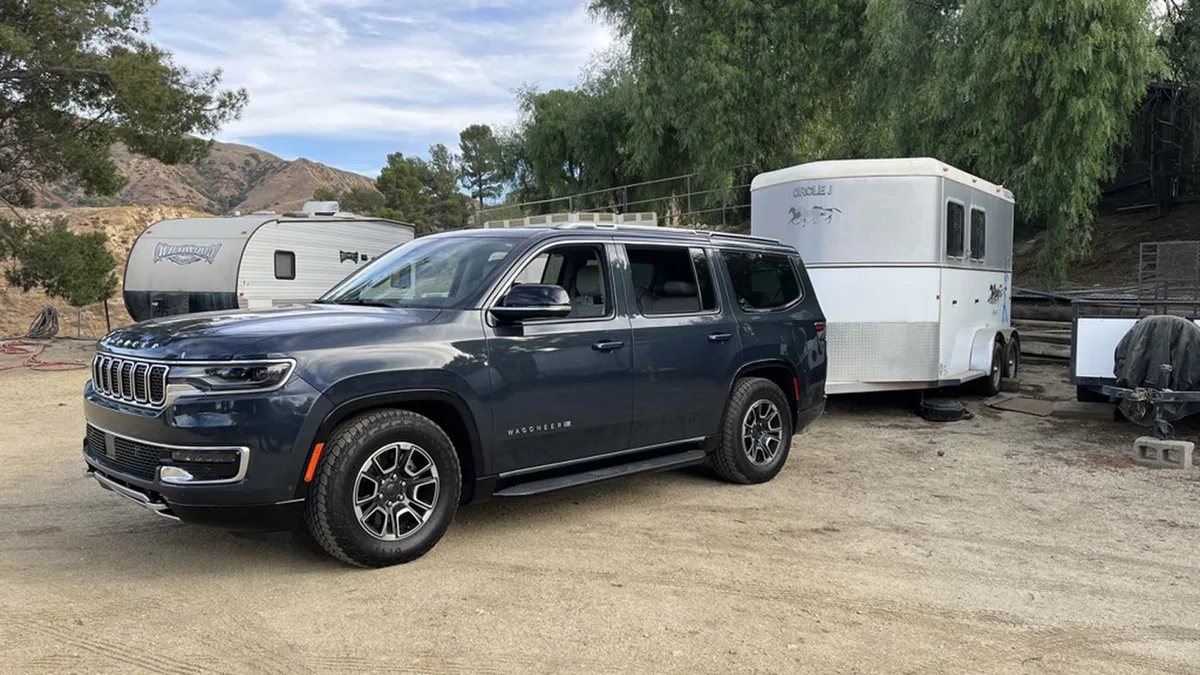
Image source: Bing (Web (fair-use with source credit))
Your Wagoneer's Towing Muscles: Key Specs and How They Matter
The sheer capability of a Jeep Wagoneer to tow heavy loads comes down to a few critical components and features working in harmony. It's not just about a powerful engine; it's a combination of factors that contribute to its overall towing prowess.
Engine and Drivetrain: The Heart of Your Towing Power
At the core of the Wagoneer's towing ability are its robust engine options. Most Wagoneer models come equipped with powerful V8 engines designed to deliver the torque needed for starting from a standstill with a heavy load and maintaining speed on inclines. For instance, the standard engine often features significant horsepower and torque figures, providing the muscle for substantial towing.
The drivetrain also plays a crucial role. While rear-wheel drive (RWD) offers good towing capability, the availability of four-wheel drive (4×4) systems can enhance traction and control, especially when starting a loaded trailer on slippery surfaces or when venturing off the beaten path. Choosing the right engine and drivetrain configuration for your intended towing needs is the first step in maximizing your Wagoneer's potential.
Towing Packages and Essential Features
To reach that impressive 10,000-pound maximum towing capacity, your Jeep Wagoneer will likely need to be equipped with an optional towing package. These packages are specifically engineered to enhance the vehicle's ability to handle the stresses of towing.
Key components often included in these packages are:
- Upgraded cooling systems: This includes a more robust radiator and transmission cooler to prevent overheating during extended towing sessions, especially in hot weather or hilly terrain.
- Heavy-duty suspension: Stronger springs and shock absorbers help manage the extra weight and keep the vehicle stable.
- Integrated trailer brake controller: This system works with your trailer's brakes for smoother, more controlled stops.
- Trailer Sway Control: A vital safety feature that uses the vehicle's braking system and engine power to help counteract trailer sway.
- Class IV receiver hitch: A stronger hitch designed to handle higher tongue weights and trailer loads.
Without these specific features, your Wagoneer's towing capacity will be lower than the maximum advertised figure. It’s essential to verify if your vehicle has these components installed.
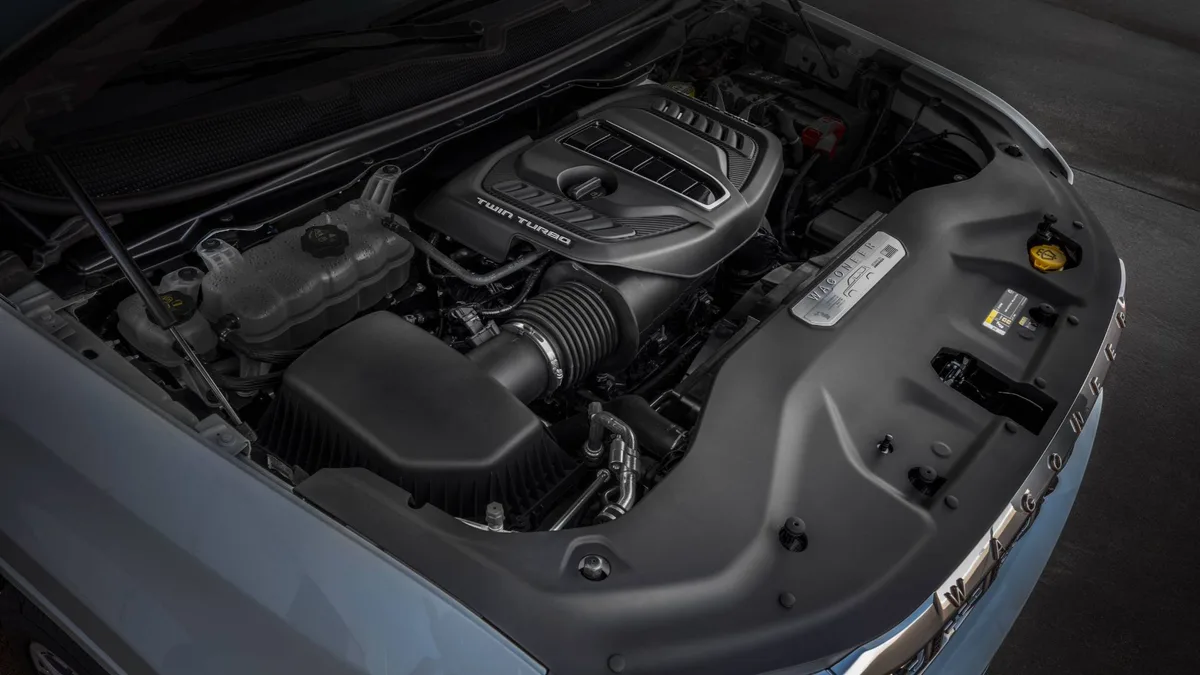
Image source: Bing (Web (fair-use with source credit))
Decoding the Numbers: Max Towing vs. Real-World Limits
Understanding the difference between the Jeep Wagoneer's maximum towing capacity and its real-world towing limits is crucial for safe operation. The 10,000-pound figure is the absolute theoretical maximum, but several factors can reduce the actual weight you should tow.
Your Wagoneer's Gross Vehicle Weight Rating (GVWR) is the maximum allowable weight of the fully loaded vehicle itself, including passengers, cargo, and the tongue weight of the trailer. The Gross Combined Weight Rating (GCWR) is the maximum allowable weight of the fully loaded vehicle and its loaded trailer combined.
If you load your Wagoneer to its GVWR with passengers and cargo, you must subtract that weight from the GCWR to determine the maximum trailer weight you can safely pull. For example, if your Wagoneer has a GCWR of 16,000 pounds and its own GVWR is 7,400 pounds, the maximum trailer weight you can tow is 8,600 pounds (16,000, 7,400 = 8,600). This calculation is vital.
It’s also important to consider tongue weight, which is the downward force the trailer tongue exerts on the hitch. Typically, this should be between 10-15% of the trailer's total weight. Exceeding your Wagoneer's payload capacity or tongue weight limit, even if the trailer’s total weight is below the maximum towing capacity, can lead to dangerous handling issues.
Always consult your owner's manual for specific GVWR and GCWR for your model year.
Matching Your Load: What Can Your Wagoneer Actually Haul?
Knowing your Wagoneer's maximum towing capacity is one thing, but matching it to actual loads is where practical application comes in. The 10,000-pound potential opens up a lot of possibilities, but careful consideration of what you're towing is paramount.
Towing Boats and Campers
With a 10,000-pound towing capacity, your Jeep Wagoneer is well-equipped to handle many types of boats and campers. This includes:
- Mid-sized travel trailers: Many family-oriented travel trailers, often referred to as "bumper pulls," fall comfortably within this range, especially when factoring in the weight of personal items.
- Small to medium-sized boats: You can likely tow a boat and its trailer that weighs up to 10,000 pounds, which covers a good portion of recreational powerboats and pontoons.
- Teardrop trailers and small hybrids: These are generally much lighter and would be very easy for the Wagoneer to manage.
When considering a camper or boat, always check the manufacturer's stated dry weight and then add estimated weights for fuel, water, batteries, propane, and any added accessories. This "wet weight" is what you need to compare against your Wagoneer's limit.
Towing Trailers and Equipment
Beyond recreational vehicles, the Wagoneer’s towing strength is invaluable for hauling various types of trailers and equipment for work or personal projects.
- Utility trailers: For hauling lumber, landscaping materials, or furniture, most utility trailers will be well within capacity.
- Car haulers: You can likely tow a car hauler trailer with a light to medium-weight vehicle on it. Always check the combined weight of the trailer and the vehicle being transported.
- Equipment trailers: Moving construction equipment, ATVs, or motorcycles on a trailer is also feasible, provided the total weight remains within limits.
What Not to Tow
Even with a 10,000-pound limit, there are still limitations and situations where towing is ill-advised or unsafe.
- Large fifth-wheel campers: These typically require a higher towing capacity and a different type of hitch found in pickup trucks.
- Very heavy construction equipment: Specialized heavy machinery usually exceeds the Wagoneer's capabilities.
- Overloaded trailers: Never attempt to tow a trailer that exceeds your Wagoneer's stated maximum towing capacity, GVWR, or GCWR, even if you think you can "make it work." This is a recipe for disaster and can lead to accidents.
Avoid These Towing Blunders with Your Wagoneer
Towing can be fantastic when done correctly, but making mistakes can quickly turn an adventure into a headache, or worse, a safety hazard. Our research shows several common errors people make when towing with large SUVs like the Wagoneer.
- Ignoring the Owner's Manual: This is the most critical mistake. Your owner's manual contains specific towing information for your exact model year and configuration. Relying on general figures can be misleading and dangerous.
- Underestimating Trailer Weight: Always err on the side of caution. Manufacturers' "dry weight" figures don't account for added equipment, cargo, or fluids, which can significantly increase the actual towing weight.
- Neglecting Tongue Weight: Too little tongue weight can lead to trailer sway. Too much can overload your Wagoneer's rear suspension and steering. It's a delicate balance.
- Skimping on Trailer Maintenance: Ensure trailer tires are properly inflated, brakes are functioning, and lights are working before every trip. A faulty trailer component is a major risk factor.
- Improper Hitch Setup: Using the wrong type of hitch, or not setting it up correctly, can compromise your vehicle's stability and safety while towing.
Always remember that your Wagoneer's towing capacity is a guideline for safe operation, not a challenge to be met or exceeded. Prioritizing safety over hauling capacity is always the best approach.
How to Find Your Wagoneer's Exact Towing Limit
This is where you move from general capacity to specific knowledge about your Jeep Wagoneer. Not all Wagoneers are built identically, even within the same model year. Figuring out your vehicle's precise towing limit involves checking a couple of key places, and it's non-negotiable for safe towing.
The most reliable places to find this information are your owner's manual and the vehicle's doorjamb sticker. These sources provide the official ratings for your specific vehicle's configuration, including engine, drivetrain, and any factory-installed options. This data is crucial for making informed decisions about what you can safely tow.
Image source: Web (Bing) / carclubsusa.com (Web image (fair-use with source credit))
Checking Your Owner's Manual and Door Sticker
Your Jeep Wagoneer's owner's manual is a treasure trove of information. Look for sections dedicated to towing, specifications, or vehicle ratings. You'll find details on the maximum towing capacity, GVWR, and GCWR.
Equally important is the sticker usually found on the driver's side doorjamb. This label details your vehicle's specific GVWR, GAWR (Gross Axle Weight Rating), and often lists the payload capacity. While it might not explicitly state the maximum towing capacity, it provides critical numbers needed for towing calculations.
Using Jeep's Official Resources
Beyond your physical manual and sticker, Jeep's official website is an excellent resource. Manufacturers often provide detailed specification sheets for each model year. You can usually find these by navigating to the Wagoneer section and looking for "specifications" or "towing guides." These resources are invaluable, especially if you've misplaced your owner's manual.
As of 2026, Jeep continues to update these details for current and past models.
Frequently Asked Questions About Wagoneer Towing
What is the difference between GVWR and GCWR?
GVWR (Gross Vehicle Weight Rating) is the maximum weight your vehicle can be, including passengers, cargo, and tongue weight. GCWR (Gross Combined Weight Rating) is the maximum weight of your loaded vehicle and its loaded trailer combined. You must always stay below both limits.
Can I tow more if I only have a light load in my Wagoneer?
Yes, if your Wagoneer is not loaded to its GVWR with passengers and cargo, you can tow a heavier trailer, up to the GCWR limit. Subtract your actual vehicle weight from the GCWR to find your available towing capacity.
Does towing impact my Wagoneer's fuel economy?
Significantly. Towing a heavy load will drastically reduce your fuel economy, often by 30-50% or more, depending on the trailer's size and aerodynamic drag.
What is tongue weight, and why is it important?
Tongue weight is the downward force the trailer tongue exerts on your hitch. It's typically 10-15% of the trailer's total weight and is crucial for trailer stability. Too little tongue weight can cause dangerous trailer sway.
Is it okay to exceed my Wagoneer's towing capacity for a short distance?
Absolutely not. Exceeding any weight rating, including towing capacity, GVWR, or GCWR, is unsafe and can damage your vehicle's drivetrain, brakes, and suspension. It can also lead to a loss of control and void your warranty.
Making the Right Towing Decision for Your Wagoneer
Choosing to tow with your Jeep Wagoneer means embracing a level of capability and adventure. The key to enjoying this capability safely and reliably lies in thorough preparation and understanding the limits. You've learned that while the Wagoneer boasts a substantial maximum towing capacity, reaching that figure depends on specific configurations, towing packages, and careful attention to weight ratings.
Always verify your vehicle's exact specifications, understand the difference between max towing and your actual available capacity based on payload, and ensure your trailer is properly matched and maintained. By respecting these limits and practicing safe towing habits, your Wagoneer can be an incredible partner for all your hauling needs, from family vacations to substantial work projects.