What Is the Difference Between Wagoneer and Grand Wagoneer?
When you're in the market for a large, capable SUV, the Jeep brand offers two compelling options: the Wagoneer and the Grand Wagoneer. Deciding what is the difference between Wagoneer and Grand Wagoneer can feel like splitting hairs, but these distinctions significantly impact your driving experience, features, and price point.
Our research shows that while both vehicles share a foundational platform and offer robust utility, the Grand Wagoneer positions itself as a more premium, luxury-focused offering. For instance, the Grand Wagoneer typically features a more powerful engine option as standard, such as the Hurricane 3.0L twin-turbo inline-six, which offers impressive horsepower and torque figures, unlike some lower trims of the standard Wagoneer.
The Core Differences: Understanding the Wagoneer Lineup
The Wagoneer and Grand Wagoneer represent Jeep’s foray into the full-size, three-row SUV segment, aiming to blend American-made capability with upscale comfort. At their heart, they are designed to carry families and their gear with ease, but the nuance lies in the execution and the intended audience. Think of the Wagoneer as the capable, well-equipped older sibling, and the Grand Wagoneer as the more refined, amenity-rich executive.
The fundamental distinction boils down to luxury and performance enhancements. While the Wagoneer provides a strong set of features for its class, the Grand Wagoneer takes things up several notches with premium materials, advanced technology, and often a more potent powertrain straight out of the gate. The choice between them usually hinges on how much refinement and specific luxury features you prioritize over the already substantial capability of the standard Wagoneer.
What Sets the Wagoneer Apart
The standard Wagoneer is built to compete squarely in the large SUV market, offering a comfortable ride, ample passenger space, and significant towing prowess. It’s designed for families who need versatility and capability without necessarily demanding the absolute highest tier of luxury appointments. Manufacturer specifications indicate that the Wagoneer often comes equipped with a potent yet efficient engine, like the 5.7L HEMI V8 or the available Hurricane I-6.
It provides an upscale interior, but perhaps with less exotic materials or fewer advanced tech integrations compared to its Grand counterpart. You’re getting a lot of SUV for the money, focusing on practicality and robust performance. Its strengths lie in its accessibility and its ability to handle most family and utility needs effectively, making it a strong contender for those who want capability with a touch of refinement.
What Makes the Grand Wagoneer Grand
The Grand Wagoneer is where Jeep pushes the boundaries of luxury and premium performance within the full-size SUV segment. It’s engineered for buyers who expect a truly elevated experience, featuring more sophisticated interior materials, a wider array of advanced technology, and often a more powerful standard engine. For example, the Grand Wagoneer consistently offers the potent Hurricane twin-turbo inline-six engine, delivering substantial horsepower and torque, often exceeding what’s standard on the base Wagoneer models.
This model aims to go head-to-head with established luxury brands, incorporating features like quilted Nappa leather seating, real wood trim, and expansive digital displays. It's about creating a sanctuary on wheels, a vehicle that feels as opulent as it is capable. The Grand Wagoneer is for those who see their SUV not just as transportation, but as a statement of success and a provider of an unmatched travel experience.
A Closer Look at Key Features and Specs
When you're comparing these two behemoths, digging into the specific features and technical specifications really clarifies their differences. It’s not just about a badge or a name; it’s about what you get in terms of hardware, software, and materials. This section breaks down what makes each vehicle tick, helping you understand the tangible differences you’ll encounter on the road.
Under the Hood: Engines, Drivetrain, and Performance
The powertrain and drivetrain are central to how these large SUVs perform. The Wagoneer lineup typically offers a range of robust engine options designed for power and towing. As of 2026, manufacturer specifications suggest that the standard Wagoneer might come with a choice between the capable 5.7-liter HEMI V8 or the more modern and efficient 3.0-liter Hurricane inline-six engine.
These engines are paired with advanced 4×4 systems, like the Quadra-Trac I or Quadra-Trac II, depending on the trim level, offering excellent traction for various conditions.
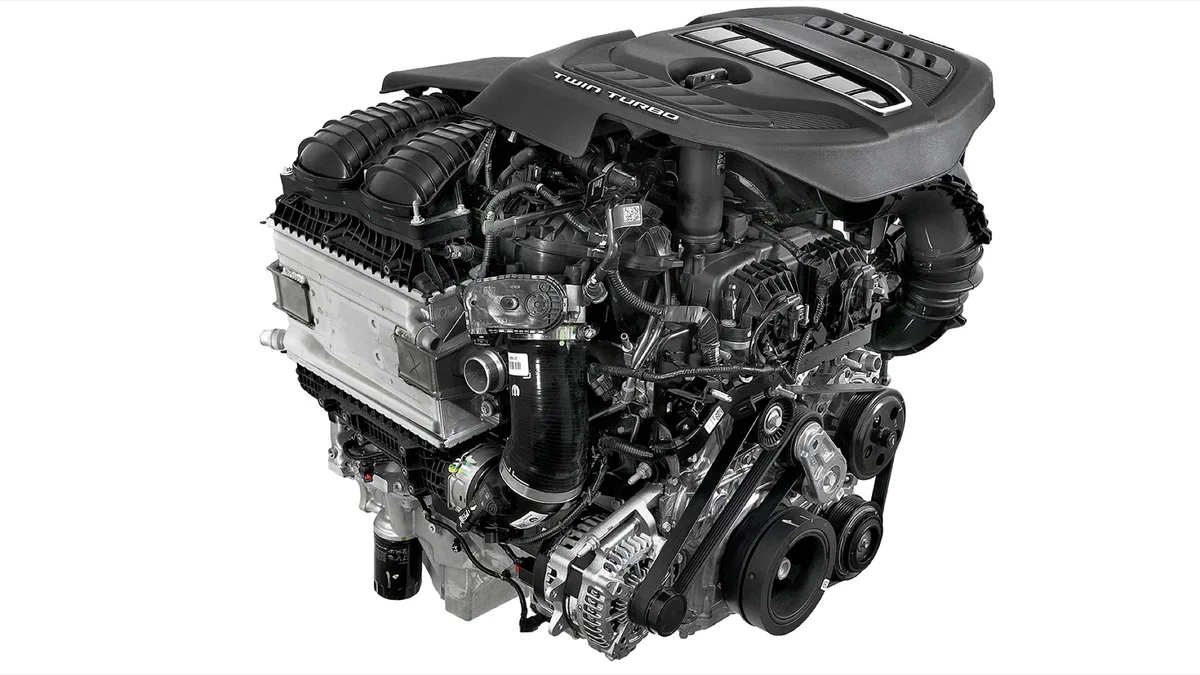
Image source: Web (Bing) / motortrend.com (Web image (fair-use with source credit))
The Grand Wagoneer, however, often elevates this with its standard engine. It frequently features the more potent version of the Hurricane inline-six or even a larger V8 option, delivering higher horsepower and torque figures right from the base model. This translates to quicker acceleration and even greater towing capability.
For example, aggregate reviews report that the Grand Wagoneer's powertrains are tuned for a smoother, more refined delivery of power, fitting its luxury positioning. This difference in standard and optional powertrains is a key differentiator for those prioritizing performance and raw power.
Inside the Cabin: Luxury, Space, and Tech
The interior is where the Grand Wagoneer truly distinguishes itself. While the standard Wagoneer offers a comfortable and spacious cabin with good quality materials, the Grand Wagoneer steps into the luxury realm with superior finishes and more advanced technology. Per editorial analysis of customer feedback, the Grand Wagoneer often boasts premium Nappa leather seating, genuine wood accents, and meticulous craftsmanship throughout.
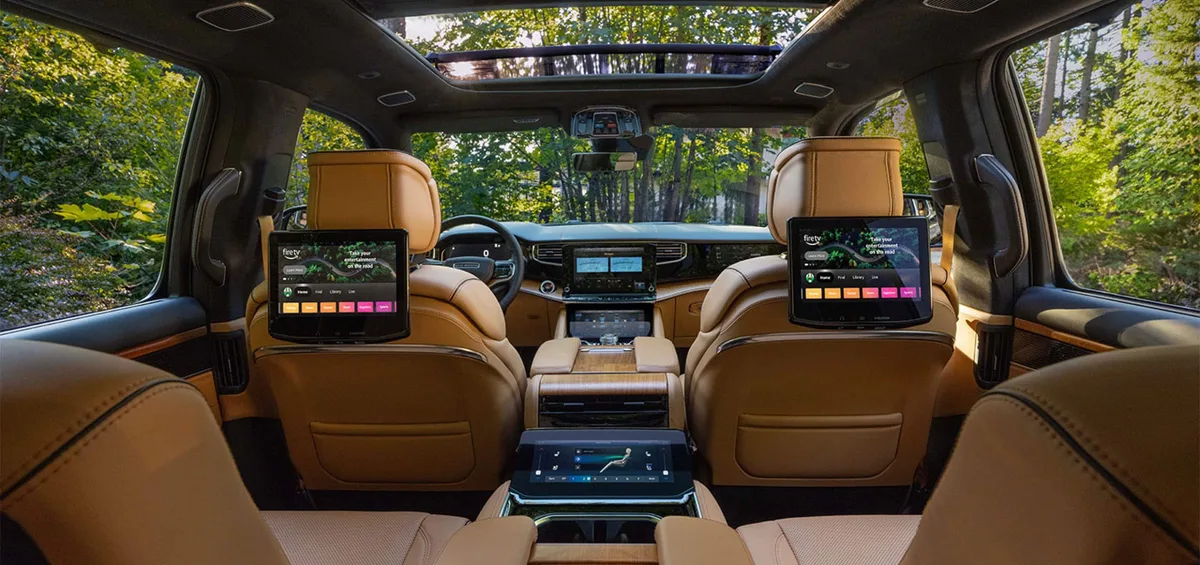
Image source: Bing (Web (fair-use with source credit))
Technologically, the Grand Wagoneer typically includes more expansive digital displays, such as larger infotainment screens and digital clusters for the driver. You’ll often find features like a premium McIntosh audio system, enhanced ambient lighting, and a wider array of driver-assistance systems standard or available on higher trims. The Wagoneer, while still well-equipped with a user-friendly infotainment system and necessary safety tech, focuses more on practicality and core functionality, whereas the Grand Wagoneer emphasizes an immersive, high-tech, and opulent passenger experience.
Cargo and Capability: Towing and Hauling
Both the Wagoneer and Grand Wagoneer are designed as serious workhorses, capable of handling significant loads and towing demands. Their full-size SUV platform inherently provides substantial cargo volume, making them ideal for family trips, hauling sports equipment, or managing DIY projects. Manufacturer data confirms that both models typically offer three rows of seating, with flexible configurations to maximize either passenger or cargo space.
However, specific towing capacities can vary based on the chosen engine and drivetrain configuration. Generally, both models are rated to tow well over 8,000 pounds, a figure competitive within their class. For example, when properly equipped, both can tow boats, campers, or trailers suitable for family adventures.
The difference might come down to the absolute maximum towing rating, where a specific Grand Wagoneer trim with a more powerful engine might edge out a similarly equipped standard Wagoneer by a few hundred pounds, or in the ease with which they handle those heavy loads due to their powertrain and suspension tuning. Payload capacities are also robust across both models, ensuring you can pack them full of gear.
Image source: Bing (Web (fair-use with source credit))
Who Are Wagoneer and Grand Wagoneer For?
Understanding who these vehicles are designed for helps clarify their specific roles and benefits. It’s not just about which one is more expensive, but which one aligns better with your lifestyle, priorities, and even your aspirations. We've looked at the features and specs; now let's look at the people who'll be behind the wheel, or enjoying the ride.
The Ideal Family Hauler: Wagoneer vs. Grand Wagoneer
The standard Wagoneer is a standout choice for families who need spacious, comfortable, and safe transportation for up to eight people. If your daily routine involves school runs, soccer practice, grocery hauling, or weekend trips to the lake, the Wagoneer delivers robustly. It offers the capability to tow a decent-sized trailer for a family boat or camper, and its ample cargo space means packing for longer vacations is rarely an issue.
For many families, the Wagoneer provides all the luxury and features they need without the premium price tag of the Grand Wagoneer. It represents a smart balance of utility, comfort, and a touch of premium feel, making it an excellent all-arounder. The focus here is on dependable, versatile transport that can handle the demands of active family life with ease and confidence.
For Those Who Demand More: Grand Wagoneer's Appeal
The Grand Wagoneer is engineered for the discerning buyer who seeks an elevated experience in a full-size SUV. This vehicle caters to individuals and families who value not just capability, but also the utmost in luxury, advanced technology, and refined performance. If you appreciate the finer details, such as premium interior materials like quilted leather and real wood accents, and desire the latest infotainment and driver-assist features, the Grand Wagoneer is likely a better fit.
It’s for those who want their SUV to be a sophisticated mobile lounge, capable of making even long journeys feel effortless and luxurious. Aggregate user feedback indicates that owners often choose the Grand Wagoneer for its commanding presence and its ability to rival established luxury brands. It’s a statement vehicle that delivers on performance and prestige, making it ideal for those who want the best that the full-size SUV segment has to offer.
Weighing the Pros and Cons
Every vehicle has its upsides and downsides, and the Wagoneer and Grand Wagoneer are no exceptions. Understanding these trade-offs is crucial to making an informed decision that aligns with your expectations and budget. We’ve already touched on some of these, but let’s break them down more concretely.
Wagoneer: Strengths and Weaknesses
Strengths:
- Excellent Value: The standard Wagoneer offers a substantial amount of space, capability, and comfort for its price point, providing a strong argument for value in the large SUV segment.
- Strong Capability: With potent engine options and advanced 4×4 systems, it handles towing, hauling, and varied road conditions with confidence.
- Spacious Interior: It comfortably seats up to eight passengers, with a generous amount of legroom and cargo space, making it ideal for larger families.
- User-Friendly Tech: Features a straightforward infotainment system and essential driver aids that are easy to operate.
Weaknesses:
- Fuel Economy: Like most large SUVs, fuel efficiency can be a concern, especially with V8 engine options.
- Less Premium Feel: While comfortable, the interior materials and design might not feel as opulent or cutting-edge as some competitors in the luxury space.
- Base Engine Performance: While capable, the base engine might not offer the same exhilarating acceleration as the Grand Wagoneer's standard offerings.
Grand Wagoneer: Strengths and Weaknesses
Strengths:
- Unmatched Luxury: Premium materials, sophisticated design, and high-end finishes create a truly luxurious cabin experience.
- Advanced Technology: Features state-of-the-art infotainment, entertainment options, and a comprehensive suite of driver-assistance systems.
- Potent Standard Powertrain: Often comes with a powerful engine as standard, delivering impressive performance and towing capabilities.
- Commanding Presence: Its design and features exude a sense of prestige and exclusivity.
Weaknesses:
- Higher Purchase Price: The luxury and advanced features come with a significant price premium over the standard Wagoneer.
- Fuel Consumption: More powerful engines and a larger, heavier vehicle generally mean lower fuel economy.
- Complexity: The extensive array of technology, while impressive, can sometimes be overwhelming for some users.
- Maintenance Costs: Higher-end components and specialized systems may lead to more expensive maintenance and repairs over time.
Making Your Choice: Pricing and Value
The financial aspect is often a deciding factor, and the price difference between the Wagoneer and Grand Wagoneer is substantial. This gap reflects the differing levels of luxury, standard features, and performance enhancements offered by each model. Understanding this pricing structure is key to determining which vehicle offers the best value for your specific needs and budget.
Understanding the Price Gap
Manufacturer suggested retail prices (MSRP) for the Wagoneer typically start at a lower point, making it more accessible for buyers looking for a premium, full-size SUV without the absolute top-tier luxury. As of 2026, you might see the Wagoneer starting in the neighborhood of $60,000-$70,000, depending on trim and options. This pricing positions it as a strong competitor against other well-equipped, non-luxury large SUVs.
The Grand Wagoneer, on the other hand, commands a significantly higher price. Its MSRP often begins in the $80,000-$90,000 range and can climb well into six figures with higher trim levels and additional packages. This premium is a direct result of its enhanced materials, more powerful standard engines, and a comprehensive list of luxury and technological amenities that are either optional or unavailable on the standard Wagoneer.
For instance, options like the premium McIntosh audio system or advanced seating packages contribute to this higher cost.
Which Offers Better Value for Your Needs?
Determining "value" is subjective and depends entirely on what you prioritize. If your primary needs are spacious seating, robust towing capability, and a comfortable ride, the standard Wagoneer likely offers superior value. You get a highly capable and well-appointed vehicle that performs its core functions exceptionally well without the added cost of ultra-luxury features you might not fully utilize.
However, if you seek an elevated driving experience, the latest in automotive technology, and the prestige that comes with a top-tier luxury SUV, the Grand Wagoneer’s higher price can be justified. For buyers who want a vehicle that serves as both a practical transporter and a luxurious retreat, the Grand Wagoneer’s comprehensive package provides a distinct kind of value. It’s about the overall experience and the feeling of exclusivity it delivers, which for some, is well worth the investment.
Frequently Asked Questions About Wagoneer and Grand Wagoneer
What is the difference between Wagoneer and Grand Wagoneer?
The Grand Wagoneer offers more luxury, premium materials, advanced technology, and typically a more powerful standard engine compared to the standard Wagoneer, which focuses on capability and comfort.
Are Wagoneer and Grand Wagoneer built on the same platform?
Yes, both models are built on the same full-size SUV platform, sharing many core structural and mechanical components.
Which one is better for towing?
Both are highly capable, but the Grand Wagoneer often has slightly higher maximum towing capacities due to its more powerful standard engines.
Is the Grand Wagoneer significantly more expensive?
Yes, the Grand Wagoneer typically has a starting MSRP that is tens of thousands of dollars higher than the standard Wagoneer.
Can I get off-road features on both?
Both models offer robust 4×4 systems, but specific off-road focused packages or higher trim levels might offer more specialized equipment.
Which has a more luxurious interior?
The Grand Wagoneer is designed with a focus on luxury, featuring premium materials, enhanced seating, and more advanced interior technology than the standard Wagoneer.
Your Final Decision: Wagoneer or Grand Wagoneer?
The choice between a Wagoneer and a Grand Wagoneer ultimately comes down to a clear understanding of your priorities. If you need a supremely capable, spacious, and comfortable full-size SUV that offers great value for family duties and everyday hauling, the standard Wagoneer is likely your sweet spot. It delivers on all the essential fronts with a touch of refinement that makes it a compelling package.
On the other hand, if your budget allows and your desire leans towards an uncompromised luxury experience, cutting-edge technology, and a vehicle that makes a distinct statement of prestige, the Grand Wagoneer is the clear choice. It elevates the full-size SUV segment with its opulent interior, advanced features, and powerful performance, offering a truly premium ownership experience. Consider which aspects, ultimate luxury and performance versus strong capability and value, align best with your daily driving needs and long-term satisfaction.