How To Use A Car Battery Charger: Easy Step-By-Step Guide
Use a car battery charger by matching the settings, connecting the clamps correctly, and charging safely until full.
A dead battery can ruin your day fast, but the good news is that a car battery charger is one of the simplest tools to bring it back to life. I’ve used chargers in cold garages, on family cars that sat too long, and on batteries that looked completely flat but still recovered with the right approach. If you want to learn how to use a car battery charger the right way, avoid common mistakes, and keep your battery healthy, this guide walks you through it step by step.
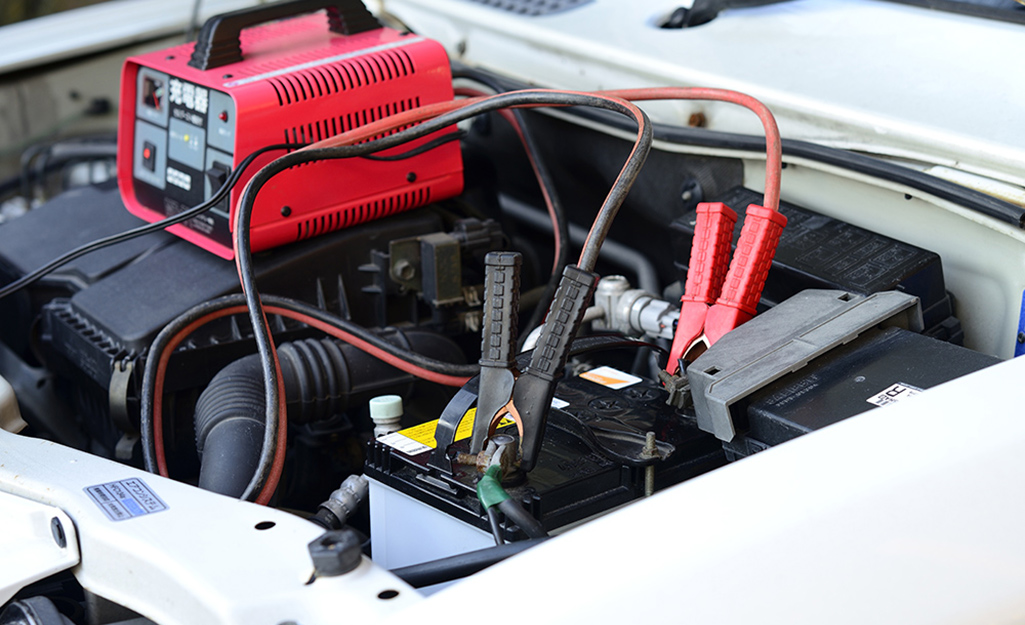
What a car battery charger does
A car battery charger sends controlled electrical power into a battery to restore its charge. It is not the same as a jump starter, which gives a quick burst of power to start the engine. A charger works more slowly and is meant to fill the battery back up in a safer, steadier way.
Most 12-volt car batteries are lead-acid batteries. That includes flooded batteries, AGM batteries, and sometimes gel batteries. The charger you use should match the battery type and voltage, or you can shorten battery life or cause damage.
When you should use a car battery charger
You may need to use a car battery charger when the battery is too weak to start the car. This often happens after lights were left on, the car sat unused for weeks, or cold weather drained the charge. Older batteries can also lose charge faster than new ones.
Common signs you need to charge the battery include:
- Slow engine cranking
- Clicking sounds when you turn the key
- Dim headlights or interior lights
- A battery warning light on the dashboard
- The car will not start after being parked for a long time
If the battery keeps dying again and again, the problem may be more than low charge. A bad alternator, corroded terminals, or an aging battery may be part of the issue.
Types of car battery chargers
Not all chargers work the same way. Before you use a car battery charger, it helps to know the basic types so you can choose the right one.
Manual chargers
Manual chargers give you more control, but they also require more care. You must watch the charge time and disconnect the charger yourself when the battery is ready. These are useful for experienced users, but they are less forgiving if you forget to monitor the battery.
Smart chargers
Smart chargers are the easiest choice for most drivers. They read the battery’s condition and adjust the charging rate automatically. Many smart chargers switch to maintenance mode once the battery is full, which helps prevent overcharging.
Trickle chargers
A trickle charger provides a very low charge over a long time. It is often used for vehicles that sit unused, like classic cars, motorcycles, or seasonal vehicles. It is not the fastest way to charge a weak battery, but it can help keep one topped off.
Battery maintainers
A battery maintainer is similar to a trickle charger, but it is usually more advanced. It keeps a battery at a healthy level without pushing too much current into it. If you store a vehicle for long stretches, this is often the safest option.
What you need before charging
Before you use a car battery charger, gather everything first. That small step saves time and lowers the chance of mistakes.
You will usually need:
- A compatible car battery charger
- Safety glasses
- Gloves
- A dry, well-ventilated area
- A clean cloth or wire brush
- Access to the battery terminals
I’ve seen people rush this part and regret it. A dirty terminal or a charger set to the wrong battery type can turn a simple job into a frustrating one.
How to use a car battery charger step by step
Using a car battery charger is straightforward when you follow the right order. The process below is the method I recommend for most everyday drivers.
1. Turn off the vehicle and remove the key
Make sure the car is off before you begin. Remove the key, switch off accessories, and if possible, open the hood and let the car sit for a minute. This helps reduce the chance of sparks or electrical load.
2. Check the battery type and charger settings
Look at the battery label to confirm whether it is a 12-volt lead-acid battery, AGM battery, or another type. Then set the charger to match that battery type if your charger has multiple modes. Using the wrong mode is one of the most common mistakes people make when they use a car battery charger.
3. Inspect the battery and terminals
Look for cracks, leaks, swelling, or heavy corrosion. If the battery case is damaged, do not charge it. Corrosion on the terminals can block current flow, so clean it gently if needed.
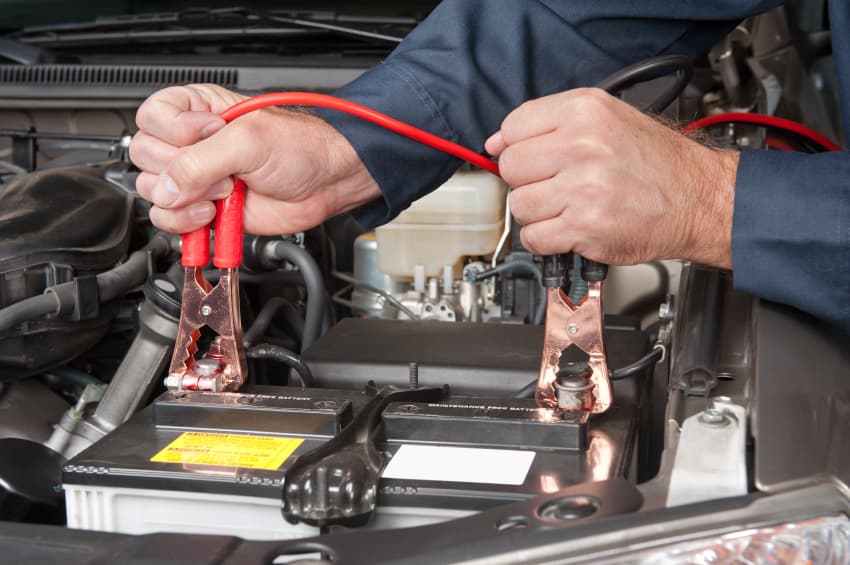
4. Connect the charger clamps correctly
This is the part that matters most for safety.
- Connect the red clamp to the positive terminal marked with a plus sign.
- Connect the black clamp to the negative terminal marked with a minus sign.
- If your charger manual recommends it, connect the black clamp to a grounded metal point on the car instead of the negative battery terminal.
Make sure the clamps are tight and not touching each other. A loose connection can cause poor charging or sparks.
5. Plug in and turn on the charger
Once the clamps are secure, plug the charger into the wall outlet and power it on. Many smart chargers will begin automatically. Manual chargers may need you to set the charge rate before they start.
6. Monitor the charging process
Watch the charger display or indicator lights. Some chargers show battery voltage, charging stage, or estimated time remaining. Charging time can range from under an hour to several hours, depending on battery size, charge level, and charger speed.
7. Wait until the battery is fully charged
Do not rush this part. A weak battery may take time to recover, especially if it was deeply discharged. Smart chargers usually stop or switch to maintenance mode when the battery is full.
8. Turn off and disconnect in reverse order
When charging is done, turn off the charger and unplug it from the wall first. Then remove the black clamp and finally the red clamp. This reverse order helps reduce spark risk.
9. Start the car and test it
Try starting the vehicle after you disconnect the charger. If it starts strongly, the battery likely recovered well. If it still struggles, the battery may be worn out or another system may be causing the drain.
Safety tips when you use a car battery charger
Battery charging is usually simple, but safety still matters. A car battery stores energy, and batteries can release gas during charging. That means a little caution goes a long way.
Keep these safety tips in mind:
- Charge in a dry, open area with airflow
- Wear eye protection and gloves
- Keep sparks, flames, and cigarettes away
- Do not charge a frozen or cracked battery
- Do not let the clamps touch each other
- Always match the charger to the battery voltage
- Read the charger manual before first use
One lesson I learned early: if something looks swollen, hot, or smells strongly of sulfur, stop right away. A battery that acts strange is telling you it may be unsafe.
How long it takes to charge a car battery
Charging time depends on the charger output and the battery size. A small charger may take overnight or longer. A higher amp smart charger can bring a partly drained battery back faster.
Typical factors that affect charge time include:
- Battery capacity in amp-hours
- How dead the battery is
- Charger amperage
- Battery age and condition
- Temperature
A battery that has been fully drained many times may never charge as well as a healthy one. If a battery takes unusually long to charge, that can be a sign it is near the end of its life.
Mistakes to avoid when using a car battery charger
I’ve seen a few charging mistakes over the years, and most of them are easy to avoid. The biggest problems usually come from rushing.
Avoid these errors:
- Reversing the clamps
- Using the wrong battery setting
- Charging a damaged battery
- Leaving a manual charger on too long
- Charging in a closed space with poor airflow
- Ignoring corrosion on the terminals
- Assuming a dead battery is always the only problem
If you use a car battery charger carefully, you can prevent most of these issues. Slow, steady, and correct beats fast and careless every time.
How to keep your battery healthy after charging
Charging the battery is only part of the job. Good battery care helps it last longer and reduces future problems.
Try these habits:
- Drive the car regularly
- Turn off lights and accessories before shutting off the engine
- Keep terminals clean
- Check for battery drain if the car sits unused
- Use a battery maintainer for long storage periods
- Test the battery before winter if you live in a cold area
A battery is a bit like a water bucket with a tiny hole in it. If the hole is small, you may not notice for a while. But if the car has a drain or the battery is old, charging alone may not fix the real issue.
When charging will not fix the problem
Sometimes a charger helps only for a short time. If the battery is very old, physically damaged, or unable to hold a charge, replacement may be the smarter choice. A battery that keeps dying after a full charge often has an internal failure.
You should also check:
- The alternator
- Loose or corroded battery cables
- Parasitic electrical drains
- Faulty charging system parts
In my experience, many drivers blame the battery first. That is understandable, but repeated dead batteries often point to a charging system or drain issue instead.
Benefits of using a car battery charger
A car battery charger is useful for more than just emergencies. It can save time, money, and stress when used properly.
Main benefits include:
- Restoring a weak battery without needing a tow
- Extending battery life with regular maintenance
- Helping seasonal vehicles stay ready
- Reducing dependency on jump starts
- Supporting safer, controlled charging
For most households, a smart charger is one of those tools that seems boring until the day you really need it. Then it becomes one of the most valuable things in the garage.
Frequently Asked Questions of How to use a car battery charger
How do I know if my car battery charger is working?
Most chargers show a light, display, or meter that tells you charging has started. If the battery voltage rises over time and the charger moves through stages, it is likely working properly.
Can I leave a car battery charger on overnight?
Yes, if it is a smart charger designed for automatic shutoff or maintenance mode. Manual chargers are different, so you should not leave them unattended unless the manufacturer says it is safe.
Do I need to disconnect the battery from the car before charging?
Usually, no. Many modern chargers are made to charge the battery while it stays connected, but you should check the charger manual and the vehicle manual first.
How often should I use a car battery charger?
Use it when the battery is weak or if the vehicle sits unused for long periods. For stored vehicles, a maintainer can help keep the battery charged without overdoing it.
What if my car battery gets hot while charging?
Stop charging right away if the battery becomes hot, swells, or smells bad. These are warning signs that the battery may be damaged or unsafe.
Conclusion
Using a car battery charger is simple once you know the right order: check the battery type, connect the clamps correctly, charge in a safe place, and disconnect carefully when done. A smart charger makes the job even easier, especially if you want to protect battery life and avoid overcharging.
If you remember only one thing, make it this: go slow, match the settings, and never ignore warning signs from the battery. That small habit can save you money and keep your car ready when you need it most. If this guide helped, explore more car care tips, share your own charging experience, or leave a comment with your questions.