How Many Seats Does a Jeep Wagoneer Have?
Choosing the right SUV often comes down to how many people you need to fit comfortably. When you're looking at the Jeep Wagoneer, understanding its seating capacity is key to making sure it meets your family's or crew's needs. How many seats does a Jeep Wagoneer have?
That answer isn't a single number because it depends on the specific configuration you choose.
Jeep offers different seating arrangements within the Wagoneer lineup, primarily influenced by the second-row setup and wheelbase. For example, manufacturer specifications indicate that a standard Wagoneer can be configured for either seven or eight passengers. Let's break down what that means for you and your passengers.
Wagoneer Seating Capacity: The Quick Rundown
A Jeep Wagoneer can have either seven or eight seats. This variation is primarily determined by the configuration of the second-row seats and the specific trim level chosen. Most Wagoneer models come standard as a 7-seater.
However, by opting for specific packages or trim choices, you can upgrade to an 8-seater configuration.
The key difference often comes down to whether the second row features captain's chairs or a bench seat. This choice directly impacts the total passenger count.
What Drives Your Wagoneer's Seat Count?
The seating capacity of a Jeep Wagoneer hinges on a few core decisions you make when speccing out your vehicle. It's not just about picking a trim level; it's about understanding the options available within those trims. The main factors are the wheelbase length and, most significantly, how the second-row seating is configured.
Wagoneer vs. Wagoneer L: The Wheelbase Difference
The Jeep Wagoneer is available in two main wheelbase lengths: the standard Wagoneer and the extended-wheelbase Wagoneer L. While both offer ample space, the longer Wagoneer L provides more cargo room behind the third row, but it doesn't necessarily add more seats. The maximum seating capacity remains consistent across both wheelbase options.
For instance, aggregate reviews report that both the standard Wagoneer and the Wagoneer L can accommodate up to eight passengers. The difference lies in the overall vehicle dimensions and the space available for luggage or gear when all seats are occupied. If you frequently travel with a full car and need extra storage, the Wagoneer L is the better choice, but it doesn't offer a higher seat count than its shorter sibling.
Our research indicates the Wagoneer L is about 12 inches longer overall.
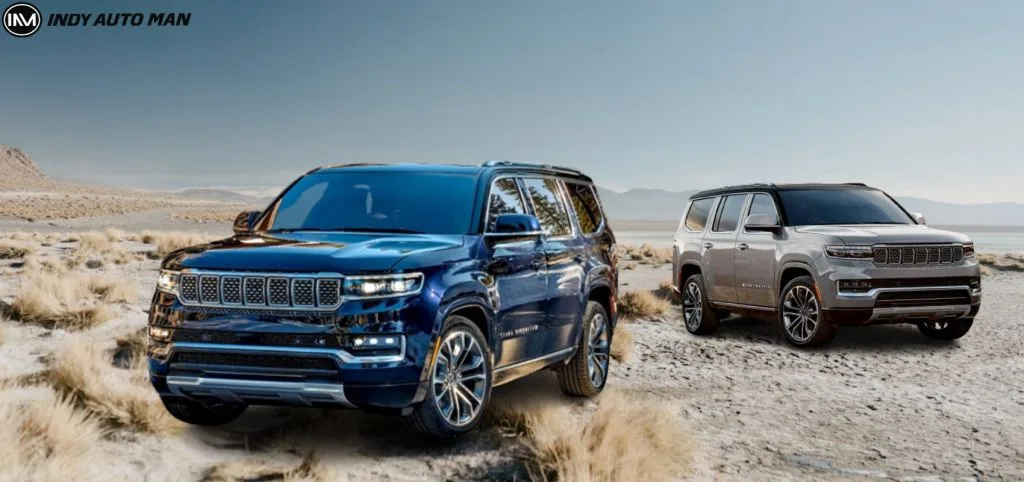
Image source: Bing (Web (fair-use with source credit))
Second-Row Choices: Captain's Chairs or Bench Seat?
This is where you'll see the most direct impact on your Wagoneer's seating configuration. The second row can be equipped in two primary ways: with two individual captain's chairs or a three-person bench seat.
- Captain's Chairs: When you choose captain's chairs for the second row, you get two seats plus a pathway between them. This setup typically means the second row is a 2-seat configuration. This design often provides more comfort and individual space for passengers in the second row.
- Bench Seat: Alternatively, you can opt for a traditional three-person bench seat in the second row. This configuration allows three passengers to sit across the second row.
The choice between these two options is critical because it directly determines whether your Wagoneer will be a 7-seater or an 8-seater.
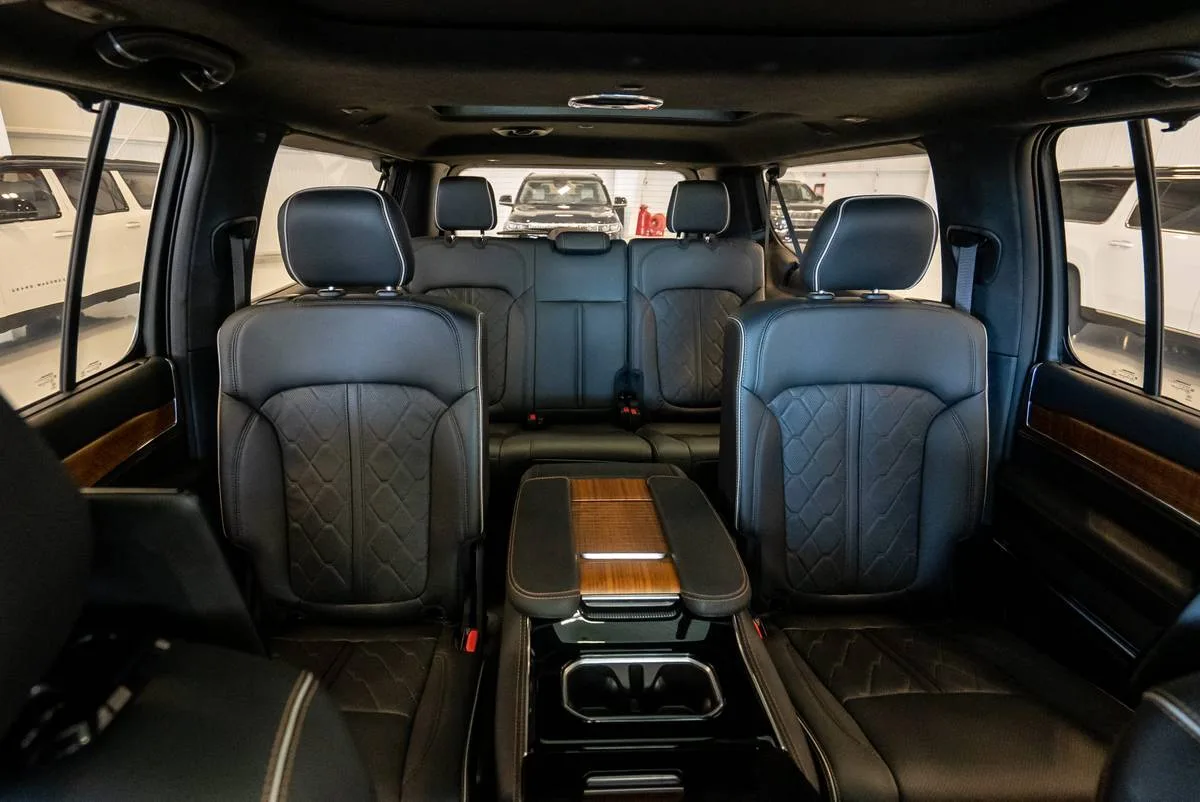
Image source: Web (Bing) / cars.com (Web image (fair-use with source credit))
How Third-Row Seating Fits In
The third row in all Jeep Wagoneer models is designed as a three-person bench seat. This means that regardless of your second-row configuration, the third row will always contribute three seating positions.
So, if you opt for the second-row captain's chairs (a 2-seater setup), your total seating capacity will be 2 (second row) + 3 (third row) + the driver and front passenger = 7 seats. If you choose the second-row bench seat (a 3-seater setup), your total capacity becomes 3 (second row) + 3 (third row) + the driver and front passenger = 8 seats.
This makes the second-row choice the decisive factor in achieving the maximum 8-passenger capacity that the Wagoneer can offer.
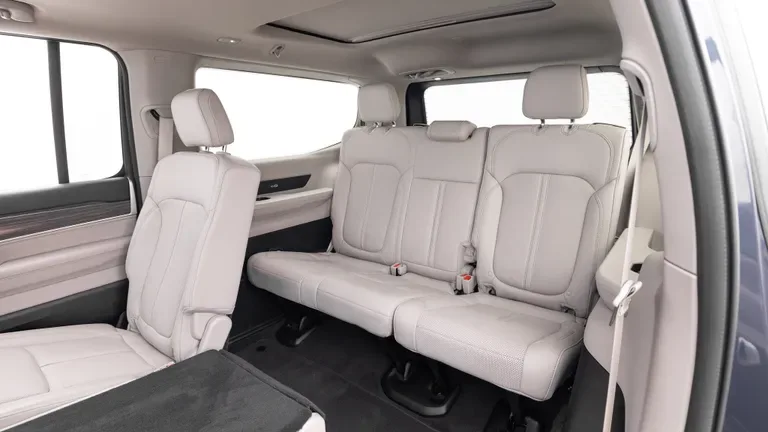
Image source: Bing (Web (fair-use with source credit))
Which Wagoneer Configuration is Right for You?
Deciding between the 7-seater and the 8-seater Wagoneer comes down to your specific needs for passenger transport and the level of comfort you want for those passengers. Think about how you'll most often use the vehicle. Will you regularly carry more than seven people, or is seven usually sufficient with occasional extras?
Our research indicates that the 8-seater configuration is often chosen by larger families or those who frequently carpool. It maximizes the vehicle's ability to transport people, which can be a significant advantage for certain lifestyles. However, it's important to consider the trade-offs.
The 7-Seater Wagoneer: For Smaller Groups
The 7-seater Jeep Wagoneer configuration is the default for many trims and is ideal for families or groups who need substantial seating but not necessarily the absolute maximum. This setup utilizes captain's chairs in the second row, offering a premium and more comfortable experience for those two passengers. Think of it as providing first-class seating for your second-row occupants.
This arrangement means you'll have two individuals in the second row and three in the third, along with the two front occupants. It's a great balance for families who might have two children in the second row and one or two more in the back, or for groups of adults who appreciate the extra space and ease of access the captain's chairs provide. The pathway between the chairs can also be handy for accessing the third row.
The 8-Seater Wagoneer: Maximum Passenger Hauling
If your priority is to carry the most people possible, the 8-seater Jeep Wagoneer is your answer. This configuration is achieved by selecting the second-row bench seat. With this setup, you'll have three occupants in the second row and three in the third, in addition to the driver and front passenger.
This is the configuration that truly unlocks the Wagoneer's potential for large families, shuttle duty, or group outings where maximizing passenger count is essential. It's important to note that while it fits more people, the middle seat in the second-row bench might be less comfortable for longer journeys compared to the captain's chairs. This is a trade-off many are willing to make for the increased passenger capacity.
As of 2026, this option remains a popular choice for those needing maximum utility.
Avoiding Seating Mix-Ups: Common Wagoneer Pitfalls
When you're in the market for a new vehicle, especially one as configurable as the Jeep Wagoneer, it's easy to get caught up in the excitement and overlook crucial details. One of the most common mix-ups people encounter is not fully understanding how their second-row seat choice directly dictates the vehicle's total seating capacity. You might assume all Wagoneers seat eight, only to find your chosen trim comes with captain's chairs standard, limiting you to seven.
Another pitfall is focusing solely on the number of seats without considering the practicality. While an 8-seater Wagoneer technically fits more people, the cargo space can become significantly compromised when all seats are occupied. If you're planning long road trips where luggage is a factor, forgetting to check the cargo volume behind the third row with all seats in use could lead to frustration.
It’s about more than just fitting bodies; it’s about fitting bodies and their stuff.
Wagoneer Seating Configurations at a Glance
When you're choosing between a 7-seater and an 8-seater Jeep Wagoneer, it's helpful to see the options laid out clearly. The primary differentiator is the second-row seating. A 7-seater typically features two individual captain's chairs in the second row, which provides comfortable, dedicated space for two passengers.
This arrangement, combined with the three-person bench in the third row and the two front seats, results in the 7-seat total.
On the other hand, if you opt for the 8-seater configuration, you'll have a three-person bench seat in the second row. This bench allows for three passengers to sit across. Coupled with the standard three-person third-row bench and the two front seats, this configuration maximizes passenger capacity.
This choice directly impacts not just the number of people you can carry, but also how they interact with the cabin space.
| Seating Configuration | Second Row Type | Third Row Type | Total Seats |
|---|---|---|---|
| 7-Seater | Captain's Chairs (2) | Bench (3) | 7 |
| 8-Seater | Bench Seat (3) | Bench (3) | 8 |
This table highlights the core difference. The ability to seat eight passengers is entirely dependent on selecting the second-row bench seat option.
Accessing the Third Row: What to Expect
Getting into the third row of any large SUV is always a consideration, and the Jeep Wagoneer is no different. The ease of access to the third row can be influenced by your second-row seating choice. With the 7-seater configuration, which features second-row captain's chairs, there's typically a clear pathway between the two seats.
This gap makes it relatively straightforward for passengers to walk through to reach the third row without having to fold or tumble seats, although some models might still offer a tumble feature for easier access.
If your Wagoneer is configured as an 8-seater with a second-row bench seat, accessing the third row usually requires one of the outboard seats in the second row to be folded or slid forward. This is a standard procedure for many three-row SUVs. While it's an extra step, most vehicles are designed to make this relatively simple.
It's worth noting that the specific mechanism for folding and sliding can vary slightly by trim level, so understanding that operation is key to smooth passenger boarding.
Interior Comfort and Features by Seating Choice
Beyond just the raw number of seats, the choice between captain's chairs and a bench seat in the second row significantly affects the interior comfort and features available to your passengers. The 7-seater configuration, with its second-row captain's chairs, often provides a more premium experience for those occupying those seats. These individual seats typically come with more substantial bolstering, often include their own armrests, and can offer greater recline adjustments.
In contrast, the 8-seater setup, utilizing a second-row bench, prioritizes passenger count over individual luxury. While still comfortable for most journeys, the bench seat might offer less aggressive bolstering and fewer individual adjustments. The middle passenger on the bench may also have a less ideal seating position compared to those in the captain's chairs.
However, both configurations still benefit from the Wagoneer's generally upscale interior materials and amenities as standard.
Cargo Space Considerations with Seating Configurations
When you choose an 8-seater Wagoneer, maximizing passenger capacity often means a trade-off with cargo space, especially when all seats are in use. The third-row bench seat, whether in a 7-seater or 8-seater configuration, occupies a certain amount of rear volume. When that third row is up, the cargo area behind it is naturally limited.
The difference between the 7- and 8-seater configurations in terms of cargo is subtle but present. Because the 8-seater typically has a full bench in the second row, the overall cabin footprint for passenger seating can feel slightly more "connected" from front to back. However, the volume of cargo space behind the third row is largely dictated by the vehicle's wheelbase.
The extended Wagoneer L offers substantially more cargo room than the standard Wagoneer, regardless of whether you have captain's chairs or a bench in the second row. Manufacturer specifications confirm the Wagoneer L adds approximately 15 cubic feet of cargo space behind the third row compared to the standard wheelbase Wagoneer.
Choosing Your Wagoneer: Key Decision Factors
Selecting the right Jeep Wagoneer seating configuration hinges on understanding your primary use case. If you frequently transport a larger group, say more than six people regularly, the 8-seater model with the second-row bench seat is the practical choice. This setup ensures you can accommodate the maximum number of passengers, which is ideal for large families or for those who often ferry friends and extended family.
This decision prioritizes sheer people-carrying capability above all else.
However, if your typical passenger load is closer to five or six people, or if you value a more refined experience for your second-row occupants, the 7-seater with captain's chairs makes more sense. This configuration offers superior comfort and individual space for those in the second row, along with the convenience of a walk-through to the third row. Consider your regular trips: are you hauling kids and their friends, or adults who appreciate extra elbow room?
Your answer will point you toward the configuration that best suits your daily driving and occasional needs.
Wagoneer Seating FAQs
How many seats does a standard Jeep Wagoneer have?
A standard Jeep Wagoneer typically comes with a 7-seat configuration, featuring second-row captain's chairs. However, an 8-seat option is usually available.
Can I get a Wagoneer with a second-row bench seat?
Yes, you can opt for a second-row bench seat on most Wagoneer trims, which enables the 8-seat configuration. This is a specific option you'll need to select.
Does the Wagoneer L have more seats than the standard Wagoneer?
No, the extended-wheelbase Wagoneer L does not offer more seats than the standard Wagoneer. Both configurations can be equipped with up to 8 seats.
Is the third row comfortable for adults in the Wagoneer?
The third row is generally best suited for children or smaller adults on shorter trips, though it offers more space than many competitors. Adult comfort can vary.
Does seating capacity affect cargo space in the Wagoneer?
Yes, opting for the 8-seat configuration with the second-row bench and utilizing all seats will reduce available cargo space behind the third row compared to a 7-seat setup.