Is the Jeep Wagoneer a Reliable SUV?
If you're considering a full-size luxury SUV like the Jeep Wagoneer, understanding its reliability is a big piece of the puzzle. Getting straight to the point, is the Jeep Wagoneer a reliable SUV? The answer is nuanced, with aggregate owner feedback and historical data suggesting it's not without its issues, particularly concerning certain electronic components and powertrain elements as reported by various automotive research firms.
While the Wagoneer offers a commanding presence and plenty of upscale features, potential buyers often wonder about long-term dependability. Manufacturer specifications indicate robust engine options, like the 3.0L Hurricane inline-six, designed for power, but the overall reliability picture is a mix of strengths and weaknesses that deserve a closer look. We've dug into the data to give you a clear understanding of what to expect.
Is the Jeep Wagoneer a Reliable SUV?
The Jeep Wagoneer's reliability is considered average to below average, depending on the specific model year and components. While it offers impressive capability and luxury, aggregate owner reviews and automotive research data frequently highlight a higher-than-average incidence of repair needs. Many reports point to issues with its advanced electronics and some powertrain components.
As of 2026, this general trend appears consistent.
Jeep Wagoneer: What You Get for Your Money
When you're looking at a Jeep Wagoneer, you're stepping into a premium segment of the SUV market. This isn't just a basic people-mover; it's designed to offer a blend of robust capability, spaciousness, and luxury touches. For your investment, you're getting a vehicle that aims to impress with its size, features, and the Jeep brand's adventurous heritage.
Engines, Drivetrains, and Capability
Jeep offers the Wagoneer with potent engine choices, most notably the 3.0L Hurricane inline-six twin-turbocharged engine. This powerplant is engineered for strong performance and decent efficiency for its class, producing around 420 horsepower and 460 lb-ft of torque. All Wagoneer models come equipped with a sophisticated 4×4 system designed to handle various terrains, underscoring the Jeep brand's off-road prowess.
Its robust construction and drivetrain components are built to support significant towing, often rated up to 10,000 pounds when properly equipped. This capability makes it a serious contender for hauling large trailers or boats.
Interior Space and Comfort
Inside, the Wagoneer is all about accommodating families and passengers in comfort. It typically features three rows of seating, with configurations allowing for seven or eight occupants. The cabin is finished with premium materials, often including leather upholstery, real wood accents, and ample soft-touch surfaces.
Passenger space is generous in all three rows, with plenty of legroom and headroom, making long journeys more pleasant. The infotainment system is also a key feature, offering large touchscreens with intuitive interfaces and connectivity options, which contribute to the upscale feel of the vehicle.
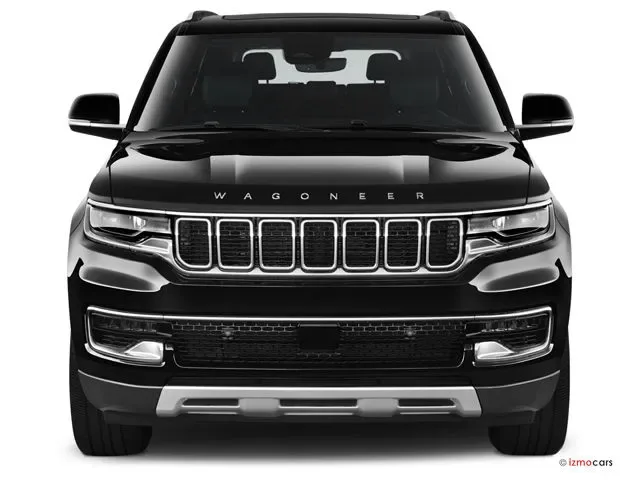
Image source: Bing (Web (fair-use with source credit))
Common Jeep Wagoneer Reliability Concerns
While the Jeep Wagoneer presents a compelling package, its reliability isn't its strongest suit according to many owner reports and automotive analysis. Several recurring themes emerge when people discuss potential issues with this large SUV. It's important to be aware of these to make an informed decision.
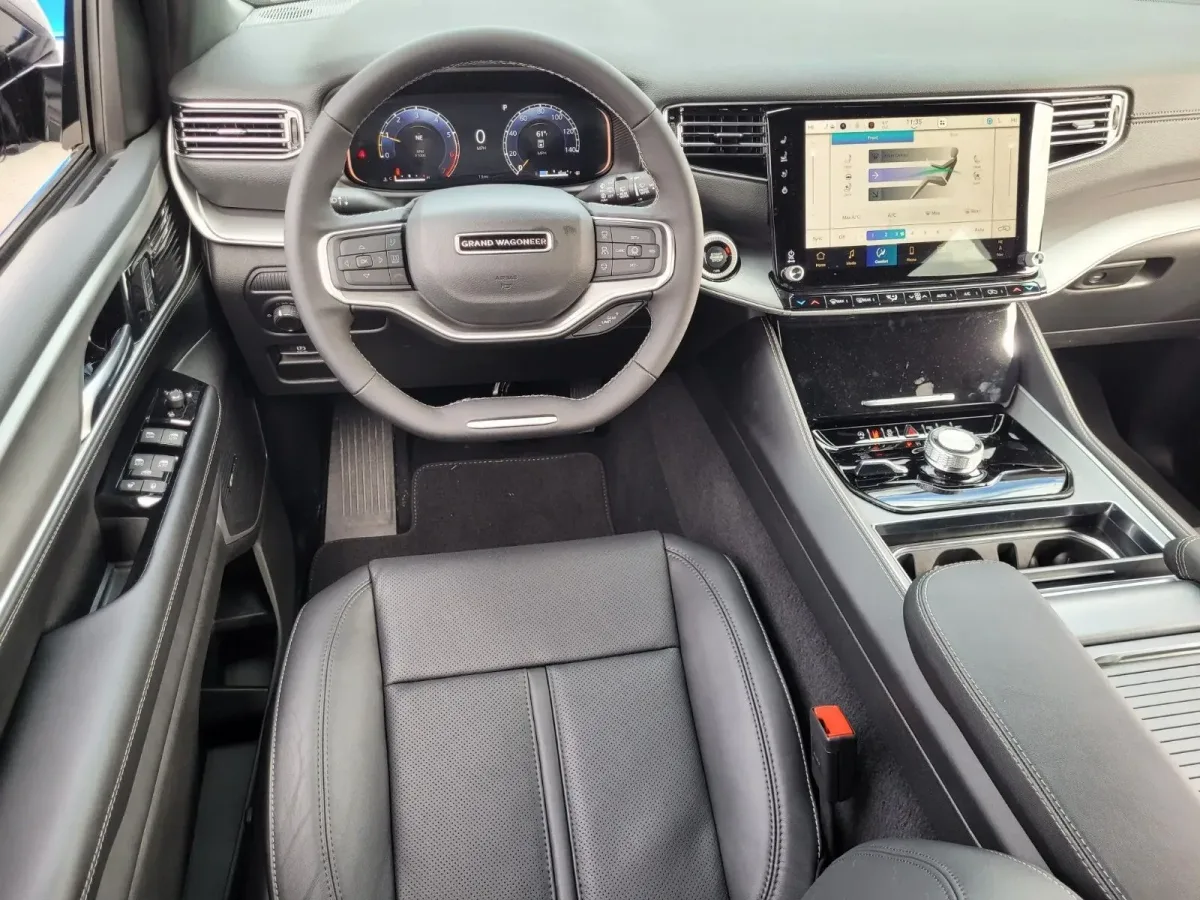
Image source: Web (Bing) / almcars.com (Web image (fair-use with source credit))
What Owners and Experts Report
Aggregate reviews from various automotive research firms often place the Wagoneer's predicted reliability in the average to below-average range. This means you might encounter more unscheduled repairs compared to some competitors. Common complaints from owners frequently involve the vehicle's complex electronic systems.
Issues such as infotainment glitches, sensor failures, and problems with advanced driver-assistance systems (ADAS) are frequently cited. Beyond electronics, some reports indicate concerns with powertrain components, including transmission hiccups or engine performance anomalies, though these are less pervasive than electronic issues.
The Cost of Ownership: Repairs and Maintenance
The higher frequency of reported issues translates directly into a potentially higher cost of ownership for the Jeep Wagoneer. Repairs for sophisticated electronic systems can be particularly expensive, often requiring specialized diagnostics and parts. While routine maintenance like oil changes and tire rotations falls within the expected range for a large SUV, unexpected repairs can significantly increase your annual spending.
For example, a malfunctioning infotainment screen or a faulty sensor could easily run into hundreds or even thousands of dollars to fix. It’s wise to factor in the possibility of higher repair bills when budgeting for this vehicle, especially outside of the warranty period. You can often find detailed owner feedback and common issue breakdowns on automotive forums and specialized review sites.
How Wagoneer Reliability Stacks Up Against Rivals
When you're comparing a Jeep Wagoneer, it's natural to look at its primary competitors in the full-size luxury SUV segment. Reliability is a major factor for buyers in this class, as these vehicles represent a significant investment. The Wagoneer often finds itself in the middle of the pack, with some rivals generally scoring higher in predicted reliability metrics.

Image source: Web (Bing) / fredmartinsuperstore.com (Web image (fair-use with source credit))
Wagoneer vs. Tahoe/Yukon
Compared to its General Motors cousins, the Chevrolet Tahoe and GMC Yukon, the Wagoneer often lands in a similar reliability tier, sometimes slightly behind. The Tahoe and Yukon are known for their robust, truck-based platforms, which can translate to dependable performance. However, like the Wagoneer, they can also experience issues with their advanced electronics and infotainment systems.
Aggregate data from sources like J.D. Power often shows these GM SUVs performing around the average mark for their class, while the Wagoneer might hover slightly below average in some years, particularly in early model runs.
Wagoneer vs. Expedition/Navigator
When comparing the Wagoneer to Ford's offerings, the Expedition and its luxury counterpart, the Lincoln Navigator, the picture becomes more competitive. Ford's models have generally performed well in reliability surveys, often scoring at or above the segment average. The Expedition and Navigator, built on a strong F-150 platform, are recognized for their durable powertrains and solid build quality.
While they also have sophisticated technology that can sometimes lead to glitches, the reported incidence and severity of such issues are often perceived as lower than those noted for the Wagoneer by a segment of automotive reviewers.
Who Is the Jeep Wagoneer Best For?
The Jeep Wagoneer isn't an SUV for everyone. Its size, price point, and specific characteristics make it ideal for a particular type of buyer. If you're looking for a vehicle that blends substantial capability with a premium experience, and you're prepared for the potential maintenance considerations, it could be a great fit.
Families, Towing, and Luxury Needs
This SUV is particularly well-suited for families who need ample passenger and cargo space. With seating for up to eight, it can comfortably transport large families or groups, making it excellent for carpooling or long road trips. Furthermore, its impressive towing capacity of up to 10,000 pounds makes it a strong choice for those who need to tow boats, campers, or other substantial trailers regularly.
Buyers who prioritize a luxurious interior, advanced technology, and a commanding presence on the road will also find the Wagoneer appealing. However, potential owners should weigh these benefits against the reported reliability data and associated ownership costs. For those who can manage or mitigate potential repair needs, the Wagoneer offers a compelling blend of utility and refinement.
Expert Tips for Buying a Wagoneer
Purchasing a Jeep Wagoneer involves more than just picking a trim level; it requires a strategic approach to ensure you get a dependable vehicle. Given the reliability reports, a bit of extra diligence during the buying process can save you headaches and money down the road. Think of it as investing in peace of mind.
Pre-Purchase Checks and Maintenance Habits
Before you sign on the dotted line, particularly if you're considering a pre-owned model, a thorough inspection is crucial. We recommend getting a pre-purchase inspection from an independent mechanic familiar with Jeep vehicles. This can uncover potential issues not immediately apparent.
For new models, understand the warranty coverage inside and out, and commit to a strict maintenance schedule. Following the manufacturer's recommended service intervals at an authorized dealership or a reputable independent shop is key to prolonging the vehicle's life and catching minor problems before they escalate.
Frequently Asked Questions
What are the most common issues reported for the Jeep Wagoneer?
The most frequently reported issues for the Jeep Wagoneer tend to involve its complex electronic systems, including infotainment glitches, sensor malfunctions, and problems with advanced driver-assistance features. Some owners also report concerns with powertrain components and the transmission.
Does the model year affect Wagoneer reliability?
Yes, the model year can significantly impact Jeep Wagoneer reliability. Newer models, especially as they mature through their first few years, often see improvements as manufacturers address early production issues. However, early model years of any new vehicle can sometimes present more teething problems than later iterations.
Is the Jeep Wagoneer expensive to repair?
Repair costs for the Jeep Wagoneer can be higher than average for the segment, particularly for issues related to its advanced electronics and luxury features. Specialized parts and labor for these complex systems contribute to higher expenses, especially when a vehicle is out of its original warranty.
What is the average repair frequency for a Wagoneer?
According to aggregate data from automotive research firms, the Jeep Wagoneer typically experiences a higher-than-average repair frequency compared to many competitors in the full-size SUV class. This means owners may encounter unscheduled repair visits more often.
Are there specific components known for failure in the Wagoneer?
Yes, beyond general electronics, specific components that have been noted for potential issues include certain sensors within the powertrain and ADAS, as well as occasional reports of issues with the infotainment display and its associated software.