How to Protect the Floor Under a Treadmill
If you've ever rolled a treadmill into place and wondered what that heavy machine is doing to your floor, you're not alone. Knowing how to protect the floor under a treadmill is the difference between a fresh-looking room and permanent dents, scratches, or sweat stains. It's not complicated, but it does depend on your flooring type and how you plan to use the treadmill.
According to manufacturer documentation, most home treadmills weigh between 120 and 350 pounds, and that's before you step on. The combination of weight, impact, and sweat makes a bare floor the wrong choice. As of 2026, treadmill mats and rubber stall mats are the most common solutions, and the right one for you comes down to a few simple variables.
Let's walk through them, starting with the surface you're protecting.
Quick Answer
Put a dense rubber or PVC mat under your treadmill. That's how to protect the floor under a treadmill from dents, scratches, and sweat. Choose at least 6mm thickness for light models.
Go thicker for heavy incline trainers. Add anti-vibration pads for upstairs rooms.
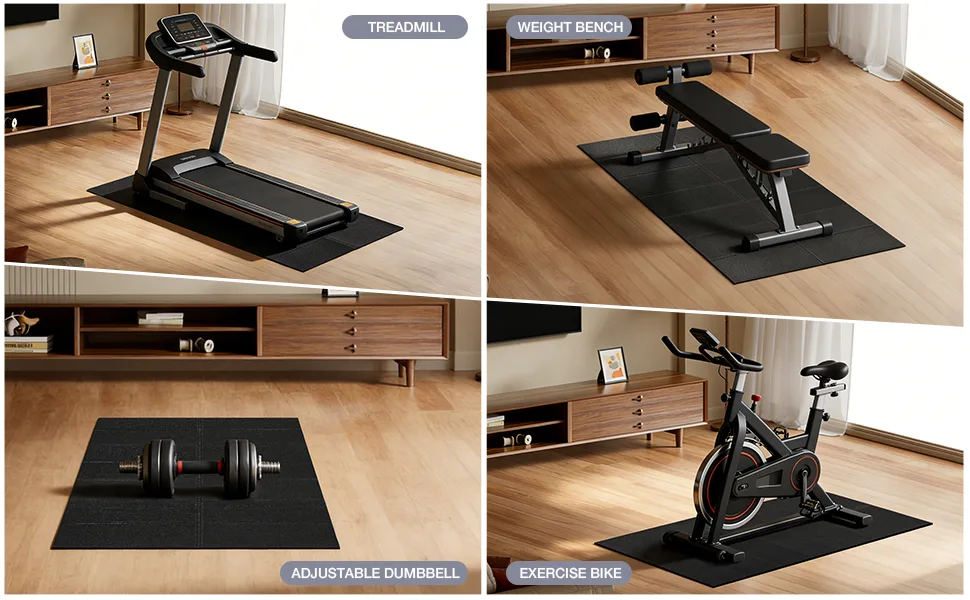
Image source: Bing (Web (fair-use with source credit))
Start Here: What Type of Floor Are You Protecting?
The single biggest factor is the surface under the treadmill. Each floor type reacts differently to repeated weight and pressure. Match your protection to the floor, and you're most of the way there.
Hardwood and Laminate
Hardwood and laminate are the riskiest floors to put a treadmill on. The weight and movement grind dirt and grit into the finish, leaving scratches and dull patches. Over time, the treadmill's feet can also dent the wood.
If you have hardwood or laminate, a mat isn't optional. It's the main protection.
Carpet and Berber
Carpet might seem like a soft landing, but it comes with its own set of problems. Heavy treadmills compress carpet fibers, leaving permanent indentations that don't bounce back. Berber carpet is even worse.
The tight loops can fray when rubbed by the treadmill belt. A mat with a firm base is the standard fix here.
Tile, Vinyl, and Concrete
Tile and vinyl handle weight fine, but they don't absorb impact. Dropping a heavy dumbbell or shifting the machine can chip a tile. Concrete is tough but brutal on your joints, and it turns a treadmill into a noise amplifier.
With these floors, your main job is adding cushion and catching sweat.
Matching the Mat to Your Treadmill and Room Setup
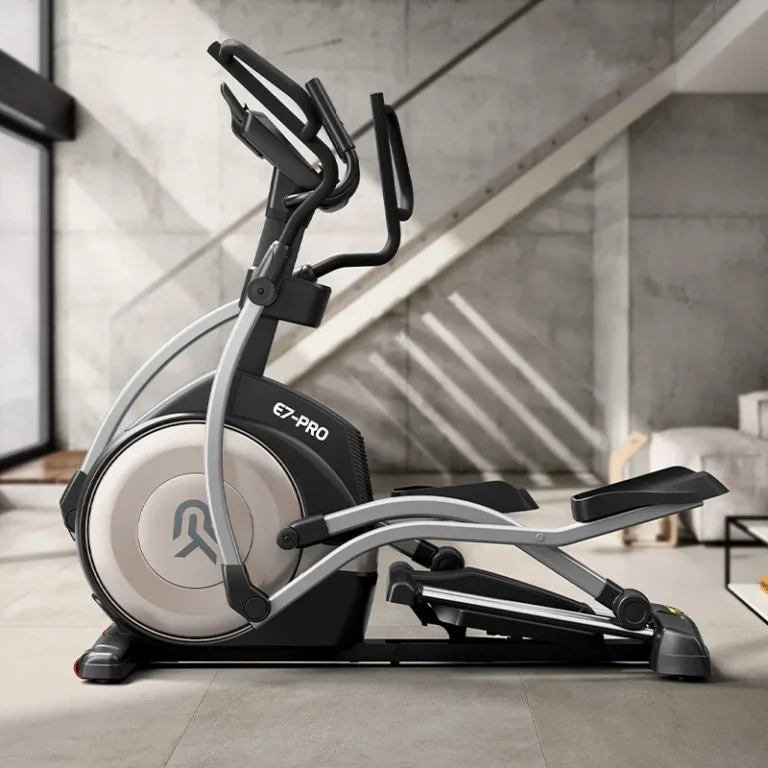
Once you know your floor, the next variable is your treadmill itself. Heavier machines need denser support, and faster belts generate more sideways force. The same logic applies to elliptical machines, which is why manufacturers recommend mats for them too.
The wrong mat can move under the machine during a sprint. That's both annoying and dangerous.
Treadmill Weight and Motor Size
A lightweight walking treadmill around 80 pounds can get away with a thin 3mm mat. A heavyweight incline trainer or commercial treadmill that weighs over 250 pounds needs a thicker, denser mat, usually 10mm or more. The motor size matters too.
Larger motors create more vibration that transfers into the floor. When in doubt, buy bigger and thicker than you think you need.
Where the Treadmill Sits: Bedroom, Basement, Apartment, or Garage
Location changes the requirements. On a ground floor or in a garage, noise is less of a concern, but sweat protection still matters. In an apartment or any upstairs room, sound dampening becomes critical, so the mat has to absorb impact, not just protect the finish.
Basements and garages need moisture-resistant mats because damp concrete can seep through thinner materials.
Heavy-Duty Options: Stall Mats, Plywood, and Anti-Vibration Pads
Sometimes a standard treadmill mat isn't enough. If your treadmill is especially heavy, or you're dealing with an upstairs space that shakes the whole house, you have three heavier-duty options. Safety guidelines from the [U.S.
Consumer Product Safety Commission](https://www.cpsc.gov) stress keeping a treadmill stable and level, so whatever you add has to sit flat.
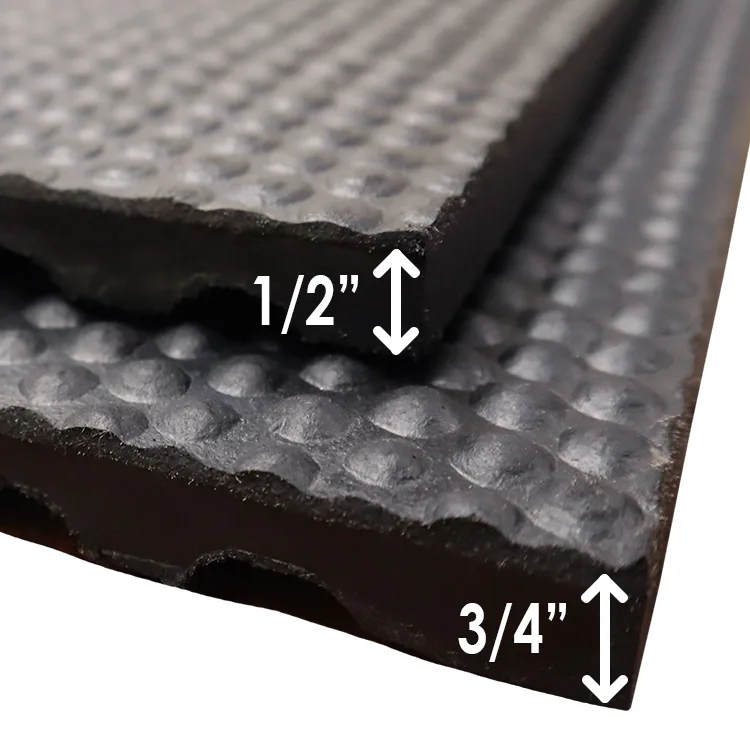
Image source: Bing (Web (fair-use with source credit))
Horse Stall Mats
Horse stall mats are thick rubber sheets originally built for livestock stalls. They're typically 3/4 inch thick and weigh around 100 pounds. That density makes them excellent at absorbing vibration and holding a treadmill steady.
The downsides are their size, weight, and rubber smell, which can linger for weeks.
Plywood Underlayment
Plywood underlayment is the quiet DIY trick. A single 3/4-inch sheet cut to fit under the treadmill spreads the weight across a wider area, which helps on thick carpet or uneven floors. It stops the dents but does almost nothing for vibration or noise.
Anti-Vibration Pads
Anti-vibration pads are smaller pucks placed under the treadmill's four corners. They aren't a full floor protector, but they do reduce the thumping that travels down to the floor below. Use them alongside a mat if you're on the upper floor of an apartment building.
Quick Decision Guide: Which Floor Protector Should You Buy?
If you're trying to choose right now, here's the short version. Match your situation to a row in the table, and you'll have your answer.
| Floor Type | Treadmill Type | Recommended Mat | Why It Works |
|---|---|---|---|
| Hardwood or laminate | Heavy or incline trainer | 10mm+ rubber or PVC mat | Dense rubber spreads weight and protects the finish |
| Carpet (plush or berber) | Folding or walking treadmill | Firm base mat with stiff backing | Prevents permanent carpet indentations |
| Tile or vinyl | Any treadmill | 6mm anti-fatigue mat | Adds cushion and catches sweat without slipping |
| Concrete (garage or basement) | Heavy or commercial | 3/4-inch horse stall mat | Thick rubber adds cushion and reduces noise |
These aren't hard rules. If your carpet is very thin, a dense rubber mat still works. If you're in an apartment, add anti-vibration pads no matter which row you fit.
And if you're setting up other workout gear, like adjustable dumbbells, the same floor-protection logic applies.
Step-by-Step: Measuring, Placing, and Maintaining Your Mat
Once you've picked a protector, the setup takes about 30 minutes. Here's the process that works for most people, with the measurements to get right.
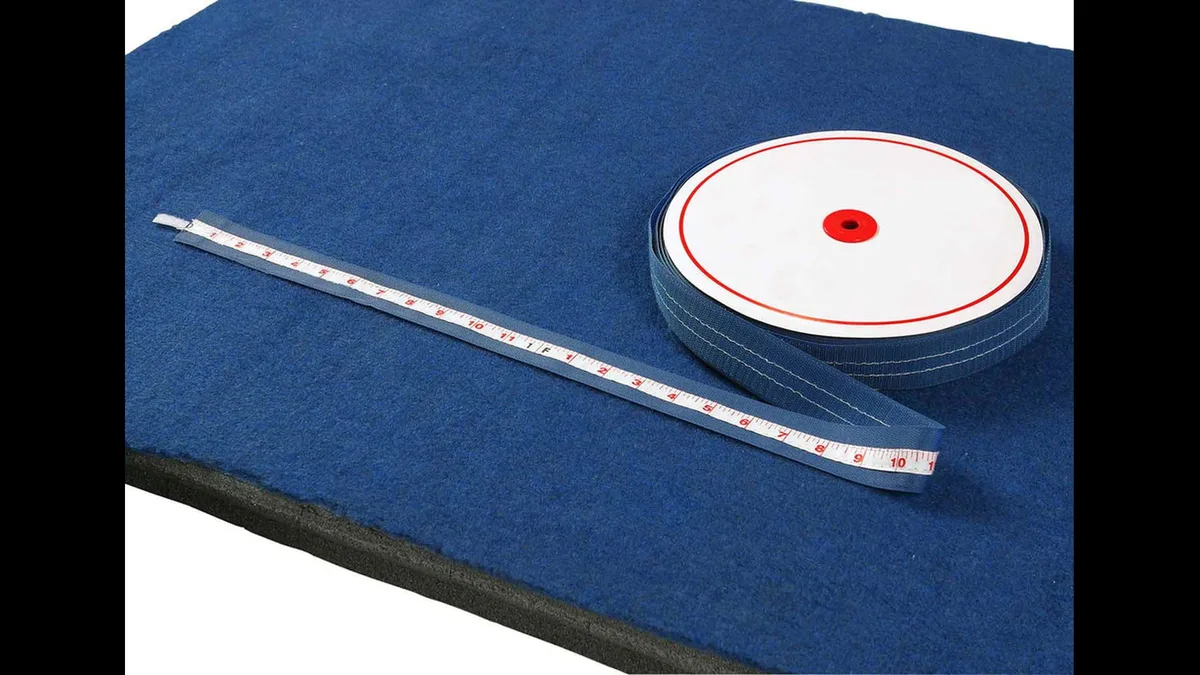
Image source: Bing (Web (fair-use with source credit))
- Measure the treadmill footprint first. Put a tape measure under the base from front to back and side to side.
- Add at least 3 inches of clearance on every side. If the treadmill is 40 inches wide, order a mat at least 46 inches wide. More space is better.
- Clean the floor before placing the mat. Dirt underneath can scratch bare floors, which defeats the purpose.
- Unroll the mat and let it flatten overnight. PVC mats often arrive curled.
- Place the treadmill on the mat, centered, then step on it to test stability.
- Wipe the mat down monthly with a damp cloth and vacuum any dust collecting under the machine.
Sweat is the silent killer of both floors and mats. Even a clean towel left under the treadmill can trap moisture against hardwood. Wipe up spills right away, and inspect the mat's edges now and then.
If you notice curling, flatten it with a weighted board for a few days. A little regular equipment maintenance goes a long way toward keeping your floor and your treadmill in good shape.
Common Mistakes That Wreck Floors (and Treadmills)
One wrong move can undo all your floor protection work. Most damage comes from a handful of common mistakes, and they're easy to avoid once you know what to look for. Here are the biggest ones, plus the fix for each.
- Skipping a mat on hardwood or laminate. Even a light walking treadmill can leave scratches and dents after a year of daily use. A 10mm rubber or PVC mat is non-negotiable on these floors.
- Using a thin mat on plush carpet. A 3mm mat won't stop the weight from compressing carpet fibers. You'll end up with permanent indentations. Choose a stiff-backed mat at least 8mm thick.
- Placing the mat on a dirty floor. Sand and grit trapped between mat and floor act like sandpaper. Sweep and vacuum before unrolling anything.
- Ignoring sweat and moisture. Sweat drips down the frame and pools under the feet. Over time, it rots hardwood and rusts the treadmill's base. Wipe the mat and surrounding floor monthly.
- Forgetting to check the mat's edges. Curled edges become a trip hazard, especially if the mat slides on carpet. Flatten new mats overnight before placing the treadmill on top.
- Measuring only the footprint. The mat needs at least three inches of extra clearance on every side. Without it, sweat and dust find their way onto the floor.
These mistakes also apply to other heavy floor equipment. Giving your workout space proper clearance and support, like giving dumbbells enough room, keeps everything safer. Fixing these issues now saves you from refinishing floors later.
Frequently Asked Questions
Here are the questions people ask most about protecting floors from treadmills.
What can I put under a treadmill on hardwood?
A dense rubber or PVC mat at least 10mm thick is the standard answer. It spreads the treadmill's weight and catches sweat before it reaches the wood. Make sure the mat has a smooth, water-resistant surface.
Skip foam tiles, which compress too much and let dents form.
Can I use a regular exercise mat under a treadmill?
Not if you want real protection. Most yoga and general exercise mats are only 3 to 6mm thick. They lack the density to stop a heavy treadmill from denting floors.
Use a purpose-built treadmill mat or a 3/4-inch horse stall mat instead.
How thick should a treadmill mat be?
It depends on your treadmill and floor type. For a basic walking treadmill on a hard floor, 6mm works. For a heavy incline trainer or anything over 200 pounds, go with 10mm or thicker.
On carpet, the mat's stiffness matters more than thickness.
Will a treadmill mat stop noise from traveling downstairs?
It helps, but it won't eliminate the thump. A thick rubber mat absorbs some impact and reduces vibration. For upstairs rooms, add anti-vibration pads under the treadmill legs.
Together, they cut most of the noise that reaches the floor below. The same vibration problem causes elliptical squeaks when machines aren't stabilized.
How do I keep a treadmill mat from sliding?
Choose a mat with textured or non-slip backing. If it still shifts on carpet, place a thin plywood sheet under the mat. On hard floors, ensure the floor is dry and clean.
Heavier mats also slide less because their weight holds them in place.
Do I need a mat for a treadmill in a garage?
Yes, especially on concrete. Concrete handles weight but transfers impact into your knees and echoes noise. A 3/4-inch horse stall mat adds cushion and protection.
It also stops sweat from pooling on the concrete and staining it. Plywood underlayment works too, but it doesn't muffle sound.