How High Should a Spin Bike Seat Be
If you’ve ever climbed onto a spin bike and felt your hips rocking side to side after just ten minutes, seat height is usually the culprit. How high should a spin bike seat be? It’s the most common question in any indoor cycling class, and the answer comes down to a simple test you can do in under a minute.
Our research, including manufacturer fitting guides and cycling biomechanics literature, points to a comfortable knee angle between 25 and 35 degrees at the bottom of the pedal stroke. As of 2026, that range remains the standard accepted by coaches and physical therapists. Get it right, and everything about your ride gets easier.
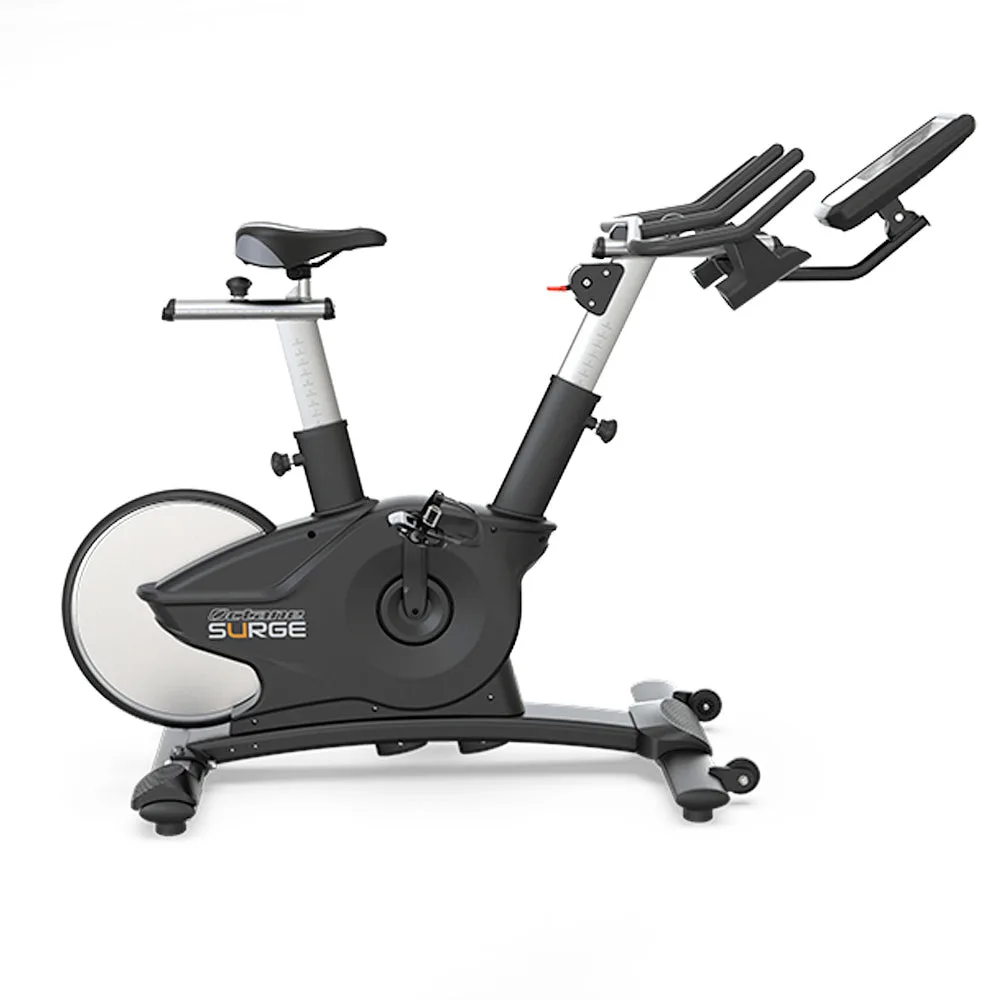
Image source: Bing (Web (fair-use with source credit))
Why Your Spin Bike Seat Height Is a Bigger Deal Than You Think
A seat that’s off by an inch doesn’t just feel awkward. It changes the angle of your knee, the load on your lower back, and the way your hips track over the saddle. Over a 45-minute class, that small error turns into hundreds of pedal strokes with poor mechanics.
Knee pain is the number one complaint, and it’s almost always traced back to the saddle. A seat set too low forces your quadriceps to do all the work. A seat set too high makes you overreach, which strains your hamstrings and hyperextends the knee joint.
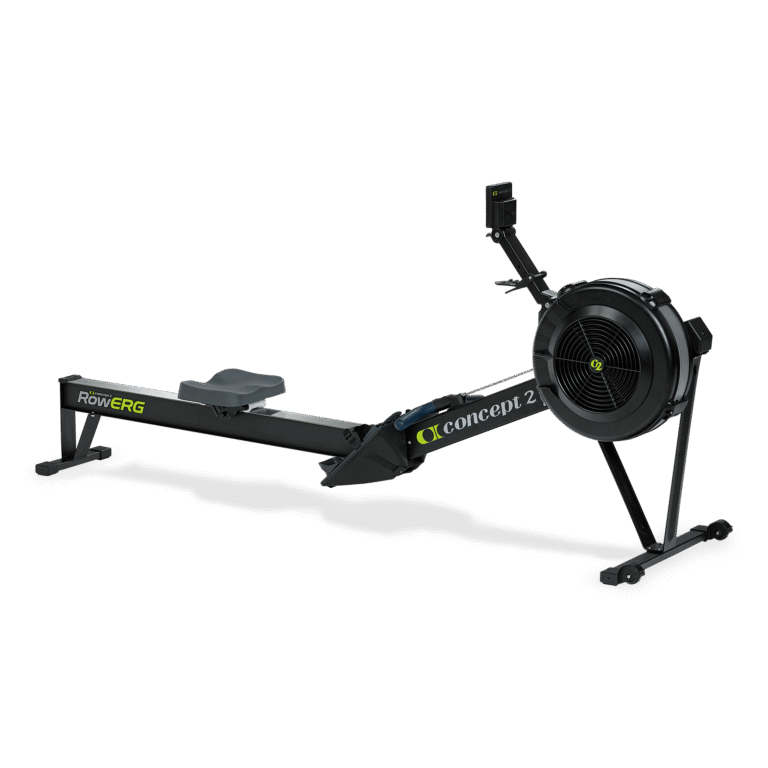
Spin bikes have a different frame geometry than road bikes, so you can’t just copy a friend’s setting. The same logic applies to all home training gear. Proper adjustment matters just as much on a rowing machine, where foot position and resistance affect your joint angles.
The good news is that body mechanics follow a universal rule: your knee should never lock out, and your hips should stay level and stable through every revolution. That’s why getting this right matters as much as nailing the correct form on any other machine.
Quick Answer
How high should a spin bike seat be? High enough for a slight knee bend. Place your heel on the pedal at the bottom.
Your leg should be straight. Your knee stays bent using the ball of your foot. That’s your saddle height.
This is often called the heel-on-pedal test. It works for virtually every adult rider, from 5-foot-2 to 6-foot-5. Start there, then fine-tune based on comfort.
What's Actually Happening Below You: Knee Angle, Crank Length, and Pedal Position
Your seat height doesn’t exist in a vacuum. It interacts with three things: the crank arm length, the pedal position, and your own leg proportions.
The crank arm is the metal arm that connects the pedal to the bike’s drivetrain. Most spin bikes use cranks between 165mm and 175mm. That might not sound like much, but it changes how far your knee travels at the bottom of each stroke.
The pedal position matters even more. At the bottom of the rotation, known as bottom dead center, your leg is at its longest extension. That’s the exact moment you need to check for the correct bend.
The American Council on Exercise recommends a knee flexion angle between 25 and 35 degrees at full extension. That’s the sweet spot where your muscles generate power without overloading the joint.
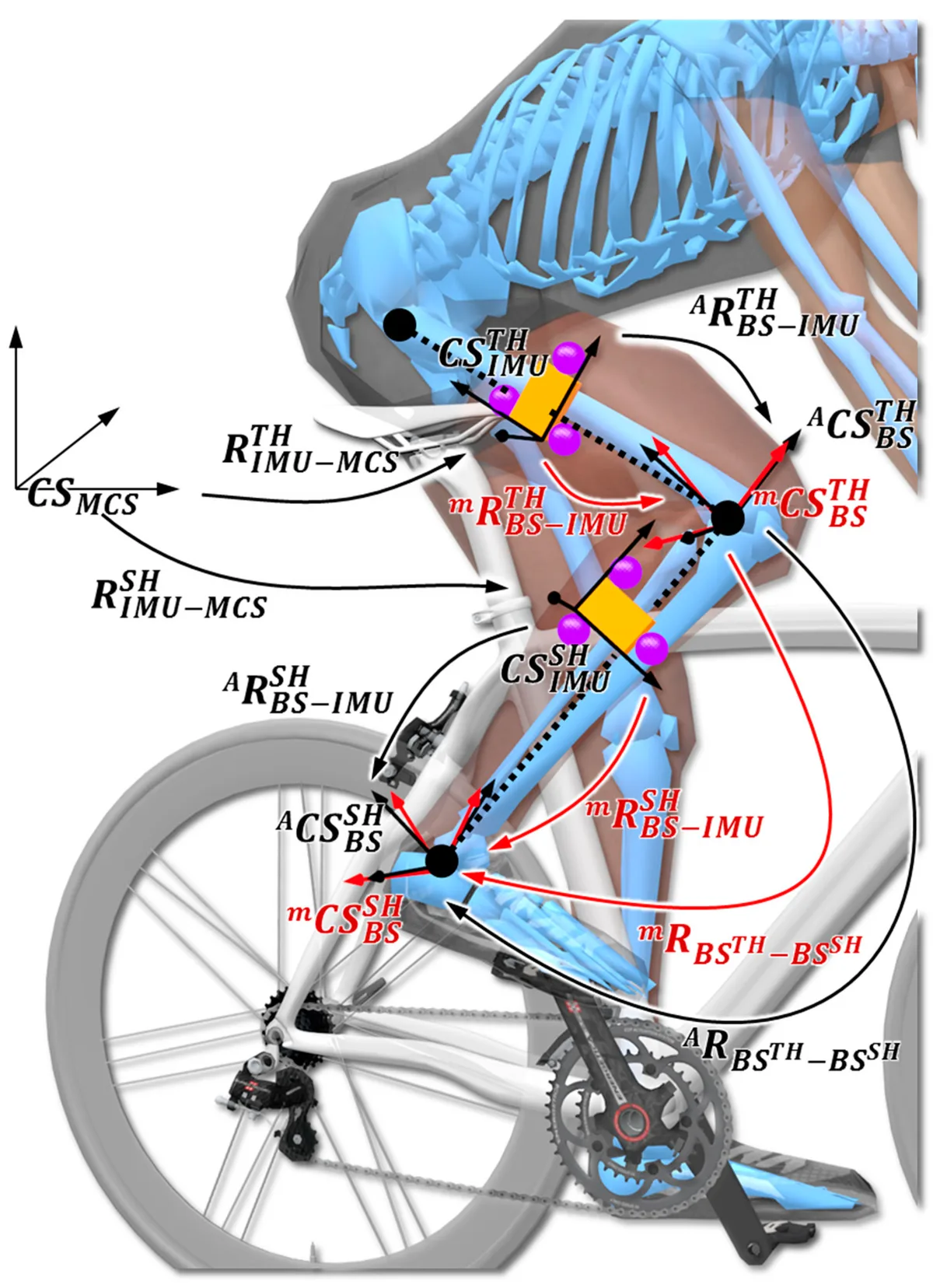
Image source: Bing (Web (fair-use with source credit))
Why the Hip-Height Trick Isn't Enough on Its Own
You’ve probably heard the advice: set the saddle so it’s level with your hip bone. That’s meant as a starting point, not a final answer. Hip height varies wildly depending on your torso length, leg proportions, and shoe sole thickness.
On a spin bike, the seat tube angle is steeper than most people expect, usually around 73 to 76 degrees. That geometry shifts where your knee lands relative to the pedal spindle. If you rely on hip height alone, you’ll often end up an inch or more away from the true optimal position.
The belt-and-suspenders approach is simple: start with hip height, then confirm with the heel-on-pedal method. It takes less than a minute and removes almost all the guesswork.
Step-by-Step: How to Measure and Set Your Spin Bike Seat Height
You’ll need a flat wall, a book or measuring tape, and a pair of cycling shoes you plan to ride in. Optionally, a second person helps, but you can absolutely do this solo.
| Step | What to Do | Key Detail |
|---|---|---|
| 1 | Measure your inseam against a wall | Stand barefoot, book between legs, mark height |
| 2 | Loosen saddle clamp | Use quick-release or Allen bolt |
| 3 | Set seat near hip height | Just a rough starting point |
| 4 | Put pedal at 6 o’clock | Lowest point of the stroke |
| 5 | Place heel on the pedal | Leg should be completely straight |
| 6 | Switch to ball of foot | Knee should now be slightly bent |
| 7 | Tighten the clamp securely | Test for rocking before riding hard |
The trickiest part is getting your foot properly positioned while the saddle is still loose. Sit on the bike, place the pedal at the very bottom of its rotation, then rest your heel on the pedal platform. Your leg should extend fully, with no bend and no straining to reach.
Now swap to the ball of your foot. Your knee should dip into that 25 to 35 degree bend. If your knee stays locked straight, lower the seat slightly.
If you’re still bent significantly, raise it a bit.
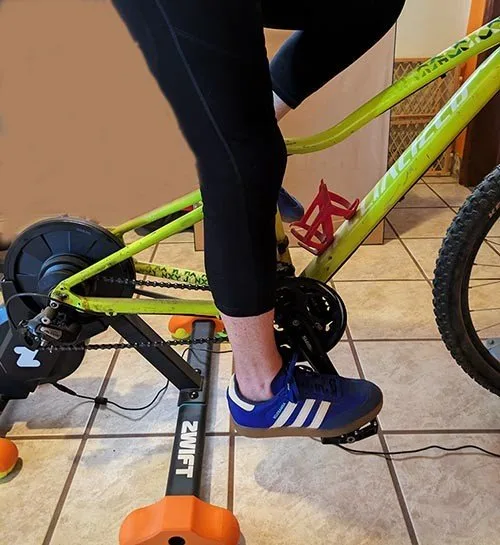
Image source: Bing (Web (fair-use with source credit))
Fine-Tuning After Your First Ride
The heel-on-pedal test gets you 95 percent of the way there. The last few millimeters come from feel. Climb on and ride at a moderate pace for five minutes, which is close to a typical warm-up length.
If you notice any hip rocking, your seat is too high. If your quads burn out early, it’s likely too low.
Make adjustments in small increments, about 1cm at a time. That’s roughly half an inch. Tighten the clamp before you ride, and remember that switching to thicker-soled shoes can change the effective height by several millimeters.
The Most Common Seat Height Mistakes (And How to Spot Them in Your Own Ride)
Even experienced riders botch this. Here’s what goes wrong most often.
- Setting the seat too low to feel safe. Beginners do this all the time. As a result, their knees track forward well past their toes, and the quads take constant strain.
- Raising the seat to shorten leg reach. That’s backwards thinking. If you feel like your leg is stretching too far at the top of the pedal, raise the seat, not lower it.
- Forgetting that shoes have thickness. A thick, soled trainer shoe adds several millimeters. Your seat height is measured from your heel, so soles count.
- Neglecting the saddle tilt. A nose pointing up creates groin pressure. A nose pointing down makes you slide forward. Set the saddle level first, then adjust seat height.
- Skipping the final clamp check. A loosely tightened seat will slowly drop mid-ride, especially on bikes with quick-release levers. Always test with a firm push down on the saddle before clipping in.
If you catch yourself gripping the handlebars like a lifeline, that’s another sign your seat position is forcing you forward. A proper seat height keeps your hands relaxed and your hips anchored.
When Pain Persists: How to Know If It's the Seat or Something Else
Not every ache comes from seat height. Your saddle’s fore-and-aft position, handlebar reach, and cleat alignment all change how your knee tracks.
Front-of-knee pain usually means the saddle is too low. Pain behind the knee typically signals a saddle that’s too high. A burning sensation at the bottom of your foot points to cleat angle or a saddle tilted too far forward.
If you fix the height and still feel discomfort, check the saddle’s horizontal position. Sliding it back shifts weight off your hands and opens up your hip angle. Moving it forward engages your quads more and shortens your reach.
Handlebar height also plays a role. A bar set too low forces you to hinge forward, which pulls your pelvis toward the nose of the saddle. That subtle shift changes your effective seat height mid-ride.
Sharp joint pain, numbness that lingers after a workout, or pain that hasn’t eased in two weeks deserves a professional look. A bike fitter can measure your leg geometry and dial in every contact point. Consider it a smart investment if you ride several times a week.
The same principle applies to other home cardio equipment. If the machine isn’t adjusted to your body, no workout feels right. For example, using a rowing machine correctly prevents the lower back strain that’s so common among beginners, just as a proper saddle height protects your knees.
Frequently Asked Questions
How should a beginner set their spin bike seat?
Start with the heel-on-pedal test. Place the pedal at the bottom of the stroke, rest your heel on the pedal, and set the seat so your leg is completely straight. Then switch to the ball of your foot.
You should see a slight knee bend. Beginners often set the seat too low out of caution, so trust the test over your instincts.
How do I know if my spin bike seat is too high?
Your hips will rock side to side with every pedal stroke. You may also feel a stretch behind your knee, or your lower back will start aching during the ride. If you’re pointing your toes to reach the bottom of the pedal, that’s another clear sign.
Lower the saddle by about 1cm and ride again.
Why does my foot go numb during spin class?
Numbness in the balls of your feet usually comes from a saddle set too high, which forces you to reach and point your toes. It can also happen when the saddle nose tilts down, pushing your weight into the pedals. Re-check your seat height first, then level the saddle.
Should I adjust the seat when switching between cycling shoes and trainers?
Yes. Cycling shoes with stiff soles and cleats add stack height under your foot. That extra few millimeters changes your effective leg extension.
Re-run the heel-on-pedal test whenever you switch footwear. Otherwise, you’ll be riding with a slightly different knee angle than you intended.
How often should I check my spin bike seat height?
Only when the bike feels wrong, or when someone else has used it. If you’re the sole rider, you shouldn’t need to touch it more than once every few months. That said, check the clamp and Allen bolt tension weekly.
A loose seat that drops mid-ride can strain your knee before you notice.