What Lubricant Should I Use on a Treadmill
When you search for what lubricant should I use on a treadmill, the answer depends on your machine. The right choice hinges on your manufacturer's specs, the belt material, and whether your model even needs manual lubrication.
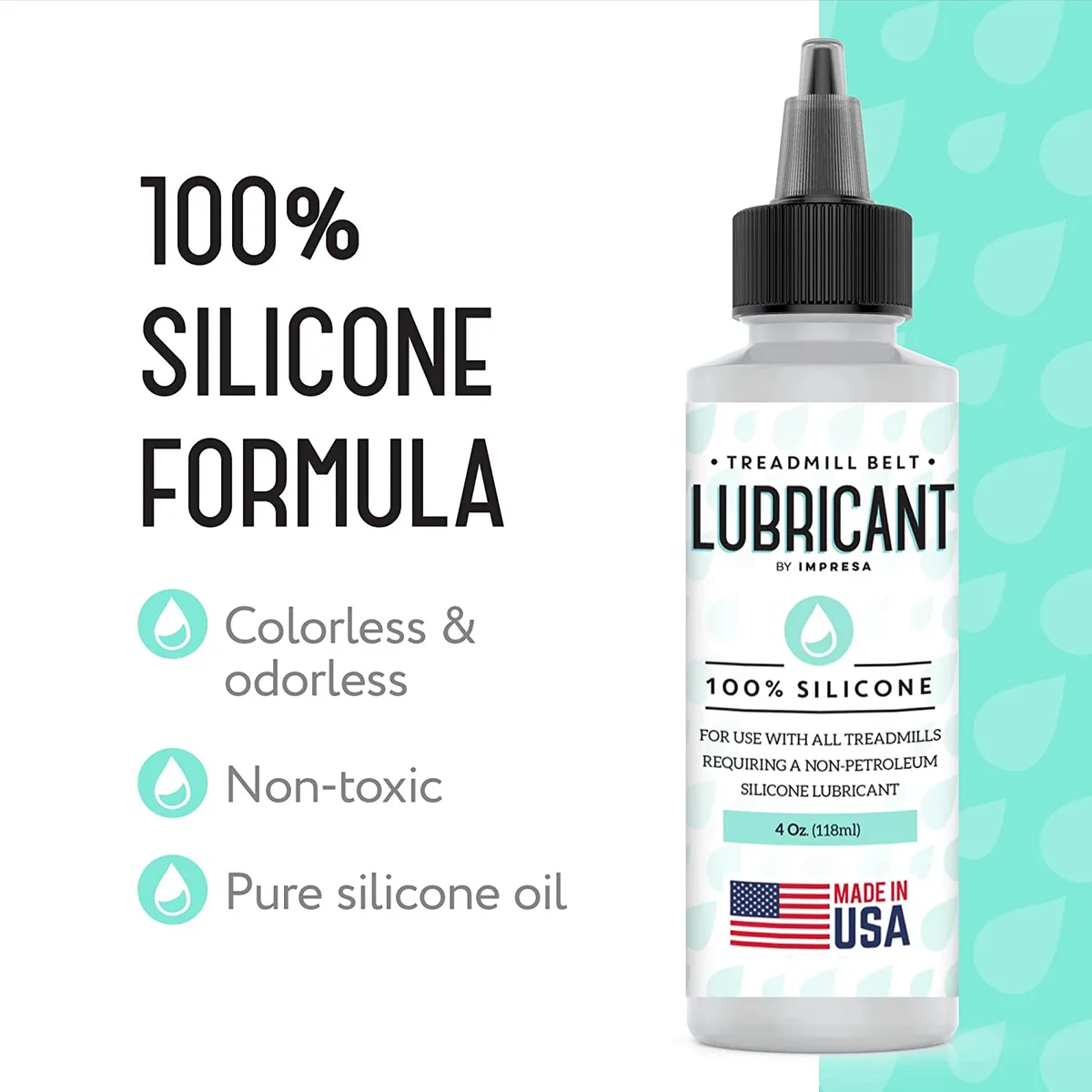
Image source: Bing (Web (fair-use with source credit))
Most home treadmills from NordicTrack, ProForm, and Sole call for 100% liquid silicone. Some commercial models use PTFE (Teflon) lubricant or a wax-infused belt that never needs manual application. Check your owner's manual first.
First, Answer This: Is Your Treadmill Self-Lubricating?
Before you buy anything, look up your treadmill's make and model. Find the maintenance section in your owner's manual or the manufacturer's support site.
Your manual will tell you one of three things:
- It requires manual lubrication. Most common for home treadmills. The guide specifies the exact type, usually liquid silicone.
- It has a self-lubricating belt. Many newer models use a belt infused with wax or PTFE. These are maintenance-free. Adding lubricant causes slipping.
- It's a commercial-grade machine. Brands like Life Fitness or True use specific lubrication systems. Wrong products damage the deck and void warranties.
Can't find the manual? Check the treadmill's frame for a sticker with the model number. A quick search for "[brand] [model] owner's manual" usually surfaces the PDF.
The Quick Answer: 100% Silicone for Most Home Treadmills
For most residential treadmills, use a pure, liquid silicone lubricant labeled as 100% silicone with no added scents, dyes, or solvents.
Skip silicone sprays. Aerosol cans contain propellants that damage the belt. Get a liquid silicone in a bottle with an applicator tip.
This lets you apply it under the belt cleanly. Manufacturer-branded kits work, but generic non-petroleum silicone does the same job for less.
What If the Manual Specifies PTFE or Wax-Based Lubricant?
If your manual calls for something other than silicone, follow that instruction. Silicone on a PTFE belt creates a slippery surface that won't grip the rollers properly.
When to use PTFE lubricant
Less common, but found on some commercial machines. PTFE is a thicker, white paste providing long-term lubrication. Apply it less frequently than silicone.
If your manual names PTFE, buy only that.
Image source: Bing (Web (fair-use with source credit))
When to use nothing at all
Some treadmills use wax-infused belts. The wax transfers to the deck gradually through use. Any extra lubricant saturates the belt, causing slippage and motor strain.
If your manual says "no lubrication required," skip it.
Silicone vs. PTFE vs. Wax-Based Lubricants: Which One Do You Really Need?
Your manual is the final authority. Understanding the options shows why that recommendation matters.
| Feature | 100% Liquid Silicone | PTFE (Teflon) Paste | Wax-Infused Belt |
|---|---|---|---|
| Common Use | Most home treadmills | Some commercial models | Maintenance-free designs |
| Appearance | Clear liquid | Thick white paste | Built into belt material |
| Application | Every 3–6 months | Every 12+ months | Never |
| Key Benefit | Affordable, easy to apply | Extremely long-lasting | Zero maintenance |
| Main Risk | Causes slip on wrong belt type | Can be over-applied | Adding lube causes belt slip |
| Best For | The majority of home users | Specific commercial manuals | Users wanting zero upkeep |
How to Lubricate a Treadmill Belt: Step-by-Step
Confirm the correct lubricant first. Safety matters. Always unplug the treadmill before any maintenance.
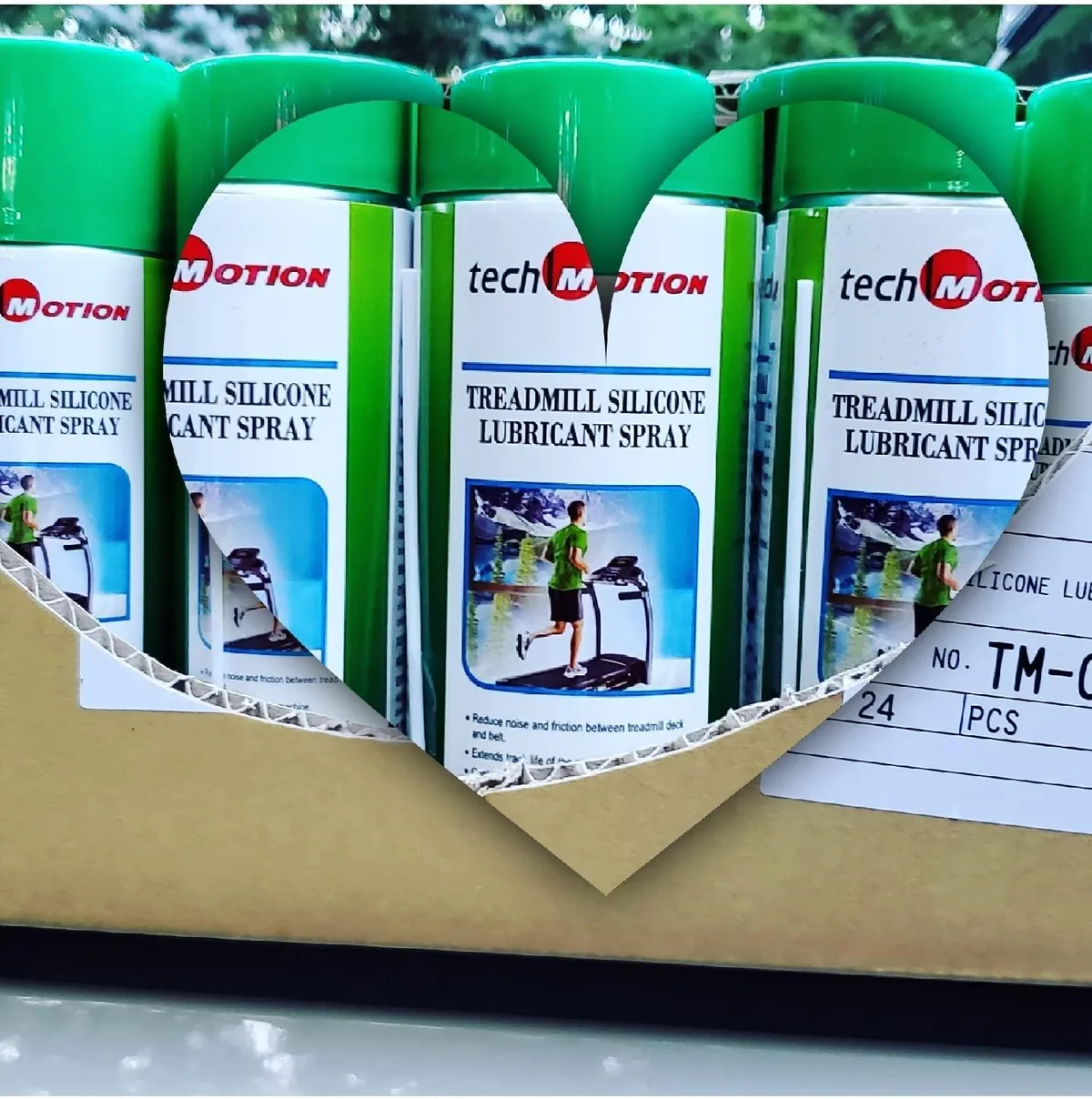
Image source: Bing (Web (fair-use with source credit))
What you'll need
- Your owner's manual
- The correct lubricant
- A soft, dry cloth
- A socket wrench (if belt tension adjustment is needed)
The process
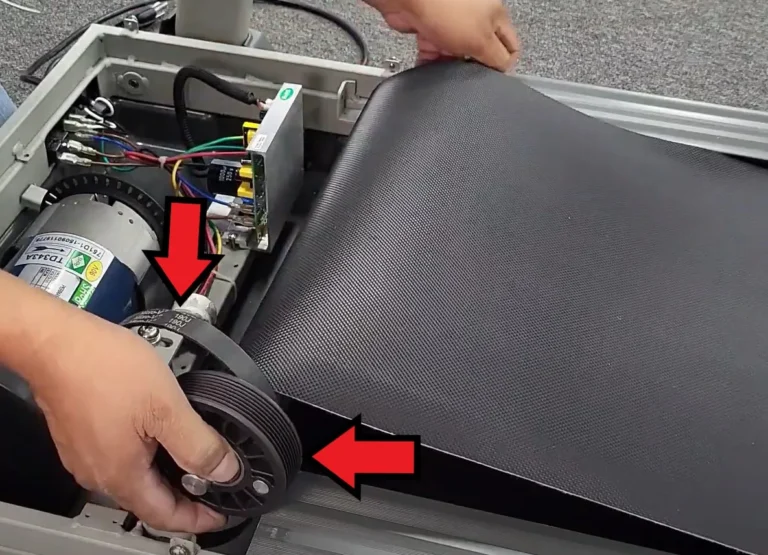
Step 1: Clean the belt. Unplug the treadmill. Loosen belt tension if your model requires it. Slide your hand under the belt's center with little resistance.
Wipe dust and debris from the belt's underside and deck surface. A clean surface ensures the lubricant works.
Step 2: Apply the lubricant. Use 1 to 2 ounces (30 to 60 ml), the typical amount for most home treadmills. Lift the belt edge and apply in a serpentine pattern across the deck's center, from front roller toward back. Don't pour everything in one spot.
Step 3: Spread it evenly. Re-tension the belt. Plug in and start at 1, 2 mph for about a minute. This lets the belt spread lubricant across the deck.
Don't walk on it during this step.
Step 4: Check your work. Unplug again. Wipe excess lubricant from the belt's sides. The belt should track straight down the deck's center.
Adjust per your manual if needed.
Mistakes to Avoid: What Not to Use on a Treadmill Deck
Wrong products cause more damage than no lubricant at all.
- Never use WD-40 or petroleum-based lubricants. These break down rubber and PVC in the belt and deck. They cause cracking, stickiness, and premature wear. They also attract dirt.
- Don't use silicone spray with propellants. Aerosol solvents degrade the belt over time. Overspray risks the motor and electronics where it doesn't belong.
- Don't over-lubricate. Too much creates a slippery surface. The belt slips under your feet, which is a safety hazard. The motor works harder too.
- Never lubricate over dirt. Applying lubricant on dust and grit creates a grinding paste. Always clean first.
A squeaky machine usually points to friction somewhere in the moving parts. The same logic applies to treadmills. Address it early.
When and How Often to Lubricate: Miles, Timelines, and Signs You Need It
A solid rule: lubricate every three to six months. For mileage trackers, that's roughly 40 to 150 miles on the belt.
| Usage Level | Recommended Frequency |
|---|---|
| Casual walker (under 60 min/week) | Every 6 months |
| Regular runner (3–5 miles/week) | Every 3–4 months |
| Heavy runner (10+ miles/week) | Every 2–3 months |
| Light commercial or rental use | Monthly |
Dry, dusty rooms and humid garages change the timeline. Dust makes the belt gritty. High humidity breaks down lubricant faster.
Adjust based on your environment, not just the calendar.
Listen for squeaking or squealing during workouts. That's the classic dry deck signal. Your hand test works too.
Unplug the machine, lift the belt, and slide your hand across the deck. It should glide easily. Roughness means you need lubricant now.
A burning rubber smell means friction is building. Catch it early to prevent expensive damage. A little seasonal upkeep on your fitness gear goes a long way.
FAQs: Treadmill Lubrication Questions We Hear All the Time
What happens if I use WD-40 on my treadmill?
WD-40 is a solvent, not a lubricant. It breaks down rubber and PVC. It attracts dust and turns sticky.
You'll get a squeaky, dragging belt. If you've already used it, wipe it off and switch to pure silicone.
Can I use cooking oil or baby oil instead?
No. Cooking oil goes rancid, smells bad, and gums up the deck. Baby oil leaves a sticky residue that grabs dirt.
Neither handles treadmill friction. Use 100% silicone made for this job.
How do I know if I over-lubricated?
The belt slips under your feet when you step on it. You might see excess lubricant squeezing from the sides. Over-lubrication forces the motor to work harder because the belt can't grip the rollers.
Wipe up the excess and run the belt slowly for a minute to redistribute what remains.
Does a self-lubricating belt ever need help?
No. Self-lubricating belts use wax or PTFE designed to last the belt's lifetime. Adding lubricant causes slipping and can void your warranty.
Your manual states whether your model is maintenance-free.
Should I hire a professional to lubricate my treadmill?
For most home owners, no. The process takes ten minutes with no special skills needed. If you're uncomfortable lifting the belt or adjusting tension, a local fitness equipment technician can help.
Their service fee often includes a full belt, deck, and motor checkup.
A little regular care keeps your equipment running longer. Whether it's a treadmill or another cardio machine, consistent maintenance beats costly repairs. And if you're comparing equipment types, knowing how machines differ helps you maintain each one properly.