Why Is My Treadmill Making a Grinding Noise
Why is my treadmill making a grinding noise? You're not alone. It's an annoying sound, but it's also a clue.
A grinding treadmill almost always points to one of five moving parts: the belt, the deck, the rollers, the drive belt, or the motor. The fix is rarely as expensive as you fear.
Manufacturer specifications commonly recommend lubricating the belt every 50 hours of use. Aggregate reviews confirm most owners skip it, and that neglect is the number one cause of grinding. As of 2026, the general rule is still that a $12 bottle of silicone lube solves most cases before they get serious.
So before you call a repair tech, try the simple fixes first.
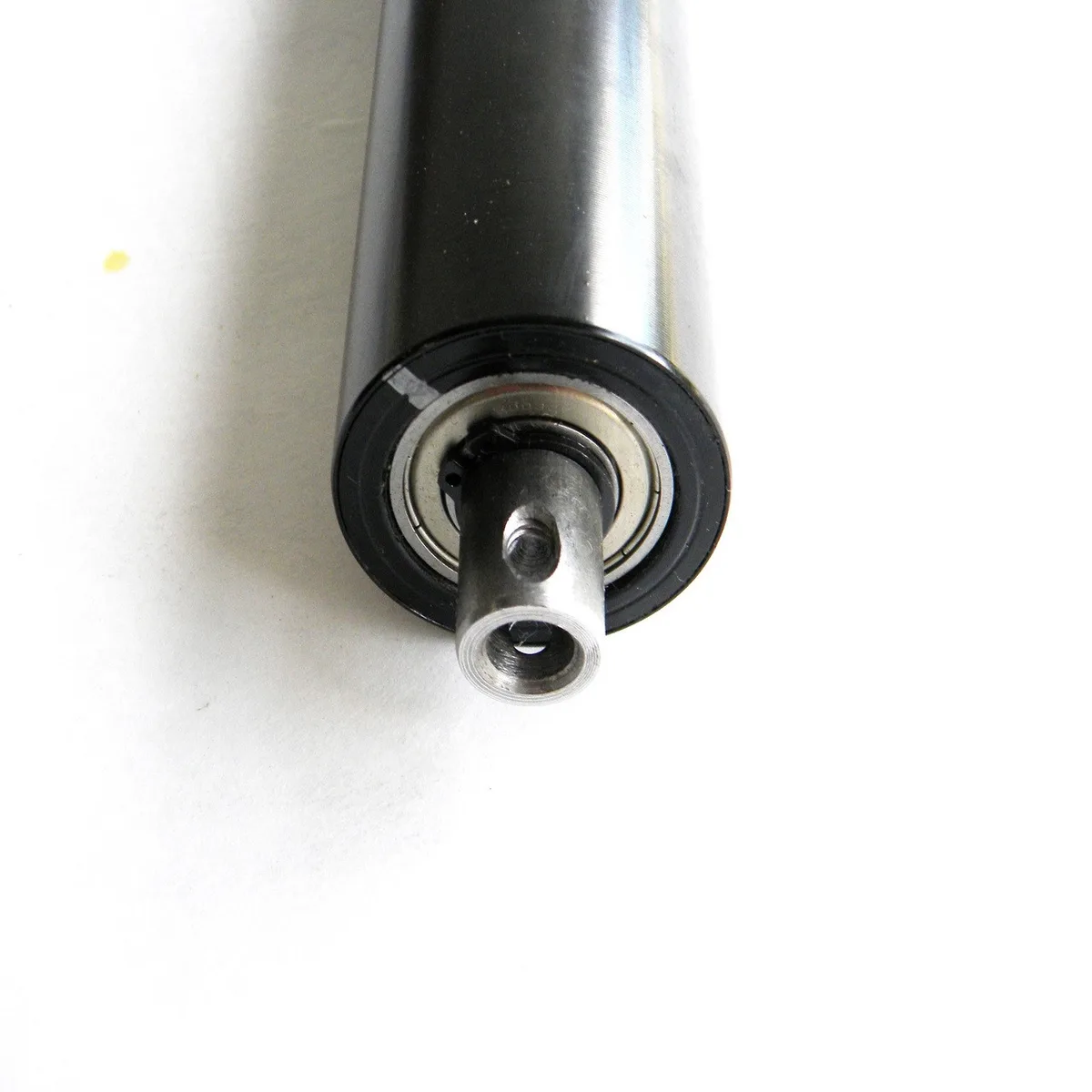
Image source: Bing (Web (fair-use with source credit))
The Short Answer: What That Grinding Sound Means (and What to Do First)
A grinding noise means something is rubbing, slipping, or failing. The cause is usually a dry belt, worn bearings, or a loose drive belt. First, unplug the treadmill and check the belt for even tension.
Then lift the belt and look for debris. If nothing looks wrong, test each roller and the motor.
The steps below walk you through each fix in order. Start with the cheapest and easiest option.
Know the Five Moving Parts That Grind (and Which One Is Yours)
Before you touch a wrench, learn what sits under the hood. A treadmill has two main friction zones: the running surface and the power train. Grinding usually comes from one of five places.

Image source: Web (Bing) / salat-namaz.com (Web image (fair-use with source credit))
- The walking belt: the wide rubber loop you run on.
- The deck: the hard board underneath the belt.
- The rollers: the front and rear metal cylinders the belt wraps around.
- The drive belt: a small V-belt connecting the motor to the front roller.
- The motor brushes: carbon contacts inside the motor that wear down over time.
Each part fails differently. A dry belt sounds squeaky and drags. Worn bearings make a gritty sound that speeds up with the belt.
A loose drive belt chirps under load. Burnt motor brushes click or grind. People who've dealt with a squeaking elliptical already know how these small parts drive you crazy.
The Noise Test: Diagnose the Problem in Under 10 Minutes
You need one clean run to separate a minor issue from a major repair. Turn on the treadmill and listen closely at 1 mph, then 5 mph, then a walking pace on an incline. Write down exactly when the noise appears and how it changes.
Test A: The Low-Speed Grind (Belt and Deck Issues)
If the grind is constant at low speed, the belt is probably dry or too tight. Stop the treadmill and run your hand along the belt's underside. A stiff, rough, tacky surface means the deck needs lubrication.
Test B: The High-Speed Grind (Roller Bearing Issues)
If the grind gets louder as speed increases, focus on the rollers. Worn bearings make a gritty, rhythmic whirr that rises with the belt. Touch the end of each roller lightly while the machine runs.
A rough vibration tells you which side is failing.
Test C: The No-Load Grind (Motor and Drive Belt Issues)
Lift the belt away from the deck and spin the front roller by hand. If the grinding continues with no load, the problem lives in the drive belt or the motor. A slipping drive belt squeals under sudden tension, while worn motor brushes create a clicking grind.
The Repair Workflow: Fix It Yourself, Step by Step
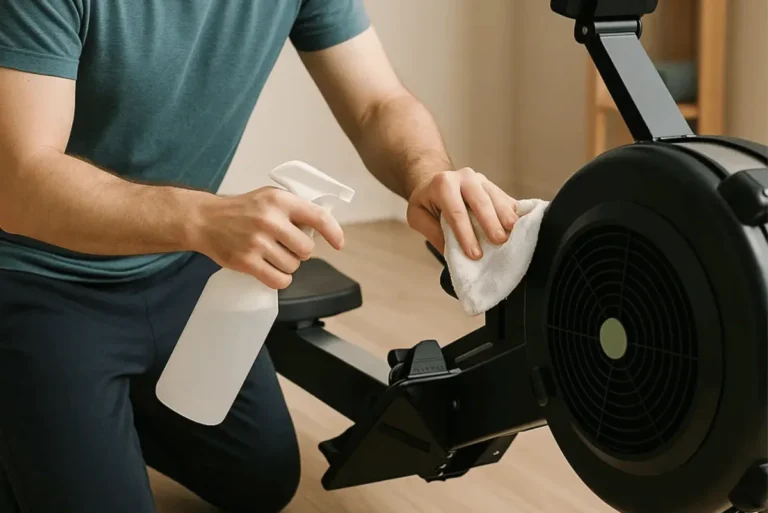
You'll need an Allen wrench set, a flathead screwdriver, and silicone lube. Most fixes take under 30 minutes. Always unplug the treadmill and remove the safety key first.
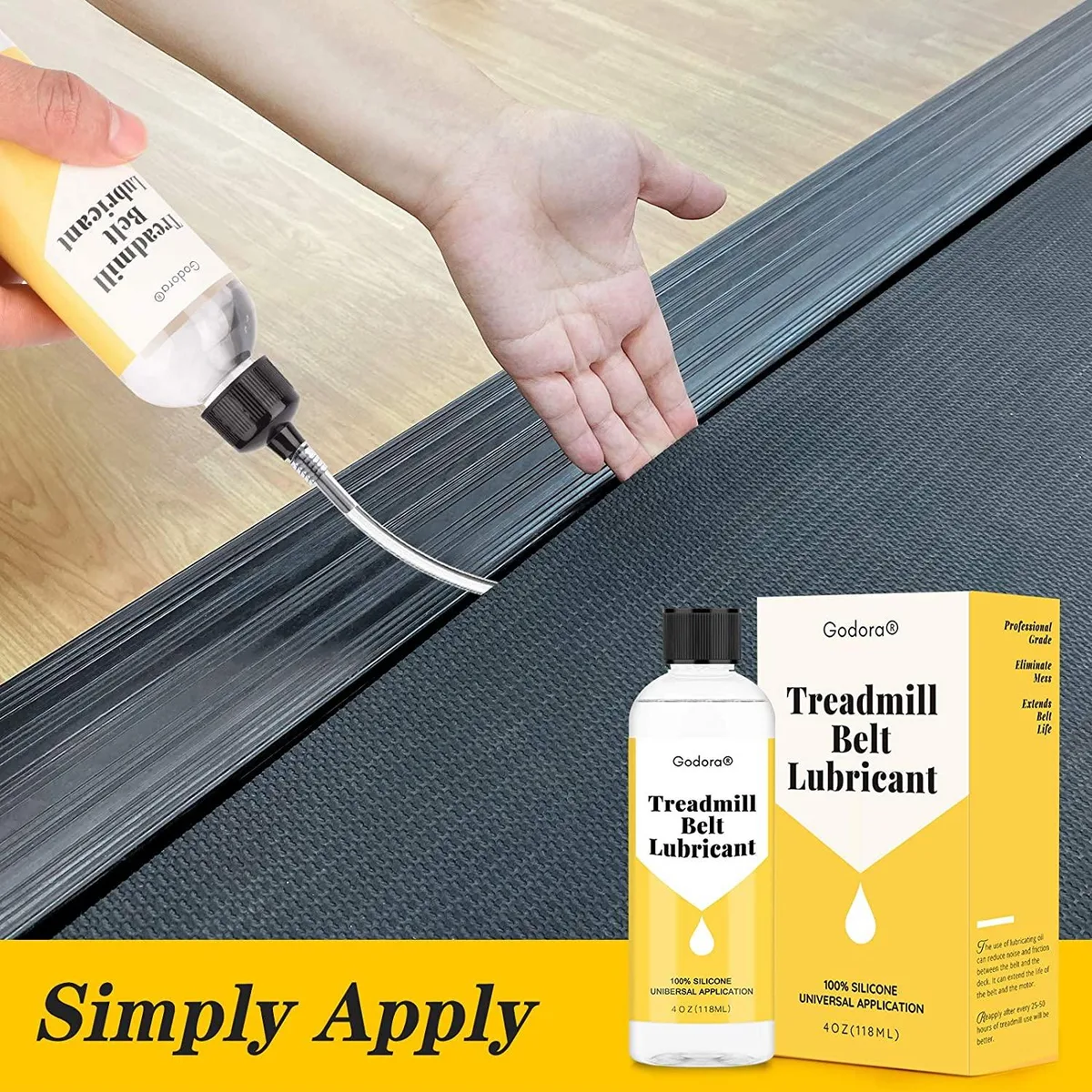
Image source: Bing (Web (fair-use with source credit))
Fix #1: Lubricating the Deck (The Most Common Fix)
Loosen the rear roller bolts just enough to lift the belt. Clean the deck with a dry cloth and remove any dust or debris. Run a thin line of silicone lube down each side of the deck.
Do not use petroleum-based oil; it degrades the belt. Expect to need only one small bottle.
Fix #2: Adjusting Belt Tension and Tracking
The belt should lift 2 to 3 inches off the deck at the center. Turn the rear roller bolts a half-turn at a time to increase tension. Check tracking by running the belt at 2 mph.
If it drifts left or right, adjust the same side's bolt slightly. Too much tension strains the motor, so keep the belt snug, not tight.
Fix #3: Replacing Roller Bearings or Motor Brushes
If lubrication doesn't help, check the bearings. Most home treadmills use sealed cartridge bearings that you can pry out with a flathead. Motor brushes sit inside a small hatch on the motor housing.
If they're shorter than 1/4 inch, replace them. Per ASTM F2115, the standard for treadmill safety and performance, correct belt tension and component care are essential to avoid premature wear.
When to DIY vs Call a Pro (and What It Costs)
Most grinding is a simple fix you can handle at home. But some problems are worth leaving to a pro. Replacing a motor, for example, can cost nearly as much as a new machine.
If you're shopping for a replacement, a quality elliptical is worth considering for lower-impact workouts.
| Problem | DIY? | Typical Cost |
|---|---|---|
| Dry belt | Yes | $12 for lube |
| Worn belt | Maybe | $60 to $120 for belt |
| Worn roller bearings | Yes | $15 to $30 for bearings |
| Burnt motor brushes | Maybe | $20 to $50 for brushes |
| Motor failure | No | $150 to $300 for repair |
Stop immediately if you hear metal-on-metal scraping, smell burning, or see smoke. That points to a serious failure. Call a technician or check the manufacturer's service options.
The Consumer Product Safety Commission tracks treadmill recalls and safety defects on its website.
If your treadmill is older than ten years, compare repair cost against a replacement. A full motor repair can exceed what you'd spend on a newer model. If you want a lower-impact alternative, an elliptical gives you cardio without the same belt-and-deck wear.
Don't Do This: Mistakes That Turn a $30 Fix Into a $300 Bill
A grinding treadmill punishes bad habits. Most costly repairs start with a small, avoidable error. Here are the mistakes we see most often in repair forums and technician reports.
- Cranking the belt too tight. A tight belt strains the motor, accelerates bearing wear, and creates a whining grind. The 2-to-3-inch lift rule exists for a reason.
- Using petroleum-based lubricant. WD-40 destroys walking belts. It dries sticky and attracts dust. Use only silicone-based treadmill lube.
- Spraying lube on top of the belt. The top surface doesn't touch the deck. Lube goes on the underside and the deck itself.
- Ignoring early squeaks. A light squeak turns into a serious grind within weeks. Bearings fail fast once debris gets in.
- Tightening one side of the roller only. This misaligns the belt, causing edge friction and uneven wear. Always turn both bolts equally.
- Running the treadmill while inspecting. That's how fingers get caught. Unplug first, inspect second.
Keep It Quiet: A Simple Maintenance Loop That Prevents Grinding
Your treadmill doesn't need much, but it needs consistency. A basic routine takes five minutes every month. Aggregate reviews show that most grinding complaints come from machines that never got any attention at all.
| Frequency | Task | Time |
|---|---|---|
| Every month | Vacuum under and around the belt | 3 min |
| Every 3 months | Lubricate the deck | 5 min |
| Every 6 months | Check belt tension and tracking | 5 min |
| Every year | Inspect motor brushes and drive belt | 10 min |
Set a reminder on your phone. Write the date on the lube bottle. The same quick monthly clean that keeps an elliptical quiet also keeps treadmill dust from building up.
If you own other home gym gear, the same logic applies to an elliptical, since a stuck roller or dry bearing makes the same kind of ruckus. Consistency separates a machine that lasts a decade from one that grinds into an early grave.
FAQs: Your Grinding Treadmill Questions, Answered
Can I use WD-40 on my treadmill belt?
No. WD-40 is a solvent, not a lubricant for walking belts. It leaves a sticky residue that attracts dust and makes the deck drag.
Use a 100% silicone-based lubricant designed for treadmill decks.
How often should I replace the walking belt?
Most manufacturers recommend replacing the belt every 500 to 800 miles. Check your manual for the exact interval. If you see frayed edges, cracks, or severe glazing, replace it immediately, regardless of mileage.
Why does my treadmill grind only when I step on it?
That's a classic sign of a dry or worn deck. Under body weight, the belt presses harder into the deck surface. If lubricant doesn't fix it, the deck itself may be worn beyond its service life.
Is it safe to run on a treadmill that makes a grinding noise?
No. A grinding sound indicates friction and wear. In rare cases, a failing bearing can seize mid-run and stop the belt instantly.
That's a serious injury risk, so stop using the machine until it's inspected. A $30 repair is cheaper than an emergency room visit.
How much does professional treadmill repair cost?
Diagnosis typically runs $100 to $150. Parts and labor add more depending on the issue. A new motor, for example, can cost $150 to $300 plus installation.
When the repair bill exceeds half the machine's value, replacement makes more sense.