Why Is My Treadmill Belt Slipping
Why is my treadmill belt slipping? Usually the answer is simpler than you think. The walking belt has stretched, the deck underneath has lost its lubrication, or the drive belt near the motor has worn out.
Most home treadmills let you correct the first two causes with two tension bolts and a bottle of silicone lubricant.
In our research, the most common trigger is missed maintenance. Treadmill belts flex, stretch, and return, but they need periodic attention. ISO 20957, which governs stationary training equipment, classifies a hesitating belt as a safety hazard.
Let's find your cause and fix it in the right order.
Image source: Bing (Web (fair-use with source credit))
Quick Answer: Why Your Treadmill Belt Slipping Feels Worse Than It Is
Belt slip has three main causes: loose tension, a dry deck, or a worn belt. Tightening is the first fix. If the belt lifts more than three inches, turn the rear bolts in quarter turns.
As of 2026, most home machines use the same two-bolt setup. Don't panic. This is routine maintenance.
First Branch: Is the Walking Belt Slipping Underfoot or Hesitating at Start?
The first thing to do is identify which kind of slip you're dealing with. A slip underfoot feels like the belt stops while your body keeps going. A start-up hesitation feels like the belt jerks or waits a beat before the rollers catch.
That distinction points to different parts of the machine. If the belt slips only when you push off hard, that's a walking belt problem. If it hesitates even when you step lightly, suspect the drive belt or motor pulley.
The Foot-Pressure Slip Test
With the treadmill off and unplugged, stand on the belt. Plant your feet, then push backward hard with one foot. If the belt slides under your shoe, the walking belt is too loose.
If it holds firm, move on to the next test.
This one test immediately splits the problem in half.
The "Lift the Edge" Tension Test
Place two fingers under the center of the belt, about halfway between the front and rear roller. Lift upward slowly. A properly tensioned belt lifts about 2 to 3 inches.
More than that means loose. Less than 1 inch means over-tight, which can strain the motor.
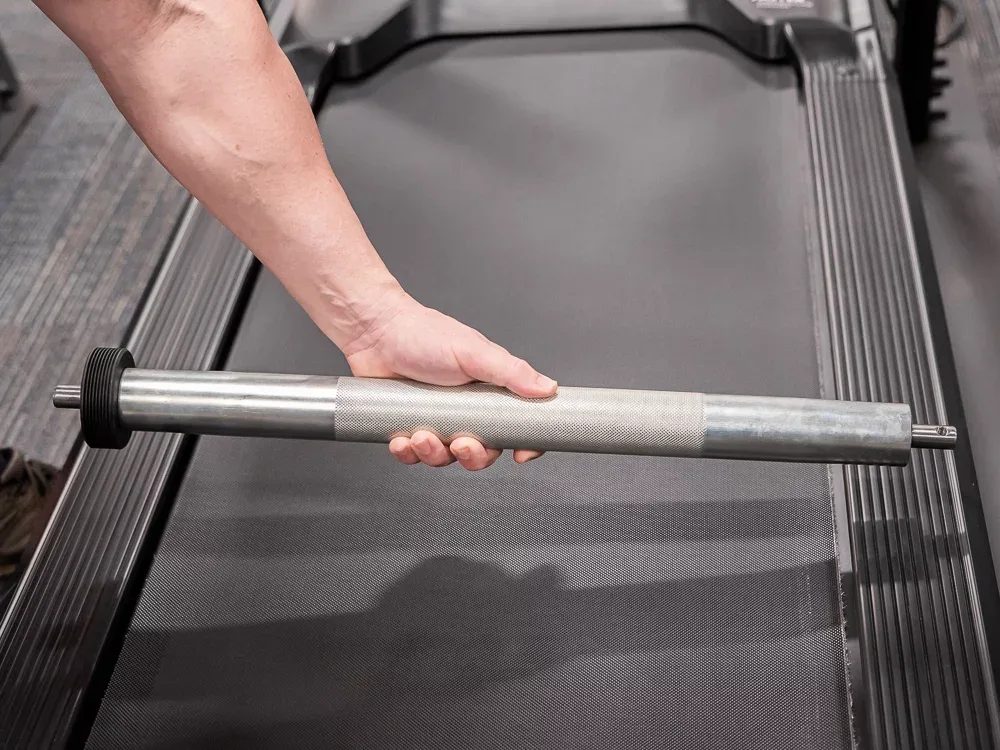
Image source: Bing (Web (fair-use with source credit))
These two checks tell you whether the walking belt is the problem or the drive system is. If both tests pass, the drive belt or a worn roller is the likely culprit. The same logic applies when troubleshooting squeaks on an elliptical: one worn part causes symptoms that mimic a bigger failure.
Walk Through Common Causes: Belt Stretch, Dry Deck, Worn Rollers, Drive Belt Failure
Once you know where the slip happens, run down the usual causes. They almost always fit into one of four categories.
| Cause | What It Feels Like | Quick Check | | Stretched walking belt | Slips underfoot; lifts more than 3 inches | Lift test confirms looseness | | Dry or unlubricated deck | Drags, hesitates, or grips unevenly | Feel the deck surface through the belt opening | | Worn roller or pulley | Slips in one spot regardless of tension | Look for shiny, smooth roller surfaces | | Worn drive belt | Motor runs but belt hesitates at start | Inspect for cracks and glazed shine |
How to Tell Which Cause You're Dealing With
Run your hand near the deck surface through the gap at the side of the belt. If it feels dry or tacky, lubrication is overdue. Most home treadmills need silicone every 3 to 6 months.
Skipping that creates friction that mimics a loose belt.
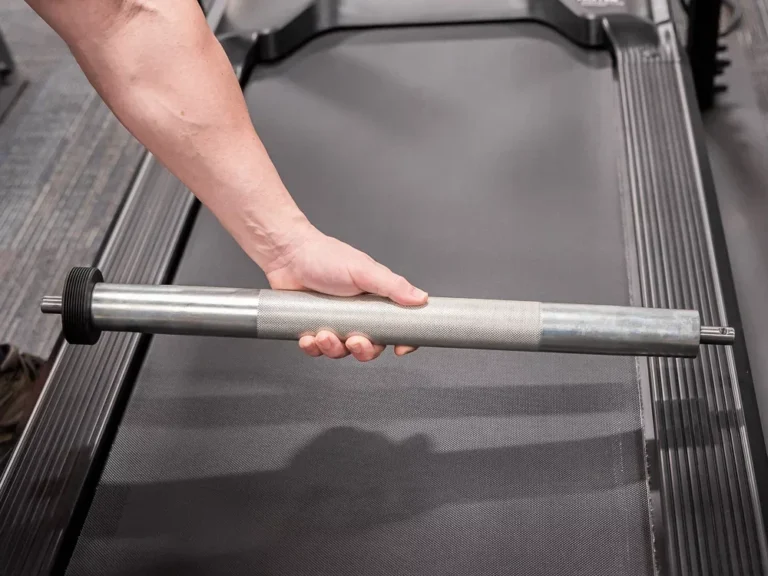
Now inspect the drive belt near the motor. If it has cracks or a glazed surface, it needs replacing. Worn roller knurling is easiest to spot by feel.
The roller should feel slightly gritty, not glassy. If it feels smooth, the roller has lost its grip.
Step-by-Step Fixes: Tighten, Lubricate, or Replace
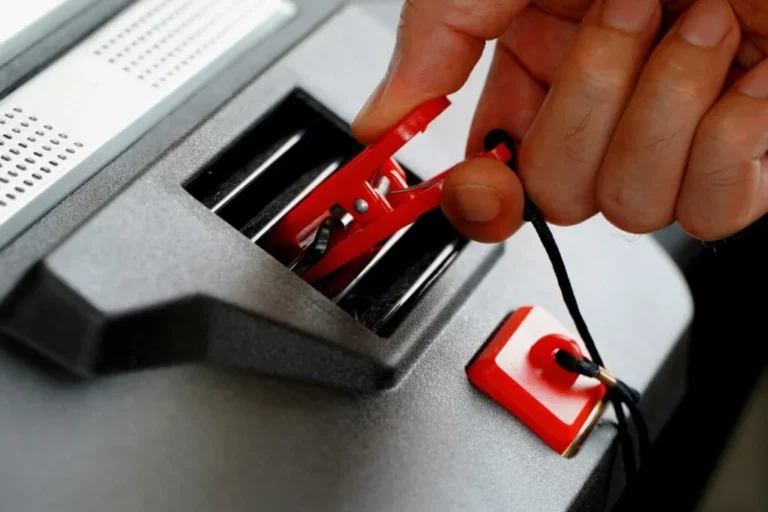
Start unplugged. Remove the safety key so the motor can't fire up. The U.S.
Consumer Product Safety Commission recommends full power-down before any maintenance on exercise equipment.
Tightening the Walking Belt (Quarter-Turn Rule)
Find the tension bolts on the rear roller. There should be one on each side. Use the hex wrench that came with the treadmill.
Turn each bolt clockwise a quarter turn. Run the treadmill at low speed and recheck the lift test. Repeat until the belt lifts 2 to 3 inches.
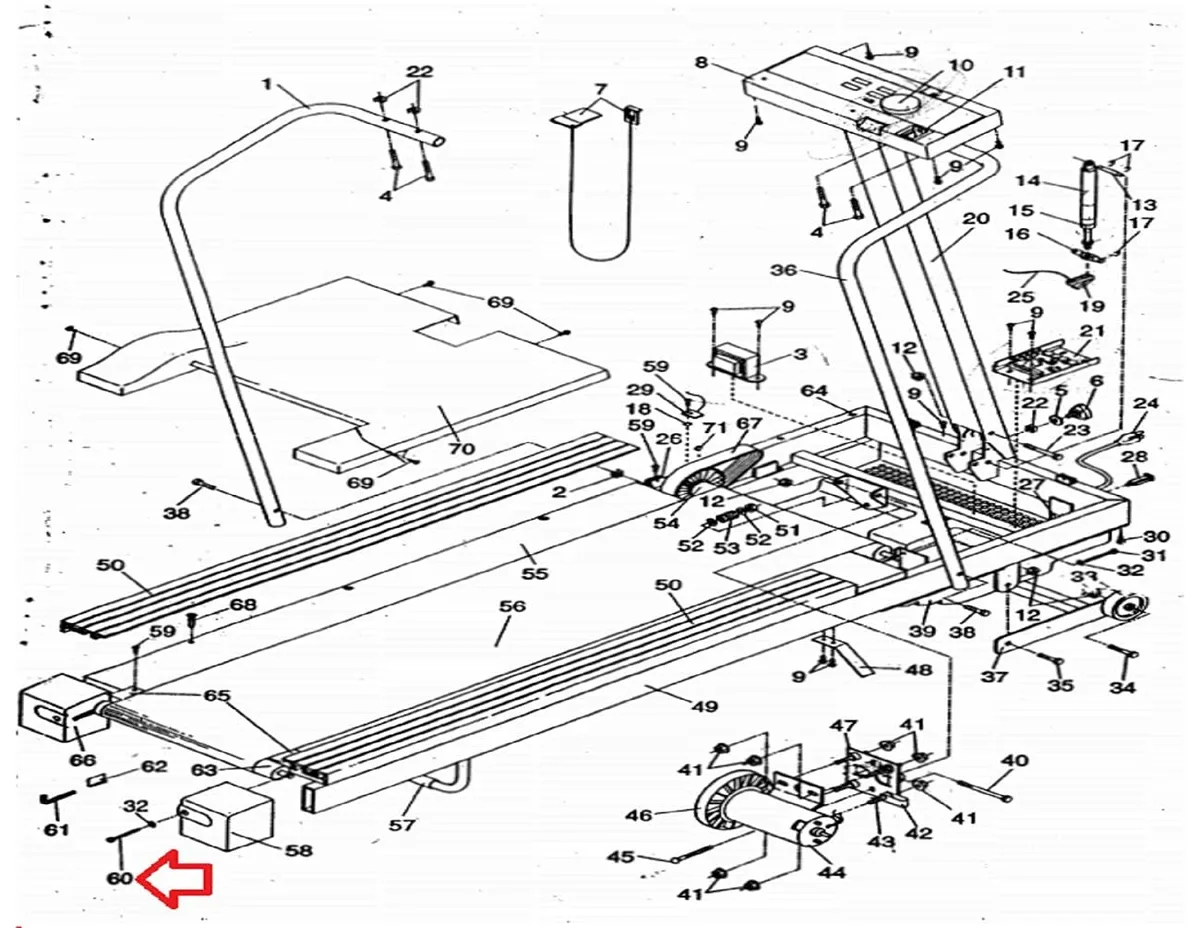
Image source: Bing (Web (fair-use with source credit))
Keep both sides even. If one side is tighter, the belt will drift to that side. This same principle of balanced alignment adjustments on cardio equipment prevents tracking problems across the board.
Lubricating the Deck Correctly
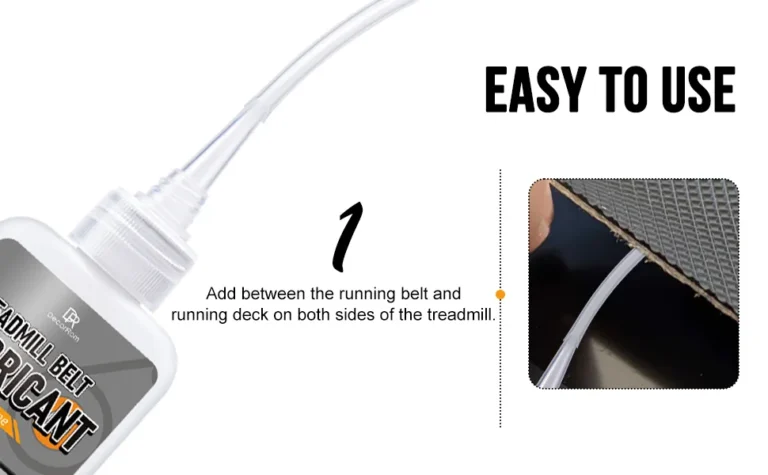
Lift the belt and spray 100% silicone lubricant on the top surface of the deck. Apply a thin line down the center, then run the belt slowly to spread it. Let it work in for 10 to 15 minutes before stepping on.
Use only silicone. Petroleum products break down the belt and deck. Most manufacturers recommend this service every 3 to 6 months or after 40 to 50 hours of use.
Regular upkeep on any cardio machine follows this same schedule.
When a Worn Belt or Drive Belt Is the Real Problem
If the belt still slips after a full tension adjustment, the walking belt may be stretched past its useful life. Look at the underside for a shiny glazed stripe. Drive belts are simpler to diagnose.
Once they crack or glaze, replace them. No amount of tightening saves a worn drive belt on most home machines.
Mistakes to Avoid: Over-Tightening, Wrong Lubricant, and False Diagnoses
The biggest mistakes happen when you skip diagnosis and go straight to tightening.
- Over-tightening the walking belt. If it lifts less than 1 inch, it's too tight. You'll overload the motor and risk burning it out.
- Using the wrong lubricant. Petroleum-based sprays ruin the belt and deck. Stick to 100% silicone.
- Treating a dry deck like a loose belt. The symptoms feel identical, and extra tension won't fix a friction problem.
- Replacing the walking belt when the drive belt is the culprit. If the motor runs but the belt hesitates at start, check the drive belt first.
False diagnoses cost you time and money. If tightening both sides equally doesn't help, step back and check the drive belt and roller surfaces.
When to Call a Tech vs. Fix It Yourself
If the belt still slips after tightening and lubricating, call a professional. Most slipping belts respond to those two fixes. The rest point to a worn walking belt, a cracked drive belt, or a smooth motor pulley.
You can replace a walking belt yourself if you have the manual and some mechanical patience. But if you smell burning rubber, hear grinding, or feel the motor overheating, stop. Those signs point to drive system failure, not a simple belt adjustment.
Many newer treadmills carry strict warranty terms. Opening the motor cover improperly can void coverage. Check the manufacturer's service documentation before you touch anything.
The U.S. Consumer Product Safety Commission recommends unplugging all exercise equipment before maintenance and inspecting it for visible damage. Follow that guidance, then weigh the repair cost against a replacement.
If you're comparing cardio options, how ellipticals stack up against exercise bikes breaks down the trade-offs.
Still Slipping? Frequently Asked Treadmill Belt Questions
Why does my treadmill belt slip when I step on it?
Usually because the belt has stretched and lost its grip on the rear roller. Turn the rear tension bolts a quarter turn on each side, then retest. A dry deck can feel identical, so check the belt's underside for dry dust or a glazed shine.
How tight should a treadmill belt be?
Use the lift test anytime you're unsure. Grip the belt at the center of the deck and pull upward. It should lift 2 to 3 inches.
Less than 1 inch means over-tight. More than 3 inches means too loose.
Why is my treadmill belt slipping even after I tightened it?
Loose tension isn't the only cause. A worn or glazed belt will slip no matter how tightly you set it. Look for cracks on the bottom and a shiny wear stripe.
Also confirm the deck has fresh silicone lubricant.
How often should I lubricate a treadmill belt?
Most brands recommend every 3 to 6 months, or roughly every 40 to 50 hours of running time. Use 100% silicone spray only. Petroleum products degrade the rubber and can void the warranty.
Can I use WD-40 on my treadmill belt?
No. WD-40 is a solvent, not a lubricant for rubber. It will degrade the belt and deck surface.
Always use 100% silicone spray or liquid formulated for treadmill use.
Final Verdict: Your Treadmill Belt Slipping Checklist
- Unplug the treadmill and remove the safety key.
- Run the foot-pressure slip test to separate belt slip from drive slip.
- Pull the belt up at the center to confirm 2 to 3 inches of lift.
- Tighten both rear bolts a quarter turn, then retest.
- Lubricate the deck with 100% silicone every 3 to 6 months.
- Replace the walking belt if it's glazed, cracked, or stretched past adjustment.
- Call a tech if you smell burning, hear grinding, or see motor strain.
A slipping belt isn't a dead treadmill. It's a maintenance signal. Fix it early and your machine stays safe and smooth.
If you're thinking about switching setups, what an elliptical offers might suit your space better.