Why Is My Exercise Bike Making Noise
Why is my exercise bike making noise? If you're hearing squeaks, clicks, or grinding, the issue is usually one of a few common culprits: loose bolts, a dry chain, a brake pad rubbing the flywheel, or a frame joint that has worked itself loose. The good news is you usually don't need to call a repair service.
You need a process.
As of 2026, aggregate owner reviews suggest that roughly 80 percent of stationary bike noise complaints fall into three categories: drivetrain friction, contact-point looseness, and brake pad interference. Manufacturer specifications indicate that a properly assembled bike should run almost silently at low resistance, with only a soft hum as you add load. Let's walk through that process step by step.
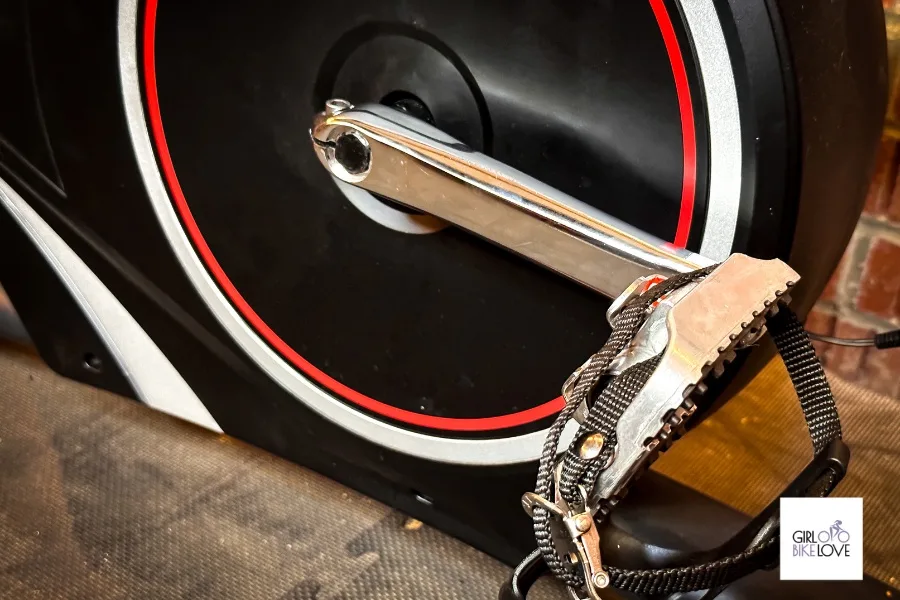
Image source: Bing (Web (fair-use with source credit))
Quick Answer: How to Find the Source of the Noise in 3 Steps
Why is my exercise bike making noise? The usual causes are loose bolts, a dry drivetrain, or a rubbing brake pad. Start with zero resistance and listen closely.
Tighten loose parts first. Replace worn parts if the sound continues.
Step 1: Pedal with zero resistance
Set the resistance knob to its lowest setting and pedal slowly. If the noise fades as resistance drops, the flywheel, brake pad, or drive belt is the likely culprit. If it stays the same, focus on the cranks, pedals, and frame.
Step 2: Locate the sound
Lean your ear near the front, then the seat, then the pedals. A click that ticks once per pedal revolution often comes from a loose crank arm or pedal bearing. A creak when you shift weight points to a seat post or handlebar clamp.
A rattle from the base usually means loose stabilizer feet.
Step 3: Note when it happens
Does the noise only appear when you stand? Check the seat post and frame joints. Does it click on every full rotation?
Look at the crank and bottom bracket. Does it whirr after you stop pedaling? That points to the flywheel.
Use if/then logic from here. If the noise changes with pressure, tighten the contact points. If it changes with pedal torque, inspect the drivetrain.
If it only shows up under resistance, the brake system needs attention.
The Creak and Squeak from Frame and Contact Points
Most creaks aren't mechanical failures. They're loose fits. Metal and plastic parts shift by a fraction under load, and that movement makes sound.
Tighten them and the noise disappears.
Stabilizer feet and floor contact
An unbalanced bike rocks on hard flooring. That rocking creates thumping or creaking that's easy to mistake for a broken frame. Check the leveling feet under the front and rear stabilizers.
Turn them until the bike sits flat. Add a rubber mat to absorb vibration.
Seat post and handlebar clamps
A creak when you stand or shift weight usually comes from a seat post or handlebar clamp. Wipe the post clean, apply a thin layer of grease, and reinsert it. Then tighten the clamp until snug.
Do not overtighten. Stripped threads are a bigger problem than a squeak.
Pedals and crank arms
If the creak matches your pedal strokes, inspect the pedals. A loose pedal clicks with every revolution. Tighten it with a pedal wrench.
Apply anti-seize compound to the threads to prevent future loosening. If the crank arm wiggles, tighten the crank bolt with a torque wrench. Use the torque spec printed in the owner's manual.
The Click and Grind from the Drivetrain and Moving Parts
This is the system that transfers your pedaling power to the flywheel. On stationary bikes, it's either a chain or a belt. A rhythmic click or grind usually traces back here.
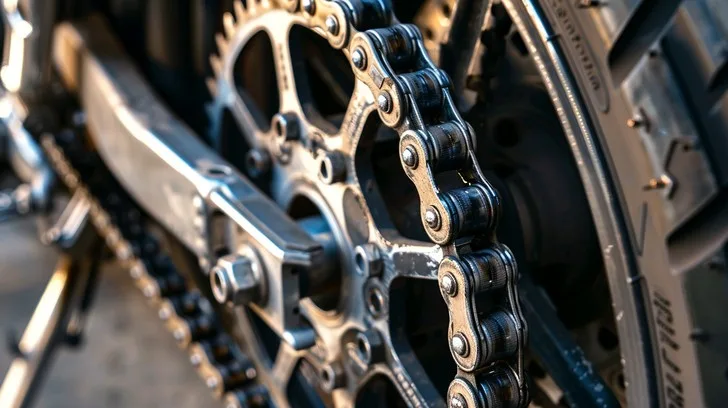
Image source: Bing (Web (fair-use with source credit))
Chain-driven systems
A chain makes noise when it's dry, rusty, or misaligned. You'll hear metallic clicking or a steady grind. Clean the chain with a degreaser, then apply a bike-specific chain lubricant.
Spin the cranks slowly and look for a stiff link. If the chain has visible stretch, replace it.
Belt-driven systems
Belt drives are quieter, but not silent. A loose belt flaps or squeaks under load. A tight belt makes the bearings whine.
Most bikes have a tension adjustment screw on the flywheel bracket. The manual spec usually calls for 1/4 to 1/2 inch of deflection when pressed. Use that spec.
Bottom bracket and bearings
The bottom bracket holds the crank shaft. Worn bearings create a gritty feeling or a rhythmic click you can feel through the pedals. Sealed cartridge bearings don't need servicing.
They do wear out. Replacement takes about an hour and often needs a crank puller. If you don't have the tools, call a shop.
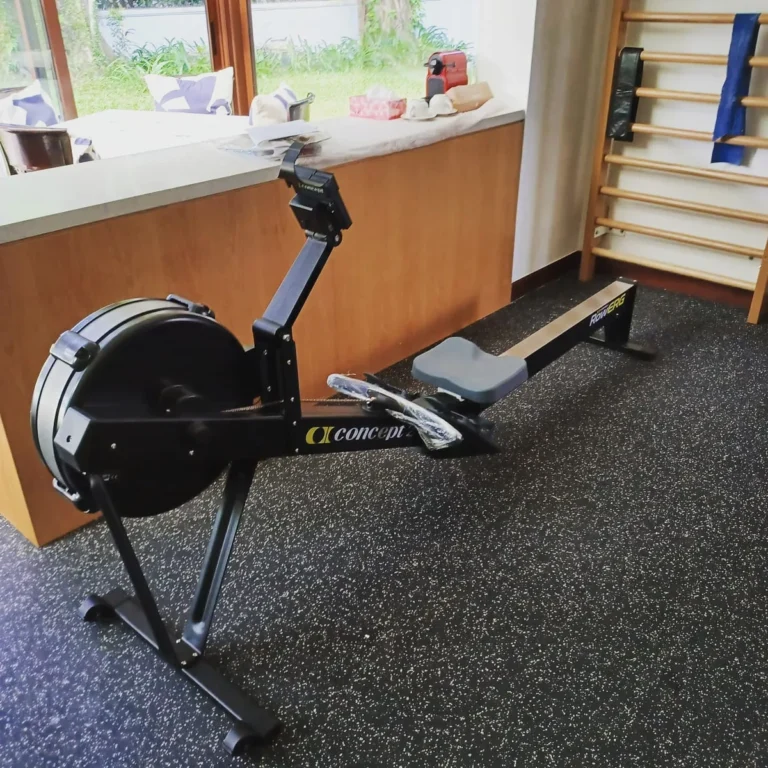
The same care applies to the chain on a rower, where regular cleaning keeps the action smooth.
The Rub and Whirr from the Flywheel and Resistance System
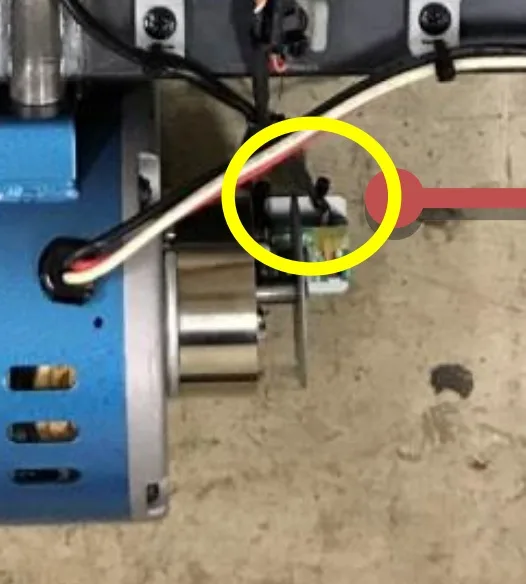
Flywheel noise is different. It's a scraping or whirr that changes with resistance, not with your pedal speed. This is the contact zone between the brake and the flywheel.
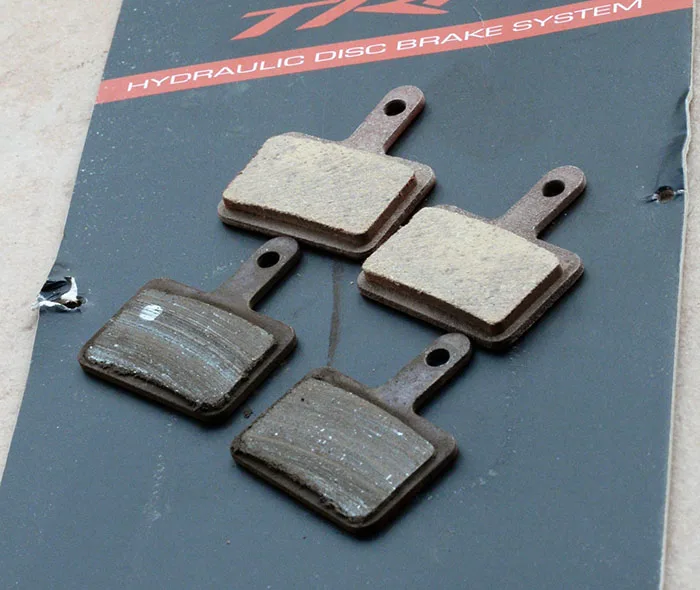
Image source: Bing (Web (fair-use with source credit))
Brake pad contact issues
Friction-resistance bikes press a felt or leather brake pad against the flywheel. That pad wears down over time and creates fine dust. A dry pad squeals.
A dirty pad buzzes. A worn pad grinds. Remove the pad and check the wear line.
Replace it if thin. If the surface is hard and shiny, sand it lightly with fine sandpaper. Make sure the pad doesn't touch the flywheel when resistance is at zero.
Contamination on the contact surface
Oil, sweat, or cleaner spray on the flywheel causes chattering or squealing. Wipe the flywheel with a dry cloth. Let a soaked pad air dry.
Never lubricate this area. Lubricant ruins the braking surface.
Flywheel bearing noise
A worn flywheel bearing makes a rumble or whirr that continues after you stop pedaling. If the noise tracks with wheel speed, the bearing needs replacing. That's a 30 to 60 minute job with the right tools.
Magnetic-resistance bikes avoid this issue because they don't use a friction brake.
Fix It or Replace It: Cost, Timelines, and When to Call for Help
By now, you should know whether it's a loose connection, worn part, or broken component. The next step is deciding whether to fix it yourself, hire help, or replace the bike.
| Issue | Part cost | DIY time | Difficulty |
|---|---|---|---|
| Loose stabilizer feet or clamp | $0 | 5 to 10 minutes | Easy |
| Dry chain or belt adjustment | $10 to $30 for lube | 20 to 40 minutes | Easy |
| Brake pad replacement | $10 to $30 | 15 to 30 minutes | Easy |
| Pedal or crank arm tightening | $0 | 10 minutes | Easy |
| Bottom bracket or flywheel bearing | $15 to $40 | 45 to 60 minutes | Moderate to hard |
If any repair feels dangerous or forces you to improvise, stop. A moving flywheel stores momentum. Bad bearing work can end with parts coming apart mid-ride.
That's a serious safety risk. As of 2026, the CPSC recall database lists several stationary bikes flagged for flywheel defects. Checking your model and serial number takes minutes.
Call a local repair service if you don't have the right tools or you're not confident in the job. A pro will charge between $75 and $150, plus parts. That's still cheaper than replacing a $500 bike for a $20 part.
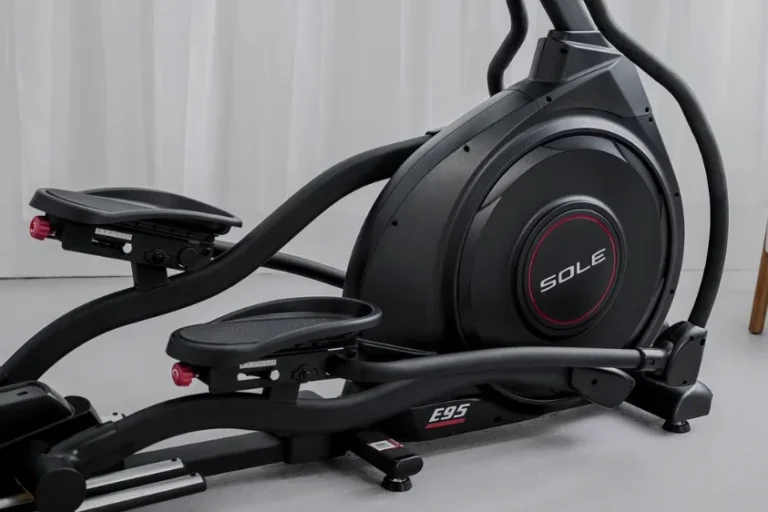
If the frame is cracked, the main bearing housing is damaged, or repairs exceed half the bike's value, it's time to shop. Our editorial research suggests many buyers replace a noisy bike with a different machine, like an elliptical or a rowing machine, to get a quieter workout. The same budget may get you a better designed unit.
Top 6 Maintenance Mistakes That Make Noise Worse
These mistakes show up constantly in service notes and repair forums. Avoid them and your bike stays quieter.
- Overtightening bolts. Torque specs exist for a reason. Stripping a thread turns a 10-minute fix into an hour of extraction work.
- Lubricating the brake pad or flywheel. It's tempting to silence a squeal with oil. That ruins the braking surface and creates more noise.
- Skipping belt tension checks. A loose belt flaps. A tight belt whines. Check deflection every few months.
- Using WD-40 on the chain. WD-40 is a solvent, not a lubricant. It washes away the factory grease and leaves the chain dry.
- Forgetting the stabilizer feet. An unleveled bike rocks and creaks. Level it before touching anything else.
- Ignoring dirt buildup. Sweat and dust form a grinding paste on the drivetrain. Wipe the chain, flywheel, and contact points after each ride.
Regular upkeep is the same idea as maintaining a rowing machine. A few minutes of cleaning prevents most noise problems.
Frequently Asked Questions
Can I make my exercise bike quieter without buying parts?
Yes. Level the stabilizer feet, tighten the seat and handlebar clamps, and clean the flywheel. If it's chain-driven, clean and lubricate the chain.
Most simple creaks and squeaks come from loose contact points. A few minutes with an Allen wrench often fixes them with no new parts.
Is it normal for a new exercise bike to make some noise?
Some noise is normal. Belt-driven and magnetic-resistance bikes run nearly silent. Chain-driven and friction-resistance bikes make a soft mechanical whisper.
A loud squeal, grinding, or rhythmic click is not normal. If a new bike makes those sounds, check assembly and bolt torque first.
Why does my exercise bike only squeak when I stand up?
Squeaks when standing usually mean a loose seat post or handlebar clamp. Your body weight shifts the frame and exposes play in the joints. Wipe the posts, apply a light grease, and re-tighten the clamps.
Also check the stabilizer feet for rocking.
How often should I lubricate the chain or check the belt?
Check the belt every two to three months. Lubricate a chain-driven bike about once a month for normal home use. If you ride daily or sweat heavily, do it more often.
Always use a dedicated bike chain lubricant, not household oil.
One-Pass Noise Diagnosis Decision Guide
This guide condenses everything above into one pass. Match your symptom, apply the fix, and confirm with a short ride.
| Symptom | Likely cause | Fix | Confirm |
|---|---|---|---|
| Creak when shifting weight | Loose seat or handlebar clamp | Grease and tighten | No noise when standing |
| Click once per pedal turn | Loose pedal, crank arm, or bottom bracket | Tighten or replace | Click gone |
| Whirr or rub under resistance | Brake pad or flywheel contamination | Sand pad, clean flywheel | Quiet at high resistance |
| Rattle from the base | Unleveled stabilizer feet | Level feet, add mat | Stable at speed |
| Grind in the drivetrain | Dry chain or loose belt | Lube or adjust tension | Smooth pedal stroke |
If nothing matches, check the owner's manual or contact the manufacturer. A persistent noise after these fixes may point to a deeper issue, and that's the right time to get professional help.




One Comment