How to Steam Chicken in a Rice Cooker
Steaming chicken in a rice cooker is one of the easiest ways to get moist, tender meat without hovering over the stove. If you've been searching for how to steam chicken in a rice cooker, the short answer is basket, water, and heat. Your rice cooker is a countertop steamer in disguise.
We're putting food safety first because steamed chicken is only good if it's actually cooked through. As of 2026, the USDA Food Safety and Inspection Service sets the safe internal temperature for all poultry at 165°F (74°C). Keep that number in mind and you're already halfway there.
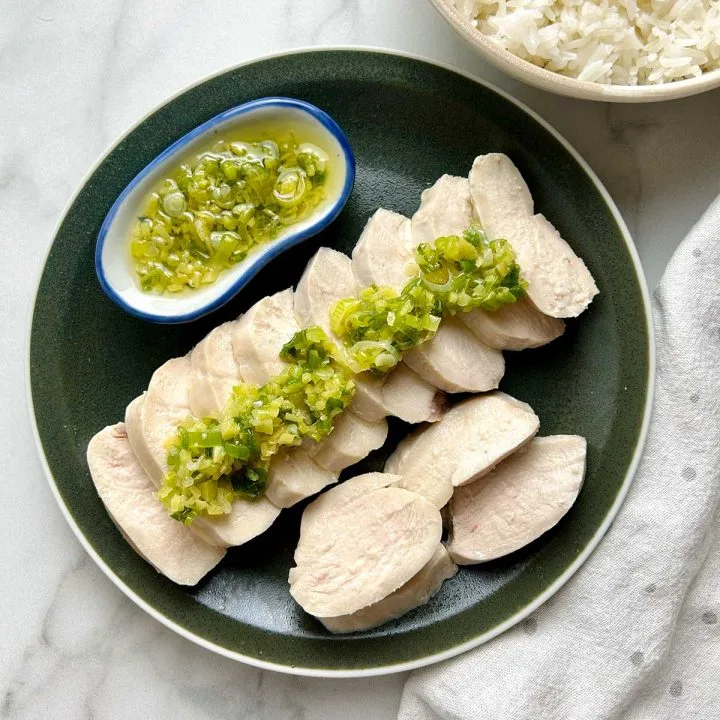
Image source: Bing (Web (fair-use with source credit))
Quick Answer
Put a steamer basket in your rice cooker and add ½ cup of water. Place the chicken in a single layer and close the lid. Run the Cook or Steam cycle until the cooker switches to Warm.
Check the thickest piece with an instant-read thermometer. Serve once it reaches 165°F (74°C).
Why It Works: Steaming in a Rice Cooker
Steaming is the most hands-off way to cook chicken. You pop it in, walk away, and let the steam do the work. No skillet babysitting, no baking tray to scrub.
Cleanup is usually a quick rinse of the basket and inner pot.
A standard rice cooker is basically a countertop steamer. The inner pot holds water, the heating element boils it, and steam rises up around the food. The trick is keeping chicken above the water line so it cooks by steam instead of simmering water.
Most rice cookers come with a steaming basket for exactly this purpose.
Most 5-cup models only need ½ to 1 cup of water for a full steam cycle. Too much water takes longer to boil and can spit out of the vent. Manufacturer manuals for popular models like Zojirushi, Cuckoo, and Aroma all recommend a single layer of food and a water line that sits below the tray.
If your rice cooker has a dedicated Steam mode, it handles the timing automatically. A standard Cook cycle works just as well. A clear glass lid helps you check progress without losing heat.
What you give up is crispy skin or browning. What you get back is reliably juicy, tender meat.
Step-by-Step: From Raw Chicken to Safely Cooked in a Rice Cooker
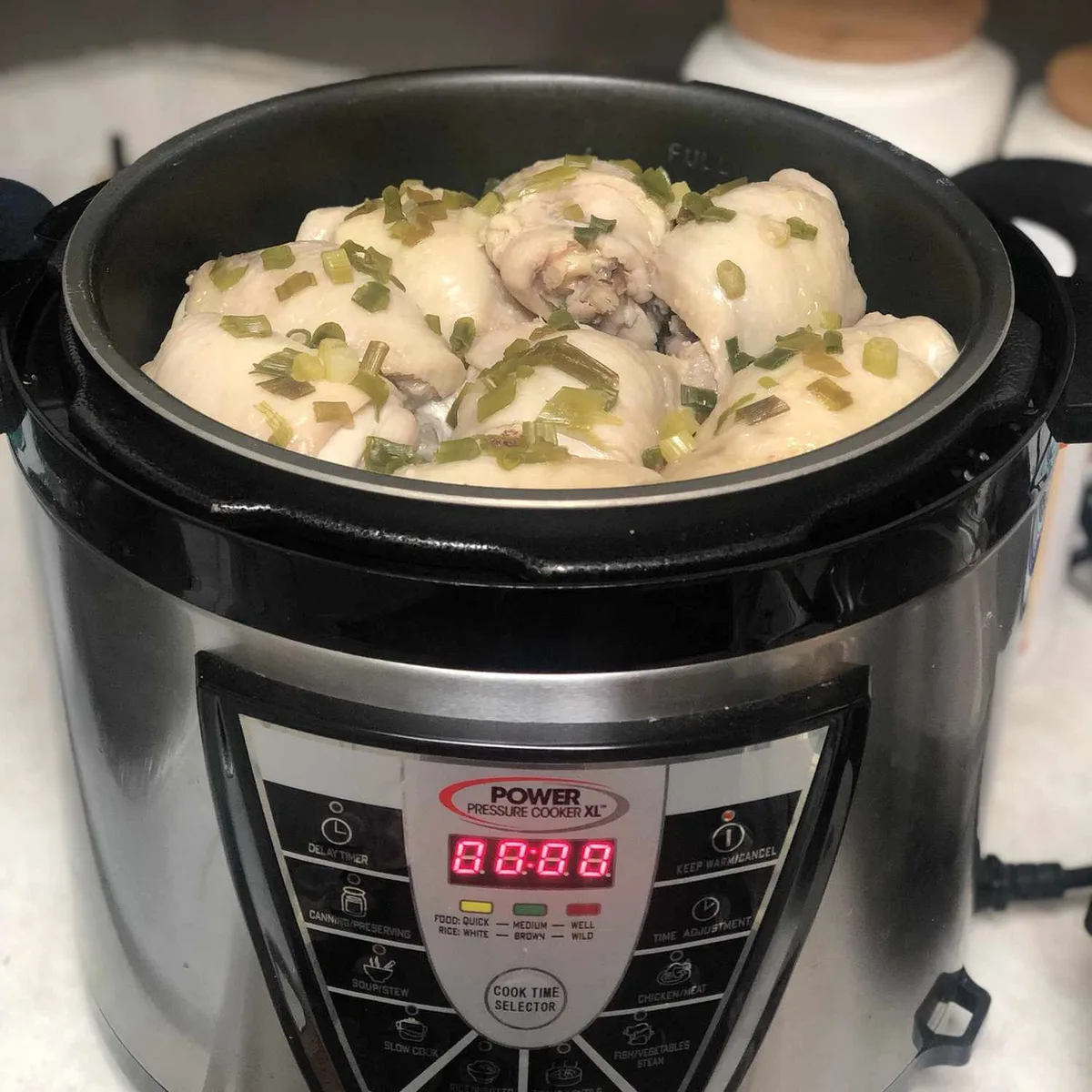
Image source: Bing (Web (fair-use with source credit))
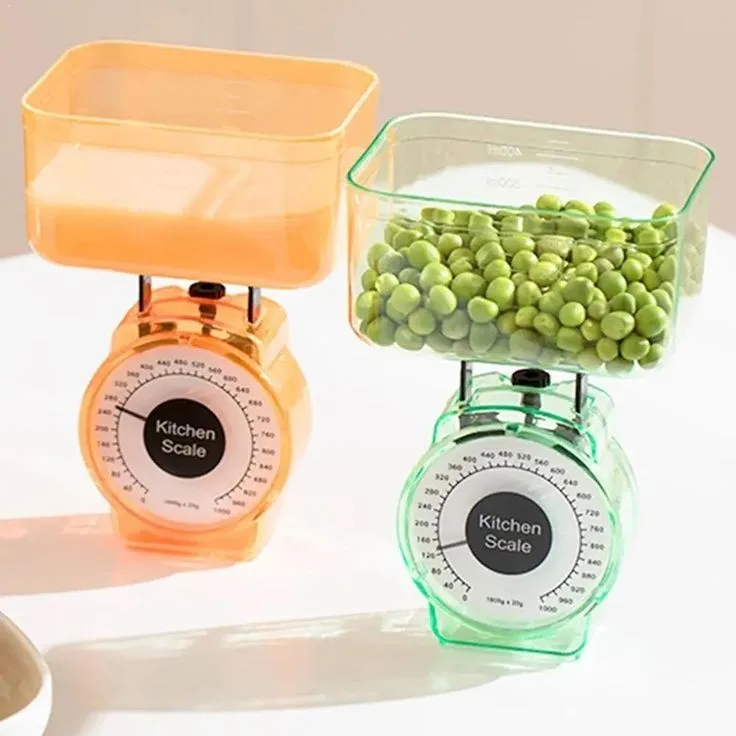
- Prep the chicken. Pat the pieces dry with paper towels. Trim excess fat or skin if you want leaner results. Season with salt, pepper, garlic, or your favorite marinade. For even cooking, pound thick breasts to a uniform thickness. If you're portioning by weight, set a bowl on a kitchen scale and tare it first.
- Add the water. Pour ½ to 1 cup of water or broth into the inner pot. Keep the amount modest. You want steady steam, not a simmering pot.
- Set up the basket. Put the steaming basket in place. Arrange the chicken in a single layer with a little space around each piece. Overlapping traps steam and leads to uneven cooking.
- Start the cooker. Close the lid and press Cook or Steam. For boneless pieces, plan on around 20 minutes. Bone-in pieces need longer.
- Check the temperature. When the cooker switches to Warm, insert an instant-read thermometer into the thickest part of the meat, away from any bone. You're aiming for exactly 165°F. If it's under that, add a few tablespoons of water and run another cycle.
- Rest and slice. Let the chicken rest for at least five minutes. That lets the juices redistribute, so the meat stays moist. Slice against the grain for the most tender bite.
Safety First: Doneness Checks, Cross-Contamination, and Cooling Rules
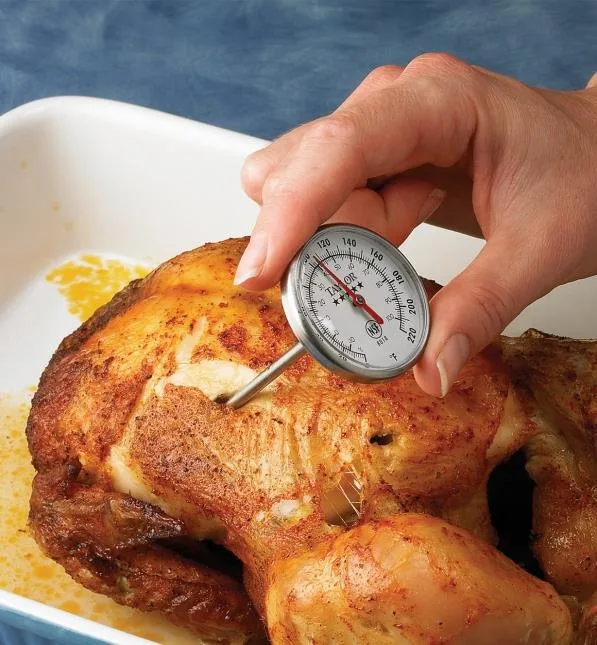
Image source: Bing (Web (fair-use with source credit))
The only reliable way to know chicken is safe is the internal temperature. It must reach 165°F. Don't trust "no pink" or clear juices.
Those signs are unreliable.
Use a separate cutting board for raw chicken. Wash it immediately with hot, soapy water. Wash your hands, knives, tongs, and anything else that touched the raw meat.
If you weighed the chicken, clean the scale tray too.
Don't rinse raw chicken in the sink. The splatter spreads Salmonella and Campylobacter across your counter. Steam kills surface bacteria during cooking, and the thermometer confirms the center is safe.
Cool leftovers quickly. Get cooked chicken into the fridge within 2 hours. If the room is above 90°F, that window shrinks to 1 hour.
Store it in shallow containers so it cools fast.
For the official numbers, the USDA FSIS safe minimum internal temperature chart is worth bookmarking. Keep that page handy for weekly meal prep.
Common Mistakes That Ruin Texture or Cause Undercooked Poultry
Overcrowding is the easiest way to ruin a batch. When chicken pieces overlap, steam can't reach every surface evenly. Leave a finger's width between pieces.
Peeking is the second. Every time you lift the lid, you lose steam and extend the cook time. If your lid is glass, watch through it.
If not, trust the timer.
Skipping the thaw is a food safety issue. A frozen breast can look cooked on the outside while staying raw in the center. Thaw chicken overnight in the fridge before it ever touches the basket.
Using too much water also causes problems. It takes longer to boil, and hot condensation spits out the vent. Stick to about half a cup for boneless cuts.
Finally, avoid the "eyeball doneness" habit. White flesh and clear juices don't prove anything. A consistent internal temperature of 165°F is the only reliable check.
Boneless, Bone-In, Frozen, or Flavored: Adjusting the Process
Let's talk timing by cut.
| Cut | Water / Prep | Steam Time | Doneness Check |
|---|---|---|---|
| Boneless chicken breast | ½ cup water | 15-25 minutes | 165°F at thickest point |
| Boneless chicken thighs | ½ cup water | 15-20 minutes | 165°F |
| Bone-in thighs | ¾ cup water | 25-35 minutes | 165°F, away from bone |
| Drumsticks | ¾ cup water | 25-40 minutes | 165°F, away from bone |
| Frozen chicken | Thaw completely first | Not recommended | Thaw before steaming |
Boneless breast is the leanest, so it dries out fastest. Pull it the moment it hits 165°F. Thighs are more forgiving because they carry more fat, which makes them a better choice for beginners.
Bone-in cuts take the longest. Check temperature near the joint, but keep the probe away from the bone itself. Bone conducts heat and can give a falsely high reading.
Marinades work well, but pat the meat dry before steaming. Extra liquid drips into the water and makes the steam too wet. A soy, garlic, and ginger mix gives you a fuss-free version of classic white-cut chicken.
For consistent results, portioning by weight before cooking keeps pieces uniform. Uniform pieces cook at the same speed, so you spend less time checking. This is where a good kitchen scale earns its counter space.
Rice Cooker Steaming FAQs
Can I steam chicken and rice at the same time?
Yes, if your rice cooker has a steaming tray. Add the rice and water to the pot, then set the tray above the water line. Lay the chicken on the tray and run the regular Cook cycle.
Check the chicken with a thermometer before serving, because the rice and chicken can finish at slightly different times.
How long does boneless chicken breast take to steam in a rice cooker?
Usually 15 to 25 minutes in a standard 5-cup model. Thickness matters. A 1-inch breast finishes on the shorter end, while a thicker piece needs closer to 25 minutes.
Cut thicker pieces in half horizontally for faster, more even cooking. Confirm with a thermometer, not a timer.
Why is my steamed chicken rubbery?
Rubbery chicken is usually overcooked chicken. Steam is moist, but it still pushes moisture out of lean breast meat if the heat lingers too long. Take the chicken out the moment it reaches 165°F.
Let it rest for five minutes, then slice against the grain.
Do I need a steaming basket, or can I use a heatproof plate?
A heatproof plate or shallow bowl works fine as long as it sits above the water line. You can use a metal trivet or a crumpled foil ring to raise it higher. Make sure it's stable.
If the chicken sits directly in water, you're poaching, not steaming.
Is the Warm setting safe for holding steamed chicken?
Warm holds food near 140°F to 150°F, which keeps it just above the USDA danger zone of 40°F to 140°F. It's fine for 30 to 40 minutes. Longer than that, the chicken dries out and the safety risk goes up.
Refrigerate leftovers in shallow containers within two hours.
The Bottom Line: Master the Method, Check the Temperature, Enjoy the Convenience
Rice cooker steaming is the right tool when you want moist, hands-off chicken with minimal cleanup. It isn't the option for crispy skin or browning. For batch meal prep, though, it's genuinely hard to beat.
The formula stays the same every time: single layer, steady steam, 165°F at the thickest point. Keep your equipment consistent, too. A scale that drifts gives you uneven portion sizes and uneven cook times.
Wipe it down after raw poultry, run a calibration check now and then, and it will stay reliable for years. Choosing a quality kitchen scale in the first place makes the whole routine simpler.