How to Juice Leafy Greens
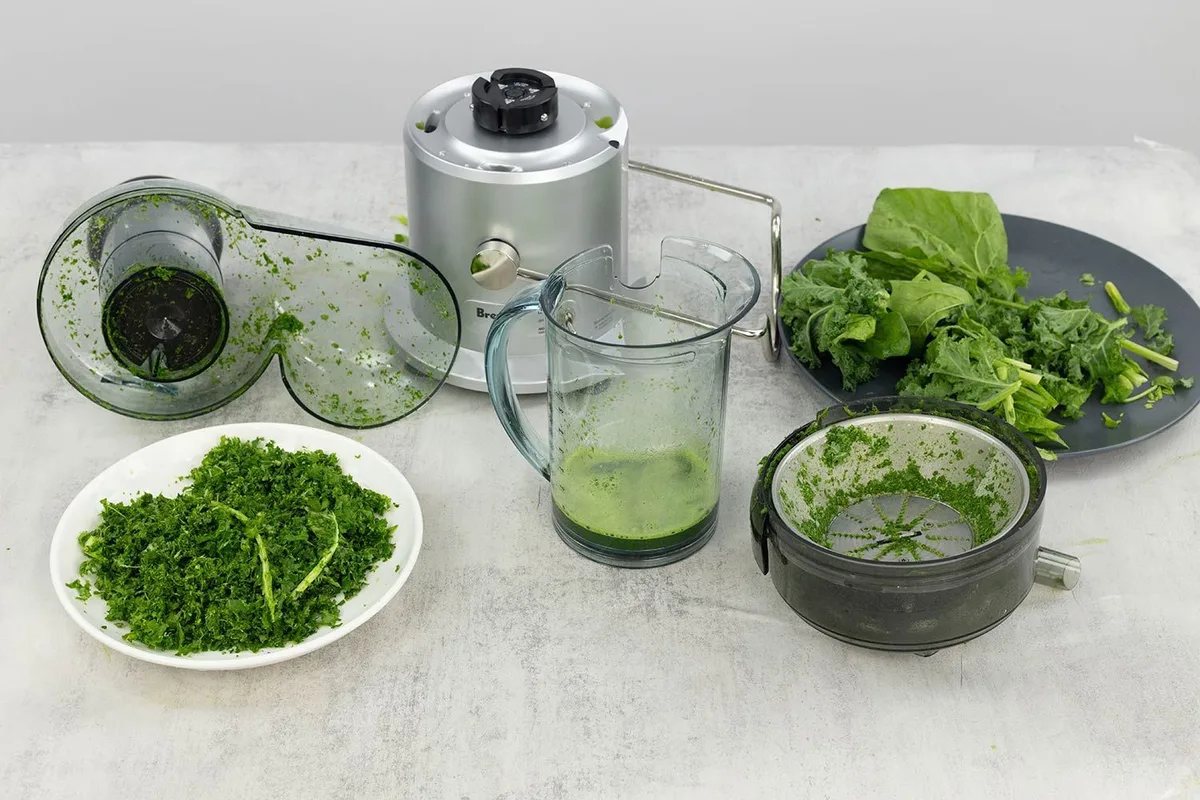
Image source: Bing (Web (fair-use with source credit))
So, you've been looking at those vibrant green juices and thinking, "I could totally do that." And you can! Juicing leafy greens is a fantastic way to boost your nutrient intake, and it's not as complicated as it might seem. But, like anything worth doing, there are a few ways to go about it, and figuring out the best way for you is key.
We're going to walk through this, kind of like a choose-your-own-adventure, but for your kitchen. The goal is to get you a delicious, healthy juice without a ton of fuss. Aggregate reviews indicate that most users find success by understanding the specific needs of different juicer types.
Quick Answer
To juice leafy greens, prepare them by washing and chopping, then feed them into your juicer, alternating with denser produce if using a centrifugal model. If using a blender, add liquid and strain the pulp. Always clean equipment immediately after use.
Your Juicing Setup: What Are You Working With?
Your juicing journey really starts with the tools you have (or are thinking about getting). This is probably the biggest fork in the road.
Centrifugal Juicers
These machines are workhorses! They're great for fruits and harder veggies, and they're usually more affordable. They spin produce really quickly to separate juice from pulp.
However, manufacturer specifications often note that they can be a bit noisy and sometimes don't handle leafy greens as efficiently as other types because the light greens can fly around. They're a solid starting point for many home users.
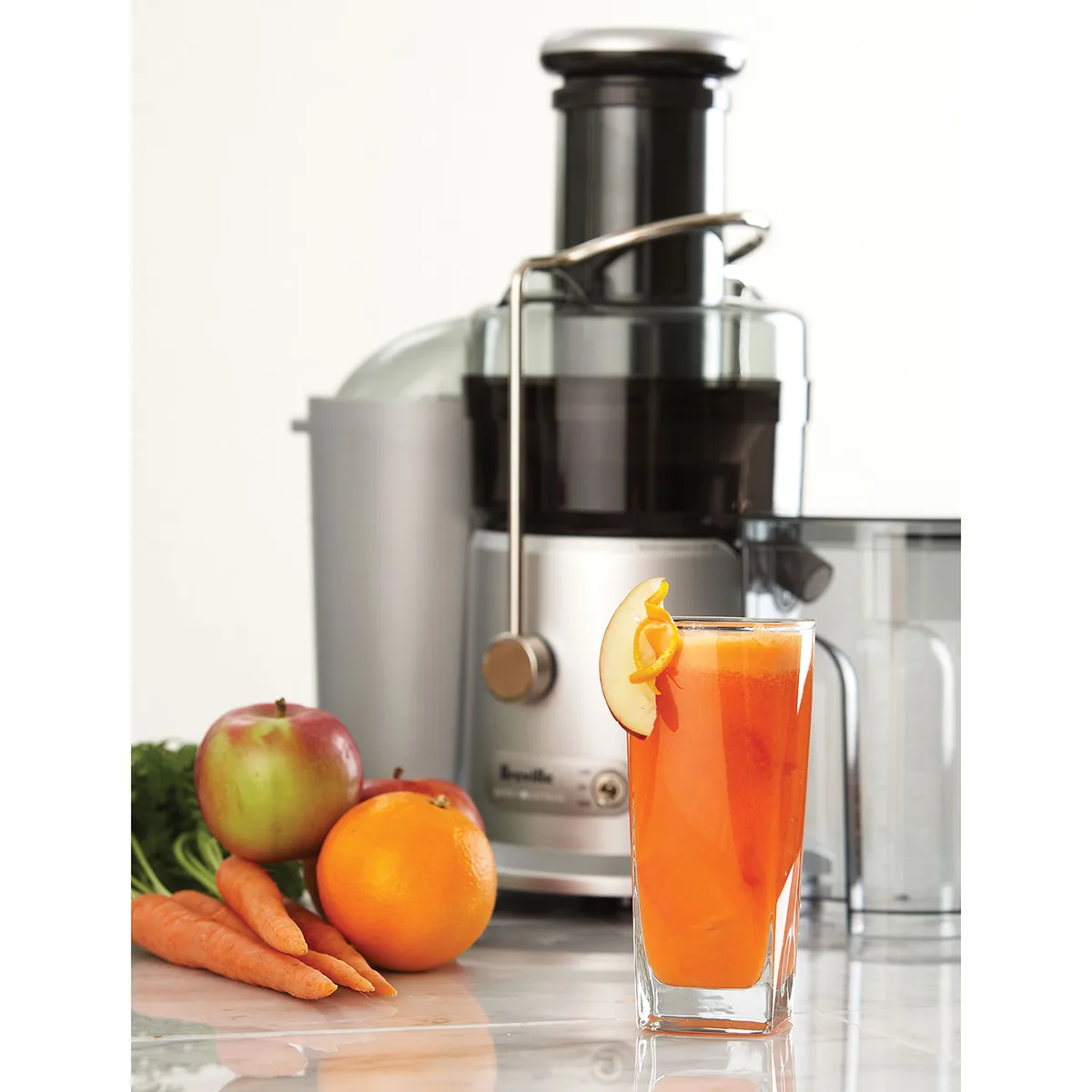
Image source: Bing (Web (fair-use with source credit))
Masticating/Slow Juicers
Masticating (or slow) juicers use a chewing or grinding mechanism to extract juice. This slower process tends to be more efficient, especially with greens, and often produces a higher quality juice with less oxidation. While they can be pricier, their ability to handle leafy greens effectively makes them a popular choice for serious juicers.
Aggregate reviews report better juice yield and less foam compared to centrifugal models.
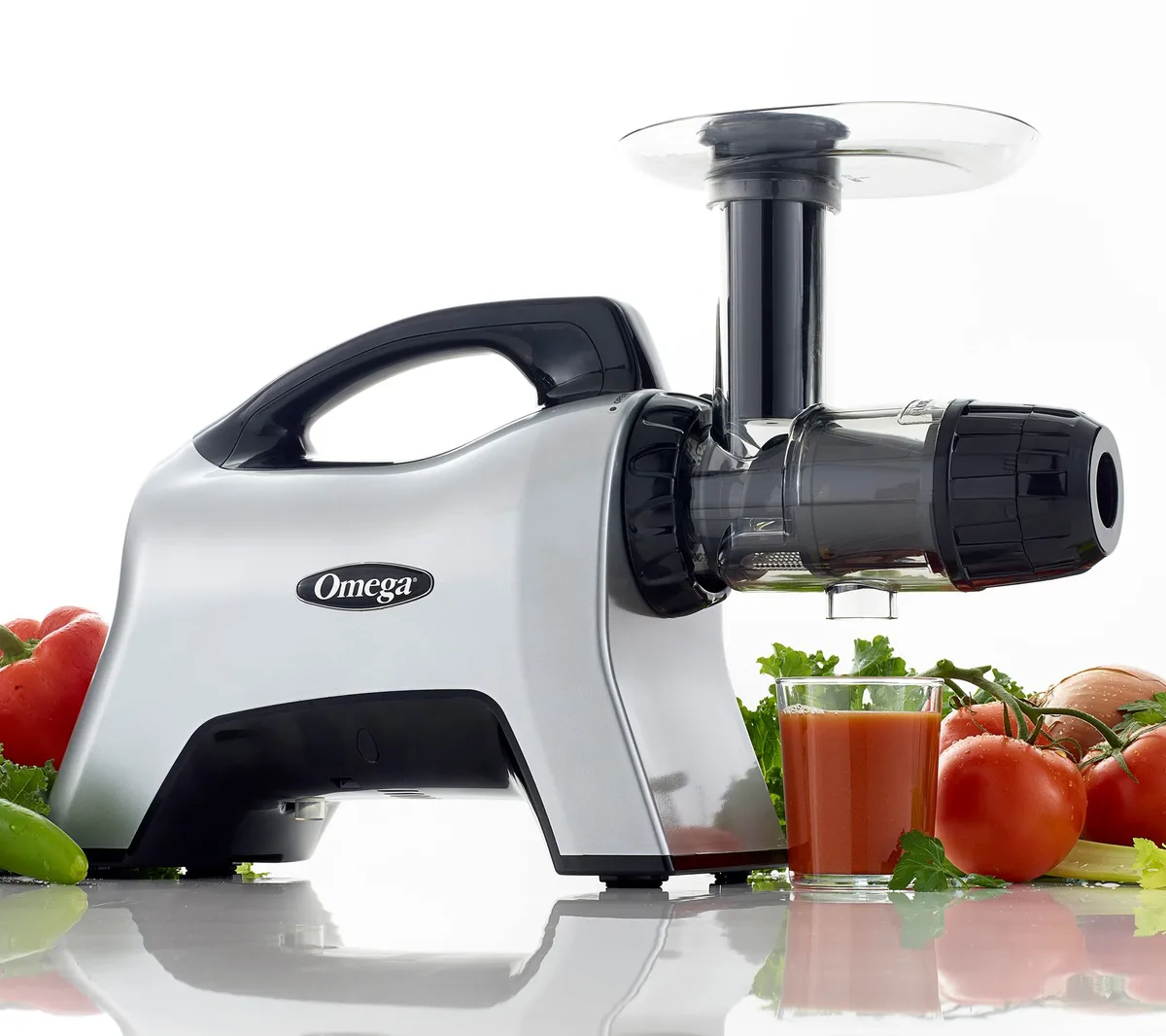
Image source: Bing (Web (fair-use with source credit))
Using a Blender
This is totally doable if you don't have a dedicated juicer. You'll need a good blender and a way to strain the juice afterward, like a nut milk bag or fine-mesh sieve. It's more hands-on for straining but doesn't require specialized juicing equipment.
Path A: Juicing with a Centrifugal Juicer
Centrifugal juicers are workhorses! They're great for fruits and harder veggies, but leafy greens can sometimes be a bit tricky because they're light and can fly around.
Preparing Greens and Produce
First, wash your leafy greens thoroughly. For really long leaves like kale or collard greens, you might want to chop them into shorter pieces, about 2-3 inches long, to prevent them from getting tangled. You don't need to remove the stems unless they're super thick and woody.
For other produce you plan to juice alongside your greens, cut them into sizes that comfortably fit your juicer's chute. This is crucial for smooth operation.
Juicing Strategy for Greens
This is the key for centrifugal juicers: you need to help push the greens through.
- Start by feeding a piece of harder produce, like an apple chunk or a carrot slice.
- Next, add a handful of your prepared leafy greens.
- Follow immediately with another piece of that harder produce.
- Keep alternating this pattern. The denser items act as "stoppers" or "pushers," helping to force the lighter greens down into the juicer's blade and extraction mechanism. This method significantly improves the yield and efficiency when juicing greens in this type of machine.
Path B: Juicing with a Masticating or Twin Gear Juicer
You're in for a treat with these! They are generally much better suited for leafy greens than their centrifugal counterparts.
Preparing Greens and Produce
Wash your leafy greens thoroughly. For very long greens like kale or swiss chard, it's helpful to roll them up into a tight "cigar" shape before feeding them into the juicer. This makes them easier to handle and feed consistently.
You can usually leave the stems on unless they are particularly thick and fibrous. For any other fruits or vegetables you plan to juice, prepare them by cutting them into appropriately sized pieces for your juicer's feed chute.
Feeding Greens for Maximum Yield
With a masticating or twin gear juicer, you can often feed the greens in a bit more continuously. These machines are designed to "chew" through fibrous materials. While alternating with firmer produce can still help ensure an exceptionally smooth run, it's less critical for successful green juicing than with a centrifugal model.
Many users find they can feed bunches of greens more directly, allowing the machine to do its work. Manufacturer specifications often highlight the high juice yield from fibrous greens using this method.
Path C: Juicing Greens with a Blender
This is a great option if you don't have a dedicated juicer or want to utilize your existing blender. It just involves an extra step for straining out the pulp.
Blending Greens and Liquid
Wash your greens thoroughly and chop them into smaller pieces so your blender can handle them easily. Remove any super tough stems if they seem very fibrous. You'll need some liquid to help the blender work efficiently; water is a simple choice, or you can use a bit of coconut water or juice from a complementary fruit like an orange.
Start with about half a cup to a cup of liquid, adjusting based on the volume of greens you're blending. Add your greens and liquid to the blender, along with any other fruits or veggies you're using. Blend until the mixture is as smooth as possible, stopping to scrape down the sides if needed.
Straining the Juice
This is where the extra effort comes in. You'll need a fine-mesh sieve or a nut milk bag. Place your chosen straining tool over a clean bowl or pitcher.
Pour the blended green mixture into the sieve or bag. If you're using a sieve, use a spoon or spatula to press the liquid through. If you're using a nut milk bag, gather the top and squeeze firmly until you've extracted as much juice as possible.
This straining step ensures a smoother, pulp-free juice, similar to what a high-end juicer might produce.
Expert Tips for Delicious Green Juice
Juicing your greens is a fantastic habit to build, but a little know-how goes a long way in making it enjoyable and effective.
Balancing Flavors
Leafy greens can have a strong, sometimes bitter taste, especially varieties like kale or chard. Pairing them with sweet fruits like apples, pears, or a touch of pineapple can significantly improve the palatability. Hydrating vegetables such as cucumber or celery also add a refreshing element.
A squeeze of citrus, like lemon or lime juice, is your secret weapon; it brightens the overall flavor profile and effectively cuts through any lingering bitterness.
Handling Tough Greens
When juicing tougher greens like mature kale or collard greens, preparation is key. Ensure they are well-washed and, for very long leaves, consider rolling them into a tight cylinder before feeding them into the juicer. This helps them move through the mechanism more smoothly.
For masticating juicers, this rolled form is especially effective. Always check manufacturer specifications for your specific juicer's limitations on fibrous material.
Cleaning Up Effectively
The best time to clean your juicing equipment is immediately after you finish using it. Pulp and juice residue are much easier to remove when they haven't had a chance to dry and harden onto the machine's parts. For most centrifugal juicers, a quick rinse and wipe-down is sufficient.
Masticating juicers may have more components, but a prompt cleaning prevents buildup and makes the process far less of a chore. Don't forget to clean any straining cloths or sieves thoroughly as well.
Common Mistakes When Juicing Leafy Greens
Even with the best intentions, a few common missteps can lead to less-than-ideal green juice. One frequent error is not washing produce thoroughly enough, which can introduce unwanted grit. Another mistake, particularly with centrifugal juicers, is trying to juice only greens without any other produce; this often results in poor extraction and a lot of wasted pulp.
Some users also forget to drink their juice promptly. As per FDA guidelines on food safety, juices should ideally be consumed within 24 hours of preparation, and as of 2026, proper handling remains critical.
FAQs About Juicing Leafy Greens
What are the best leafy greens for juicing?
Spinach and romaine lettuce are excellent for beginners due to their mild flavor and easy juicing. Kale, swiss chard, and collard greens offer more nutrients but have a stronger taste, so they're best introduced gradually or paired with sweeter ingredients.
Do I need a special juicer for leafy greens?
While any juicer can technically juice greens, masticating or slow juicers are generally more efficient and yield better results for leafy greens compared to centrifugal models. However, you can still achieve good results with a centrifugal juicer if you use the right technique.
How do I make green juice taste better?
To improve the taste, balance greens with sweet fruits like apples or pears, or add hydrating vegetables like cucumber and celery. A squeeze of lemon or lime juice can also help cut bitterness and enhance the overall flavor profile.
Can I juice stems from leafy greens?
Yes, you can usually juice the stems from most leafy greens like kale and swiss chard, especially if they aren't excessively woody. They contain nutrients, though they might add a stronger flavor to your juice.
How much pulp is normal in green juice?
Some pulp is normal, especially if you're using a centrifugal juicer or not straining extremely finely. Masticating juicers tend to produce drier pulp and clearer juice. If you prefer pulp-free juice, use a very fine-mesh sieve or a nut milk bag when straining.