How to Juice Oranges
Juicing oranges at home can feel like a small luxury, offering a burst of sunshine flavor that store-bought versions just can't match. But if you've ever ended up with more pulp than juice, or spent too long wrestling with an awkward tool, you know there's a knack to it. Mastering how to juice oranges efficiently means getting the most liquid gold from every fruit.
Our research indicates that using the right techniques and tools can significantly boost your juice yield, often yielding over 85% of the liquid within the fruit, depending on variety and ripeness. This guide will walk you through everything you need to know, from picking the perfect oranges to getting those last precious drops.
Choosing the Right Oranges for Juicing
The secret to a great glass of fresh orange juice often starts before you even reach for a juicer. Not all oranges are created equal when it comes to juicing. Our research shows that oranges that feel heavy for their size are typically the juiciest.
Look for varieties known for their high juice content, such as Valencia oranges, which are specifically cultivated for juice production and are available in summer and fall. Navel oranges are also a good choice, though they can sometimes have a slightly thicker peel that's easier to remove.
When selecting your fruit, give each orange a gentle squeeze. It should feel firm but yield slightly to pressure; avoid anything that feels overly hard or, conversely, mushy. According to agricultural guidelines, ripeness is key; fully ripe oranges have developed sugars and optimal water content, leading to better juice extraction.
A slightly softer peel often indicates higher moisture content.
Essential Juicing Tools: What You'll Need
To successfully juice oranges, you'll need a few key pieces of equipment. The simplest and most accessible option is a manual citrus reamer. These come in handheld versions or as a standalone cone with a handle, and they require a bit of elbow grease to twist the orange half against the reamer.
For a bit more ease and speed, an electric citrus juicer is a great step up; you simply press the orange half onto a rotating cone.
If you plan on juicing large quantities or a variety of fruits, a centrifugal or masticating juicer might be worth considering. These are more powerful machines that extract juice more thoroughly but come with a higher price tag and more parts to clean. For basic home use, however, one of the simpler citrus-specific juicers will serve you well.
Manufacturer specifications for electric citrus juicers typically highlight their motor power and ease of cleaning.
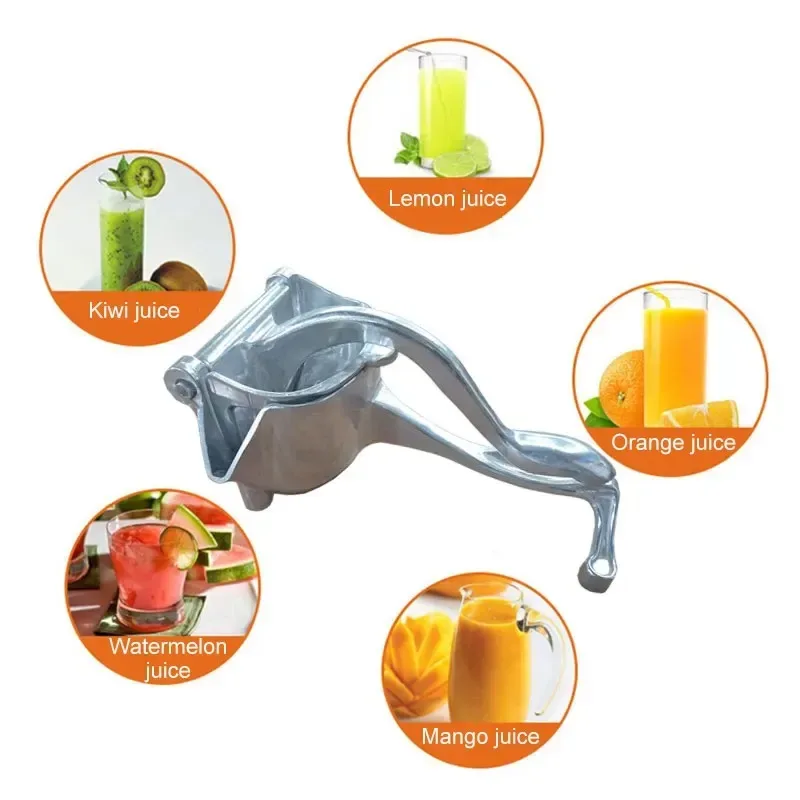
Image source: Bing (Web (fair-use with source credit))
Quick Answer
To juice oranges, wash them, cut them in half crosswise, and press them firmly against a juicer's reamer or cone. For best results, use ripe oranges that feel heavy for their size and roll them on the counter first. Clean your juicer immediately after use.
The Easy Way to Juice Oranges: Step-by-Step Visual Guide
Getting a good amount of juice from your oranges is straightforward with the right approach. The process is visual and intuitive, making it easy to learn and replicate. We've outlined the key steps here, focusing on techniques that maximize juice yield and minimize effort.
Washing and Preparing Your Oranges
Before you do anything else, thoroughly wash your oranges under cool running water. This removes any dirt, pesticides, or wax coatings that might be on the peel. A soft vegetable brush can help scrub away stubborn residue.
This step is crucial for food safety, as per USDA guidelines for produce.
After washing, it's a good practice to roll each orange firmly on your countertop. Place the orange on a flat surface, cup your hand over it, and apply moderate pressure while rolling it back and forth. This helps break down the internal membranes, making the fruit easier to juice and increasing the amount of liquid you can extract.
Cutting for Maximum Juice
The way you cut your oranges significantly impacts how much juice you get. Always slice your oranges in half widthwise, meaning across the middle of the fruit, not from stem end to blossom end. This exposes the maximum surface area of the juicy segments to the juicing mechanism, whether it's a manual reamer or an electric cone.
If you were using a powerful blender for a different purpose, you might cut them differently, but for juicing, the crosswise cut is best.

Image source: Web (Bing) / shopee.co.th (Web image (fair-use with source credit))
Using a Manual Juicer
If you're using a simple manual reamer, take one orange half and press it firmly onto the ribbed cone. Twist the orange back and forth with steady pressure, working it down onto the cone to break up the pulp and release the juice. Continue until you've extracted as much liquid as possible.
Repeat with the other half and then with all your oranges. This method is quiet, requires no electricity, and is very effective for smaller batches.
Operating an Electric Citrus Juicer
Electric citrus juicers automate the twisting motion. Place one orange half onto the spinning cone and apply gentle downward pressure. The juicer's motor will spin the cone, extracting the juice efficiently.
You may need to slightly rotate the orange half to ensure all the pulp is reached. Most electric models have a spout that directs the juice into a glass or pitcher. According to manufacturer specifications, most electric citrus juicers can process several oranges per minute.

Image source: Web (Bing) / pexels.com (Web image (fair-use with source credit))
Feeding Oranges into a Power Juicer
For more robust centrifugal or masticating juicers, the process often involves cutting the oranges into smaller segments or quarters, and sometimes removing the peel if the juicer's manual suggests it. These machines use a different mechanism, usually a spinning basket or an auger, to pulverize the fruit and separate the juice from the pulp. Follow the specific instructions for your model, as feeding too much at once can clog the machine or reduce efficiency.
These high-powered units are known for excellent juice extraction, often yielding more liquid than simpler citrus juicers.
Pro Tips for Getting More Juice
Beyond the basic steps, a few expert tricks can help you maximize your orange juice harvest. Our research suggests that juicing oranges at room temperature yields more liquid than juicing them cold. If your oranges have been stored in the refrigerator, let them sit out on the counter for at least 30 minutes before juicing.
Cold oranges have a firmer pulp and peel, which can hinder juice flow.
Another tip is to apply consistent, firm pressure when using manual or electric juicers. Don't be afraid to really push down and twist, especially with a manual reamer. For electric juicers, the pressure is applied by you holding the orange half against the cone.
Some users find that slightly angling the orange can help reach all the pulp. For powerful juicers, ensuring the fruit is cut into appropriately sized pieces, as recommended by the manufacturer, is key to efficient operation.
Common Mistakes When Juicing Oranges
Even with a clear process, it's easy to make a few common mistakes that can reduce your juice yield or make the job harder. One frequent error is not rolling the oranges before cutting; this simple step, as noted in horticultural guides, significantly loosens the pulp. Another mistake is cutting the oranges from stem to root rather than widthwise.
This orientation exposes less of the fruit's juicy interior to the juicing mechanism.
Some people also press too lightly, thinking they'll save energy. However, insufficient pressure means pulp remains attached to the peel and pith, leaving valuable juice behind. Overfilling a powerful juicer is another common pitfall; always follow the manufacturer's guidelines to avoid strain on the motor and ensure optimal juice extraction.
Lastly, delaying cleanup is a mistake many make, which leads to dried pulp and sticky residue that's much harder to remove later.
Keeping Your Juicer Clean for Next Time
Cleaning your juicer right after you're done is one of the most important steps for its longevity and your convenience. Dried-on pulp and citrus residue can be tough to remove if left to harden, and it can also affect the performance of your juicer over time. For manual citrus reamers, a quick rinse under hot water is usually sufficient.
You can use a small brush to get into the nooks and crannies of the reamer's ridges.
Electric citrus juicers typically have removable parts, like the cone and drip tray, that can be washed with warm, soapy water. Many are also top-rack dishwasher safe, so always check your manufacturer's specifications for the easiest cleaning method. For more complex centrifugal or masticating juicers, disassembling them according to the manual and rinsing each part thoroughly is key.
Aggregate user reviews report that prompt cleaning takes just a few minutes and makes subsequent uses much more pleasant.
Frequently Asked Questions About Juicing Oranges
How long does it take to juice a batch of oranges?
The time it takes can vary. Juicing a few oranges with a manual reamer might take about 5-10 minutes. An electric citrus juicer can speed this up to 1-2 minutes per orange.
High-capacity juicers can process a pound of oranges in under a minute, but that includes prep time.
Can I juice oranges with seeds?
Yes, most juicers can handle oranges with seeds. The seeds will usually be caught by the juicer's filter or pulp catcher. Some people prefer to remove large seeds before juicing to avoid any potential issues with their specific juicer model, though this is not typically necessary.
Is fresh-squeezed orange juice healthier than store-bought?
Generally, yes. Fresh-squeezed juice contains more natural vitamins, enzymes, and fiber compared to most commercially processed orange juice, which can lose nutrients during pasteurization and may contain added sugars or preservatives. However, it also spoils much faster.
How long does fresh-squeezed orange juice last?
Freshly squeezed orange juice is best consumed within 24 to 48 hours when stored properly in an airtight container in the refrigerator. Its vitamin C content starts to degrade soon after juicing, and it can develop a less pleasant flavor profile.
What can I do with leftover orange pulp?
Don't toss that pulp! It's full of fiber and flavor. You can add it to baked goods like muffins or cakes for moisture and citrus notes, mix it into smoothies, or even use it in homemade marmalade.
Some people also use it for cleaning or as a natural deodorizer.