How to Juice Apples
Making fresh apple juice at home is surprisingly simple, and it all starts with understanding the process and having the right equipment. If you’ve ever wondered how to juice apples for a healthy, preservative-free drink, you’ve come to the right place. We'll walk you through everything you need to know, from selecting your apples to cleaning up afterward.
Juicing apples can yield a delicious, nutrient-rich beverage. For example, some juicer models, particularly masticating juicers, can achieve juice yields of over 80% from certain apple varieties, according to manufacturer specifications. Getting it right involves a few key steps, and we'll cover those visually to make the process crystal clear.
Quick Answer
Juicing apples involves washing and prepping the fruit, then feeding it into a juicer. Select ripe, firm apples. Centrifugal juicers spin fast, while masticating juicers chew slowly.
Always follow your juicer's instructions for assembly and operation. Clean all parts immediately after use.
Picking the Right Apples for Juicing
When you're aiming for the best-tasting, highest-yield apple juice, the type of apple you choose makes a big difference. Not all apples are created equal for juicing purposes. Some are bred for eating fresh, while others are perfect for baking, and a select few are champions for juicing.
Visual Guide: Apple Varieties and Their Juice Potential
Think of apple varieties like different tools in a toolbox; each has its strength. For juicing, you want apples that offer a good balance of sweetness, tartness, and, importantly, a high juice content.
- Sweet & Mild: Varieties like Fuji, Gala, and Red Delicious tend to be sweet and are good for a milder juice. They usually have a decent amount of juice, though sometimes less than their tarter cousins.
- Tart & Flavorful: Granny Smith, Honeycrisp, and McIntosh apples often provide a more robust flavor and a tangier juice. These varieties can also yield a good amount of liquid.
- Heirloom & Cider Apples: If you have access to less common varieties, look for apples specifically recommended for cider, as these are often bred for high juice content and complex flavor profiles. Our research indicates that many traditional cider apples are ideal for home juicing due to their balanced sugar and acidity.
- Avoid: Apples that are mealy, overripe, or have soft spots are generally not the best for juicing. They can produce cloudy juice and a less desirable flavor.
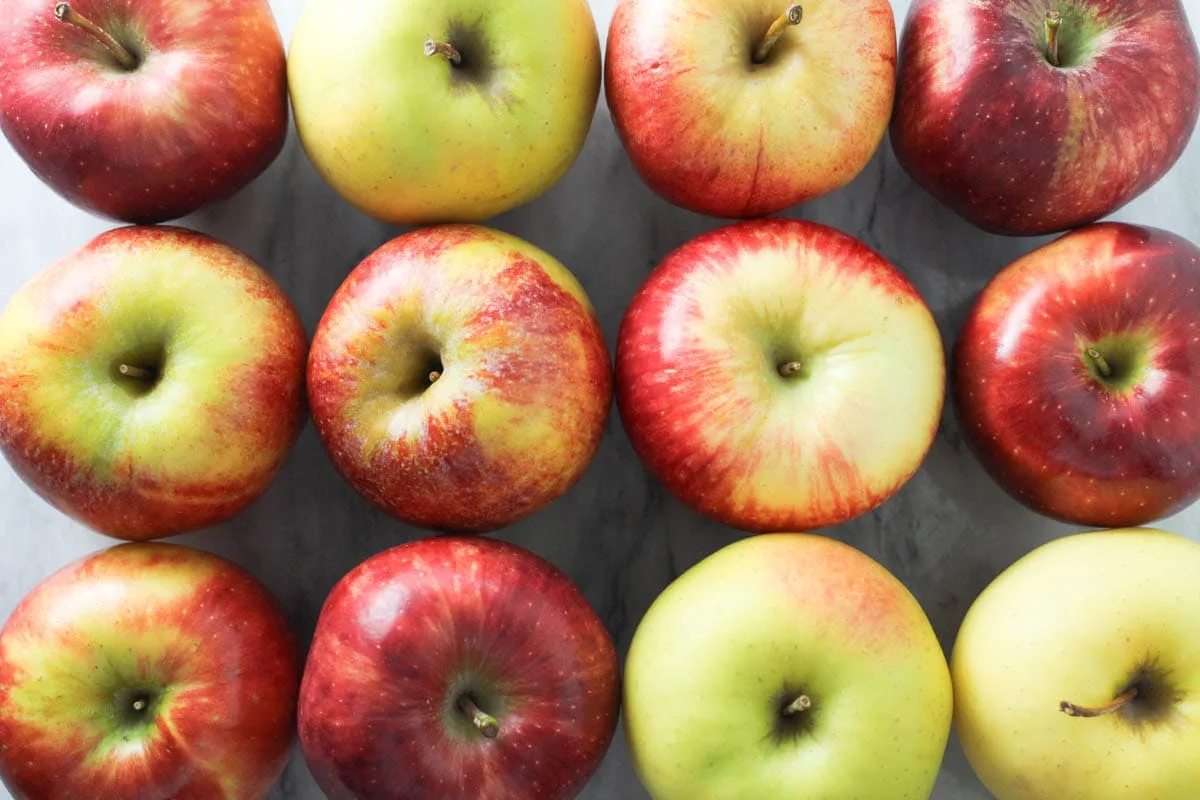
Image source: Bing (Web (fair-use with source credit))
Choosing a mix of sweet and tart apples can create a more complex and pleasing flavor profile in your final juice.
Your Juicing Setup: What You'll Need
Before you dive into juicing your apples, it's wise to have everything ready. This isn't just about grabbing an apple and a blender; it involves specific equipment designed for extracting liquid from produce efficiently. Having all your tools and ingredients on hand will make the whole process smoother and more enjoyable.
Here’s a breakdown of what you’ll typically need:
- Apples: Of course! A good selection of your favorite varieties, washed clean.
- Juicer: This is the main event. The type of juicer you have will influence the process and the outcome.
- Cutting Board & Knife: For prepping the apples to fit into your juicer.
- Collection Container: To catch the fresh juice as it comes out.
- Pulp Container: Most juicers have a separate bin for the leftover pulp.
- Cleaning Brushes: Essential for immediate cleanup to prevent pulp from drying on parts.
- Optional: A fine-mesh sieve if you prefer an extra-clear juice, though most juicers do a good job of separation.
Having these items ready ensures you can move from apple to juice without interruption.
Choosing Your Juicer: Centrifugal vs. Masticating
The heart of your apple juicing operation is the juicer itself. There are two main types that most home users encounter: centrifugal and masticating juicers. Each has its own way of working, affecting juice quality, yield, and how easy it is to use.
Understanding the difference is key to selecting the best one for your needs.
Centrifugal Juicers
These are the most common and often the most affordable type of juicer. They work by spinning a sharp blade at very high speeds, essentially shredding the fruit. The centrifugal force then pushes the juice through a mesh screen while the pulp is flung to the side into a separate container.
- Pros: Fast operation, generally easier to clean, and more budget-friendly. They can process a lot of produce quickly.
- Cons: The high speed can generate heat, which may slightly degrade some nutrients and enzymes. They also tend to produce more foam and can be noisier. Juice from centrifugal juicers may not keep as long due to oxidation.
Masticating Juicers (Slow Juicers)
Masticating juicers, also known as slow juicers, work by using a grinding or chewing mechanism. A single auger (screw) slowly rotates, crushing the fruit and pressing it against a screen to extract juice. This slower process results in less heat and oxidation.
- Pros: Higher juice yield, less foam, and juice that is generally richer in nutrients and enzymes. Juice can often be stored for a bit longer (up to 48-72 hours in an airtight container). They are also quieter.
- Cons: They are typically slower to operate and can be more expensive. Cleaning might take a bit longer depending on the model.
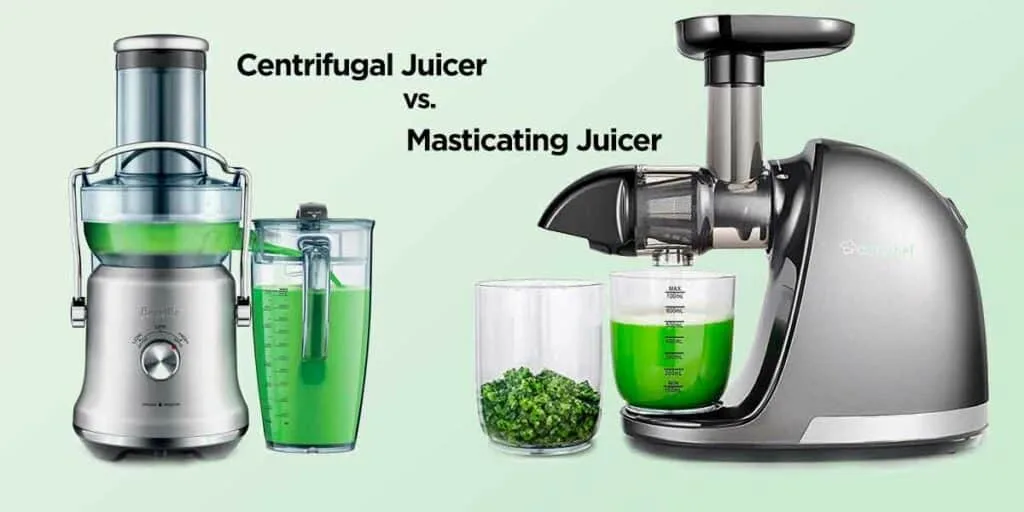
Image source: Bing (Web (fair-use with source credit))
For juicing apples, both types can work well. If you prioritize speed and budget, a centrifugal juicer is a great start. If you're looking for maximum nutrient retention and juice quality, a masticating juicer might be worth the investment.
Our research indicates that for a truly premium apple juice experience, masticating juicers often come out on top for juice quality.
The Visual Step-by-Step Juicing Process
Juicing apples at home is straightforward, but following a clear process ensures you get the best results and make the most of your produce and equipment. We’ll break down the key stages, focusing on what you’ll see and do at each step.
Preparing Your Apples for the Juicer
This is a crucial stage that impacts both the ease of juicing and the quality of your final juice.
- Wash Thoroughly: Start by giving your apples a good rinse under cool running water. Use your hands or a soft vegetable brush to remove any dirt, pesticide residue, or wax coatings.
- Inspect for Damage: Look for any bruised spots or soft areas. While you can cut away small bruises, significant damage can affect the flavor of your juice.
- Core and Cut: This step varies slightly depending on your juicer’s design.
- Feed Chute Size: If your juicer has a wide feed chute (often 3 inches or more), you might only need to quarter or halve larger apples. Many centrifugal juicers have large chutes that can accommodate whole, cored apples.
- Smaller Feed Chutes: For juicers with narrower chutes, you'll need to cut apples into smaller, manageable pieces, typically quarters or eighths.
- Coring: Many juicers can handle the core, but some manufacturers recommend removing it, especially the seeds, as they can contain small amounts of cyanide compounds. If your juicer manual suggests coring, use an apple corer or a sharp knife to remove the central part.
- Stems: Always remove the small stem.

Image source: Web (Bing) / sportsbookwire.usatoday.com (Web image (fair-use with source credit))
The goal here is to create pieces that fit easily into your juicer’s feed chute without forcing them. This prevents strain on the motor and ensures smooth operation.
Operating Your Juicer: What to Watch For
Once your apples are prepped and your juicer is assembled according to the manufacturer's instructions, it's time to start juicing. Pay attention to how the machine works and what comes out. This stage is where the magic happens, and visual cues can tell you a lot about what's going on.
Centrifugal Juicer Operation:
- Turn On: Ensure the juicer is on a stable, flat surface and plugged in. Turn it on and let it reach full speed before feeding apples.
- Feed Apples: Place the prepared apple pieces into the feed chute, one by one, using the pusher if provided. Don't overload the chute.
- Observe Pulp: You’ll see juice flowing into your collection container and pulp being ejected into the pulp bin. A good centrifugal juicer will quickly process the fruit.
- Listen: The sound should be a consistent hum or whirring. If it starts to strain or make unusual noises, you might be feeding it too quickly or the pieces are too large.
- Continue: Keep feeding apples until you've used them all or your juice container is full.
Masticating Juicer Operation:
- Turn On: Switch on the juicer. It will operate at a much slower, steady pace.
- Feed Apples: Gently push the apple pieces into the feed chute. The auger will grab them and slowly pull them through.
- Observe Pulp and Juice: You'll see juice being squeezed out and a relatively dry pulp being ejected. Masticating juicers are known for extracting more liquid, leaving behind less moist pulp.
- Patience: These machines are designed for a slower, more thorough extraction. Avoid forcing the apples; let the auger do its work.
Regardless of the type, watch for the consistency of the juice and the dryness of the pulp. Very wet pulp indicates that more juice could have been extracted. Conversely, if the juicer is struggling or the pulp is very wet, it might signal an issue with the apples or the juicer itself.
As of 2026, most user feedback aggregates report that masticating juicers generally offer better juice yield compared to their centrifugal counterparts for most fruits and vegetables.
Most juicers come with a specific container for the juice. Ensure it's properly seated before you start. If you prefer very clear juice, you can run the collected juice through a fine-mesh sieve or cheesecloth a second time.
However, many people enjoy the slightly thicker texture from unfiltered juice.
Common Juicing Pitfalls and How to Avoid Them
Even with the best intentions, sometimes juicing doesn't go quite as planned. Understanding common issues can save you frustration and help you troubleshoot any problems that pop up. Most of these can be easily fixed with a little knowledge.
Troubleshooting Cloudy Juice or Too Much Pulp
Cloudy juice or a noticeable amount of pulp in your apple juice can be a bit of a letdown. This usually points to a few things:
- Juicer Type: Centrifugal juicers, by their nature, can sometimes let more pulp through than masticating juicers. If you’re using a centrifugal model, this might be normal.
- Screen Mesh: Check the mesh screen in your juicer. If it's clogged with pulp, juice might not be able to pass through cleanly, leading to more pulp in the output. A quick rinse of the screen during operation (if your juicer allows) or immediately after can help.
- Apple Prep: If you didn't cut the apples small enough or if they were very soft to begin with, more pulp can end up in the juice. Ensure your apple pieces are consistently sized.
- Overfilling: Pushing too many apples into the juicer at once can overwhelm the system, causing pulp to bypass the filter. Feed the apples gradually.
If you're getting too much pulp and your juicer is clean, consider using a fine-mesh sieve for a clearer result.
Dealing with Juicer Overheating or Clogging
An overheating or clogged juicer is usually a sign that the machine is working too hard.
- Overheating: This most commonly happens with centrifugal juicers if they run continuously for too long, especially when juicing fibrous items or very hard produce.
- Solution: If your juicer has an overload protector, it will likely shut off automatically. Let it cool down completely (usually 15-30 minutes) before attempting to use it again. Avoid running it for more than a minute or two at a time without a break.
- Clogging: This occurs when pulp builds up faster than the juicer can eject it.
- Cause: Often due to very soft or mealy apples, or if you're trying to process too much at once. Masticating juicers can sometimes clog if large, hard seeds or pits are accidentally fed through, although apples don't typically pose this risk.
- Solution: Turn off the juicer immediately. Disassemble the parts that are clogged. Clean them thoroughly, and then reassemble. If it clogs repeatedly, try cutting your apples into smaller pieces or alternate between apples and a harder, less fibrous fruit or vegetable (like a carrot, if your juicer handles it).
Caring for Your Juicer: Keeping It in Top Shape
Your juicer is a kitchen workhorse, and like any appliance, it needs care to perform its best and last for years. The most critical part of juicer maintenance is immediate cleaning. Don't let pulp and juice dry on the parts; it becomes significantly harder to remove later.
Here’s a routine to keep your juicer running smoothly:
- Immediate Rinse: As soon as you finish juicing, disassemble the juicer as much as possible. Rinse each part under warm running water to remove the bulk of the pulp and juice. A soft brush can help get into nooks and crannies.
- Deeper Clean: For a more thorough clean, use warm, soapy water. Most juicer parts are top-rack dishwasher safe, but always check your manufacturer's manual first. Washing by hand with a soft brush or sponge is often the quickest way to get everything clean.
- Scrape and Scrub: Pay special attention to the juicing screen or filter basket. Use the cleaning brush provided with your juicer (or a stiff-bristled brush) to scrub away any stuck pulp. This is crucial for maintaining optimal juice extraction.
- Dry Thoroughly: After washing, allow all parts to air dry completely before reassembling or storing. This prevents mildew and helps protect the materials.
- Motor Base: Never immerse the motor base in water. Wipe it down with a damp cloth.
- Regular Checks: Occasionally, check the power cord for any damage and ensure the juicer’s parts fit together snugly. Proper care helps prevent issues like how to fix a rice cooker that won’t turn on or other appliance malfunctions down the line.
Consistent cleaning after every use is the single best thing you can do for your juicer. It ensures hygiene, prevents odors, and maintains the juicer's efficiency for consistent, high-quality juice. For more in-depth guidance, consulting your appliance's specific user manual is always recommended.
This routine care is similar to how you’d how to maintain a rice cooker for longevity.
Fresh Apple Juice FAQs
How long does apple juice last after juicing?
Freshly juiced apple juice is best consumed immediately for optimal flavor and nutrient content. However, if stored in an airtight container in the refrigerator, it can typically last for 24 to 72 hours. Masticating juicers, which introduce less air and heat, tend to produce juice that lasts a bit longer than that from centrifugal models.
Do I need to peel apples before juicing?
No, you generally do not need to peel apples before juicing. The peel contains a lot of nutrients and fiber. The juicer will separate the juice from the skin, which gets processed as part of the pulp.
Just ensure the apples are washed thoroughly to remove any residue.
Can I juice apples with a regular blender?
While you can blend apples with a little water in a regular blender to create a liquid, it's not the same as juicing. Blenders pulverize the entire fruit, including the pulp and fiber, creating a smoothie. Juicers separate the liquid from the solids, leaving you with pure juice.
Attempting to strain a blended apple mixture to get juice is very inefficient and time-consuming.
What's the difference between apple juice and apple cider?
In the United States, "apple juice" typically refers to a clear, filtered liquid that has often been pasteurized. "Apple cider" usually implies an unfiltered, unpasteurized product that is cloudier and has a more robust, tart flavor. In some other countries, "cider" can refer to an alcoholic beverage.
The term can be a bit confusing, but for home juicing, you're making something closer to fresh, unfiltered cider that can be cleared if desired.
How much juice can I expect from a pound of apples?
The yield varies greatly depending on the apple variety and the type of juicer. On average, you can expect about 10-16 ounces of juice per pound of apples. Heirloom or cider apple varieties, and those processed in a high-quality masticating juicer, might push towards the higher end of this range.