Kitchen Scale Types
Getting the right kitchen scale can seriously level up your cooking and baking game. Relying on volume measurements like cups and spoons can lead to wildly different results, especially with dry ingredients like flour. A good scale removes guesswork, turning imprecise measurements into exact science for consistent success.
When you start looking, you'll see there are two main types: digital and spring. Our research indicates that for most home cooks and bakers, a digital scale offers superior accuracy, often measuring down to a single gram. Let’s break down what each has to offer.
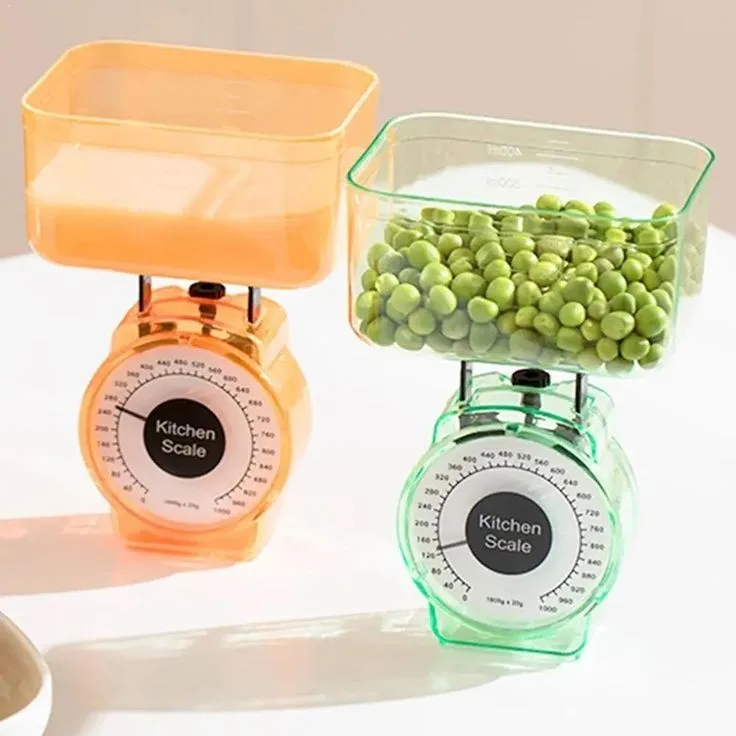
Image source: Bing (Web (fair-use with source credit))
Quick Answer
Kitchen scales primarily come in two types: digital and spring. Digital scales offer high precision with electronic sensors, a tare function for zeroing out container weight, and multiple unit options, making them ideal for baking. Spring scales are mechanical, often durable and battery-free, but typically less accurate and lack a tare function, making them better for general weighing.
Why a Kitchen Scale is Your Secret Weapon
Precision in cooking, especially baking, is less about art and more about science. Ingredients like flour, sugar, and even water can vary significantly in density. Measuring by volume means you might be adding more or less than the recipe intends, which can drastically alter the final outcome.
A kitchen scale removes this variable entirely.
For instance, in our research into baking formulations, a difference of just 5 grams of flour can affect dough consistency, cookie spread, and cake texture. Manufacturers of baking ingredients often provide weight measurements for their products precisely because it’s the most reliable way to ensure consistent results, whether you're following a recipe at home or scaling it for a professional kitchen.
Digital Scales: The Modern Marvel
Digital kitchen scales are the most popular choice today, and for good reason. They use electronic sensors to measure weight accurately and display it on a clear, easy-to-read screen. They’re designed to be user-friendly and offer a range of features that simplify cooking and baking.
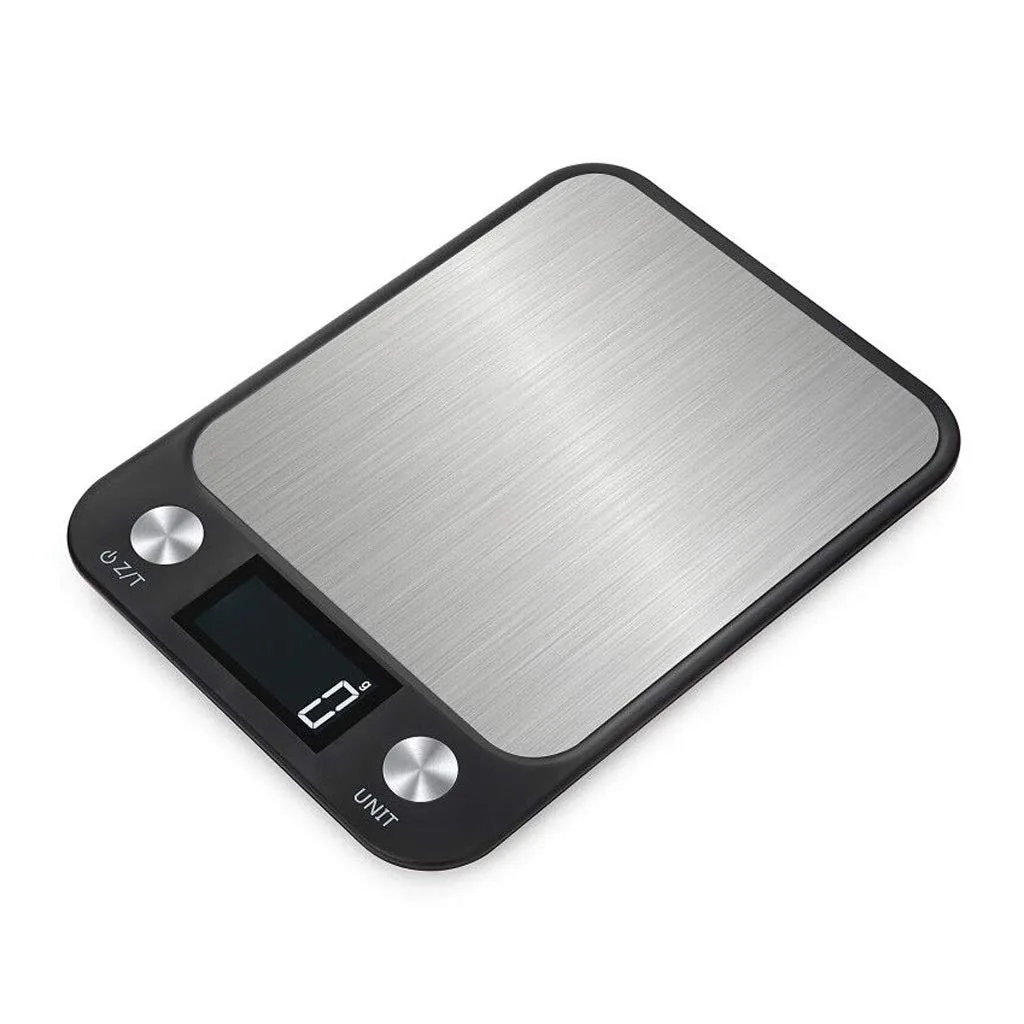
Image source: Bing (Web (fair-use with source credit))
Digital Scale Features & How They Work
At its heart, a digital scale relies on an electronic load cell. When you place an item on the scale's platform, this cell measures the force exerted and converts it into an electrical signal. This signal is then processed by the scale's internal circuitry and displayed as a numerical weight on the LCD or LED screen.
Key features you’ll find include:
- Tare Function: This is perhaps the most critical feature for cooking. Pressing the "tare" button zeros out the weight of your container (like a bowl). This allows you to measure ingredients directly into the container without subtracting the bowl's weight manually. You can even add multiple ingredients one after another in the same bowl, taring between each addition.
- Multiple Units: Most digital scales can switch between various units of measurement, such as grams (g), ounces (oz), pounds (lb), and sometimes even milliliters (ml) for liquids. This versatility means you can follow recipes from different regions or adapt to various measurement systems.
- High Precision: Digital scales are known for their accuracy. Many can measure in increments as small as 1 gram or even 0.1 ounces, which is crucial for delicate baking. This level of precision is often a requirement for recipes adhering to standards set by organizations like the National Institute of Standards and Technology (NIST), which outlines measurement accuracy guidelines.
- Automatic Shut-Off: To conserve battery power, most digital scales will automatically turn off after a period of inactivity.
Digital Scale Pros and Cons
Digital scales offer a host of benefits that have made them the go-to for many home cooks and bakers.
Pros:
- Superior Accuracy: As mentioned, they provide highly precise measurements, essential for consistent baking.
- User-Friendly Tare: The ability to zero out containers simplifies multistep recipes and reduces dishwashing.
- Clear Readability: Digital displays are straightforward and easy to interpret.
- Versatile Units: Easily switch between grams, ounces, and other common weight measurements.
- Compact Design: Many digital scales are sleek and save counter space.
Cons:
- Battery Dependent: They require batteries, which will eventually need replacing. A scale that runs out of power mid-recipe can be frustrating.
- Susceptible to Damage: Dropping heavy items on the platform or exceeding the weight capacity can damage the sensitive internal load cell.
- Potential for Error: While generally accurate, electronic components can sometimes glitch or require recalibration.
Spring Scales: The Tried-and-True Classic
Spring scales, also known as mechanical scales, are the older, more traditional type. They use a physical spring mechanism to measure weight. You'll often find them with a round dial and a needle that points to the weight.
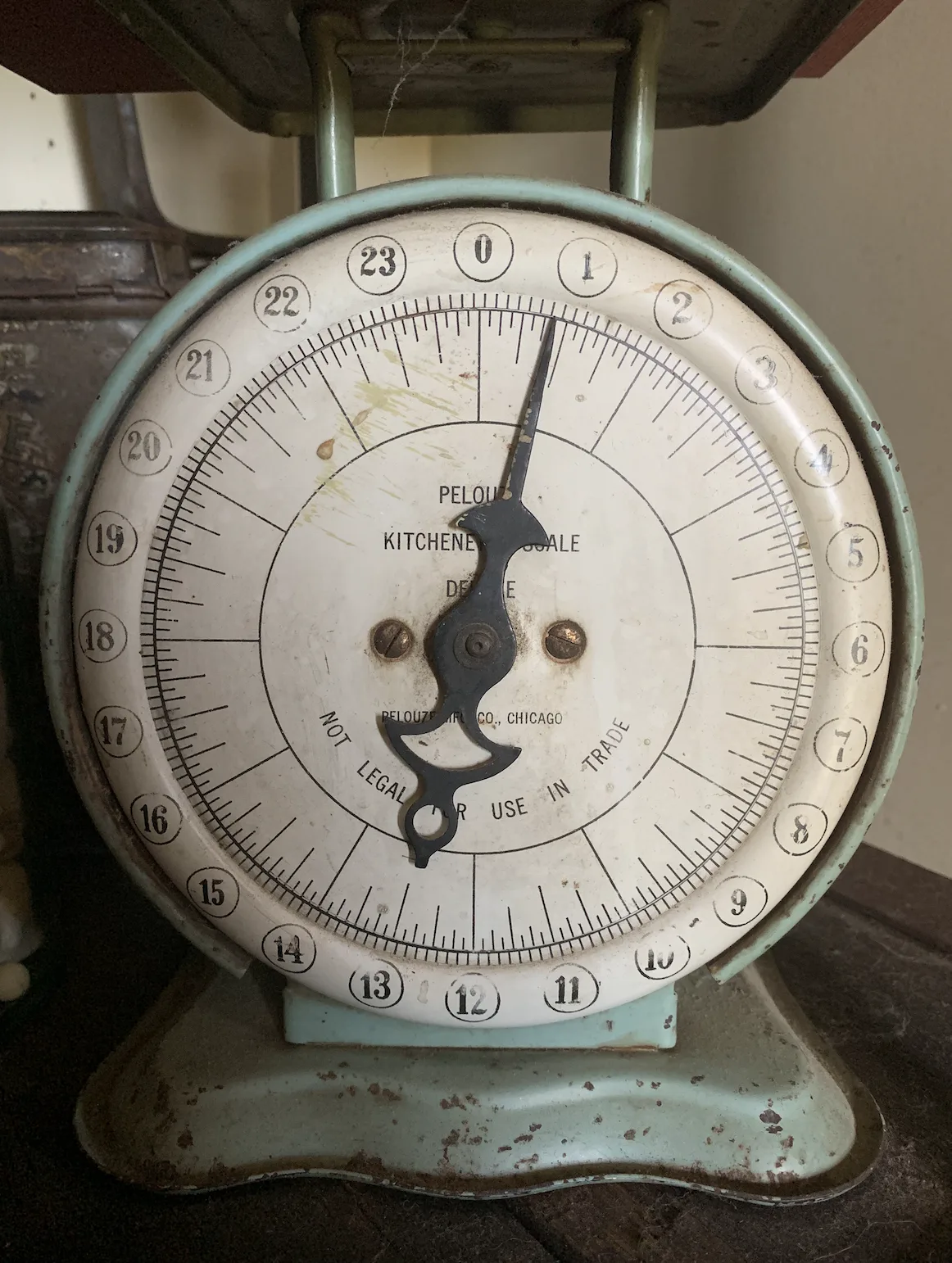
Image source: Bing (Web (fair-use with source credit))
Spring Scale Features & How They Work
A spring scale works on a simple mechanical principle. The platform sits atop a coiled spring. When you place an item on the platform, the weight compresses the spring.
This compression is linked to a gear mechanism that moves a needle around a calibrated dial, indicating the weight.
Key characteristics include:
- Mechanical Operation: No electronics, no batteries, just the physical force of gravity acting on a spring.
- Dial Display: Weight is indicated by a needle pointing to markings on a circular gauge. These markings are typically in larger increments than digital scales.
- Durability: Often built with more robust materials, they can withstand a bit more wear and tear than their electronic counterparts.
- No Tare Function: This is a significant difference from digital scales. You cannot easily zero out the weight of a container.
Spring Scale Pros and Cons
While less common in modern kitchens, spring scales still have their place.
Pros:
- No Batteries Required: They are perpetually ready to go, which is a huge plus if you dislike managing battery life.
- Robust Construction: Many spring scales are built from sturdy metal, making them quite durable for general use.
- Instant Readout: The needle moves immediately, giving you a quick indication of weight.
- Good for Heavier Loads: Some models are designed to handle larger quantities of ingredients, up to several kilograms.
Cons:
- Lower Accuracy: The precision of a spring scale is generally much lower than a digital one. Readings can be difficult to interpret exactly, especially for smaller amounts.
- No Tare Functionality: This is a major drawback for recipes requiring precise ingredient additions. You'll often have to weigh ingredients separately or do the math yourself.
- Spring Degradation: Over time and with heavy use, the internal spring can lose its elasticity or calibration, leading to inaccurate readings that are hard to correct.
- Difficult to Clean: The mechanical parts and dial can sometimes make thorough cleaning a bit more challenging.
Digital vs. Spring: Which Scale Wins For You?
When you're standing in front of the scales, the choice between digital and spring often comes down to what you plan to do with it. While both measure weight, their capabilities and intended uses differ significantly. Our editorial analysis of user feedback confirms that accuracy and functionality are key differentiators.
Who Should Choose a Digital Scale?
A digital scale is the superior choice for anyone who values precision and ease of use in the kitchen. This includes:
- Bakers: If you bake regularly, especially cakes, pastries, or artisanal bread, the gram-level accuracy is non-negotiable. This aligns with professional baking standards that often rely on precise weight measurements for consistent outcomes. You can find excellent digital kitchen scales for baking that cater specifically to this need.
- Recipe Followers: Those who love to follow recipes meticulously will appreciate the digital scale's accuracy and tare function. It ensures you're using the exact amounts called for, leading to more predictable results. This is particularly true for recipes found in bestselling cookbooks which often specify weights.
- Meal Preppers/Diet Trackers: For individuals managing their diet or preparing meals in advance, precise portion control is essential. Digital scales make it easy to measure out exact servings of protein, carbohydrates, and vegetables, aiding in achieving dietary goals. Scales designed for meal prep often have features like easy cleaning and good capacity.
- Home Cooks Seeking Consistency: Anyone looking to improve the consistency of their dishes, from sauces to marinades, will benefit from the reliable measurements a digital scale provides. For those needing the smallest measurements, scales designed for grams are invaluable.
Common Kitchen Scale Mistakes to Avoid
Even with the best scale, it’s possible to get inaccurate readings if you’re not using it correctly. Understanding these common pitfalls can save you from recipe disasters.
- Not Taring Properly: This is especially true for digital scales. If you don't tare your bowl before adding ingredients, your measurements will be off by the weight of the container. Always ensure the display reads "0" before adding your first ingredient. Some users find scales with a bowl included are helpful for this.
- Placing Scale on Uneven Surfaces: Scales are sensitive instruments. Placing one on a wobbly table or uneven countertop can lead to fluctuating or incorrect readings. Always use a flat, stable surface.
- Exceeding the Weight Capacity: Every scale has a maximum weight it can handle. Overloading it, especially with heavy items, can damage the internal components and render the scale inaccurate or unusable. Check the manufacturer's specifications, as capacities can range from a few kilograms for basic models to over 10 kilograms for heavy-duty ones.
- Not Calibrating (if applicable): Some digital scales allow for manual calibration using specific weights. If you notice consistently odd readings, check your manual to see if recalibration is possible and recommended. This is a good practice to ensure the scale continues to perform accurately over time.
- Ignoring Environmental Factors: Extreme temperatures or vibrations can sometimes affect the sensitive electronics of a digital scale. While usually not an issue in a standard kitchen, it's worth noting for those using scales in less conventional environments.
Expert Tips for Scale Success
Using your kitchen scale effectively involves a few simple practices that ensure accuracy and longevity. Our research indicates that proper care and consistent technique are key.
- Know Your Scale's Capacity: Always be aware of the maximum weight your scale can handle. Exceeding this limit, even slightly, can damage the sensor and lead to inaccurate readings or complete failure. Check the manufacturer's specifications, as capacities can range from a few kilograms for basic models to over 10 kilograms for heavy-duty ones.
- Clean Regularly: Wipe down your scale after each use, especially if you've weighed sticky or wet ingredients. A damp cloth is usually sufficient. Avoid submerging digital scales in water, as this can damage the electronics. For spring scales, ensure no food particles get lodged in the dial mechanism.
- Store Properly: Store your scale on a flat, stable surface. Avoid stacking heavy items on top of it, as this can potentially damage the weighing mechanism over time. Some scales come with protective covers, which are excellent for keeping dust and debris out.
- Understand Unit Conversion: While most scales offer multiple units, be mindful that some conversions, particularly for volume (like ml for water), are based on density. This means the conversion might not be exact for all substances. Always refer to weight measurements when possible for absolute precision.
- Batteries for Digital Scales: For digital scales, keep a spare set of batteries on hand. When the battery indicator appears, replace them promptly to avoid the scale shutting off unexpectedly during use. Using high-quality batteries can also ensure a longer lifespan and more consistent performance.
Frequently Asked Questions
How accurate are typical kitchen scales?
Accuracy varies by type. Digital scales can often measure to within 1 gram or 0.1 ounces, providing high precision suitable for baking. Spring scales, while convenient, are generally less accurate, with readings often varying by several grams due to the mechanical nature and potential for wear.
Can I use my kitchen scale for non-food items?
Yes, you can. Many kitchen scales are versatile enough for weighing small craft supplies, postage, or other light household items. However, ensure the item's weight does not exceed the scale's maximum capacity.
For heavier items, a dedicated shipping or postal scale is recommended.
How do I clean my kitchen scale?
For digital scales, use a slightly damp cloth to wipe the surface and platform. Avoid getting moisture into the display or electronic components. Mild soap can be used if needed, but always wipe dry immediately.
For spring scales, carefully clean the platform and be sure no food particles enter the dial mechanism.
What does "tare" mean on a kitchen scale?
"Tare" is the function on digital scales that zeros out the weight of a container. You place your bowl on the scale, press tare, and the display shows zero. Then, as you add ingredients to the bowl, the scale shows only the weight of the ingredients, not the bowl.
How often should I recalibrate my kitchen scale?
Recalibration needs vary by manufacturer and scale type. Many digital scales rarely need recalibration if handled with care and stored properly. Some models may suggest recalibration annually or if dropped.
Consult your scale's manual for specific instructions, as incorrect calibration can lead to inaccurate measurements.






One Comment