How to Cook Beef in a Slow Cooker
Ever pulled a slice of beef out of the slow cooker and found it dry and stringy? If you've been searching for how to cook beef in a slow cooker, you're not alone. The answer isn't just "set it and forget it." It's about choosing the right cut, adding the right liquid, and giving it enough time.
Our research aligns with USDA food safety standards: collagen, the connective tissue that makes cheap cuts tough, breaks down between 190°F and 205°F. That's why recipes for slow cooker beef almost always call for chuck or brisket, not lean sirloin. As of 2026, the same principle still applies: match the cut to the clock.
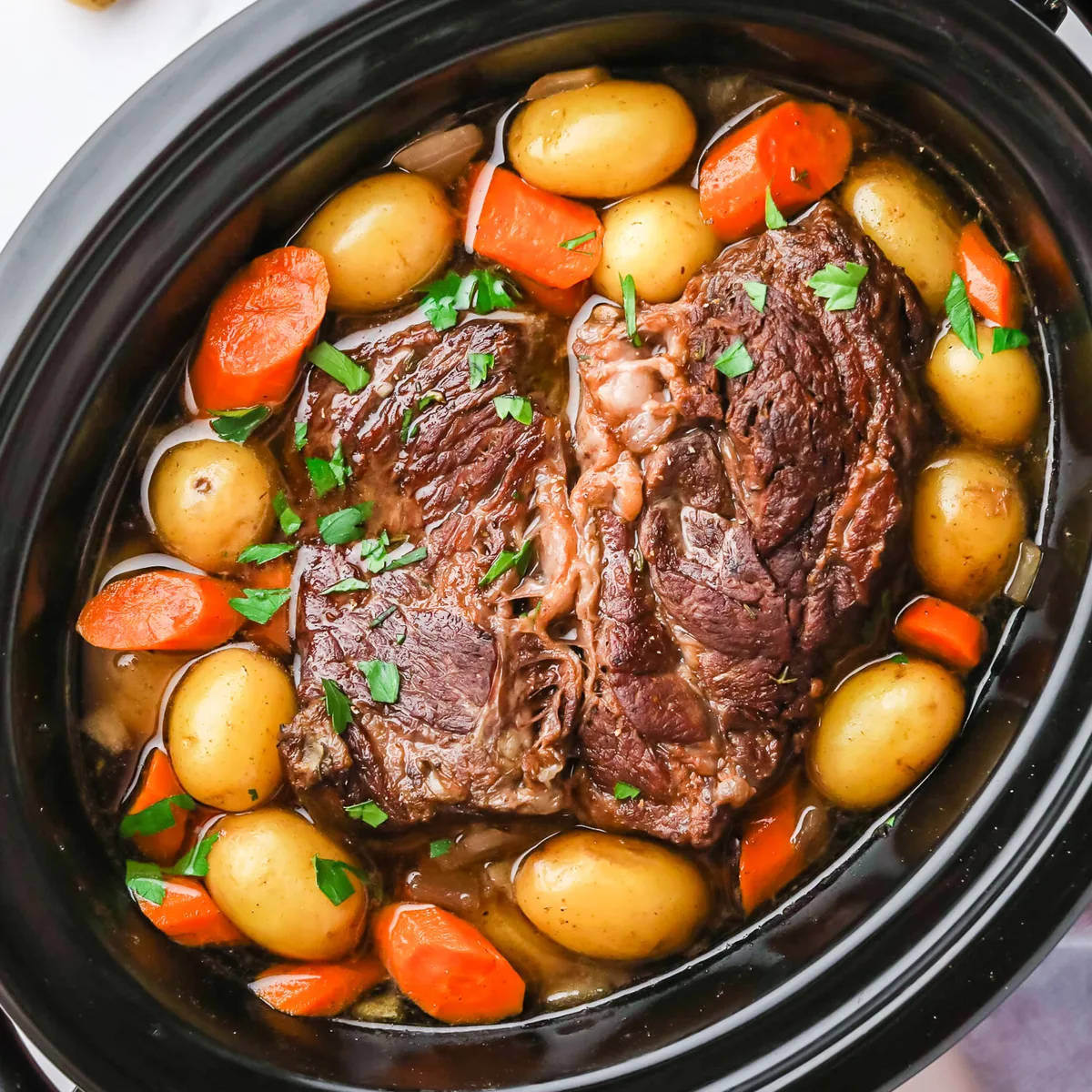
Image source: Bing (Web (fair-use with source credit))
The 10-Second Answer: Match the Cut to the Clock
Here's the fastest way to get tender beef: stop thinking in hours and start thinking in cuts.
- Chuck, brisket, or round: cook low for 6 to 10 hours.
- Stew meat from chuck: low for 4 to 6 hours.
- Short ribs or oxtail: low for 7 to 8 hours.
- Sirloin, filet, or strip: skip the slow cooker. They turn dry.
If you have a heavily marbled roast, use low heat. If time is short, high heat works, but you sacrifice some tenderness. The cut is the real timer, not the dial.
Why Slow Cooking Transforms Tough Beef (and Ruins Lean Cuts)
Lean meat doesn't become tender with time. It becomes dry. That's because low, moist heat breaks down collagen into gelatin, but only if there's enough collagen to break down.
Tough cuts like chuck and brisket are packed with collagen and internal fat. As the meat cooks low and slow, that collagen melts into gelatin, which coats the fibers and keeps them moist. Lean cuts like sirloin and round have very little collagen and almost no fat.
Cook them for eight hours and you get a dry, stringy mess.
According to the USDA food safety guidelines, the safe minimum for beef is 145°F, but tenderness is another story. For slow-cooked tough cuts, you're aiming for an internal temperature of 190°F to 205°F. That's the zone where collagen actually breaks down.
If you're braising chuck, you're not just cooking meat. You're slowly turning connective tissue into something silky.
The Cut-by-Cut Slow Cooker Guide: Times, Settings, and Best Uses
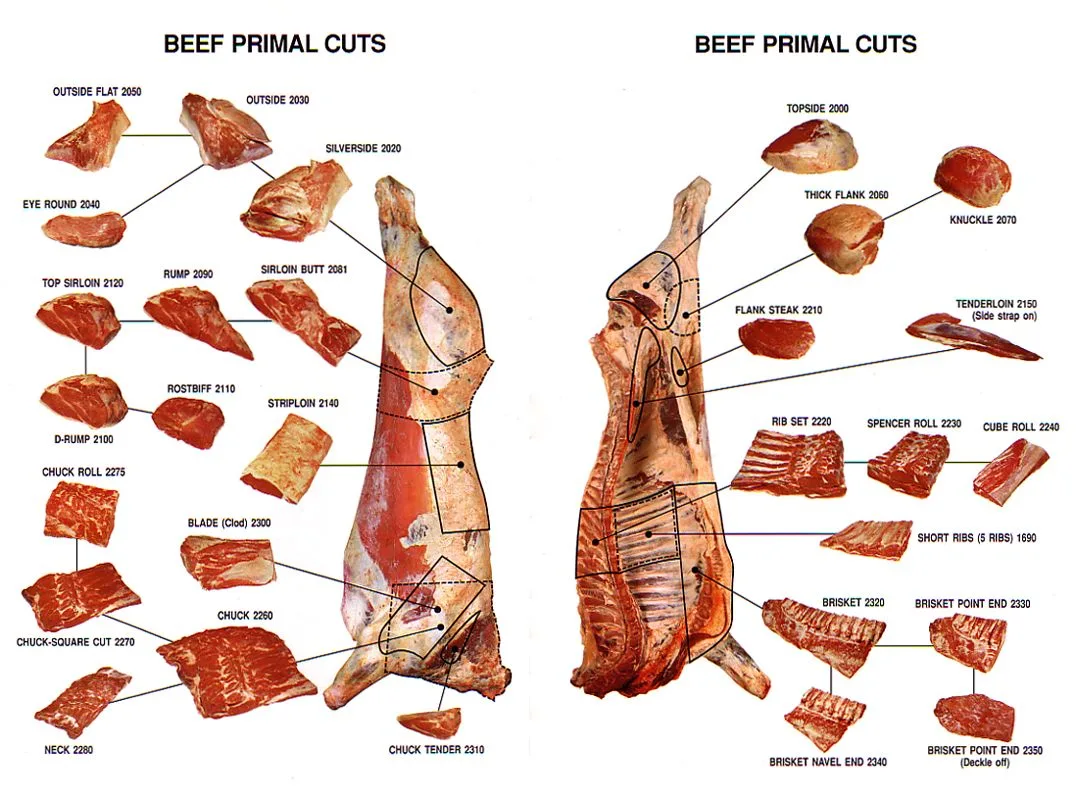
Image source: Bing (Web (fair-use with source credit))
Here's a quick reference table for common beef cuts. Times are for a slow cooker set to low unless noted. Always test with a fork before serving.
| Cut | Low time | High time | Best for |
|---|---|---|---|
| Chuck roast | 6 to 8 hours | 4 to 5 hours | Pot roast, shredded beef |
| Brisket | 8 to 10 hours | 5 to 6 hours | BBQ brisket, French dip |
| Bottom round | 6 to 7 hours | 3 to 4 hours | Leaner pot roast, stew |
| Short ribs | 7 to 8 hours | 4 to 5 hours | Braised ribs, ragu |
| Stew meat (cubed chuck) | 4 to 6 hours | 3 to 4 hours | Beef stew, chili |
| Oxtail | 8 to 10 hours | 5 to 6 hours | Broth-heavy braises |
A few rules apply to every cut. Don't submerge the meat in liquid. Enough broth to cover a third of the meat is perfect.
Check for tenderness at the low end of the time range. If the fork slips in easily, it's done. If not, give it another hour.
Step-by-Step: How to Cook Beef in a Slow Cooker
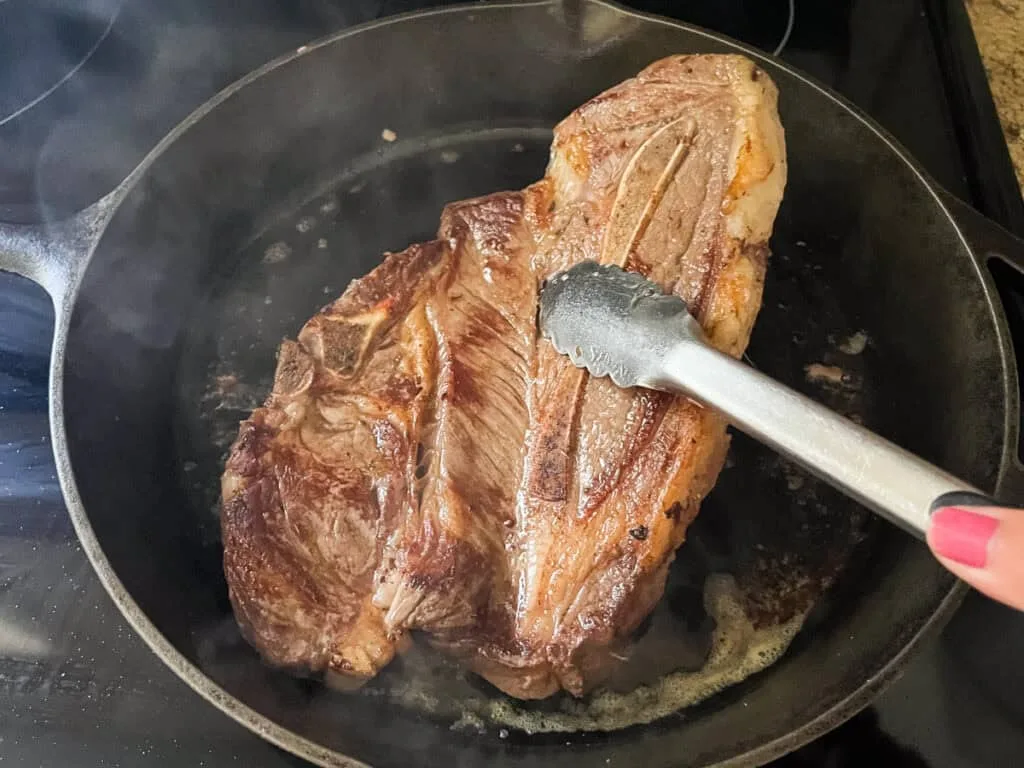
Image source: Bing (Web (fair-use with source credit))
Follow these steps and you'll get consistently good results.
- Trim the meat. Remove any thick silver skin. Leave thin fat layers, they add flavor.
- Pat dry. A dry surface browns much better.
- Season generously. Use salt, pepper, and any dry rub you like.
- Sear the beef. Heat a skillet with a little oil over medium-high. Brown each side for 2 to 3 minutes.
- Deglaze the pan. Add a cup of broth or wine to the hot skillet. Scrape up the browned bits and pour everything into the slow cooker.
- Layer vegetables. Put onions, carrots, and potatoes on the bottom of the crock. Nestle the meat on top.
- Add liquid. Use 1/2 to 1 cup of broth, just enough to come a third of the way up the meat.
- Cook low. Set the timer according to the cut. Don't lift the lid.
- Rest and serve. Let the meat rest for 10 minutes before slicing or shredding.
If you're portioning a large roast into equal chunks, a lot of cooks trust a basic digital scale to keep things even. Using a kitchen scale removes the guesswork. And if the scale has drifted, calibrating it only takes a minute.
Don't Make These Slow Cooker Beef Mistakes
Even experienced cooks get these wrong. Avoid these common mistakes:
- Skipping the sear. You lose a ton of flavor.
- Cooking lean cuts on low all day. You end up with dry beef.
- Overcrowding the crock. The meat steams instead of braising.
- Lifting the lid. The heat drops and extends cooking time.
- Adding dairy too early. Milk and cream can curdle.
- Using too much liquid. The beef is braised, not boiled.
- Cutting the meat into small pieces. Small cubes dry out faster than whole roasts.
The biggest mistake is believing more time equals more tenderness. After a certain point, beef gets mushy, then stringy, then dry. Use the times in the guide above as limits, not launch points.
Expert Tips: Sear First, Liquid Less, and Gravy at the End
The sear is your flavor foundation. Skip it and the beef comes out gray and flat. Five minutes in a hot skillet builds that deep, browned crust the slow cooker can't create on its own.
Use a neutral oil with a high smoke point, like canola or avocado.
Keep the liquid low. A 3-pound chuck roast only needs about 1 cup of broth. The sealed lid traps steam, so nothing evaporates.
If the meat sits half-submerged in liquid, you're making soup, not a braise. Err on the side of too little liquid.
Make gravy separately. Strain the cooking liquid, skim the fat, then simmer it with a cornstarch slurry on the stovetop. You'll get a smooth, glossy sauce instead of a cloudy one.
If you weigh the raw roast, zero out the scale with the plate on top first. And always wipe down your scale after handling raw meat.
Low heat is your friend. High heat works in a pinch, but it's harder to dial in the tenderness. The low setting gives you a wider window before overcooking.
Let the beef rest for 10 minutes before slicing. Cut against the grain for tender pieces. For shredded beef, just use two forks.
Save the extra juices for dipping or reheating leftovers.
Frequently Asked Questions
Can I put frozen beef in a slow cooker?
No. The USDA advises against it. Frozen beef sits in the danger zone too long before reaching a safe temperature.
Thaw it in the refrigerator first for 24 hours. You'll get better texture and safer results.
Why is my beef still tough after cooking?
It needs more time. Collagen in cuts like chuck breaks down slowly, often after 6 hours. If a fork won't slide in easily, cover and cook for another hour.
Also confirm the cooker is on low, not warm.
Should I sear beef before putting it in the slow cooker?
Yes, if you want richer flavor. Searing triggers the Maillard reaction, which creates complex, browned flavor. It takes five minutes and makes a noticeable difference in the final dish.
For chili and stew, you can skip it, but roasts benefit most.
How much liquid should I add to the slow cooker?
About 1/2 cup to 1 cup of broth is enough for a roast. You want the beef partially submerged, not swimming. Excess liquid produces watery gravy and a weaker beef flavor.
If you need more, add it after cooking.
What is the best cut of beef for a slow cooker?
Chuck roast is the top choice. It has high collagen and marbling, which turn soft and rich over low heat. Brisket and short ribs work too.
Lean cuts like round or sirloin dry out before they turn tender.
Can I cook beef on high instead of low?
Yes, but the texture won't be as good. High heat cuts the time roughly in half, but the collagen doesn't soften as evenly. Reserve the high setting for days when you're short on time.
Low is the better default.
Final Verdict: Your Slow Cooker Beef Decision Guide
Here's your branching path:
- If you have a marbled cut like chuck or brisket, use the slow cooker on low for 7 to 10 hours.
- If you only have lean cuts like sirloin or ribeye, skip the slow cooker. Sear them hot and fast instead.
- If you want hands-off cooking, a slow cooker beats the oven for convenience.
- If you're short on time, a pressure cooker gets the same result in about an hour.
- If you want a crispy crust or charred exterior, slow cookers can't deliver. Use a skillet or grill.
The fork test decides everything. When the meat twists apart easily, it's done. Use a digital thermometer to confirm the internal temperature reaches at least 190°F.
That's the collagen breakdown zone.
For shredded beef, pull it while warm and toss it with some cooking liquid. For sliced roasts, carve against the grain to keep pieces tender. The cooking liquid makes an excellent au jus.
Also remember: size matters. A 3-pound roast in a 6-quart cooker works well. Stuffing too much meat in means uneven cooking.
Leave space around the beef for steam to circulate.
When you portion out leftovers, a digital scale keeps servings even for meal prep. Store beef in its juice to stop it from drying out in the fridge.
Slow cooking beef is straightforward once you understand the basics. Pick the right cut, don't overdo the liquid, sear when you can, and check for doneness with a fork. Follow that, and you'll get tender results every time.