How to Store a Hand Mixer
When it comes to kitchen gadgets, few are as handy yet potentially chaotic as a hand mixer. You know, that essential tool for whipping cream, making cake batter, or even kneading dough. But if you've ever opened a cupboard to a jumble of cords and loose beaters, you know it needs a better system.
That's where knowing how to store a hand mixer properly comes into play, keeping your kitchen organized and your appliance in good shape.
Manufacturer specifications for many common hand mixers often detail cord storage features, emphasizing compact design. Proper storage means less time searching for parts and more time creating in the kitchen. Let's look at the best ways to keep yours tidy.
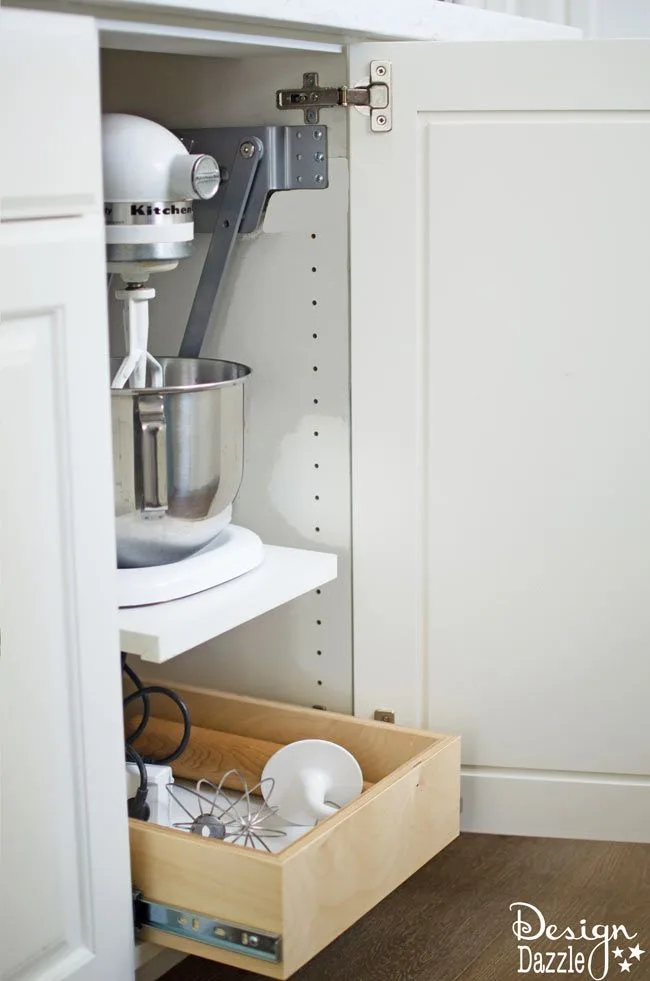
Image source: Bing (Web (fair-use with source credit))
Storing Your Hand Mixer: Keeping It Neat and Ready
Quick Answer: Where to Stash Your Hand Mixer
Store your hand mixer in a dry kitchen drawer or cupboard. Ensure attachments are kept with the mixer, often in a small bag or its designated holder, and manage the power cord using its built-in wrap or a tie. Clean the mixer and attachments before storing to prevent damage and maintain hygiene.
This keeps your appliance protected and easily accessible for your next baking project.
Why Visuals Matter for Hand Mixer Storage
When we're talking about organizing kitchen tools, especially something like a hand mixer with its various parts, visuals can make a huge difference. Trying to describe the perfect way to tuck away beaters or coil a cord can be tricky with words alone. Seeing different storage solutions, like how a drawer insert can keep everything in place or how a mixer fits into a specific cupboard shelf, makes it much clearer.
It’s about spatial understanding, where things physically go and how they look together.
Think about it like trying to assemble furniture from instructions versus seeing a quick video or a diagram. The visual cues help you immediately grasp the best way to position items, avoid common clutter traps, and maximize your available space. Without visuals, you’re left to imagine the ideal setup, which can be less effective for achieving a truly organized kitchen.
Finding the Best Home: Drawer vs. Cupboard vs. Counter
Deciding where your hand mixer will live depends a lot on your kitchen layout and how often you actually use it. If you’re an avid baker, having it within easy reach makes a lot of sense. For those who only pull it out for occasional recipes, a less accessible spot might be perfectly fine.
Kitchen Drawers: The Tidy Drawer Solution
Drawers are a classic choice for a reason: they keep countertops clear and everything is out of sight. This is great for a streamlined look.
Accessibility: Medium to high, depending on drawer location.
Protection: Good, as contents are contained.
Space: Can be efficient if the drawer is deep enough for the mixer and its attachments.
Pro Tip: If you have a deep drawer, you can often fit the mixer and its attachments together. Consider a drawer divider or a small container to keep the beaters from rattling around and potentially scratching the mixer. This helps prevent damage to both the mixer and the drawer itself.
Cupboards: The Out-of-Sight Option
Cupboards offer a similar benefit to drawers by keeping appliances tucked away. This is a popular choice for general kitchen organization.
Accessibility: Medium, requires reaching.
Protection: Good, especially on a shelf away from potential knocks.
Space: Can accommodate larger mixers if shelves are deep and tall enough.
Best For: Those who don't mind reaching a little further for their mixer. It's ideal for keeping less-used appliances tucked away neatly.
The Countertop Conundrum
Honestly, if you use your hand mixer all the time, leaving it out might make sense for immediate access. However, this isn't always the best long-term solution.
Accessibility: Highest.
Protection: Low; vulnerable to dust, grease, and accidental bumps.
Space: Takes up valuable counter real estate.
Considerations: If left on the counter, ensure it's not in direct sunlight, which can fade or degrade the plastic over time. It's also more prone to collecting kitchen grime.
How to Store Mixer Attachments Without Losing Them
This is where a lot of people run into trouble. Those little beaters or whisks can easily get lost, or worse, become bent or damaged if they're just tossed into a drawer. Keeping your attachments with the mixer is key to having everything you need when you're ready to bake.
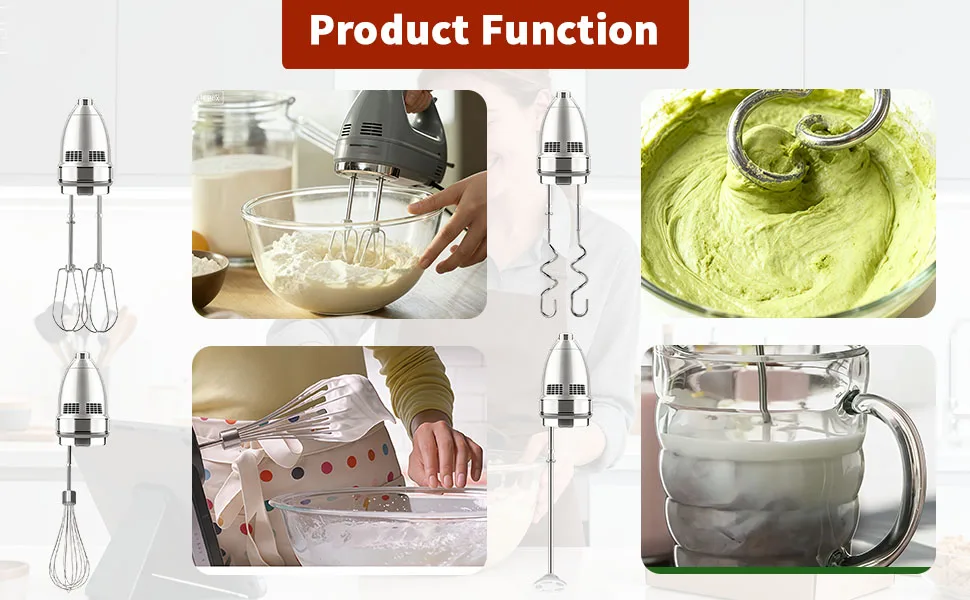
Image source: Bing (Web (fair-use with source credit))
Here are a few reliable ways to keep your attachments accounted for:
- Utilize Manufacturer Holders: Many hand mixers come with a special snap-on holder for the beaters, or a designated slot on the mixer body itself. Always use these if your model includes them; they're designed specifically for that mixer.
- Small Storage Bags: A simple, clean zip-top bag works wonders. Place your clean, dry beaters inside the bag and store it alongside the mixer. This keeps them together and prevents them from scratching other items.
- Dedicated Containers: If you have a larger kitchen drawer dedicated to small appliance tools, a small, lidded container can house all your mixer attachments neatly. This prevents them from migrating around the drawer.
It's important that attachments are clean and completely dry before being stored. Moisture can lead to rust on metal parts, especially if they aren't stainless steel, and can also promote mold growth.
Taming the Cord: Keeping It Neat and Tidy
A tangled power cord is more than just an eyesore; it can be a tripping hazard and, over time, can strain the wiring, potentially leading to damage. Most modern hand mixers come with a solution for this, but it’s how we use them that counts.
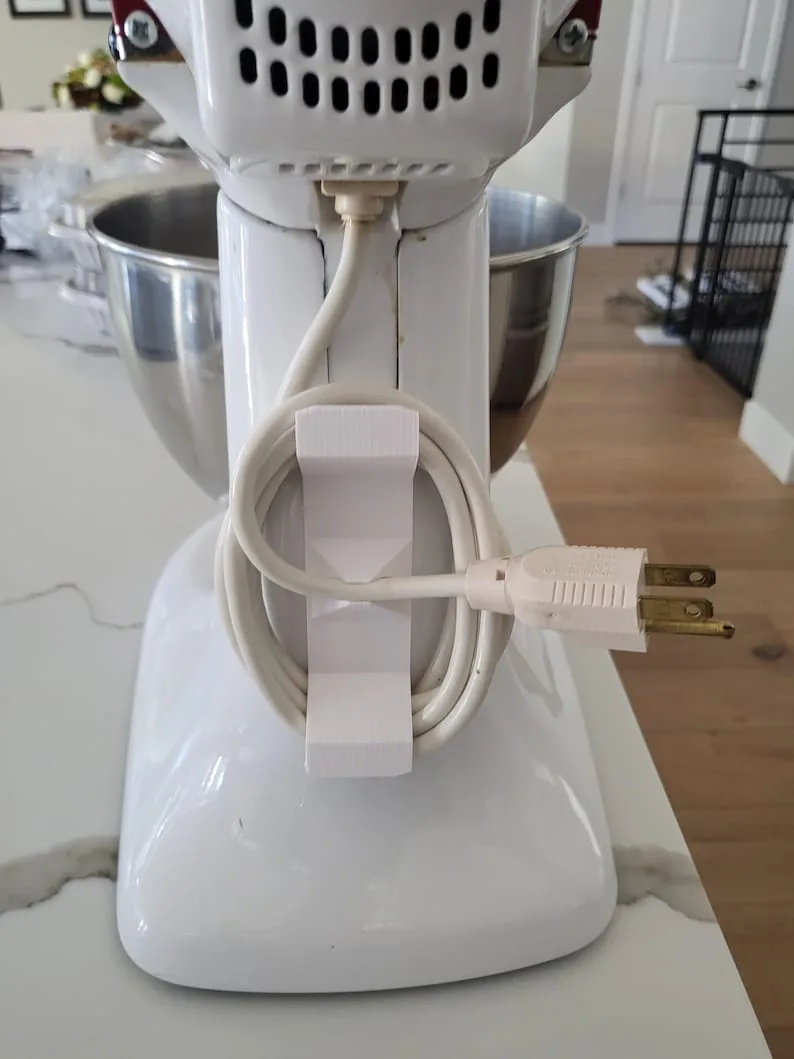
Image source: Bing (Web (fair-use with source credit))
- Built-in Cord Wraps: Many mixers have a designated hook or slot on the base or back of the unit specifically for wrapping the power cord. Ensure you're using this feature consistently. Wrap the cord somewhat loosely to avoid stressing the wires at the connection points.
- Velcro Ties or Rubber Bands: If your mixer lacks a built-in wrap, these are excellent, inexpensive alternatives. A simple velcro strap or a sturdy rubber band can keep the cord neatly bundled. Avoid using string or tape, which can be harder to remove and may damage the cord’s insulation.
- Avoid Over-Tightening: Whether you use the built-in wrap or an external tie, don't wrap the cord so tightly that it kinks or creates sharp bends. This puts unnecessary stress on the internal wires.
Proper cord management not only keeps things tidy but also contributes to the longevity of your appliance, preventing the need for premature repairs or replacement. For instance, if you've ever had to how to fix a coffee maker because of frayed wiring, you know how important preventing cord damage can be.
Common Storage Mistakes (and How to Avoid Them)
Even with the best intentions, there are a few common pitfalls when it comes to storing your hand mixer. Avoiding these can save you frustration and keep your appliance working well for years to come.
- Not Cleaning Before Storing: This is a big one. Storing a mixer with leftover batter or crumbs can attract pests and lead to difficult-to-clean buildup. Always wipe down the mixer and wash the attachments after each use.
- Storing Wet Parts: As mentioned, moisture is the enemy. Storing beaters or the mixer body while still damp can cause rust on metal components and encourage mold growth, especially in humid kitchen environments. Always ensure everything is bone dry.
- Exposing to Extreme Heat or Sunlight: Leaving your mixer near a hot oven, on a sunny windowsill, or in a garage that gets extremely hot can degrade the plastic housing. Over time, this can make it brittle, discolored, or even warp parts.
- Forgetting About Attachments: Storing the mixer body separately from its essential attachments is a recipe for a frantic search the next time you need to bake. Whenever possible, keep the beaters or other accessories with the main unit. If you've ever struggled with keeping small kitchen tools organized, you might find tips on how to clean a pour over coffee maker useful for general organization principles.
- Overstuffing Drawers/Cupboards: Cramming your hand mixer into a packed drawer or cupboard can damage the housing or the beaters. Give it a little breathing room so it isn't constantly being bumped or crushed by other items.
By being mindful of these common errors, you can ensure your hand mixer stays in pristine condition and is always ready for action.



One Comment