How to Preheat a Toaster Oven
Ever wondered why your toast sometimes comes out unevenly browned or your baked goods don't quite reach that perfect crisp? The secret often lies in a simple, often overlooked step: preheating your toaster oven. Skipping this can lead to disappointing results, but getting it right sets you up for kitchen success.
Manufacturer specifications indicate that most modern toaster ovens reach their target temperature within 5 to 10 minutes. This quick heat-up time means you can get cooking faster and achieve more consistent outcomes, whether you're toasting bread or baking a small batch of cookies. Let's break down exactly how to do it.
Quick Answer
To preheat a toaster oven, select your desired temperature and cooking mode (usually "Bake"). Turn the oven on and let it heat for 5 to 10 minutes until the indicator light signals it's ready. This ensures even cooking and better texture for your food.
Why Bother Preheating Your Toaster Oven?
You might be tempted to skip preheating, especially when you're in a hurry. But think of it this way: you wouldn't start a workout without a quick warm-up, right? Your toaster oven benefits from the same principle.
Preheating is all about giving the oven walls and heating elements time to reach the target temperature before your food goes in.
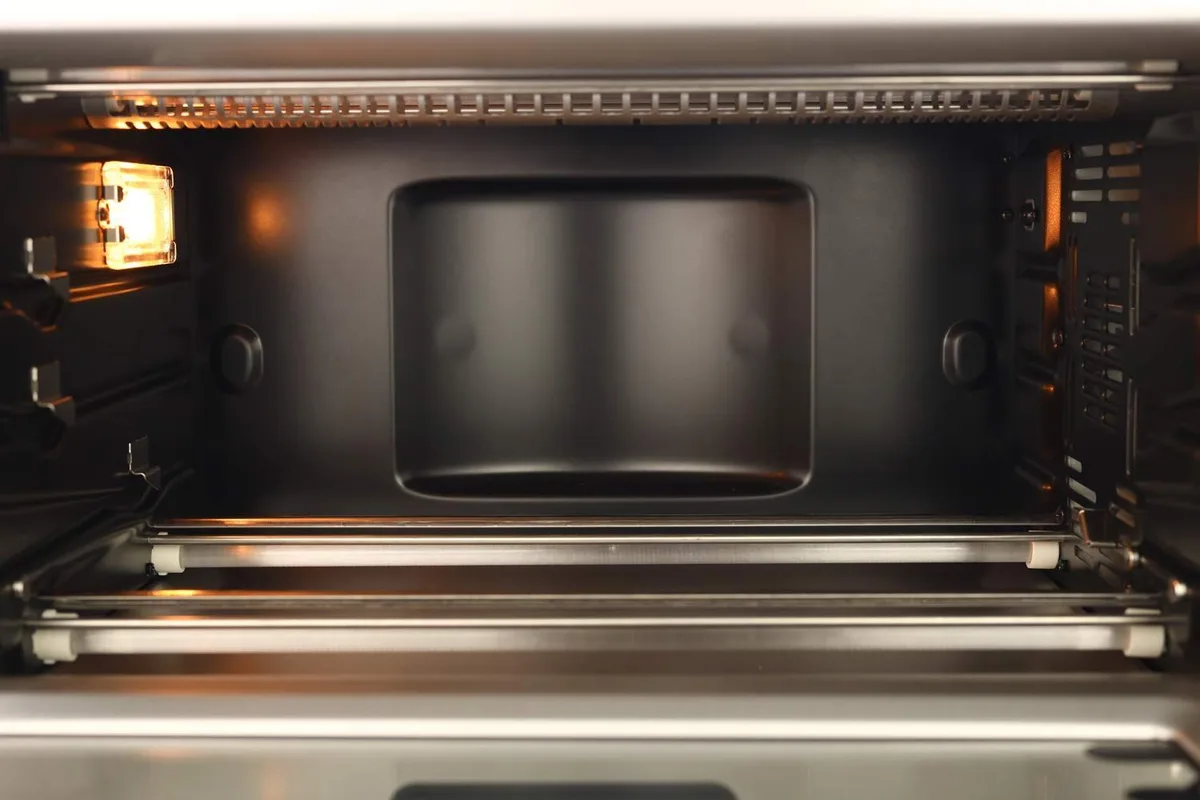
When your oven is already hot, it can immediately start cooking your food, leading to more consistent heat distribution. This means no more cold spots or overcooked edges. For tasks like baking, it's crucial for developing the right texture, like a crispy crust on a mini pizza or flaky pastry.
Recipes are usually written with preheating in mind, so doing it ensures your dishes turn out exactly as intended.
How To Preheat Your Toaster Oven: A Step-by-Step Guide
Getting your toaster oven ready to cook is a straightforward process, but knowing the specific settings can make all the difference. It’s about more than just turning it on; it’s about telling the oven what you need it to do.
1. Set the Temperature
The first step is to dial in the right heat. Most toaster ovens have a dedicated temperature control, often a dial or digital buttons. You'll want to set this to the temperature specified in your recipe or cooking instructions.
Common temperatures range from 300°F (150°C) for gentle warming to 425°F (220°C) for higher-heat cooking.
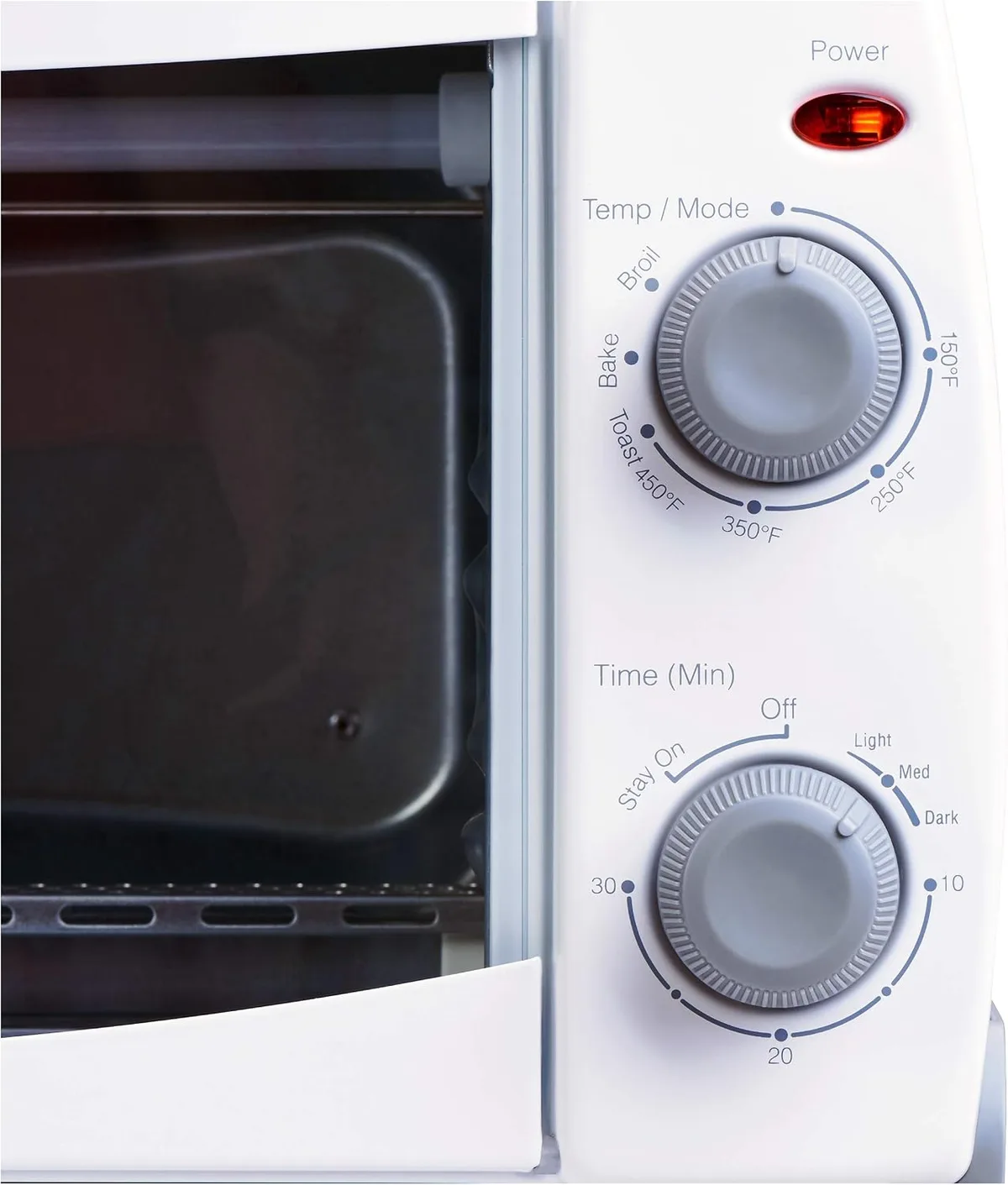
If you're unsure, 350°F (175°C) is a widely used temperature for general baking and roasting. It's important to be accurate here, as a few degrees can impact how quickly and evenly your food cooks.
2. Choose the Right Cooking Mode
Next, you need to select the correct cooking function. Toaster ovens typically offer several modes, such as "Toast," "Bake," "Broil," and sometimes "Convection." For most cooking and baking tasks, you'll want to select the "Bake" setting. This mode uses both top and bottom heating elements to provide even heat throughout the oven cavity.
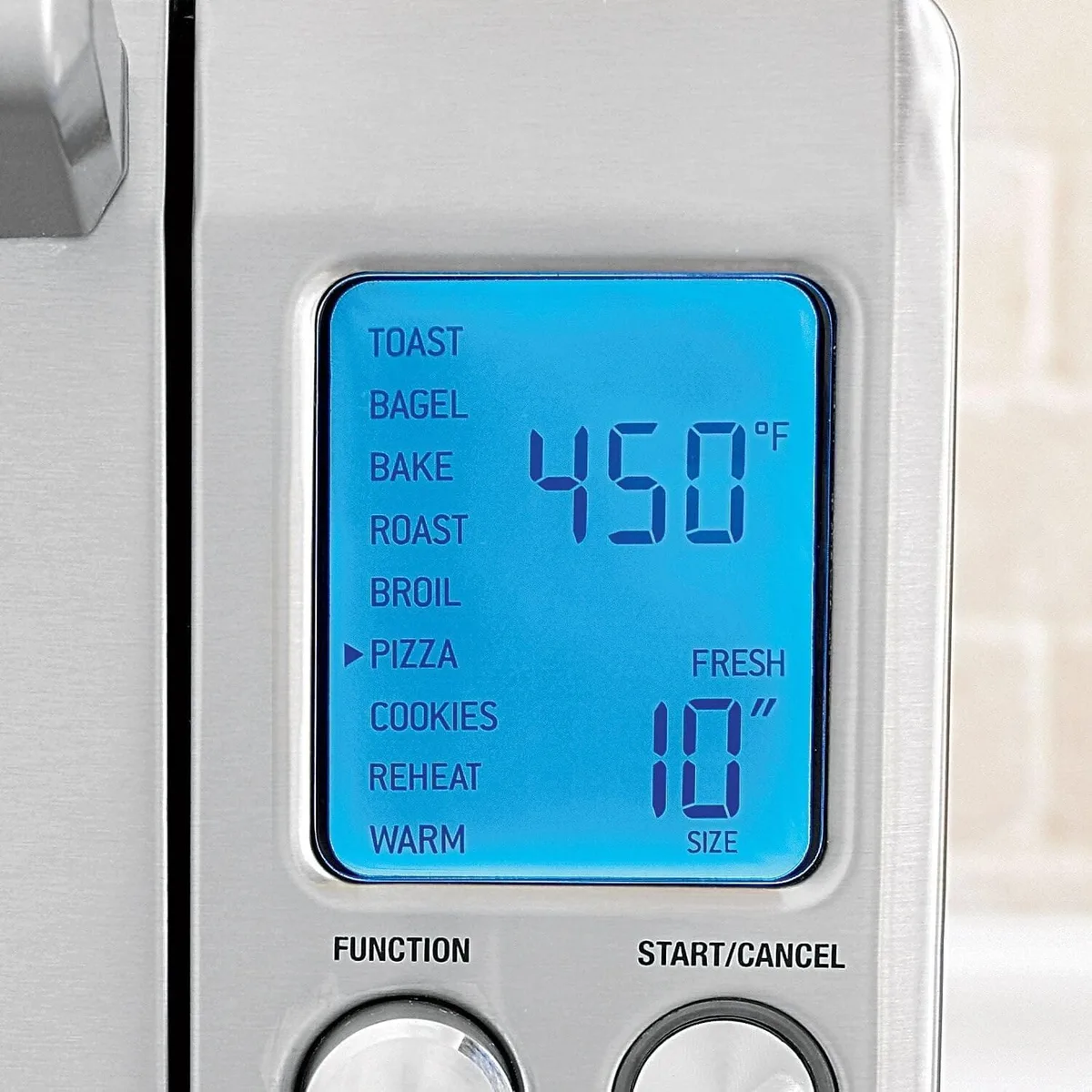
The "Toast" mode is specifically for browning bread and usually operates on a timer with a darker/lighter setting. "Broil" uses only the top element for intense, direct heat, perfect for browning or melting. If your oven has a "Convection" setting, this activates a fan to circulate hot air, speeding up cooking and promoting even browning, which is often selected in conjunction with "Bake."
3. Power On and Wait
Once you've set the temperature and selected your cooking mode, it's time to turn the oven on. Press the power or start button, and let the oven do its work. The indicator light will usually turn on, showing that the heating elements are active.
The critical part here is patience. You need to let the toaster oven reach its set temperature before you place your food inside. This is what preheating is all about.
Trying to cook before the oven is ready will result in longer cooking times and potentially unevenly cooked food, as the oven struggles to catch up.
How Long Does Preheating Actually Take?
This is where toaster ovens really shine compared to their full-sized counterparts. Because they're smaller, they heat up significantly faster. In our research, most manufacturer specifications indicate that a toaster oven will reach its set temperature within 5 to 10 minutes.
This is a marked difference from a full-sized oven, which can often take 15 to 20 minutes or even longer.
Several factors influence this time:
- Oven Size: Smaller toaster ovens generally heat up faster than larger ones.
- Wattage: Higher wattage ovens typically heat up more quickly due to more powerful heating elements.
- Convection Feature: Ovens with a convection fan can sometimes reach temperature a bit quicker, as the fan helps distribute heat more efficiently.
Many toaster ovens come with an indicator light or an audible beep to signal when they've reached the desired temperature. Once that signal is given, you're good to go. For recipes that are sensitive to temperature, like delicate pastries or certain baked goods, waiting for that confirmation is key to success, much like following proper maintenance for a wooden cutting board ensures its longevity.
What If My Toaster Oven Doesn't Have a "Bake" Setting?
Don't worry if your toaster oven doesn't have a clearly labeled "Bake" button. Many simpler models, or older designs, might have a more general set of controls. The key is to identify the function that provides consistent, ambient heat rather than direct, intense heat like broiling.
Typically, you'll find a temperature dial or setting. Alongside that, there might be a function dial that offers options like "Toast," "Broil," and sometimes a general "On" or "Heat" setting. If you're cooking something that requires an oven temperature, you'll want to select a general heating mode that isn't specifically "Toast" or "Broil."
Think about what each setting does. "Toast" is for browning bread quickly. "Broil" uses the top element for intense heat from above.
You're looking for a setting that engages both top and bottom elements, or at least provides a steady, moderate heat. If your oven has a basic temperature dial and a separate dial for general heating, use that. For instance, if you have a temperature of 350°F and a "Heat" or "Bake" function, select both.
This mimics the standard baking environment needed for most recipes, much like understanding how to flatten a warped cutting board is important for even food prep.
Common Toaster Oven Preheating Mistakes to Avoid
Even with a simple process like preheating, it's easy to make a few common mistakes that can impact your cooking. Being aware of these pitfalls can help you ensure your toaster oven is always ready to perform at its best, leading to better tasting food and more predictable results.
- Not Waiting Long Enough: This is probably the most frequent error. You might think your oven is hot enough after just a minute or two, but the internal temperature likely hasn't stabilized. This leads to longer cooking times and unevenly cooked food, as the oven struggles to catch up to the set temperature. Always wait for the indicator light or beep.
- Using the Wrong Setting: Selecting "Broil" when you mean to "Bake" is a classic mix-up. Broiling provides intense heat from the top element only, which will char the top of your food rapidly while the inside remains undercooked. Always double-check that you've selected the "Bake" or general heating mode for most recipes. This is crucial for tasks ranging from how to clean blender blades to ensuring your food is cooked safely.
- Overcrowding the Oven: While this isn't strictly a preheating mistake, it's related to optimizing oven performance. If you put too much food in the oven, even a preheated one, the hot air can't circulate properly. This can lead to uneven cooking and longer times, negating some of the benefits of preheating. Leave space around your dishes.
- Ignoring the Manual: Every toaster oven is a little different. Manufacturer specifications can provide the most accurate information about your specific model's heating times and optimal settings. Don't assume all toaster ovens work identically.
When Preheating Matters Most: Key Use Cases
While preheating is generally a good idea for most cooking and baking in a toaster oven, there are specific scenarios where it's absolutely essential for success. If you want your food to turn out just right, pay extra attention to preheating in these situations.
- Baking: This includes everything from cookies and cakes to muffins and small pies. Baking relies on consistent, even heat to ensure that cakes rise properly, cookies spread and bake evenly, and pastries develop a desirable texture. A cold oven can lead to dense baked goods or a soggy bottom. For a smooth culinary experience, just like how to use a blender for smoothies requires the right settings, so does baking.
- Roasting: Whether you're roasting vegetables, chicken pieces, or small cuts of meat, preheating is vital. The high heat from a preheated oven helps to create a desirable sear or crust on the outside of your food, locking in juices and developing rich flavors. An under-preheated oven will result in steamed rather than roasted items.
- Cooking from Frozen: Many frozen convenience foods, like pizza or appetizers, are designed to be cooked in a hot oven. Preheating ensures the oven can quickly surround the food with heat, melting the outer coating and cooking the interior to the right temperature without making the crust soggy.
- Recipes Requiring Specific Timing: If a recipe states a precise cooking time (e.g., "bake for 15 minutes"), it's almost always assuming a preheated oven. Skipping this step will throw off the timing, and you'll need to guess when the food is actually done. This is why it's important to understand the basics, similar to knowing how to clean a blender.
Frequently Asked Questions About Toaster Oven Preheating
How long does it usually take to preheat a toaster oven?
Manufacturer specifications and aggregate reviews indicate that most toaster ovens reach their target temperature in 5 to 10 minutes. This time can vary slightly based on the oven's size, wattage, and whether it has a convection feature.
Can I put food in the toaster oven while it's preheating?
No, you should always wait until the toaster oven has fully preheated. Placing food in too early means the oven is still trying to reach temperature, which leads to longer cooking times and uneven results.
Is preheating necessary for toasting bread?
For simple toasting, preheating isn't strictly necessary as the "Toast" setting typically manages its own heating cycle. However, for more complex toast creations or if you want very even browning, preheating to a low bake setting can sometimes yield better results.
Does the convection setting affect preheating time?
Yes, ovens with a convection fan often preheat slightly faster. The fan circulates air, helping the oven reach its set temperature more quickly and evenly. You should still wait for the indicator light or beep to confirm it's ready.
What happens if I don't preheat my toaster oven for baking?
If you don't preheat for baking, your baked goods may not rise properly, cook evenly, or develop the desired texture and browning. The ingredients won't undergo the immediate heat reaction needed for optimal results, leading to denser or undercooked items.