Bamboo vs Wood Cutting Board
Deciding between a bamboo and a wood cutting board can feel like a tough choice when you're stocking your kitchen. Both offer natural surfaces for chopping, but they behave differently under your knife and require distinct care. Understanding these differences is key to choosing a board that’s durable, safe, and a pleasure to use for years to come.
In our research, manufacturer specifications often highlight bamboo's hardness. However, this doesn't tell the whole story about how they perform in everyday kitchen use, especially concerning knife edge retention and long-term maintenance. Let's break down the specifics.
Quick Answer
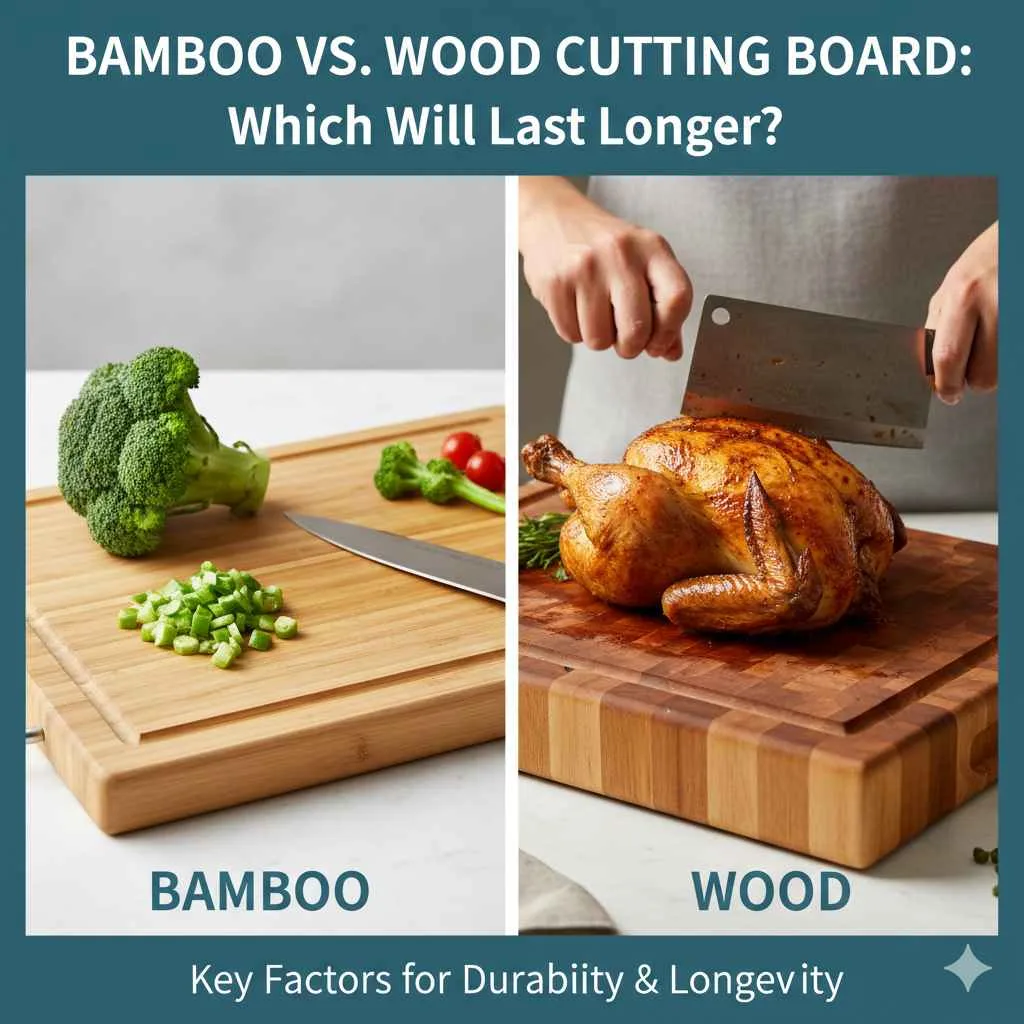
Bamboo cutting boards are harder, lighter, and often more budget-friendly. Wood cutting boards are generally gentler on knives and can have self-healing properties, but are heavier and need more oiling. Your choice depends on priorities: durability and cost (bamboo) versus knife care and natural aesthetics (wood).
Bamboo Cutting Board: The Lowdown
Bamboo cutting boards have surged in popularity due to their appeal as a sustainable option and their attractive, clean appearance. They're made from a fast-growing grass, processed and pressed into strips to form the board. This manufacturing process results in a material that’s naturally quite hard and dense, making it resilient to daily kitchen use.
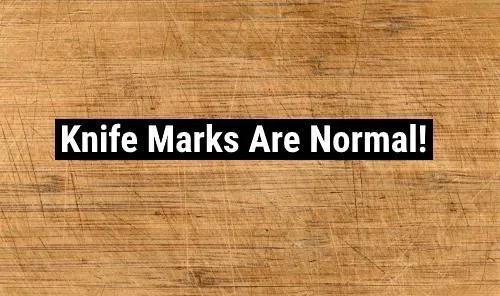
However, the very density that makes bamboo tough also means it can be tougher on your knives. Aggregate reviews report that while bamboo resists deep gouges better than some softer woods, it can dull knife edges more quickly over time. Also, its construction from pressed strips means moisture can find its way into the glue lines, potentially leading to delamination or warping if not dried thoroughly after washing.
- Pros:
- Hard and durable surface.
- Naturally lightweight, easy to handle.
- Often marketed for its eco-friendly sourcing.
- Can have some natural resistance to bacterial growth.
- Cons:
- Can be harder on knife edges.
- Prone to warping or cracking if not dried properly.
- Glue lines can weaken with excessive moisture.
Wood Cutting Board: The Classic Choice
Wood cutting boards have been a kitchen staple for centuries. Typically made from hardwoods like maple, walnut, cherry, or teak, these boards offer a timeless aesthetic and a reliable surface for all your prep work. Their natural grain patterns add warmth and character to any kitchen.
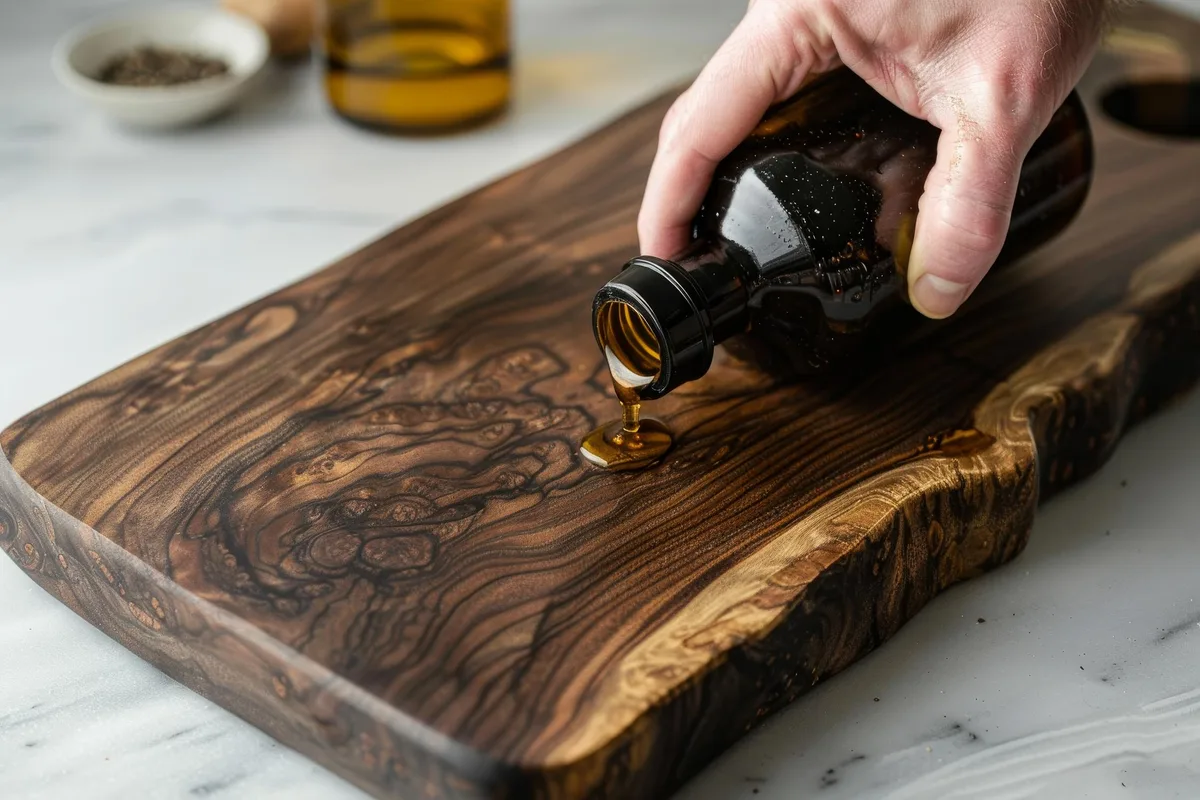
A key advantage of good quality hardwood is its "self-healing" ability. When a knife cuts into wood, the fibers can actually close back up around the blade mark. This helps minimize deep grooves where bacteria can hide and keeps the surface looking cleaner.
While wood can absorb moisture and potentially warp or crack if neglected, regular oiling, as recommended by many culinary resources, helps maintain its integrity and appearance. As of 2026, many users still prefer the tactile feel and performance of a solid wood board.
- Pros:
- Excellent for knife edge longevity.
- Natural self-healing properties minimize deep cuts.
- Offers a warm, classic aesthetic.
- Stable and durable when properly maintained.
- Cons:
- Generally heavier than bamboo.
- Requires regular oiling to prevent drying and cracking.
- Can be more expensive upfront, depending on the wood type.
Comparing Key Features: Hardness, Knife Impact, and More
When you're looking closely at a bamboo versus a wood cutting board, several key attributes come into play. These aren't just cosmetic; they directly impact how the board performs during daily use and how it affects your other kitchen tools, particularly your knives. Understanding these differences helps you align the board’s traits with your cooking habits.
How They Handle Your Knives
The hardness of a cutting board's surface is critical for knife edge retention. Bamboo, being a very hard grass, generally registers high on hardness scales. Manufacturer specifications often place it as harder than many common hardwoods.
This means that while a bamboo board can resist scratches from frequent chopping, it can also cause your knife blades to dull faster.
Hardwood cutting boards, particularly those made from woods like maple or cherry, are typically softer than bamboo. This slightly softer composition allows the knife edge to sink minimally into the fibers. This action is often described as the wood "giving" slightly, which helps to preserve the sharpness of your knives over time.
For home cooks who invest in good quality knives and want to maintain their edge for as long as possible, this difference is significant. Editorial analysis of user feedback on kitchenware sites consistently shows a preference for wood when knife care is a top priority.
Durability and Longevity: Bamboo vs. Wood
Durability is a major factor in a cutting board's lifespan. Bamboo's density contributes to its ability to withstand chopping and dicing. However, its construction from laminated strips can sometimes be a point of failure.
If the glue lines are compromised by excessive moisture or improper drying, bamboo boards can delaminate, warp, or crack, reducing their usable life. Regular drying and avoiding soaking are paramount.
Solid hardwood boards, when properly cared for with regular oiling, can last for decades, becoming a cherished kitchen heirloom. The natural structure of wood fibers contributes to a resilience that allows them to age gracefully. While deep knife marks can accumulate over time, they often don't compromise the board's structural integrity in the way delamination might with bamboo.
Many users find that a well-maintained wooden board becomes more beautiful with age, developing a patina that adds to its character.
Weight and Handling
Weight is a practical consideration, especially if you're frequently moving your cutting board from counter to sink or storing it. Bamboo cutting boards are generally lighter than their solid hardwood counterparts. This makes them easier to lift, carry, and maneuver, which can be a significant advantage during busy meal prep or when cleaning up.
Conversely, wood cutting boards, especially those made from denser hardwoods like walnut or teak, tend to be substantially heavier. This heft can be perceived as a positive, contributing to a stable, non-slip surface during vigorous chopping. However, if you have limited counter space for storage or find lifting heavy items challenging, the weight of a solid wood board might be a drawback.
For example, a large maple cutting board can weigh several pounds, requiring a firm grip to move.
Everyday Use: Practical Considerations for Home Cooks
Beyond the raw materials and hardness scales, how a cutting board performs in your day-to-day kitchen routine is what truly matters. This includes how easy it is to clean, how much effort its maintenance requires, and how it looks and feels when you're actively using it. These practical aspects can significantly influence your overall satisfaction with your chosen board.
Maintenance: Oiling, Drying, and Care
Proper maintenance is crucial for the longevity and hygiene of both bamboo and wood cutting boards, though the specifics differ. Bamboo boards should always be hand-washed and thoroughly dried immediately afterward. Submerging them in water or putting them in the dishwasher can cause the glue to break down, leading to warping or cracking.
Some users opt to seal bamboo boards with food-grade mineral oil or beeswax to provide an extra layer of protection against moisture.
Hardwood cutting boards also require hand washing and immediate drying. However, they benefit significantly from regular oiling. Applying food-grade mineral oil or a specialized cutting board conditioner at least once a month, or more often if the board looks dry, helps to prevent the wood from drying out, cracking, and absorbing stains or odors.
This simple step also helps maintain the board's natural water resistance.
Aesthetics: The Look and Feel in Your Kitchen
The visual appeal and tactile experience of a cutting board can enhance your enjoyment of cooking. Bamboo boards typically present a uniform, modern look with their distinct strip patterns and lighter color. They can fit well into contemporary kitchen designs.
Their lighter weight also contributes to a more nimble feel when you're working with them.
Solid wood cutting boards, on the other hand, offer a natural warmth and unique beauty. The individual grain patterns of woods like walnut, cherry, or maple are distinct and can add a rich, organic element to your countertop. Many home cooks appreciate the substantial feel of a heavy wood board, which provides a stable and satisfying platform for chopping.
The visual appeal of wood often increases with age, as it develops a patina that tells the story of your kitchen's culinary adventures.
Who Wins For What? Best Use Cases
Choosing between bamboo and wood isn't just about which is "better"; it's about which is better for you and your specific kitchen needs. Both materials have strengths that make them ideal for different types of cooks and different tasks. Think about how you usually work in the kitchen, what your priorities are, and which board's characteristics will best complement your routine.
Best for Budget-Conscious Cooks
If you're outfitting a new kitchen or looking for an economical upgrade, bamboo often takes the lead. Manufacturer price comparisons and aggregate retail data show that bamboo cutting boards are generally more affordable upfront than most solid hardwood options. You can often find a good-sized bamboo board for a fraction of the cost of a comparable wood board.
This makes it an accessible entry point for anyone wanting a natural-material cutting surface without a significant investment. It’s a solid choice if your budget is a primary concern, though be mindful of the extra care needed to prevent warping.
Best for Knife Enthusiasts
For those who take their knife collection seriously and prioritize blade sharpness, solid hardwood is usually the preferred choice. Our research indicates that the natural, slightly yielding fibers of woods like maple, walnut, and cherry are significantly gentler on knife edges. This means your high-quality chef's knives and santoku knives will stay sharper for longer with regular use on a wood board.
While bamboo’s hardness resists scratches, that same hardness can accelerate dulling. If maintaining razor-sharp edges is paramount, a well-oiled hardwood board is the way to go.
Best for Eco-Conscious Kitchens
Bamboo is often highlighted for its sustainability. It's a grass that grows incredibly fast, replenishing itself much quicker than trees. This rapid growth cycle means that bamboo harvesting can be more environmentally friendly, with less impact on forests.
Many brands emphasize this aspect in their product descriptions, positioning bamboo as a greener alternative. While hardwoods are also a renewable resource, the time it takes for trees to mature means their sustainability profile can be different. If your primary concern is minimizing your environmental footprint, bamboo usually gets the nod.
Best for Heavy-Duty Prep
When you're tackling serious chopping, like breaking down large cuts of meat or processing a significant amount of vegetables, board stability and durability are key. While bamboo is hard, its lighter weight can sometimes mean it slides around more on the counter during vigorous work. Solid wood boards, particularly those with a thicker profile, offer a substantial heft that keeps them firmly in place.
This stability, combined with the wood’s ability to absorb some shock, makes it a preferred choice for heavy-duty tasks. For example, professional kitchens often opt for thick, end-grain butcher blocks, a type of wood construction prized for its resilience and stability. You can find robust thick cutting boards that offer superior performance for demanding tasks.
Common Cutting Board Mistakes to Avoid
Even the best cutting board can have a shortened lifespan or become a breeding ground for bacteria if not cared for properly. Many common mistakes stem from misunderstanding how natural materials like bamboo and wood interact with moisture and cleaning agents. Avoiding these pitfalls ensures your board remains a safe and functional tool in your kitchen for years.
Over-Soaking and Improper Drying
Perhaps the most common mistake with both bamboo and wood cutting boards is prolonged exposure to water. Both materials are porous to some degree, and soaking them for extended periods can cause the wood fibers to swell. This can lead to warping, cracking, or, in the case of bamboo, damage to the glue lines between the strips.
Always hand-wash your cutting board and, crucially, dry it thoroughly with a clean towel immediately after rinsing. Standing the board upright to air dry completely is also recommended. Never put wood or bamboo cutting boards in the dishwasher, as the high heat and prolonged moisture will almost certainly cause damage.
Neglecting Maintenance
Both bamboo and wood cutting boards require a degree of ongoing maintenance to stay in top condition. For hardwood boards, regular oiling is non-negotiable. Without it, the wood will dry out, becoming more susceptible to cracking and staining.
Aggregated user feedback and manufacturer guidelines stress that oiling helps maintain the wood's natural water repellency and prevents it from absorbing strong odors or colors from foods like onions or beets. While bamboo boards don't require the same frequent oiling as wood, a periodic application of food-grade mineral oil or beeswax can help seal the surface and offer added protection against moisture and staining, extending their usability.
Making Your Choice: The Final Verdict
So, after looking at all the angles, how do you make the final call between bamboo and wood? It really boils down to your personal priorities in the kitchen. If you're on a tighter budget and want something lightweight that's easy to manage, a bamboo cutting board might be your best bet.
They look sharp and do the job for everyday chopping.
However, if you cherish your knives, appreciate a classic aesthetic, and are willing to put in a little extra time for maintenance, a solid wood cutting board is likely the superior choice. The gentle effect on blades and the inherent beauty of natural wood are hard to beat. Remember, as of 2026, the best cutting board is the one that fits your lifestyle and cooking habits best.
Frequently Asked Questions About Bamboo and Wood Cutting Boards
How long does a bamboo cutting board typically last?
With proper care, including immediate drying after washing and avoiding prolonged soaking, a bamboo cutting board can last several years. However, its lifespan can be shorter than a well-maintained hardwood board, especially if it’s frequently used for heavy chopping or not dried thoroughly, leading to potential warping or delamination.
Does wood absorb bacteria more than bamboo?
Both materials can harbor bacteria if not cleaned properly. While bamboo has some natural antibacterial properties, its porous nature from construction can still allow bacteria to grow. Hardwood's self-healing ability can help reduce deep grooves where bacteria might hide, but immediate cleaning and drying are crucial for both materials to ensure food safety.
Should I oil my bamboo cutting board?
While not as critical as for hardwood, oiling a bamboo cutting board periodically with food-grade mineral oil or beeswax can help seal the surface, provide some moisture resistance, and extend its life. It's especially beneficial if you notice the board starting to look dry or feel rough.
Can I cut raw meat on a wood or bamboo board?
Yes, you can cut raw meat on either type of board, but sanitation is paramount. Always wash the board thoroughly with hot, soapy water immediately after cutting raw meat. Many chefs recommend having a separate board specifically for raw meats to prevent cross-contamination, regardless of the material.
You might want to look into cutting boards for raw chicken if this is a frequent task.
Which is better for my knives: bamboo or wood?
Wood cutting boards are generally considered better for maintaining knife sharpness. The natural fibers in hardwood are typically softer than bamboo, allowing the knife edge to glide with less friction and dulling. Bamboo's hardness, while good for resisting scratches, can wear down knife edges more quickly over time.