How to Clean Cutting Board
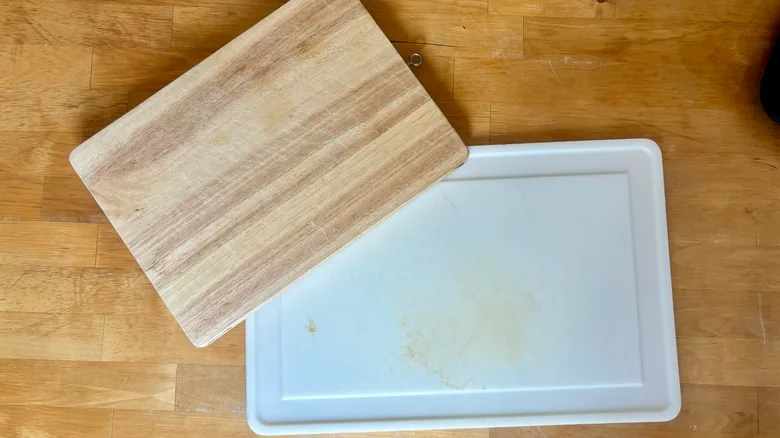
Image source: Bing (Web (fair-use with source credit))
Keeping your kitchen clean and safe is a top priority, and how to clean cutting board is a question that pops up more than you might think. It's not just about aesthetics; proper cleaning prevents the spread of harmful bacteria and keeps your cutting surfaces in good shape for longer. This guide will walk you through the best practices, tailored to different board materials and uses.
Our research confirms that using the right method for your cutting board material and what you've cut on it can significantly reduce the risk of foodborne illness. According to the U.S. Food and Drug Administration (FDA) Food Code, cleaning and sanitizing are critical control points in preventing contamination.
We'll break down the steps to ensure your cutting boards are a safe place for your food prep.
Quick Answer
To properly clean a cutting board, first scrape off food debris. Wash with hot, soapy water. For raw meats, sanitize with a bleach solution or vinegar.
Rinse thoroughly, and dry completely. Wood and bamboo boards require gentle cleaning without soaking.
The "What'd You Cut?" Decision Tree
Figuring out how to clean your cutting board really boils down to what you've used it for. Different foods carry different risks, and your board's material plays a big role too.

Image source: Bing (Web (fair-use with source credit))
Scenario 1: Just Veggies or Fruits?
- Action: Scrape, wash with hot soapy water, rinse, and dry. Easy.
- Why: Produce generally carries lower risk of transferring serious bacteria compared to raw meats.
Scenario 2: Raw Meat, Poultry, or Fish?
- Action: Scrape, wash thoroughly with hot soapy water, and then sanitize.
- Why: These raw products can harbor dangerous pathogens like Salmonella and E. coli. Sanitizing is crucial to kill these germs.
Scenario 3: Heavily Stained or Smelly?
- Action: Use targeted treatments like lemon and salt, baking soda, or vinegar.
- Why: Sometimes a simple wash isn't enough to lift deep stains or lingering odors.
This flowchart approach helps you make the right cleaning choice quickly, especially when you're busy in the kitchen.
Keeping Wood & Bamboo Boards Happy
Wood and bamboo cutting boards are beautiful and durable, but they need a little special care. These natural materials are porous, meaning they can absorb liquids and odors if not treated properly. This is why manufacturer specifications often advise against machine washing.
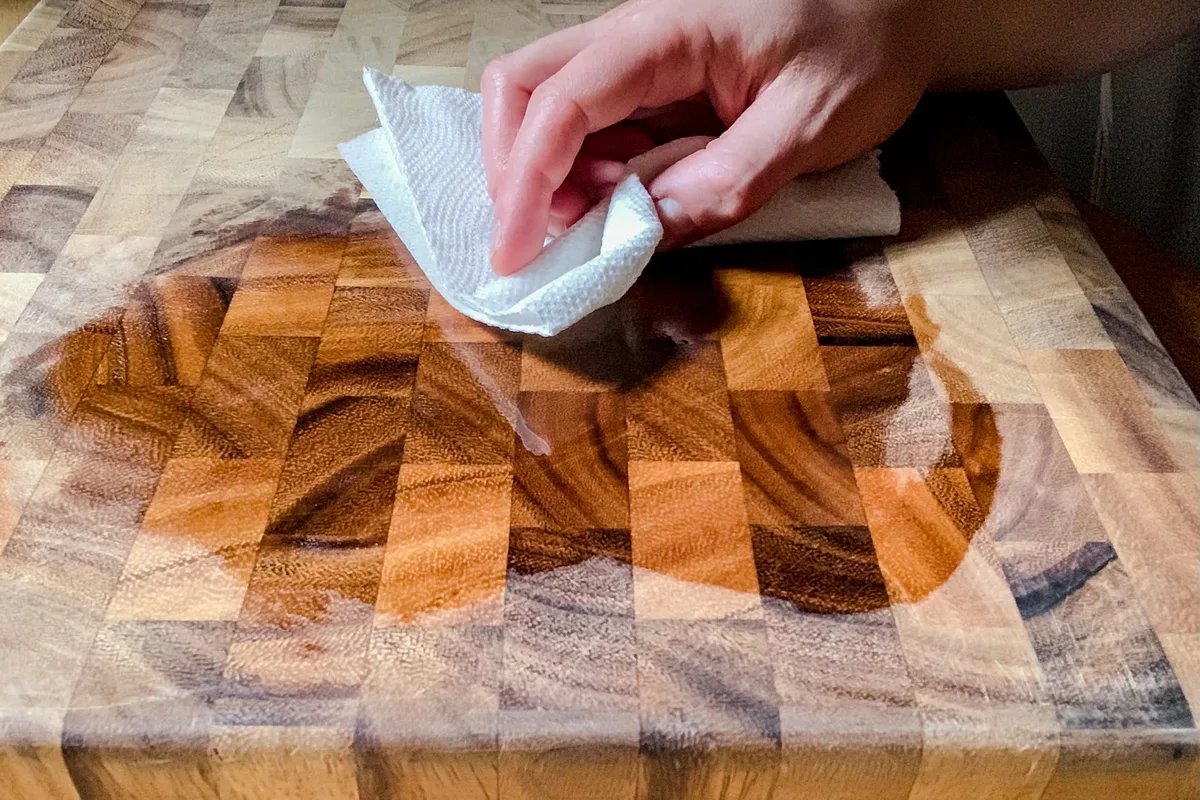
Image source: Bing (Web (fair-use with source credit))
- Washing: Always use warm water and mild dish soap. Scrub gently with a sponge or brush. Avoid soaking the board for extended periods, as this can cause warping and cracking.
- Drying: This is super important for wood. After washing, dry it immediately with a clean kitchen towel. Then, stand it upright to allow air to circulate around all sides. This helps prevent moisture from getting trapped, which can lead to mold or mildew.
- Sanitizing (Wood): For a natural sanitizing option, wipe down the board with undiluted white vinegar. Let it sit for a few minutes, then rinse and dry. A weak bleach solution (1 teaspoon bleach per quart of water) can also be used sparingly on wood if absolutely necessary, but always rinse very thoroughly and ensure it dries completely.
- Conditioning: Over time, wood can dry out. Treating your wooden board with a food-grade mineral oil or a specialized cutting board wax every month or so helps keep it hydrated, prevents cracking, and makes it more resistant to stains and odors.
Making Plastic Boards Shine
Plastic cutting boards, often made from materials like polyethylene, are generally more forgiving and easier to maintain than their wood counterparts. They are less prone to absorbing moisture and odors, and many are designed to withstand the rigors of a dishwasher. Aggregate reviews show that dishwasher-safe plastic boards are a popular choice for many home cooks.
- Dishwasher Option: For plastic boards that are marked as dishwasher-safe (check the manufacturer's label), this is often the easiest and most effective cleaning method. The hot water and strong detergents can effectively clean and sanitize. Ensure the board is placed on an upper rack where it won't be damaged by heating elements.
- Hand Washing: If you don't have a dishwasher or prefer hand washing, the process is straightforward. Use hot water and a good amount of dish soap. Scrub all surfaces thoroughly with a sponge or a dedicated cutting board brush.
- Sanitizing Plastic: After washing, especially if you've cut raw meat, you'll want to sanitize. A diluted bleach solution (1 tablespoon of household bleach per quart of water) is a highly effective sanitizer for plastic. Apply the solution, let it sit for about 5 minutes, then rinse thoroughly with clean water. Alternatively, specialized kitchen sanitizing sprays can also be used according to product instructions.
- Drying: Just like with wood, thorough drying is key. Pat the plastic board dry with a clean towel or let it air dry upright. Proper drying prevents any residual moisture from encouraging bacterial growth.
Tackling Tough Stains and Smells
Sometimes, even with regular cleaning, cutting boards can pick up stubborn stains or unpleasant odors. This is particularly common with wooden boards or those used for strongly colored or odorous foods like beets, turmeric, or garlic. Don't worry, though; there are simple, effective ways to refresh them.
For Stains:
- Lemon and Salt: Cut a lemon in half. Sprinkle coarse salt liberally over the stained area of the board. Use the cut side of the lemon to scrub the salt into the stain. The acidity of the lemon and the abrasive nature of the salt work together to lift the stain. Rinse thoroughly with warm water and dry completely.
- Baking Soda Paste: Mix baking soda with a little water to form a paste. Apply this paste to the stained area, let it sit for a few minutes, then scrub gently with a sponge or brush. Rinse well and dry. Baking soda is a fantastic natural cleaner and deodorizer.
For Odors:
- White Vinegar: Wipe down the entire surface of the board with undiluted white vinegar. Let it sit for at least 10 minutes, then rinse and dry. Vinegar is excellent at neutralizing many types of smells.
- Baking Soda: Sprinkling a generous amount of baking soda over the board and letting it sit for a few hours (or overnight) can also absorb strong odors. Brush off the excess baking soda and then wash the board as usual.
These natural cleaning agents are great because they're food-safe and readily available in most kitchens, helping you maintain your cutting boards without harsh chemicals.
When to Consider Separate Boards
One of the most impactful steps you can take for food safety is to use separate cutting boards for different types of food. This practice significantly reduces the risk of cross-contamination, which is when harmful bacteria transfer from one food item to another. The U.S.
Department of Agriculture (USDA) strongly recommends this practice.
Raw Meat, Poultry, and Fish: Dedicate at least one board specifically for these items. Because they can carry pathogens like Salmonella, Campylobacter, and E. coli, it's crucial they don't come into contact with ready-to-eat foods like salads or fruits. A board with a distinct color or marking can help you easily identify its purpose. Many home cooks opt for a red cutting board for raw meats. You can find a good board specifically for meat that’s durable and easy to clean.
Fruits and Vegetables: Use a separate board for all produce. This ensures that no residual bacteria from raw meats can contaminate your fresh ingredients. If you find yourself using your vegetable board for things like onions or garlic that have strong odors, consider a third board for milder items. A board designed for vegetables can make prep work more enjoyable.
Bread and Cheese: Some people prefer a third board for baked goods and cheeses, especially if they've used very aromatic cheeses. This keeps flavors pure and prevents any unintended transfer of strong scents.
Having multiple boards, perhaps made of different materials like plastic for meats and wood for produce, makes maintaining kitchen hygiene much more manageable. It’s a simple change that offers substantial peace of mind.
Cutting Board Care Mistakes to Sidestep
Even with the best intentions, it's easy to slip up and make a mistake when cleaning your cutting board. These common errors can actually do more harm than good, either by not cleaning effectively or by damaging your board. Our research shows that many people make the same few missteps repeatedly, impacting both hygiene and board longevity.
Relying Solely on a Quick Rinse: Just rinsing a cutting board under the tap after use, especially after chopping raw meat, is not enough. This doesn't remove all food particles or kill bacteria. Thorough washing with soap and hot water, and sanitizing when needed, are essential.
Soaking Wooden Boards: As mentioned, wood and bamboo are porous. Leaving them to soak in water can cause the fibers to swell and then shrink as they dry, leading to cracks, warping, and making the board more susceptible to bacteria. Manufacturer specifications for wooden boards almost universally advise against prolonged submersion.
Throwing All Boards in the Dishwasher: While many plastic boards can go in the dishwasher, this is a big no-no for most wooden or bamboo boards. The high heat and harsh detergents can strip the natural oils, causing them to dry out, crack, and lose their integrity. Always check the care instructions specific to your board.
Using a Dirty Sponge or Cloth: Your cleaning tools can become a breeding ground for bacteria if not cleaned regularly. A sponge or cloth used to wash a cutting board, especially one used for raw meat, should be washed in hot water or bleached regularly, or even replaced frequently.
Not Drying Boards Completely: Letting a cutting board air dry while still wet can lead to mold or mildew growth. Always ensure boards are completely dry before storing them, and ideally, store them upright to allow for better air circulation.
Avoiding these common pitfalls will ensure your cutting boards are both clean and durable for years to come.
Frequently Asked Questions About Cutting Board Cleanliness
How often should I clean my cutting board?
You should clean your cutting board after every use. For boards used for raw meat, poultry, or fish, it’s especially important to clean and sanitize immediately after use to prevent cross-contamination.
Can I use the same cutting board for raw meat and vegetables?
It's strongly recommended not to. Using separate cutting boards for raw meats and for produce is a key practice to prevent the spread of harmful bacteria from raw foods to ready-to-eat foods.
My wooden cutting board smells. How do I fix it?
To remove odors from a wooden cutting board, try rubbing it down with undiluted white vinegar and letting it sit for about 10 minutes before rinsing. You can also sprinkle baking soda on it, let it sit for a few hours, then wash and rinse.
How do I prevent my wooden cutting board from cracking?
Avoid soaking wooden cutting boards in water. Always dry them thoroughly after washing, and consider conditioning them periodically with food-grade mineral oil or a cutting board wax. Storing them upright also helps.
How long do I need to let a cutting board dry?
Ensure your cutting board is completely dry before storing it. This usually takes at least an hour of air drying, ideally more, especially for wooden boards. Storing them upright helps speed up the drying process.