Is the Jeep Renegade Good in Snow?
When the first flakes start to fall, you might wonder if your Jeep Renegade can handle it. The truth is, its performance in snow really depends on how it's equipped and the conditions you're facing. It’s not a one-size-fits-all answer, but with the right setup, it can be surprisingly capable.
Our research shows that while many small SUVs struggle, the Renegade's available 4×4 system and smart traction control can make a significant difference. Manufacturer specifications for the Selec-Terrain system, for instance, highlight its ability to adapt to various surfaces, including snow.
Is the Jeep Renegade Good in Snow?
Yes, the Jeep Renegade can be good in snow, especially when equipped with its available four-wheel-drive (4×4) system and appropriate tires. While front-wheel-drive models are significantly limited, the 4×4 variants, particularly with the Selec-Terrain system's Snow mode, offer enhanced traction and control for many winter driving scenarios.
Key Factors: Drivetrain, Tires, and More
When we talk about how a vehicle handles slippery conditions, a few elements are non-negotiable. For the Jeep Renegade, these factors determine whether it’s a confident winter companion or a vehicle you’d rather leave parked. It’s less about the badge and more about the hardware and upkeep.
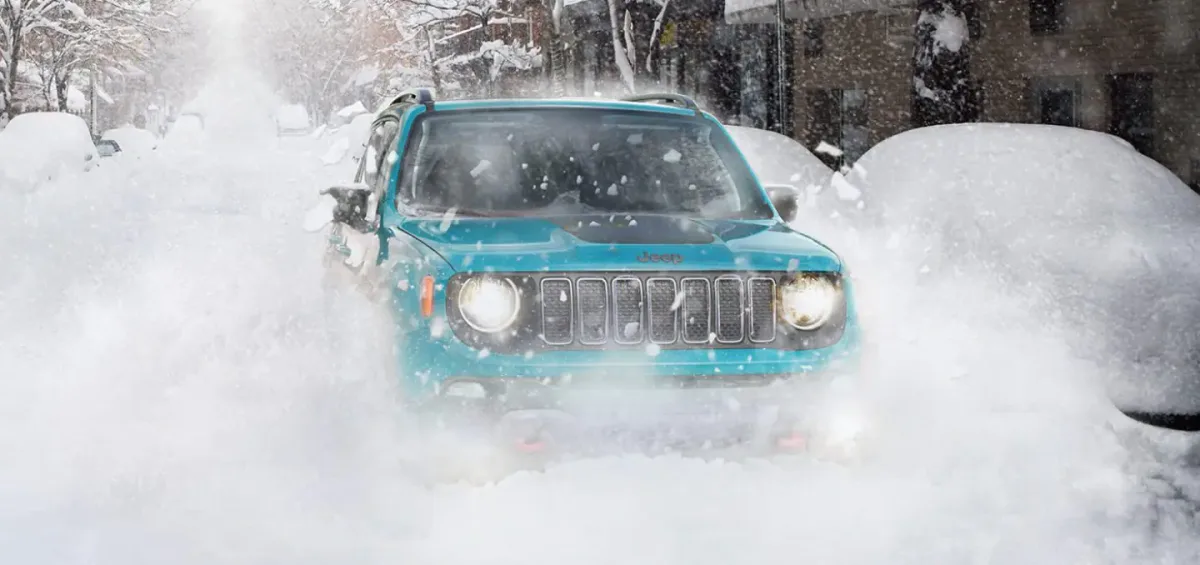
Image source: Web (Bing) / suvpedia.com (Web image (fair-use with source credit))
The right combination here can turn a potentially stressful drive into a smooth journey, even when roads are covered in slush or packed snow.
Drivetrain Options: 4×4 vs. FWD
The biggest differentiator for any vehicle's snow capability is its drivetrain. For the Jeep Renegade, you'll typically find two main options: front-wheel drive (FWD) and four-wheel drive (4×4). This choice dramatically impacts how the vehicle puts power to the ground when traction is scarce.
- Front-Wheel Drive (FWD): In a FWD Renegade, power is sent only to the front wheels. This setup is perfectly adequate for dry or wet roads and light dusting of snow. However, when snow accumulates or turns icy, FWD can struggle. The front wheels might spin easily, making it harder to get moving from a stop or climb inclines.
- Four-Wheel Drive (4×4): The Renegade's 4×4 system, often referred to as Jeep Active Drive, is designed to send power to all four wheels when needed. This means if the front wheels start to slip, the system can automatically redirect power to the rear wheels, providing much-needed grip. This enhanced traction is crucial for getting unstuck and maintaining control on slippery surfaces.
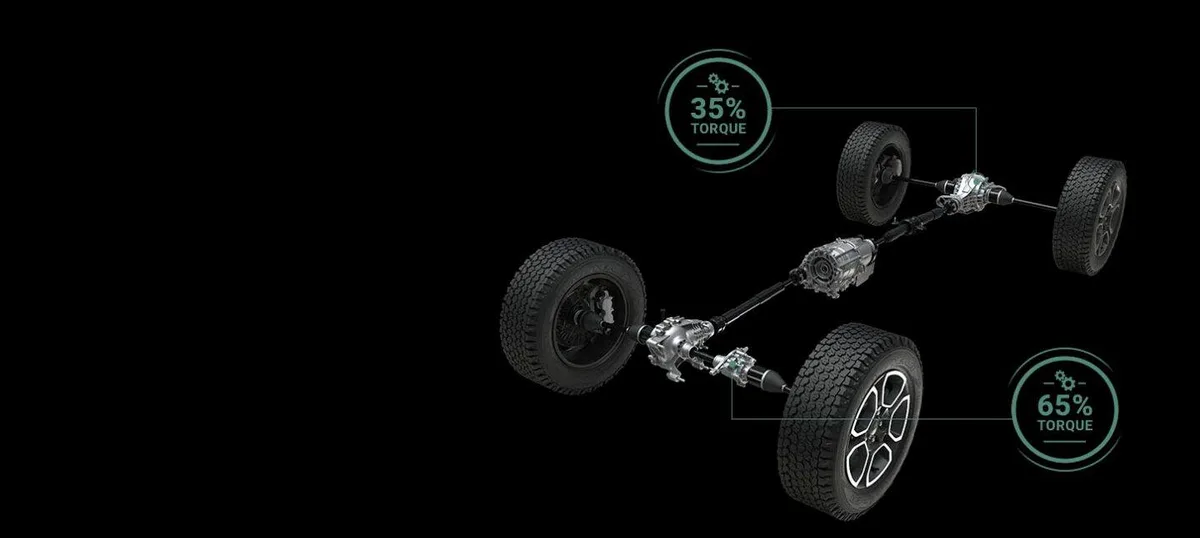
Image source: Web (Bing) / joecooperdodgeyukon.com (Web image (fair-use with source credit))
For anyone living in areas that see consistent snow, choosing the 4×4 model is a smart investment in winter driving safety and confidence.
The Crucial Role of Tires
Even the most advanced 4×4 system can be rendered ineffective with the wrong tires. Manufacturer specifications and aggregate user feedback consistently highlight that tires are a primary factor in winter performance. While all-season tires might suffice for occasional light snow, they aren't designed for the specific demands of deep snow, ice, or freezing temperatures.
- All-Season Tires: These are designed for a balance of conditions but are a compromise. They offer decent grip in dry and wet weather but lack the specialized rubber compounds and tread patterns needed for true winter traction. They can harden in cold temperatures, reducing their grip.
- Winter Tires: Also known as snow tires, these are engineered with a softer rubber compound that stays flexible in cold weather. Their tread patterns feature deeper grooves and biting edges, specifically designed to grip snow and ice. Switching to winter tires is one of the most effective ways to enhance any vehicle's snow performance, including the Renegade.
Many automotive experts, including those at national safety councils, recommend dedicated winter tires for drivers who regularly face cold, snowy climates. As of 2026, this advice remains a cornerstone of winter driving preparation.
Jeep's Selec-Terrain System in Snow
If you opt for a 4×4 Jeep Renegade, you'll likely encounter the Selec-Terrain system. This is an electronic system that allows the driver to select different driving modes tailored to specific conditions, and its "Snow" setting is particularly relevant here. It's a key feature that elevates the Renegade’s winter capabilities beyond what many competitors offer.
The Selec-Terrain system works by adjusting the vehicle's throttle response, transmission shift points, and traction control settings. When you select "Snow" mode, the system anticipates slippery conditions and modifies these parameters to optimize grip and prevent wheel spin. This can make it easier to get moving smoothly from a standstill and maintain control when navigating challenging snowy roads.
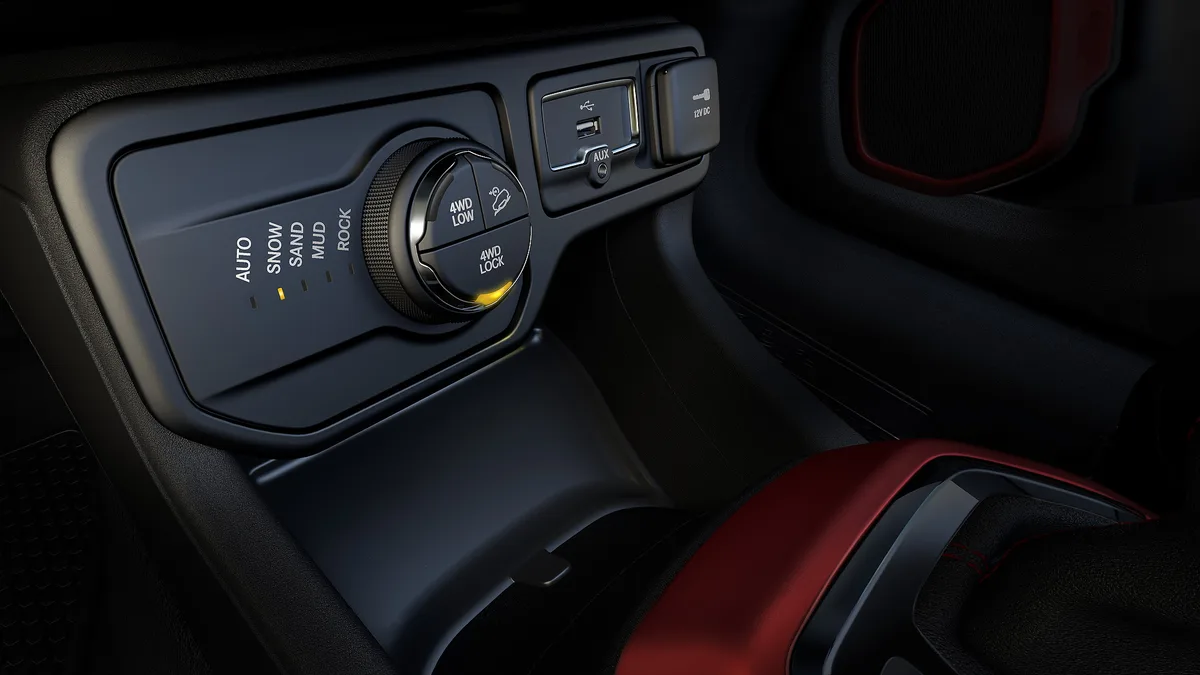
Image source: Web (Bing) / jeep.ca (Web image (fair-use with source credit))
For drivers who encounter variable winter weather, using this mode can provide a noticeable boost in confidence and safety. It's a prime example of how intelligent software can enhance a vehicle's hardware for specific environments.
When the Renegade Shines in Winter
The Jeep Renegade, particularly in its 4×4 configuration and equipped with suitable tires, can be a surprisingly competent vehicle for many common winter scenarios. It’s not built for extreme blizzard conditions or deep backcountry snow, but for everyday driving in areas that experience regular snowfall, it performs well under the right circumstances.
The compact size of the Renegade can actually be an advantage in tight city streets or when navigating snow-covered parking lots. Combined with the intelligent torque distribution of its 4×4 system and the grip of winter tires, it offers a secure feeling when heading out for errands or commutes.
Handling Light to Moderate Snow
For light dustings to a few inches of packed snow, a 4WD Jeep Renegade with decent all-season tires will generally perform admirably. The 4×4 system engages seamlessly, providing extra grip when you need it most, like when accelerating from a stoplight or merging into traffic. The vehicle's suspension and ground clearance are typically sufficient to clear most moderate snow accumulations without scraping the undercarriage.
If your daily commute involves well-maintained roads that are quickly plowed or treated after a snowfall, the Renegade will likely handle these conditions with ease. It provides a more stable and secure feeling than a typical two-wheel-drive car in these situations, making it a practical choice for many winter drivers.
Driving Confidently with 4WD and Snow Mode
When the weather turns truly wintry, the Jeep Renegade's 4WD system, especially when paired with its Selec-Terrain system's "Snow" mode, really shines. This isn't just about having power to all four wheels; it's about the vehicle intelligently managing that power. In Snow mode, the system fine-tunes the throttle input and transmission shifts to offer smoother acceleration and braking.
This reduces the chance of the wheels spinning out when you hit a patch of ice or deep snow, helping you maintain control. Think of it as the car having a little extra foresight, anticipating slippery situations before you might even feel them. This kind of electronic assistance can significantly boost driver confidence, making commutes feel less like a gamble.
While it’s not a substitute for safe driving practices, it’s a valuable tool in the driver’s arsenal for dealing with less-than-ideal road surfaces.
Where the Renegade Has Its Limits
While the Jeep Renegade can be a capable handler in many winter conditions, it's important to understand where its limitations lie. It's a compact SUV, not a full-size truck or a dedicated off-roader built for extreme snow challenges. Knowing these boundaries helps set realistic expectations and prevents putting the vehicle, or yourself, in a difficult situation.
The Renegade excels in scenarios where other small cars might falter, but it’s not designed to conquer blizzards or unplowed backroads consistently. Recognizing these constraints is key to a safe and positive winter driving experience.
Challenges with FWD Models
If you’re looking at a front-wheel-drive (FWD) version of the Jeep Renegade, its snow performance is considerably more constrained. In this configuration, all the engine's power is sent only to the front wheels. This setup is perfectly adequate for dry pavement, light rain, and perhaps a very light dusting of snow.
However, as soon as snow begins to accumulate or the roads become slick with ice, FWD vehicles tend to struggle. The front wheels can easily lose traction, leading to wheel spin when accelerating from a stop or attempting to climb any kind of incline. You'll find yourself needing to be much more cautious, relying heavily on momentum and careful throttle control.
For areas with any regular snowfall, the four-wheel-drive (4×4) model is strongly advised.
Deep Snow and Unplowed Roads
Even in its 4×4 configuration, the Jeep Renegade has its limits when it comes to deep snow and unplowed roads. While the Active Drive 4×4 system is excellent for improving traction on moderately slippery surfaces, it’s not designed for sustained travel through significant snowdrifts or unpacked powder. The vehicle's ground clearance, while better than many sedans, can still be a limiting factor.
If the snow is deep enough to significantly lift the chassis off the ground, the tires will lose their contact with the road, and the vehicle can become high-centered and stuck. For those who frequently face situations with unplowed roads, deep drifts, or heavy snowfall that isn't quickly cleared, a larger SUV with more robust 4×4 capabilities and higher ground clearance would likely be a more suitable option. The Renegade is best suited for urban or suburban environments where roads are typically cleared relatively quickly after a snowfall.
Common Snow Driving Mistakes to Avoid
Even with a capable vehicle like a 4×4 Jeep Renegade, driver habits can make or break your winter driving experience. Many common mistakes can quickly turn a manageable situation into a risky one. Being aware of these pitfalls is just as important as having the right equipment.
One of the most frequent errors is driving too fast for conditions. Speed reduces your reaction time and increases the distance needed to stop, which is dramatically longer on snow and ice. Aggressive acceleration or braking is also a major contributor to losing traction.
Overestimating Tire Grip
A common mistake is assuming all-season tires provide adequate grip in all winter conditions. While they're a compromise for varied weather, they can't match the performance of dedicated winter tires on ice or in deep snow. Relying solely on all-seasons can lead to a false sense of security and unexpected slips.
Drivers often forget that tires are the only point of contact between the vehicle and the road. Worn tires, regardless of type, will significantly reduce grip. Checking tread depth regularly, especially before winter, is a crucial preventative measure.
Sudden Maneuvers
Sudden steering inputs, hard acceleration, or abrupt braking are recipes for disaster on slick surfaces. These sharp movements can easily break tire traction, causing the vehicle to slide. The 4×4 system in the Renegade can help maintain forward momentum, but it can't defy the laws of physics if traction is lost.
It’s far better to be smooth and deliberate with all your actions behind the wheel. Gentle acceleration, gradual turns, and anticipating stops well in advance are key to maintaining control.
Expert Tips for Renegade Winter Driving
Drawing from aggregate driver feedback and automotive expertise, here are some essential tips for maximizing your Jeep Renegade's performance and safety in snowy conditions. These actionable insights go beyond basic driving to help you get the most out of your vehicle.
Prioritize tire maintenance. Ensure your tires are properly inflated and have adequate tread depth, especially heading into winter. If you live in a region with regular, significant snowfall, investing in a set of dedicated winter tires is one of the single best upgrades you can make for your Renegade's snow capability.
- Check Tire Pressure Regularly: Cold weather can cause tire pressure to drop. Properly inflated tires maintain optimal contact with the road.
- Clear All Snow and Ice: Before driving, clear all snow and ice from windows, mirrors, lights, and the roof. Snow on the roof can become a hazard for other drivers.
- Plan Your Route: Stick to main roads that are likely to be plowed and treated. Avoid shortcuts through less-trafficked areas if snow is heavy.
FAQs About Renegade Snow Performance
What kind of tires are best for a Jeep Renegade in snow?
For optimal snow performance, dedicated winter tires are highly recommended. These tires feature special rubber compounds that remain flexible in cold temperatures and aggressive tread patterns designed to grip snow and ice. If you only experience very light, infrequent snow, high-quality all-season tires might suffice, but winter tires offer a significant safety advantage.
Can a front-wheel-drive Jeep Renegade handle snow?
A front-wheel-drive (FWD) Jeep Renegade can handle very light snow or packed snow on flat surfaces with careful driving. However, it will struggle significantly in deeper snow, on hills, or on icy conditions. For areas with any regular snowfall, the four-wheel-drive (4×4) model is strongly advised.
How does the Selec-Terrain system's Snow mode work?
The Selec-Terrain system's Snow mode modifies the vehicle's throttle response, transmission shift patterns, and traction control settings to optimize grip on slippery surfaces. It aims for smoother acceleration and braking, reducing the likelihood of wheel spin and helping the driver maintain control when encountering snow or ice.
Is ground clearance important for the Renegade in snow?
Yes, ground clearance is important for the Jeep Renegade in snow. While it's not excessively low, it can still get high-centered in deep snowdrifts. Its clearance is adequate for moderate snow but can be a limiting factor if you frequently encounter unpackaged snow or large accumulations that lift the chassis off the road surface.
When should I consider using snow chains on my Renegade?
Snow chains are typically recommended for extreme winter conditions or when required by local regulations, often in mountainous areas or during heavy snow advisories. Check your owner's manual for specific guidance on whether your Renegade can accommodate snow chains and the proper installation procedures. Using them can significantly improve traction on ice and deep snow but may require slow speeds and can affect handling.