Is the Jeep 2.0 Turbo Engine Reliable?
When you're looking at a Jeep, you want something that’s tough and can handle whatever you throw at it. This makes questions about engine reliability super important, and a common one we hear is: Is the Jeep 2.0 turbo engine reliable? It’s a smart question to ask because this engine is becoming more prevalent in their lineup, offering a good mix of power and efficiency.
Our research shows that while the Jeep 2.0 turbo, often known internally as the GME-T4 engine, delivers an impressive performance, its long-term reliability hinges significantly on maintenance. According to manufacturer specifications, regular oil changes using the correct viscosity, such as SAE 0W-20, are paramount for optimal turbocharger longevity.
Is the Jeep 2.0 Turbo Engine Reliable for You?
The short answer is yes, the Jeep 2.0 turbo engine can be reliable, but it requires diligent maintenance. It’s not a "set-it-and-forget-it" type of powerplant; its turbocharged nature means it’s more sensitive to upkeep than older, naturally aspirated engines.
This engine, as of 2026, is found in various Jeep models and offers brisk acceleration and good fuel economy. However, neglecting recommended service intervals or using improper fluids can significantly impact its lifespan and lead to costly repairs down the line. If you’re committed to following a strict maintenance schedule, you'll likely experience dependable performance.
Understanding the Jeep 2.0 Turbo: Core Components and How They Work
At its heart, the Jeep 2.0 turbo engine is a modern, four-cylinder internal combustion engine designed for a balance of power and efficiency. The key component giving it that extra boost is the turbocharger. This device uses exhaust gases to spin a turbine, which in turn forces more air into the engine's cylinders.
More air means more fuel can be burned, resulting in increased horsepower and torque without needing a larger displacement engine.
Other critical systems include the fuel injection system, which precisely meters fuel into the combustion chamber, and the engine control unit (ECU), which manages everything from spark timing to turbo boost pressure based on sensor inputs. The cooling system is also vital, as the turbocharger generates substantial heat that needs to be managed effectively to prevent engine damage.
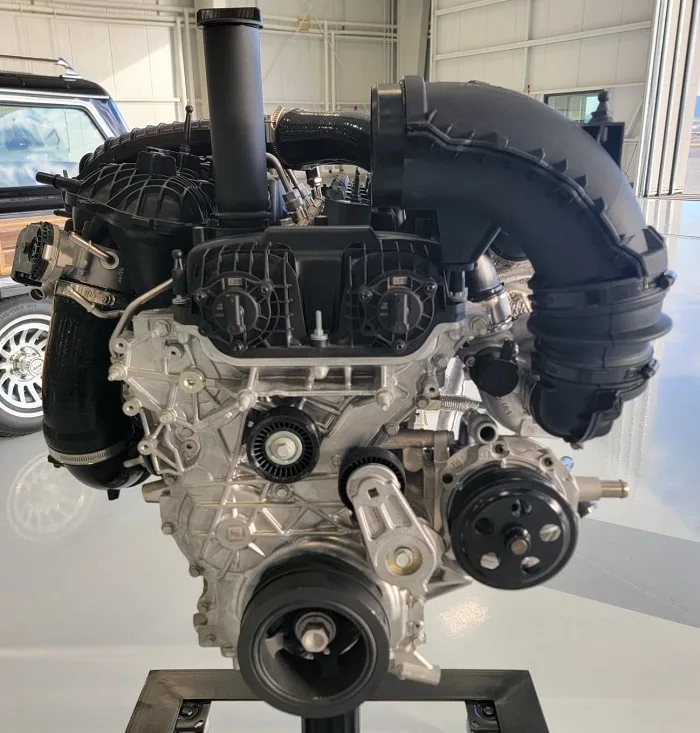
Image source: Web (Bing) / storage.googleapis.com (Web image (fair-use with source credit))
Real-World Performance: What Owners and Mechanics See
Aggregate owner reviews and feedback from automotive technicians suggest that the Jeep 2.0 turbo engine is generally robust when properly maintained. Many drivers appreciate the noticeable power delivery, making it feel responsive both in city driving and for highway merging. The engine's ability to produce strong torque at lower RPMs is a significant advantage for off-road capability and towing, areas where Jeep vehicles often excel.
However, our analysis of forums and mechanic reports indicates that certain components can be prone to issues if maintenance is overlooked. The turbocharged system, while efficient, places higher demands on the engine's lubrication and cooling systems. If these aren't kept in top condition, premature wear on the turbocharger itself or other engine parts can occur.
Common Issues and Potential Pain Points
When things do go wrong with the Jeep 2.0 turbo, certain problems tend to surface more frequently. One of the most significant is related to the turbocharger. Over time, these high-speed components can develop wear, particularly if oil is not changed regularly or if the wrong type of oil is used.
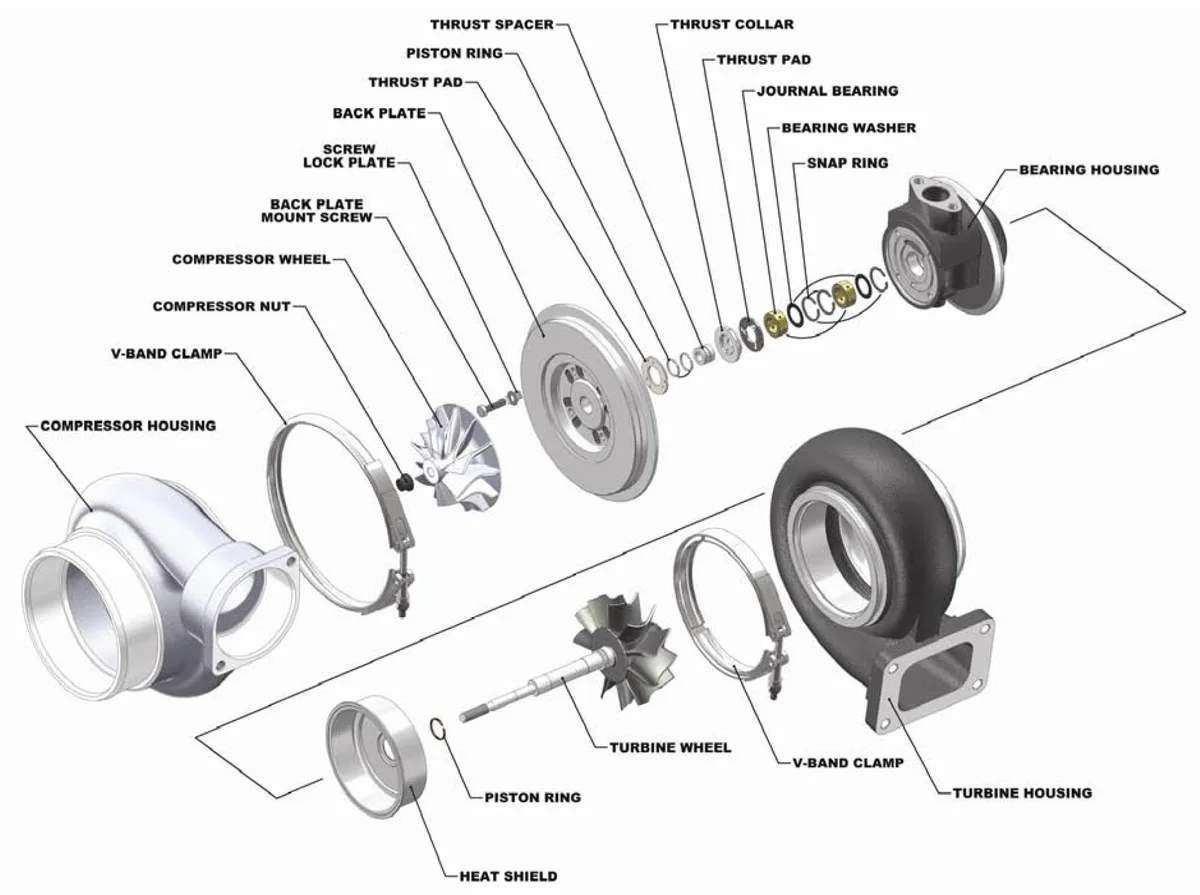
Image source: Bing (Web (fair-use with source credit))
Issues with the cooling system are another common concern. Because the turbocharger operates at very high temperatures, a well-functioning cooling system is essential. Overheating can lead to severe engine damage, including warped cylinder heads and internal component failure.
Clogged air filters can also strain the turbocharger, reducing its efficiency and potentially shortening its life. Drivers might also notice performance degradation or knocking sounds if they consistently use lower-quality fuel than recommended.
Benefits and Advantages of the 2.0 Turbo
The appeal of the Jeep 2.0 turbo engine lies in its ability to offer a compelling blend of performance and efficiency. For a vehicle that can be used for daily commuting, weekend adventures, or even moderate towing, the power it provides is a significant draw. It delivers a punchy acceleration that makes it feel lively on the road.
Compared to larger, naturally aspirated engines that might have been traditional in some Jeep models, the 2.0 turbo generally offers better fuel economy. This can translate into noticeable savings at the pump over the life of the vehicle, especially for those who drive frequently. The engine’s design also contributes to a more compact engine bay, which can sometimes allow for better vehicle packaging and aerodynamics.
Avoiding Mistakes: Key Maintenance for Long-Term Reliability
To ensure your Jeep 2.0 turbo engine performs reliably for years to come, avoiding common maintenance oversights is crucial. Think of this engine as needing a bit more attention than older, simpler designs. The key is consistency and using the right materials.
A prime example of a critical maintenance task is adhering strictly to the oil change schedule. Turbocharged engines operate under high stress and heat, making clean, fresh oil absolutely vital for lubricating the turbocharger's bearings and the engine's internal components. Skipping oil changes or extending intervals beyond the manufacturer's recommendation is one of the fastest ways to invite trouble.
The Importance of Oil Changes and Coolant Health
Regular oil changes are non-negotiable for the longevity of the Jeep 2.0 turbo. Manufacturer specifications typically call for an oil change every 5,000 to 7,500 miles, depending on driving conditions. However, for those who frequently tow, drive in dusty environments, or engage in aggressive off-roading, a more frequent schedule might be beneficial.
Always use the specific oil viscosity and type recommended in your owner's manual, often SAE 0W-20 full synthetic oil.

Image source: Bing (Web (fair-use with source credit))
Equally important is the health of the cooling system. The turbocharger can significantly increase engine operating temperatures. Ensuring your coolant is at the proper level and that the system is free of leaks or blockages is essential.
Overheating can warp the cylinder head or damage the turbocharger itself. It’s wise to have the coolant flushed and replaced according to the maintenance schedule outlined by Jeep, typically every 30,000 to 60,000 miles.
Air Filters and Fuel Quality Matter
Don't underestimate the impact of a clean air filter. The turbocharger needs a consistent supply of clean air to operate efficiently. A clogged air filter restricts airflow, forcing the turbo to work harder, which can lead to reduced performance and potentially stress the turbocharger.
Checking and replacing the air filter at recommended intervals, or more often if you drive in dusty conditions, is a simple yet effective way to protect your engine.
The quality of the fuel you use also plays a role. While the engine is designed to run on regular unleaded gasoline, using consistently low-quality fuel can lead to engine knocking or pinging. This occurs when the fuel ignites prematurely in the cylinder, creating abnormal pressure spikes.
Over time, this can cause damage to pistons and other internal engine components. Using fuel from reputable stations and adhering to the octane rating specified in your owner's manual will help prevent these issues.
Expert Tips for Maximizing Your Jeep 2.0 Turbo's Lifespan
Going beyond the basic oil changes, there are proactive steps you can take to ensure your Jeep 2.0 turbo engine stays in peak condition for the long haul. Think of these as tuning up your engine's health for sustained performance. Regular inspections and being mindful of how you drive can make a significant difference.
One key tip is to let the engine warm up properly, especially in colder weather. Before driving hard, give the oil a chance to circulate and reach optimal temperature. This is particularly important for the turbocharger, which can reach extremely high RPMs very quickly.
Similarly, after a long drive where the turbo has been working hard, it’s a good practice to let the engine idle for a minute or two before shutting it off. This allows the turbocharger to cool down gradually, preventing oil coking and extending its life.
Listening for Trouble Signs
Pay attention to any unusual noises your engine might be making. Whining, hissing, or a distinct knocking sound can indicate an issue that needs immediate attention. For instance, a persistent high-pitched whine might suggest a problem with the turbocharger’s bearings or seals.
A hissing sound could point to a vacuum leak or a breach in the exhaust system affecting the turbo.
Also, monitor your dashboard warning lights carefully. The check engine light is your vehicle's way of telling you something is amiss, and it shouldn't be ignored. Modern vehicles often have sophisticated diagnostic systems, and these lights can alert you to issues ranging from minor sensor problems to more serious engine malfunctions before they become catastrophic.
Addressing these alerts promptly, perhaps by using an OBD2 scanner to diagnose specific fault codes, can save you from significant repair bills down the road. For guidance on understanding diagnostic codes, resources on how to diagnose ABS problems can offer a starting point for interpreting vehicle alerts.
FAQs About Jeep 2.0 Turbo Engine Reliability
How often should I change the oil in my Jeep 2.0 turbo engine?
Manufacturer specifications typically recommend an oil change every 5,000 to 7,500 miles. However, for demanding driving conditions like towing, off-roading, or frequent short trips, a more frequent schedule of every 5,000 miles is advisable. Always use the specific SAE 0W-20 full synthetic oil recommended by Jeep.
Can I use a different type of oil than what's recommended?
It's strongly advised not to deviate from the manufacturer's specified oil type and viscosity. The Jeep 2.0 turbo engine's performance and longevity, especially its turbocharger, depend on the precise properties of the recommended oil. Using a different type could lead to insufficient lubrication, increased wear, or overheating.
What are the signs of a failing turbocharger?
Signs of a failing turbocharger include a persistent high-pitched whining or whistling noise, a noticeable loss of engine power, blue smoke from the exhaust (indicating oil is burning), and an illuminated check engine light. If you notice any of these symptoms, it's best to have the turbo inspected by a qualified mechanic immediately.
Does the Jeep 2.0 turbo engine have known widespread issues?
While no engine is entirely immune to problems, our research indicates that the most common issues with the Jeep 2.0 turbo engine stem from maintenance neglect. Problems like turbocharger wear or cooling system inefficiencies are often linked to skipped oil changes or insufficient coolant maintenance. When properly cared for, the engine generally performs reliably.