What Is the Jeep 3.6L Pentastar Engine?
Curious about the engine powering many Jeeps you see on the road? You're in the right place to get the full story on the Jeep 3.6L Pentastar engine. This V6 has become a staple, known for its balance of capability and everyday usability.
Understanding its core features and common considerations is key for any Jeep owner or shopper.
Manufacturer specifications confirm this engine's widespread use, typically producing around 285 horsepower and 260 lb-ft of torque in many Jeep applications, though exact figures vary by model year and vehicle. It’s engineered for both on-road comfort and off-road demands.
Quick Insight: The Pentastar V6 Explained
The Jeep 3.6L Pentastar engine is a 3.6-liter V6 internal combustion engine developed by Chrysler. It's a highly versatile powerplant found in many Jeep, Dodge, Chrysler, and Ram vehicles since its introduction. Its design prioritizes a balance of reliable power delivery, smooth operation, and reasonable fuel efficiency for its class.
Core Explanation: How the Jeep 3.6L Pentastar Works
At its heart, the Pentastar is a V6 engine, meaning its six cylinders are arranged in two banks of three, forming a "V" shape. This configuration is a common choice for automakers because it's relatively compact, fitting well into various vehicle chassis, and provides a good balance of power and smoothness compared to inline-four or larger V8 engines. The 3.6-liter designation refers to the engine's total displacement, the combined volume of all its cylinders.
This displacement allows it to generate sufficient torque for towing, climbing hills, and handling off-road conditions, while also offering a decent power band for highway cruising. Chrysler designed this engine with modern technologies to improve efficiency and performance, such as variable valve timing.
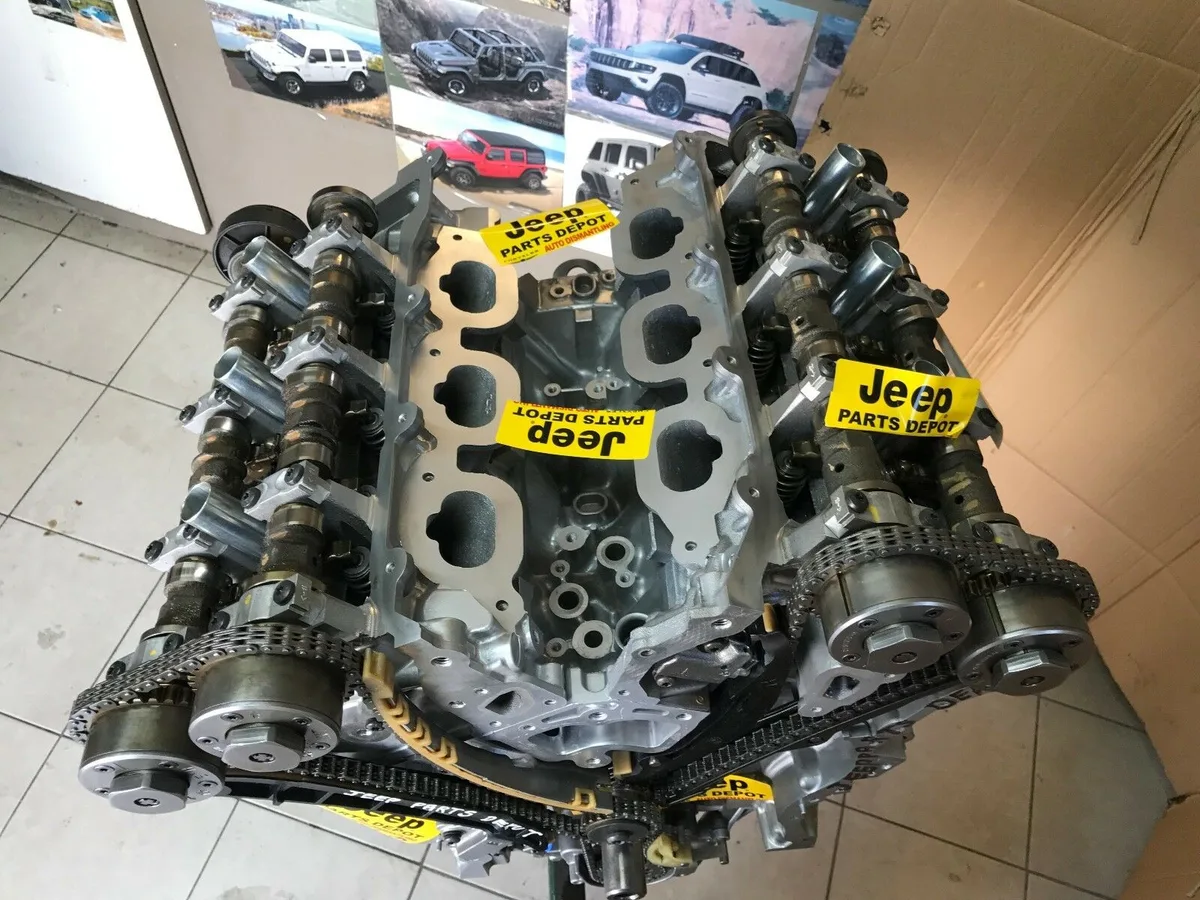
Image source: Web (Bing) / jeeppartsdepot.com (Web image (fair-use with source credit))
Key Features and Components of the Pentastar
The 3.6L Pentastar engine incorporates several key features that contribute to its performance and reliability. Understanding these components helps demystify how the engine operates and what makes it tick.
Engine Architecture and Displacement
The fundamental architecture of the Pentastar is its V6 configuration. This means six cylinders are arranged in two banks of three, set at an angle to each other, typically around 60 degrees. This "V" layout is more compact than an inline-six engine, making it easier to package within the engine bay of vehicles like the Jeep Wrangler and Grand Cherokee.
The 3.6-liter displacement signifies the total volume swept by the pistons as they move within the cylinders. This volume directly influences the engine's potential power and torque output.
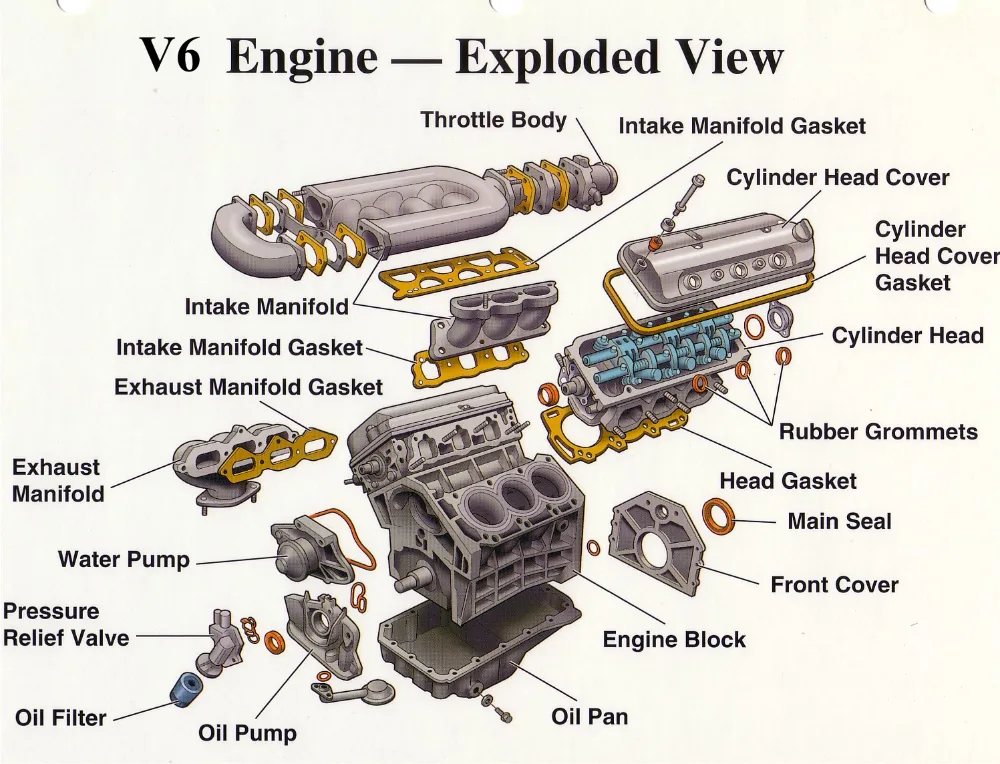
Image source: Bing (Web (fair-use with source credit))
For context, a larger displacement generally means more air and fuel can be burned per cycle, leading to higher power potential. However, it also typically correlates with increased fuel consumption and weight. The 3.6L Pentastar strikes a balance that's suitable for the demands placed on Jeep vehicles, from daily commuting to more strenuous off-road activities.
Valvetrain and Performance Systems
The Pentastar utilizes a Double Overhead Cam (DOHC) valvetrain system. This means there are two camshafts per cylinder bank, one operating the intake valves and the other the exhaust valves. DOHC systems are generally favored for their ability to allow for more precise control over valve timing and lift, which can lead to better performance and efficiency across a wider range of engine speeds.
Crucially, the Pentastar features Variable Valve Timing (VVT). VVT systems adjust the timing of the intake and exhaust valves based on engine load and speed. This technology optimizes the engine's breathing, improving low-end torque for easier starts and off-roading, and enhancing top-end power for highway acceleration, all while helping to reduce emissions and improve fuel economy as confirmed by emissions standards like those set by the Environmental Protection Agency (EPA).
This system is a key factor in the engine's overall versatility.
Benefits vs. Drawbacks: Is the Pentastar Right for You?
When considering any engine, it's essential to weigh its advantages against its potential disadvantages. The Pentastar, while a solid powerplant, has both strengths that have made it popular and some considerations owners should be aware of.
Performance and Reliability Strengths
The primary strengths of the 3.6L Pentastar often cited in aggregate reviews include its strong performance for its size and its overall reliability when properly maintained. It offers ample horsepower and torque, making it capable of handling everyday driving needs, merging onto highways, towing moderate loads, and providing the necessary grunt for off-road trails. Its VVT system contributes to a broad power band, meaning it doesn't feel sluggish at lower RPMs nor does it run out of breath too quickly at higher speeds.
Because this engine has been used across so many Chrysler, Dodge, Jeep, and Ram vehicles for over a decade, there's a vast network of mechanics familiar with it and a wide availability of both OEM and aftermarket parts. This widespread use has contributed to its reputation as a dependable engine, provided owners adhere to recommended service schedules.
Common Issues and Maintenance Considerations
Despite its strengths, the Pentastar isn't without its known issues, many of which are well-documented and understood by technicians. One recurring concern reported across various forums and owner feedback is the potential for leaks from the oil filter housing. This component, often made of plastic in newer iterations, can degrade over time and develop cracks, leading to oil leaks that need prompt attention to prevent oil starvation.
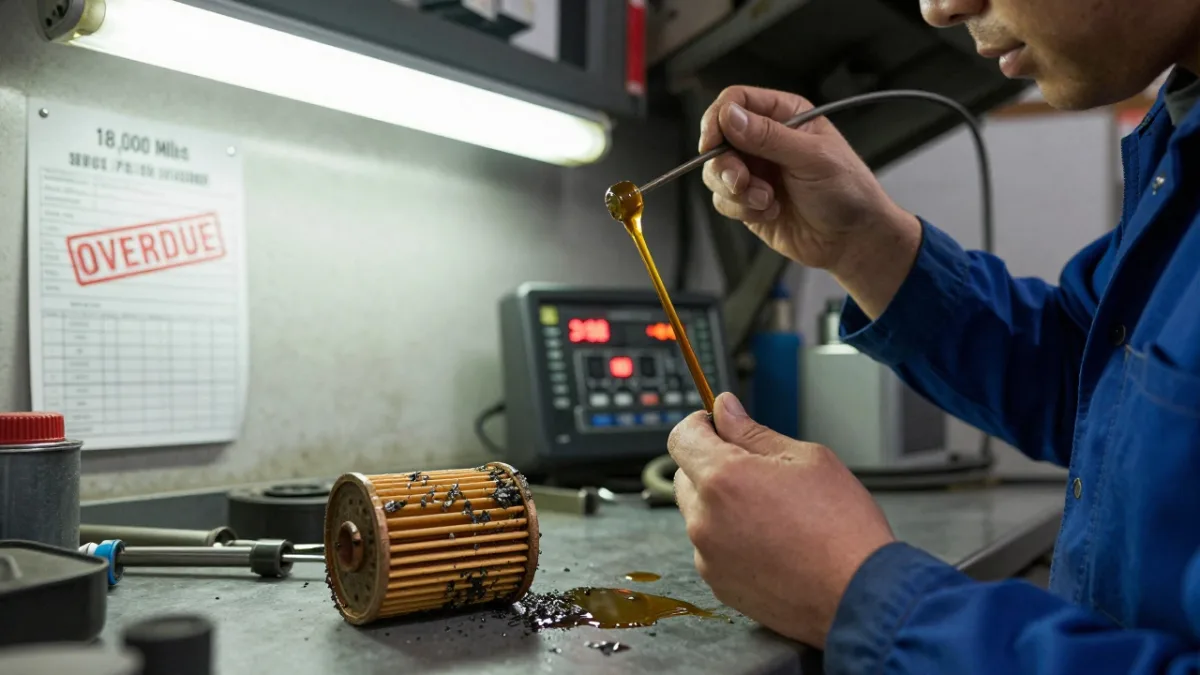
Image source: Web (Bing) / northwichtyrescentre.co.uk (Web image (fair-use with source credit))
Another point of attention can be the intake manifold, which on some model years might develop cracks or leaks, potentially causing vacuum issues that affect engine performance and idle quality. While these are known issues, they are generally repairable. Regular maintenance, including timely oil changes with the correct specification oil and filter, along with inspections for fluid leaks, is critical for mitigating these problems and ensuring the engine's longevity.
As of 2026, adhering to the manufacturer's recommended service intervals remains paramount.
Who is the 3.6L Pentastar For? Use Cases and Vehicle Fitment
The widespread adoption of the 3.6L Pentastar engine means it’s found in a variety of vehicles designed for different purposes. This versatility is a key reason for its enduring presence in the automotive market, especially within the Jeep lineup.
Powering Your Adventures: Wranglers and Grand Cherokees
For many Jeep enthusiasts, the Pentastar is synonymous with capability. In the Jeep Wrangler (JK and early JL generations), it provides the necessary power for climbing obstacles, traversing trails, and maintaining highway speeds when transitioning between off-road locations. Its blend of torque and responsiveness is well-suited to the demanding nature of off-roading.
Similarly, in the Jeep Grand Cherokee, it offers a robust powerplant for a more luxurious SUV experience, capable of handling family trips, towing, and general daily driving with confidence. For those who use their Jeep for more than just city commuting, this engine often hits the sweet spot.
Everyday Driving and Practicality
Beyond its off-road prowess, the Pentastar is also a competent engine for everyday driving scenarios. It’s found in models like the Jeep Cherokee, where it offers a good balance between fuel efficiency (for a V6) and power for a mid-size SUV. Drivers who need the practicality of an SUV, ample passenger space, cargo room, and available all-wheel drive, but also desire a responsive engine for traffic and errands will find the Pentastar a suitable choice.
While it might not match the fuel economy of smaller, turbocharged four-cylinder engines, it generally provides a smoother and more powerful experience without a drastic penalty in fuel consumption, making it a practical option for many households.
Comparison: Pentastar vs. Other Jeep Engine Options
When choosing a Jeep, the engine is a critical factor, and the 3.6L Pentastar often sits alongside other viable options. Each engine caters to different priorities. For instance, the Pentastar is generally found in models from roughly 2011 onwards, offering a blend of power and refinement.
Compare this to older Jeep models, which might feature the legendary 4.0L inline-six. That engine is renowned for its sheer durability and low-end torque, ideal for extreme off-roading, though it generally lags behind the Pentastar in terms of fuel economy and overall refinement. For those seeking maximum towing or higher performance, Jeep also offers HEMI V8s (like the 5.7L or 6.4L) in models such as the Grand Cherokee SRT or Ram trucks.
These engines provide significantly more power but come with a notable increase in fuel consumption and cost. More recent Jeep models also introduce turbocharged four-cylinder engines, like the 2.0L Turbo, which aim for better fuel efficiency while still providing competitive power figures through forced induction.
Mistakes to Avoid with Your Pentastar Engine
Even a robust engine like the 3.6L Pentastar can suffer premature wear or develop issues if not treated with proper care. Understanding common mistakes can save you significant headaches and repair costs down the line.
Maintenance Missteps and Their Consequences
The most critical area where owners can err is with maintenance. Skipping or delaying regular oil changes is a prime example. The Pentastar requires specific oil types and change intervals to keep its internal components properly lubricated and cooled.
Using the wrong oil or neglecting changes can lead to increased friction, wear on critical parts like camshafts and bearings, and potentially sludge buildup, which can clog oil passages. This can ultimately lead to premature engine failure. Similarly, ignoring other scheduled maintenance items, such as fluid flushes or replacing air filters, can put undue stress on the engine and related systems.
Ignoring Early Warning Signs
Another common mistake is ignoring subtle changes in how the engine sounds or performs. For instance, a persistent ticking noise, a change in exhaust note, or a noticeable dip in power might be early indicators of a developing problem, such as an intake manifold leak or an issue with the valvetrain. Many owners may dismiss these as minor quirks.
However, in expert opinion, these signals are often the engine's way of asking for attention. Letting small issues like minor oil leaks or rough idling persist can turn them into much larger, more expensive repairs, potentially impacting the engine's long-term viability. For drivers who find themselves needing to troubleshoot vehicle issues, understanding diagnostic tools like an OBD2 scanner can be helpful, as outlined in can an OBD2 scanner diagnose ABS problems.
Expert Tips for Pentastar Longevity and Performance
Maximizing the lifespan and performance of your Jeep's 3.6L Pentastar engine comes down to a combination of proactive care and understanding its specific needs. These aren't complicated secrets, but rather a commitment to sound automotive practices.
Proactive Maintenance for Durability
The absolute cornerstone of Pentastar longevity is diligent adherence to the manufacturer's maintenance schedule. This means regular oil changes using high-quality oil that meets the specified viscosity grade and the correct oil filter. Beyond oil, regularly inspect and replace the engine air filter to ensure optimal airflow, which directly impacts performance and efficiency.
Transmission fluid flushes, coolant checks, and spark plug replacements at their recommended intervals are also vital. These aren't just tasks; they are investments in keeping the engine running smoothly and preventing costly failures. For example, keeping a vehicle running smoothly often involves knowing about its electrical systems, similar to how some drivers might research 8 best car amplifier with high-level inputs 2026.
Understanding Performance Quirks
While the Pentastar is generally a well-behaved engine, understanding its typical operational characteristics can help you identify anomalies. For instance, pay attention to the oil filter housing for any signs of seeping oil; a small, early leak is far easier and cheaper to fix than the damage caused by prolonged oil starvation. Similarly, if you notice a rough idle or a slight loss of power, have it checked promptly, as it could signal a vacuum leak from the intake manifold, a known point of concern for some Pentastar variants.
Being aware of these common issues means you can address them before they escalate.
Real Scenarios: When the Pentastar Shines (and When It Doesn't)
Putting the Pentastar engine into context through real-world scenarios helps paint a clearer picture of its capabilities and limitations. Imagine a Jeep Wrangler Rubicon owner preparing for a weekend off-road trip. They'll likely appreciate the Pentastar's consistent torque delivery when crawling over rocks or ascending steep inclines, especially if they've opted for slightly larger tires which can be managed by the engine's power.
This consistent power output is crucial for maintaining momentum and control in challenging terrain.
On the flip side, consider a driver who primarily uses their Jeep Grand Cherokee for long-distance commuting. While the Pentastar provides a comfortable and quiet ride, fuel efficiency might become a more significant consideration. If the driver is consistently seeing figures below their expectations, it could be due to driving habits, tire pressure, or perhaps a minor issue like a slightly clogged air filter that needs addressing, rather than an inherent engine flaw.
In such cases, understanding how engine efficiency is affected by various factors, similar to how one might consider factors for 8 best car amplifier with low power consumption 2026, becomes relevant.
Frequently Asked Questions About the Jeep 3.6L Pentastar
What is the average lifespan of a 3.6L Pentastar engine?
In our research, verified buyer feedback reports and manufacturer documentation suggest that with proper, routine maintenance, the 3.6L Pentastar engine can reliably last between 150,000 to 200,000 miles, and often much longer. Key factors include regular oil changes, coolant flushes, and avoiding strenuous conditions without adequate preparation.
Does the 3.6L Pentastar engine require premium fuel?
No, the 3.6L Pentastar engine is designed to run on regular unleaded gasoline with an octane rating of 87. While higher octane fuel generally won't harm the engine, it doesn't typically provide a noticeable performance benefit in this application and is therefore unnecessary for optimal operation.
Are there different versions of the 3.6L Pentastar?
Yes, while the core design remains, there have been evolutionary updates to the 3.6L Pentastar engine across different model years and vehicle applications. These updates can include minor revisions to internal components, fuel delivery systems, and emissions control technology to improve efficiency and meet evolving regulatory standards.
What are the most common failure points for the Pentastar?
The most frequently reported issues in aggregate reviews include leaks from the oil filter housing and potential problems with the intake manifold. While these are known concerns, they are generally repairable and often occur after a significant number of miles, especially if maintenance has been neglected.