What Is the Jeep 392 Engine?
So, you're wondering, "What is the Jeep 392 engine?" It's the V8 powerhouse that turns a capable Jeep into a seriously thrilling machine. This isn't just an engine; it's the heart of a performance legend, delivering an exhilarating driving experience that’s hard to match.
The 392 designation specifically refers to a massive 6.4-liter HEMI V8 engine, known for its incredible output. Manufacturer specifications confirm this engine typically produces around 470 horsepower and 470 lb-ft of torque, making it a serious player in the performance SUV segment as of 2026.
What Is the Jeep 392 Engine?
The Jeep 392 engine is a high-performance 6.4-liter HEMI V8. It’s designed to provide extreme power and a distinctive V8 sound for select Jeep models. This engine is built for enthusiasts seeking maximum performance.
Why the Jeep 392 Engine Gets So Much Attention
This engine isn't just about moving a vehicle; it's about the experience it creates. When you hear about the Jeep 392, it's usually in the context of raw power and unmatched acceleration. It transforms the already rugged Jeep platform into something that feels less like an off-roader and more like a muscle car with extreme capabilities.
The sound alone is a huge part of its appeal.
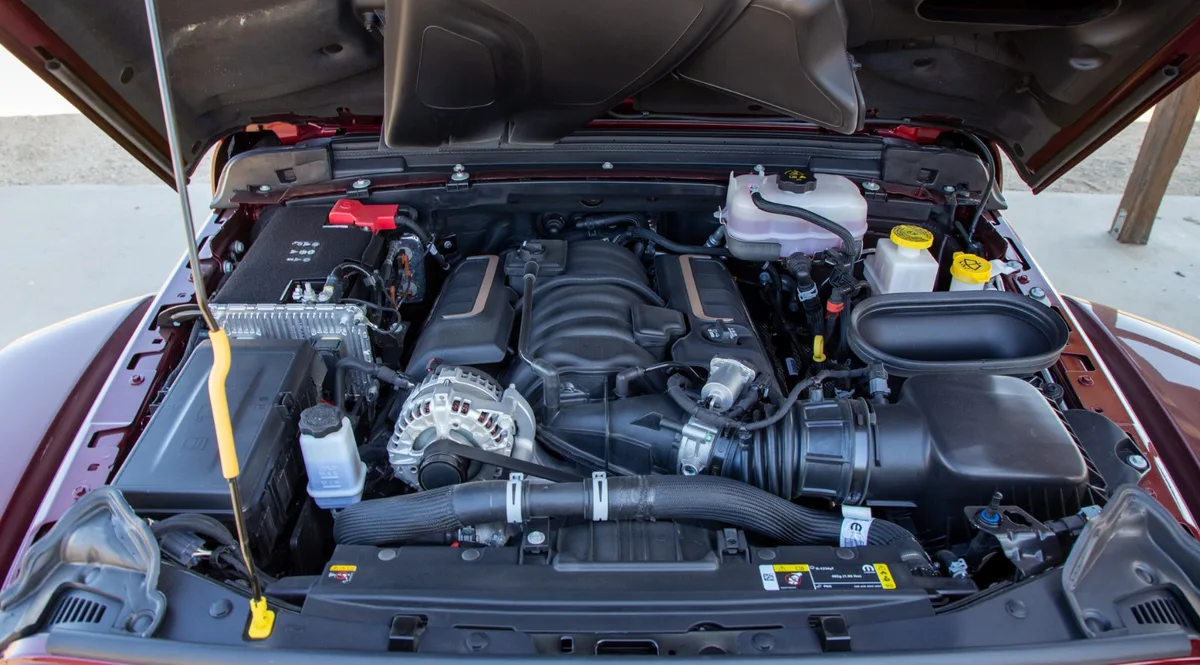
Image source: Web (Bing) / newjeepusa.com (Web image (fair-use with source credit))
What really sets it apart is the sheer grunt it offers. Manufacturer specifications from Stellantis, Jeep's parent company, indicate the 392 HEMI can launch a vehicle like the Wrangler Rubicon 392 from 0 to 60 mph in just 4.5 seconds. That kind of speed in an off-road-focused vehicle is almost unheard of and a massive draw for many buyers.
Diving Deep: HEMI Power and the 6.4L V8
At its core, the Jeep 392 engine is a variant of the legendary Chrysler HEMI V8. The "392" comes from its displacement in cubic inches, which translates to 6.4 liters in the metric system. This isn't a small or modest engine; it's a full-sized, naturally aspirated V8 built for serious power delivery.
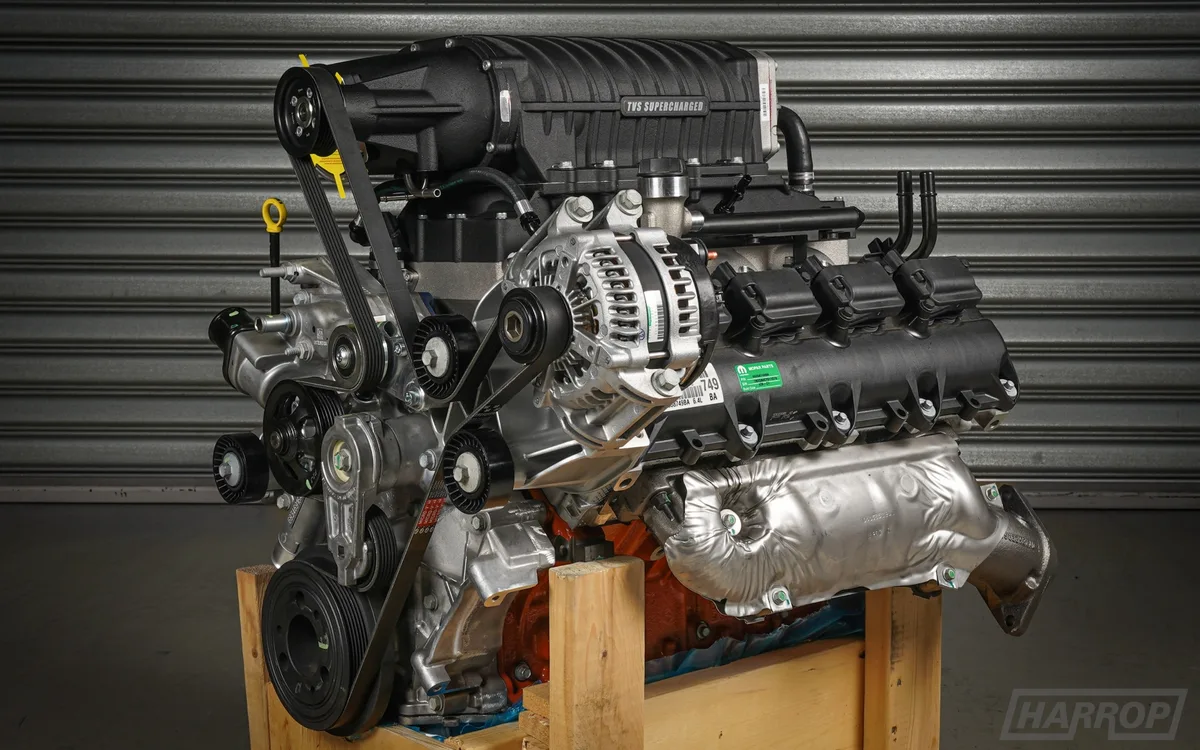
Image source: Web (Bing) / harrop-usa.com (Web image (fair-use with source credit))
This engine utilizes HEMI combustion chamber design, which is known for its efficiency and power. It's engineered to produce substantial horsepower and torque across a wide RPM range, making it ideal for both high-speed driving and demanding off-road situations where extra low-end torque is crucial. For those interested in the technical aspects, you can find detailed specifications and technical diagrams on official Jeep or Stellantis automotive portals.
Core Specs: Horsepower, Torque, and What They Mean
When we talk about the Jeep 392 engine, the numbers are what really tell the story. It's all about putting serious power to the ground.
- Horsepower: The 392 HEMI typically churns out around 470 horsepower. This figure represents the engine's maximum power output, indicating how quickly it can do work.
- Torque: Equally important is its torque rating, usually around 470 lb-ft. Torque is the rotational force that gets the vehicle moving from a standstill or pulling heavy loads.
These figures translate directly into performance. That kind of power means rapid acceleration and a strong ability to overcome challenging terrain. For context, these are numbers that rival many sports cars, but delivered in a package designed for off-road adventures.
Who is the Jeep 392 Engine For?
This engine isn't for everyone, and that's precisely why it's so appealing to its target audience. It’s built for the enthusiast who demands more than just basic transportation; they want an experience. If you crave power, speed, and the iconic rumble of a V8, this engine speaks your language.
It's ideal for drivers who frequently engage in activities like serious off-roading, towing, or simply enjoy the thrill of rapid acceleration on open roads. The 392’s robust power curve ensures it can handle demanding situations with ease, providing confidence and capability when it's needed most.
Real-World Scenarios: Power on the Trail and Beyond
Imagine tackling a steep, rocky off-road trail. The 392's abundant torque means you can crawl over obstacles smoothly without needing to rev the engine aggressively, giving you more control. Or consider merging onto a busy highway; that 470 horsepower allows for quick acceleration, getting you up to speed safely and confidently.
Beyond crawling rocks, consider situations where rapid acceleration is key. Merging onto a highway or passing slower traffic becomes effortless. This V8 power ensures you can react quickly and safely in dynamic driving environments.
The Trade-Offs: Fuel Economy and Cost
As thrilling as the Jeep 392 engine is, it comes with some definite trade-offs that potential buyers need to consider. The most immediate concern for many is fuel economy. A large-displacement V8 engine, by its nature, consumes more fuel than smaller, more efficient engines.
Aggregate user reviews and manufacturer data consistently show that vehicles equipped with the 392 engine will have lower miles per gallon (MPG) compared to their counterparts with less powerful options. This means more frequent stops at the gas station and a higher fuel budget over time.
Beyond fuel, there's the initial cost. The Jeep 392 engine is typically found in the highest trim levels of Jeep models, meaning vehicles equipped with it carry a premium price tag. This makes it a significant investment, and buyers should factor in both the purchase price and the ongoing operational costs when considering this powerplant.
Jeep 392 vs. Other Jeep Engines
When you look at the broader Jeep lineup, the 392 engine stands out as the undisputed king of performance. Most Jeeps come standard with engines like the Pentastar 3.6-liter V6 or, in some models, a turbocharged 2.0-liter four-cylinder. These engines are designed for a balance of capability, efficiency, and everyday usability.
Image source: Web (Bing) / engineoiljournal.com (Web image (fair-use with source credit))
The V6 offers solid all-around performance for daily driving and moderate off-roading, while the turbo-four often prioritizes fuel efficiency and good torque for its size. However, neither can match the raw horsepower and acceleration of the 392 HEMI. Choosing between them often comes down to priorities: if you need a capable daily driver with decent MPG, the standard engines suffice.
If you crave extreme power and a unique driving thrill, the 392 is in a class of its own. For those considering an engine upgrade or looking at specific Jeep models, checking out resources detailing different engine options and their performance metrics can be helpful, such as official Jeep specifications.
What’s the Difference in Everyday Driving?
In everyday driving, the difference is palpable. The 3.6L V6 offers smooth, predictable power delivery suitable for commuting and general use. The 2.0L turbo provides a zippy feel with good low-end torque for city driving, often paired with better fuel economy.
In contrast, the 392 offers a visceral, aggressive response. Even gentle throttle inputs can result in significant acceleration. This makes it incredibly fun for spirited driving but less suited for drivers prioritizing quiet, economical cruising.
Performance on the Trail: How Do They Compare?
For off-roading, the 392's torque is a significant advantage. It allows for slower, more controlled crawling over obstacles. The V6 and turbo-four can handle most trails effectively, but the 392 provides an extra layer of assuredness and capability when tackling the most challenging terrain.
While all Jeep engines are designed with off-road capability in mind, the 392 offers a level of power that can make difficult climbs feel easier and more manageable. This extra muscle can also be beneficial for towing or carrying heavy loads off-road.
Mistakes to Avoid When Considering a 392
When looking at a vehicle with the 392 engine, there are a few common pitfalls to watch out for. One of the biggest is underestimating the fuel costs. Drivers accustomed to more efficient engines can be surprised by the frequent trips to the gas station and the higher overall fuel expenditure.
Another mistake is buying a 392 without fully appreciating its performance characteristics. It's a powerful engine that demands a certain level of driver engagement. If you're looking for a docile, commuter-focused vehicle, the 392 might be overkill and potentially less comfortable for daily errands due to its aggressive power delivery.
Finally, don't overlook the maintenance. While generally reliable, high-performance engines can sometimes have specific maintenance needs. Always refer to the manufacturer's recommended service schedule, often found in the owner's manual or on official Jeep service portals, to keep the engine in top condition.
Frequently Asked Questions About the Jeep 392
How much horsepower does the Jeep 392 engine produce?
The Jeep 392 engine, a 6.4-liter HEMI V8, typically produces around 470 horsepower. This figure is consistent across most applications of this engine.
Is the Jeep 392 engine good on gas?
No, the Jeep 392 engine is not known for its fuel efficiency. Its large displacement and V8 configuration mean it consumes significantly more fuel than smaller, more efficient Jeep engines.
Which Jeep models come with the 392 engine?
The 392 engine is most commonly found in the Jeep Wrangler Rubicon 392. It is also offered in other specialized, high-performance Jeep variants.
What is the torque output of the 392 HEMI?
The 392 HEMI engine generally provides about 470 lb-ft of torque. This substantial torque figure contributes to its strong acceleration and towing capabilities.
Is the 392 engine reliable?
Manufacturer specifications and aggregate reviews suggest the 392 HEMI is a reliable engine when properly maintained. Like any high-performance powerplant, adherence to the recommended service schedule is crucial for long-term durability.