How Much Horsepower Does a Jeep Wrangler Have?
When you're looking at a Jeep Wrangler, you're likely thinking about capability, adventure, and a vehicle that can handle more than just pavement. The question "How much horsepower does a Jeep Wrangler have?" is a big part of figuring out which one is right for you. Horsepower is a key performance metric, but it's just one piece of the puzzle.
Wrangler engines vary significantly by model year and trim. For example, the current generation Wranglers offer powertrain options ranging from a turbocharged 2.0-liter inline-four to a potent 6.4-liter V8, with horsepower figures that reflect this diversity. Understanding these differences is crucial for matching the vehicle's output to your specific needs.
How Much Horsepower Does a Jeep Wrangler Have?
Jeep Wrangler horsepower typically ranges from 270 HP to 470 HP. Specific output depends heavily on the engine and model year chosen, with options like the 2.0L turbo, 3.6L V6, plug-in hybrid 4xe, and the V8 in the Rubicon 392. This variety allows for significant customization based on driving preferences.
What Horsepower Means for Your Wrangler
Horsepower (HP) is essentially a measure of an engine's power output. Think of it as the engine's ability to do work, or how quickly it can propel the vehicle forward. In a Jeep Wrangler, higher horsepower generally translates to better acceleration and the ability to reach higher speeds more easily.
This is important for highway driving, merging into traffic, or any situation where you need quick bursts of speed.
It's not the only factor, though. Torque, measured in pound-feet (lb-ft), is how much twisting force the engine can produce. Torque is crucial for off-roading, where you need raw pulling power to get over obstacles or to tow.
While horsepower tells you how fast you can go, torque tells you how effectively you can move heavy loads or conquer steep inclines. For a Wrangler, a good balance of both is often ideal, but the specific needs of your adventures will dictate which is more important to you. As of 2026, Jeep continues to offer a diverse range of powertrains to cater to these varied demands.
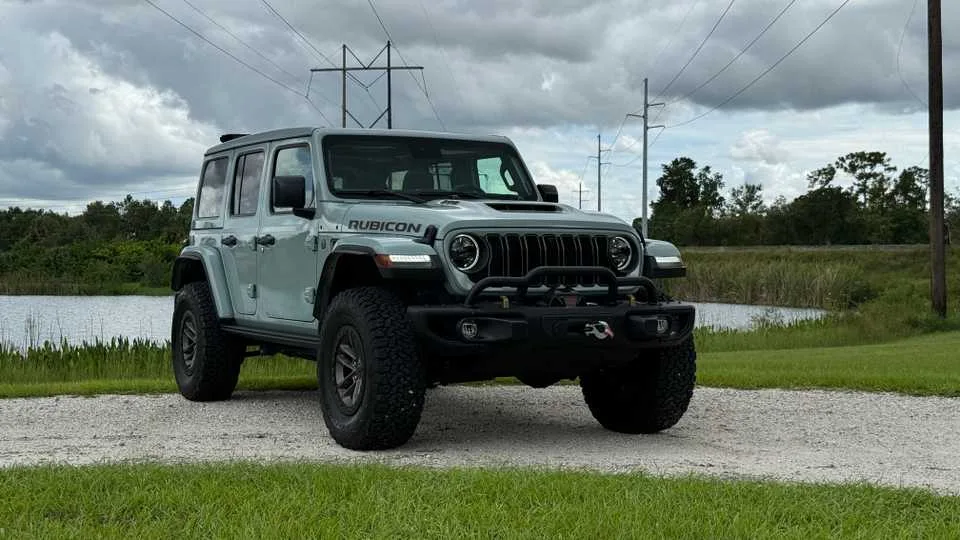
Image source: Bing (Web (fair-use with source credit))
Jeep Wrangler Engine Options: A Horsepower Breakdown
Jeep has offered several different engines in the Wrangler over the years, and the current lineup is no exception. Each engine has its own horsepower rating, torque output, and characteristics that affect the overall driving experience. Knowing these specs helps you decide which powertrain best fits your lifestyle, whether you prioritize fuel economy, raw power, or a blend of both.

Image source: Web (Bing) / carwale.com (Web image (fair-use with source credit))
Here’s a look at the common engine options you'll find:
- 2.0L Turbocharged Inline-4: This engine is known for its efficiency and responsive power delivery, thanks to its turbocharger. It provides a good amount of horsepower for daily driving and moderate off-roading.
- 3.6L Pentastar V6: A long-standing favorite, the Pentastar V6 offers a solid balance of power and refinement. It's a reliable workhorse that's capable in a variety of situations.
- 6.4L HEMI V8: Found in the Rubicon 392, this is the powerhouse of the Wrangler lineup. It delivers exhilarating acceleration and commanding performance for those who crave serious muscle.
- 4xe Plug-in Hybrid Powertrain: This innovative option combines electric motors with a gasoline engine, offering impressive torque for off-roading and the potential for electric-only driving.
Understanding these options is key to unlocking the right performance for your adventures.
Wrangler Horsepower by Trim Level: Matching Power to Your Needs
The specific trim level of a Jeep Wrangler often dictates which engine and, consequently, which horsepower rating you get. Jeep configures its trims to appeal to different buyers, from those focused on basic utility to extreme off-roaders. Understanding this connection between trim and power output is essential for making an informed choice.
For instance, a base model might come with a more fuel-efficient engine, while a high-performance trim will boast the most powerful options. This strategy allows buyers to tailor their Wrangler to their priorities, whether that's getting the most bang for your buck, having the ultimate off-road machine, or enjoying blistering acceleration. The horsepower figures directly influence how the Wrangler behaves both on and off the pavement.

Image source: Bing (Web (fair-use with source credit))
Here's how horsepower generally aligns with common trim levels:
- Sport & Willys Sport: These entry-level trims typically offer robust yet efficient powertrains, often featuring the 3.6L Pentastar V6 or the 2.0L Turbo-Four. Horsepower here is usually in the mid-200s to around 270 HP, providing solid capability without breaking the bank.
- Sahara & High Altitude: Positioned as more upscale options, these trims frequently come standard with the 3.6L V6 and often have the 2.0L Turbo-Four as an option. They offer a refined driving experience with horsepower figures comparable to the Sport trims, focusing on comfort and features.
- Rubicon: The Rubicon is the off-road specialist. While it often shares the 3.6L V6 or 2.0L Turbo-Four options with other trims, its focus is on gearing and suspension rather than sheer horsepower. Its standard engines typically provide around 270-285 HP.
- Rubicon 392: This is where the horsepower truly shines. The Rubicon 392 comes exclusively with the mighty 6.4L HEMI V8 engine, delivering a substantial 470 HP and 470 lb-ft of torque. This trim is for those who want maximum performance and a thrilling driving experience.
Real-World Impact: How Horsepower Affects Your Drive
When you’re considering how much horsepower your Jeep Wrangler should have, it's not just about the number on the spec sheet. That number has tangible effects on how you’ll experience driving the vehicle, both on daily commutes and on your most adventurous outings. Understanding these impacts helps you choose an engine that aligns with how you’ll actually use your Wrangler.
Higher horsepower generally means a more engaging driving experience. It can make the difference between a Wrangler that feels eager and responsive and one that feels a bit sluggish, especially when carrying passengers or gear. This is particularly noticeable in situations requiring quick maneuvers or sustained performance.
Off-Roading Prowess
For serious off-roading, horsepower is important, but torque often takes the lead. However, a healthy horsepower figure provides the momentum needed to climb obstacles and maintain speed on challenging terrain. It complements the low-end grunt provided by torque, ensuring you have power available across the RPM range.
For crawling over rocks or navigating steep inclines, having adequate horsepower means less strain on the drivetrain and a smoother experience. For example, while the 4xe's electric motors offer instant torque for precise crawling, the combined system's horsepower ensures it can still move with authority when needed.
On-Road Performance and Towing
On the road, horsepower directly influences acceleration and the ability to merge safely into fast-moving traffic. A Wrangler with more horsepower will feel quicker off the line and more capable when passing. If you plan on towing a trailer, boat, or camper, horsepower becomes even more critical.
Higher horsepower engines generally provide better towing capability, allowing you to haul loads more easily and maintain speed, especially on inclines. While towing capacity is also heavily influenced by gearing and chassis, engine power is a significant factor in the overall towing experience. If you plan on frequent towing, looking at Wranglers with more powerful engines, like the 3.6L V6 or even the 6.4L V8, makes a lot of sense.
Fuel Economy Considerations
There’s usually a trade-off between horsepower and fuel economy. More powerful engines, especially larger V8s or turbocharged units, often consume more fuel. However, modern engine technology is closing this gap.
The 2.0L Turbocharged Inline-4 and the 4xe Plug-in Hybrid are designed to offer a good blend of performance and efficiency. The 4xe, in particular, can achieve impressive miles per gallon when utilizing its electric driving modes, offering a unique advantage for those looking to reduce their fuel costs and environmental impact. Manufacturer specifications, like those found on the Jeep official website, provide detailed MPG figures for each powertrain.
Choosing Your Wrangler's Power: A Practical Guide
Deciding on the right horsepower for your Jeep Wrangler boils down to how you plan to use it. There's no single "best" answer; it’s all about matching the vehicle's capabilities to your specific needs and driving habits. Think about your typical routes, whether you'll be towing, and your priorities for performance versus fuel efficiency.
If you're primarily commuting on highways and occasional light trails, the 2.0L Turbo or the 3.6L V6 will likely provide more than enough power. They offer a good balance of acceleration for daily driving and enough grunt for moderate off-roading. For those who truly push their Wranglers off-road or demand thrilling acceleration on the street, the Rubicon 392's V8 is the ultimate choice.
For a unique blend of instant torque and efficiency, the 4xe offers a compelling alternative.
What to Consider
- Your Daily Drive: How much highway driving do you do? Do you need quick acceleration to merge into traffic?
- Towing Needs: What will you be towing, and how often? Heavier loads require more power.
- Off-Road Intensity: Are you hitting moderate trails or tackling serious rock crawling? Torque and horsepower both play roles.
- Fuel Budget: Higher horsepower engines often mean higher fuel consumption.
- Transmission Preference: While not directly horsepower, the transmission can affect how power is delivered and perceived.
Engine Scenarios
- Commuter/Light Off-Roader: The 2.0L Turbo or 3.6L V6 offers a solid, balanced performance.
- Serious Off-Roader/Towler: The 3.6L V6 or the 4xe's instant torque are strong contenders, with the V8 for extreme needs.
- Performance Enthusiast: The 6.4L HEMI V8 in the Rubicon 392 is unmatched for acceleration.
Considering these factors will guide you toward the Wrangler engine that best fits your adventurous spirit and practical requirements.
Frequently Asked Questions About Wrangler Horsepower
How does the 4xe's horsepower compare to a gas engine?
The Wrangler 4xe powertrain offers impressive combined horsepower, often on par with or exceeding the 3.6L V6. Its real advantage is the instant torque from the electric motors, providing immediate power for off-roading and acceleration, often making it feel more responsive than its V6 counterpart. Manufacturer specifications confirm its competitive output.
Can I put a more powerful engine in my Wrangler?
While technically possible through aftermarket modifications, swapping engines in a Jeep Wrangler is a complex and expensive undertaking. It involves significant mechanical and electrical work. For most owners, selecting a factory-built Wrangler with the desired horsepower from the outset is the most practical and reliable approach.
Does horsepower affect Wrangler's resale value?
Generally, higher horsepower models, particularly those with desirable engines like the HEMI V8 in the Rubicon 392, tend to hold their value well or even command a premium. The specific trim and engine are often key factors in a used Wrangler's market appeal. This is because many buyers seek the enhanced performance these engines provide.
Which Wrangler engine is best for fuel economy?
In our research, the 4xe plug-in hybrid powertrain typically offers the best overall fuel efficiency, especially when utilized for its electric-only range. Following that, the 2.0L Turbocharged Inline-4 generally provides better MPG than the larger 3.6L V6 or the V8, balancing performance with reasonable fuel consumption. These figures are verified by the Environmental Protection Agency (EPA).
How much horsepower did older Wrangler models have?
Older generations, like the JK (2007-2018), featured engines such as the 3.8L V6 (around 202 HP) and later the 3.6L Pentastar V6 (around 285 HP). Even older models like the TJ had even less horsepower, with the most common 4.0L inline-6 producing about 190 HP. The evolution shows a clear trend toward more powerful and efficient engines over time.