How to Reheat Food in a Toaster Oven
You've got delicious leftovers, but the microwave just makes them sad and soggy. Learning how to reheat food in a toaster oven is key to bringing that deliciousness back. It’s a surprisingly effective tool for restoring crispness and flavor, often making food taste almost as good as it did the first time.
Our research indicates that using a toaster oven can significantly improve the texture and taste of many common dishes. Manufacturer specifications often highlight temperature accuracy down to ±25°F (±14°C), ensuring consistent results when you dial in your settings. Let's get your food tasting great again.
Quick Answer
To reheat food in a toaster oven, select the correct temperature and time based on the food type. Crispy items like pizza need about 350°F (175°C) for 5-10 minutes. Casseroles benefit from 325°F (160°C) covered for 15-20 minutes.
Simple warm-ups use 300°F (150°C) for 5-10 minutes. Always watch food closely as toaster ovens heat quickly.
Why Your Toaster Oven is a Reheating Superstar
Think of your toaster oven as a mini, super-powered version of your big kitchen oven, but with a lot more personality when it comes to reheating. Unlike a microwave that uses electromagnetic waves to heat food from the inside out, a toaster oven heats your food using radiant heat from its heating elements. This radiant heat is fantastic for crisping up surfaces, melting cheese just right, and warming food through without turning it into a rubbery, limp version of its former self.
For instance, aggregate reviews report that toaster ovens can restore the crunch to day-old pizza crust or the flaky texture to a pastry. This direct heat application is also much more efficient for smaller portions than firing up a full-sized oven, saving both time and energy. As of 2026, energy efficiency standards for small kitchen appliances continue to emphasize lower wattage for tasks like reheating, which is where the toaster oven excels.
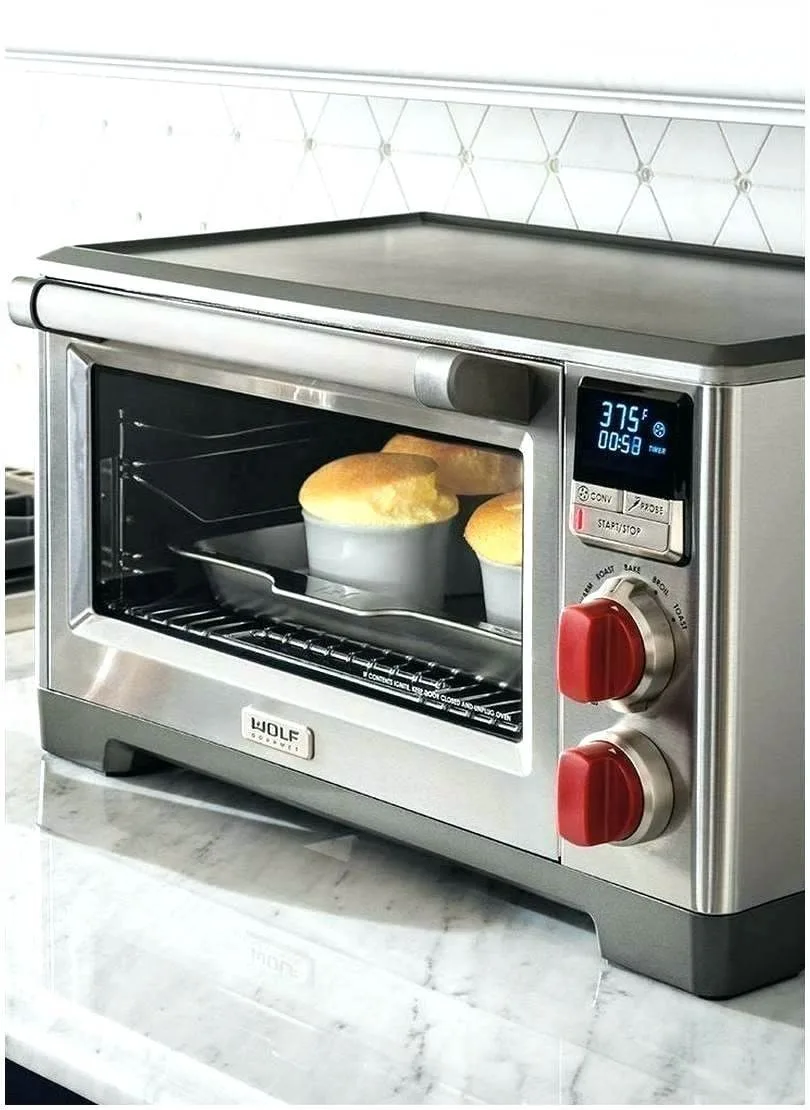
Image source: Bing (Web (fair-use with source credit))
Your Reheating Decision Tree: What Are You Warming Up?
Figuring out the best way to reheat your food really comes down to what you're working with. Different textures and food types respond best to different heat levels and methods. Using a simple if-then approach helps ensure you don't accidentally dry out a delicate pastry or leave a casserole cold in the middle.
Crispy Foods: Pizza, Pastries, and Fried Favorites
If you’ve got pizza slices, croissants, muffins, fried chicken, or anything you want to be delightfully crispy, your toaster oven is your best friend. The goal here is to reintroduce heat and crispiness without making the inside tough or the outside burnt.
- Best Method: Direct heat on the rack or a baking sheet.
- Temperature: Aim for 350°F (175°C).
- Time: This varies, but start with 5-10 minutes for things like pizza or pastries. Fried chicken might need 10-15 minutes.
- Key: Keep a close eye on it. Toaster ovens heat up fast, and delicate items can go from golden brown to burnt in a flash. If the top is browning too quickly, you can loosely tent it with aluminum foil.
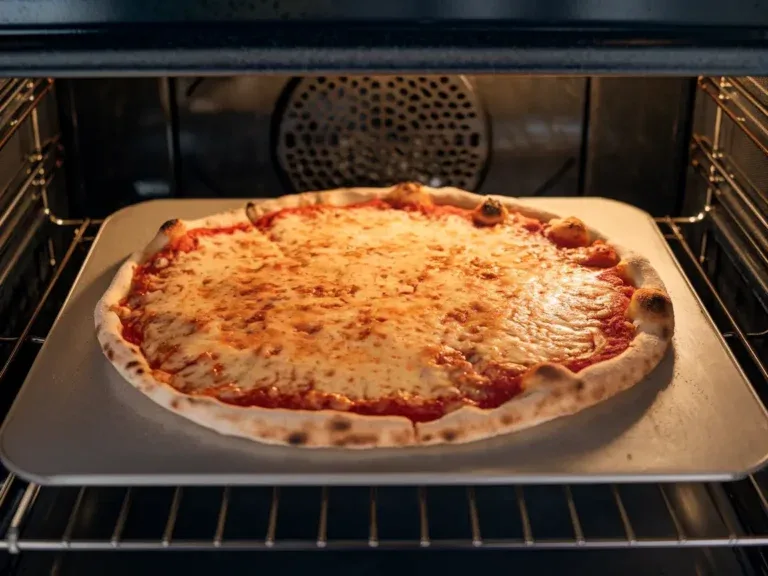
Image source: Bing (Web (fair-use with source credit))
Moist Foods: Casseroles, Soups, and Sauces
For dishes like lasagna, mac and cheese, enchiladas, or hearty stews, the priority is heating them through evenly without drying out the sauce or the top layer. A covered approach is usually best here.
- Best Method: Use an oven-safe dish and cover it loosely with aluminum foil.
- Temperature: A slightly lower heat works well, around 325°F (160°C).
- Time: Expect to reheat for 15-20 minutes, or longer for larger portions. The foil helps trap steam, keeping everything moist.
- Finishing Touch: Once the dish is heated through, you can remove the foil for the last 5 minutes to get a little browning on top if you like.
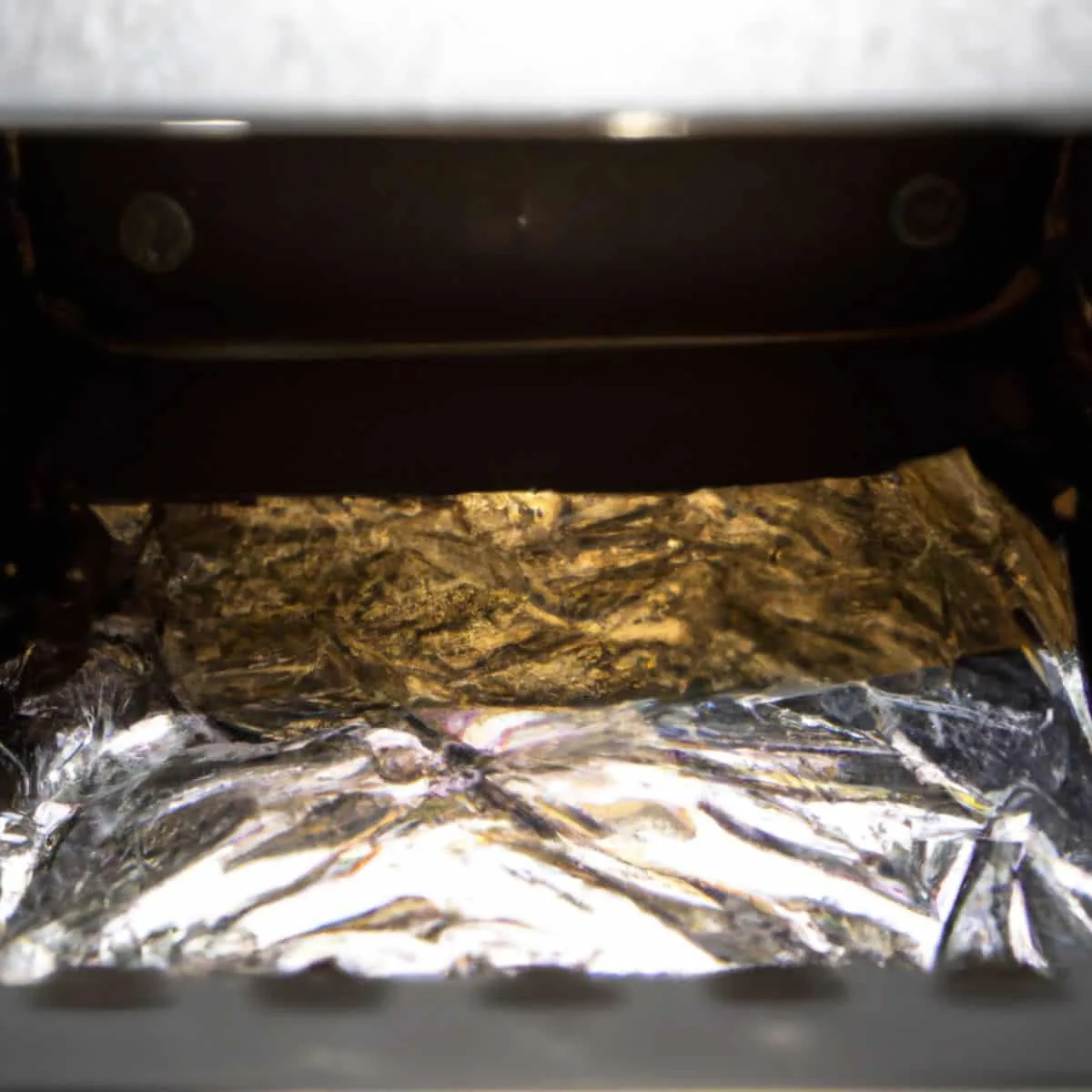
Image source: Bing (Web (fair-use with source credit))
Simple Warm-Ups: Cooked Veggies and Meats
When you just need to warm up leftover roasted vegetables, cooked chicken, or potatoes without changing their texture much, a gentle heat is ideal. You're not trying to crisp them up, just bring them back to serving temperature.
- Best Method: Place food directly on the oven rack or a small baking sheet.
- Temperature: Use a moderate heat, around 300°F (150°C).
- Time: This usually takes 5-10 minutes, just long enough to warm through. Overheating can make cooked items tough or dry.
Step-by-Step: Perfecting Your Toaster Oven Reheat
Once you know what you're reheating, the actual process is pretty straightforward. It’s all about setting the right conditions to bring your leftovers back to their former glory. Think of this as a quick guide to give your food a second life.
Setting the Right Temperature and Time
The temperature and time are the most critical factors for successful reheating. It’s a balance: hot enough to heat through quickly, but not so hot that it burns the outside before the inside is warm. Manufacturer specifications for many popular toaster oven models confirm temperature dial accuracy within a certain range, typically ±25°F (±14°C).
This means you can generally trust the dial, but always keep an eye on your food. For most reheating tasks, temperatures will range from 300°F to 350°F (150°C to 175°C), with times typically between 5 and 20 minutes, depending on the food's density and moisture content.
Rack vs. Baking Sheet vs. Foil
Your choice of surface in the toaster oven matters for how your food reheats.
- Oven Rack: This is ideal for things you want to get evenly heated on all sides, like a slice of pizza or roasted vegetables. The direct air circulation helps crisp up surfaces.
- Baking Sheet: Use a small baking sheet if your food might crumble or drip, like smaller pastries or some fried items. It still allows for good heat distribution.
- Foil: Covering food loosely with aluminum foil is a lifesaver for moist dishes like casseroles or lasagnas. It traps steam, preventing the food from drying out while it heats through. You can remove the foil for the last few minutes if you want to brown the top. For very delicate items that might burn easily, you can even create a small tent of foil to shield them.
Common Mistakes to Sidestep When Reheating
Even with a toaster oven, it’s possible to mess up your leftovers. Being aware of these common slip-ups can save your meal and prevent frustration. Most errors come down to rushing or not paying attention to the food's specific needs.
- Microwaving First: Resist the urge to give a soggy item a quick zap in the microwave before putting it in the toaster oven. This often makes it impossible to regain crispness.
- Overcrowding the Oven: Stuffing too much food into the toaster oven at once means it won't heat evenly. You’ll end up with some parts warm and others still cold. It’s better to reheat in batches if you have a lot.
- Using Too High a Temperature: Blasting food at a super high heat, especially delicate items or those with cheese, can lead to burnt exteriors and cold insides. Start with the recommended temperatures and adjust as needed.
- Not Checking Food: Toaster ovens are small and efficient. What takes 30 minutes in a full-sized oven might only take 10-15 in a toaster oven. Always check your food regularly, especially as you learn your appliance.
- Forgetting About Moisture: Reheating something that’s supposed to be moist (like a saucy pasta dish) without covering it will lead to a dry, unappetizing result. Foil is your friend for these items.
Quick Tips for Toaster Oven Reheating Success
Here are a few tried-and-true bits of advice that make a big difference when reheating food in your toaster oven. These small adjustments can elevate your leftovers from "meh" to "wow."
- Preheat: For most dishes, especially casseroles or larger items, preheating your toaster oven for about 5 minutes is beneficial. It ensures the heat is consistent from the moment the food goes in.
- Small Portions, Shorter Times: If you're just reheating a single slice of pizza or a small portion of vegetables, start with the lower end of the time range and check frequently. Small portions heat much faster.
- Watch the Edges: For foods like pizza or pies, the edges tend to brown and crisp up fastest. Keep an eye on these areas to prevent burning.
- Adjust for Humidity: If you live in a very humid climate, you might find that certain foods don't crisp up as well. You might need to increase the temperature slightly or extend the time a few minutes, always watching closely.
Comparisons and Alternatives to Toaster Oven Reheating
While toaster ovens are excellent for reheating, they aren't the only game in town. Understanding your options helps you choose the best method for different foods and situations. Each alternative has its own strengths and weaknesses.
- Microwave Oven: The undisputed king of speed. It's fantastic for simply warming liquids like soups or sauces, or for dishes where texture isn't a primary concern. However, it often leads to soggy crusts and uneven heating, making it less ideal for pizza or fried items.
- Full-Size Oven: For larger quantities of food, a conventional oven provides more even heat distribution and capacity. It's great for reheating a whole casserole or a large batch of roasted vegetables. The downside is the longer preheating time and higher energy consumption compared to a toaster oven.
- Air Fryer: This is a strong contender, especially for crispy foods. Air fryers excel at making leftovers like fries, fried chicken, or breaded items incredibly crispy. However, they typically have a smaller capacity than toaster ovens and might not be as effective for moist dishes like casseroles.
Who is Each Method Best For?
- Toaster Oven: Perfect for reheating small to medium portions of a variety of foods, especially when crispness is desired. It's energy-efficient and quick for individual meals or small family portions.
- Microwave: Best for speed and convenience when texture isn't paramount, such as reheating beverages, steaming vegetables, or warming up items like rice or pasta for a quick meal.
- Full-Size Oven: Ideal for reheating large batches of food for a crowd, or for dishes that require precise, even baking over a longer period.
- Air Fryer: The top choice for making leftovers crispy again, like french fries, onion rings, or chicken tenders.
Using a Toaster Oven for Reheating: Use Cases
The versatility of a toaster oven makes it suitable for a surprising range of reheating tasks. Beyond just warming up yesterday's dinner, it can bring certain food items back to their intended deliciousness. Thinking about these specific applications can help you maximize your appliance's potential.
- Reviving Pastries: Day-old croissants, danishes, or muffins can be gently warmed in a toaster oven to restore some of their original flaky texture. A low temperature and short time are key here.
- Perfecting Pizza Slices: This is a classic use case. Instead of a chewy microwave crust, a toaster oven can reheat pizza to achieve a crispy base and melted, gooey toppings.
- Restoring Crispness to Fried Foods: Leftover fried chicken, calamari, or even breaded fish can regain much of their satisfying crunch. This is where the direct, dry heat of the toaster oven truly shines.
- Warming Sandwiches and Paninis: If you have leftover grilled sandwiches or paninis, a toaster oven can reheat them without making the bread soggy, often even giving it a light crispness.
- Reheating Baked Goods: Cookies, scones, or even small cakes can be gently reheated to improve their texture, especially if they've become a bit stale.
Safety and Considerations for Toaster Oven Reheating
When using any kitchen appliance, especially one that involves heat, safety is paramount. While toaster ovens are generally very safe, there are a few things to keep in mind to prevent accidents and ensure your food is heated properly and safely. Always follow the manufacturer's guidelines for your specific model, as they will have the most accurate information.
- Never Leave Unattended: Always supervise your toaster oven when it's in use, especially when reheating food. Like any oven, there's a risk of overheating or potential fires if food item itself ignites or malfunctions occur.
- Use Oven-Safe Materials: Ensure any dish or container you place inside the toaster oven is certified as oven-safe. This includes glass, ceramic, and certain metals. Never use plastic unless it is specifically labeled for oven use at the temperatures you are employing.
- Watch for Melting Plastic: Some toaster ovens have plastic components. Ensure no plastic parts are in direct contact with heating elements or extremely hot food, as they can melt or release fumes.
- Clearance Around the Unit: Make sure there is adequate space around your toaster oven, both in front and on the sides, for proper ventilation and to prevent heat damage to nearby cabinets or walls. Check your appliance's manual for specific clearance requirements, which often recommend at least 3 inches of space on all sides.
- Cleanliness Prevents Issues: Regularly clean your toaster oven's crumb tray and interior. Accumulated food debris can burn, smoke, and potentially ignite. For cleaning guidance, consult resources like those from the National Institute of Standards and Technology (NIST) on appliance safety and maintenance.
Toaster Oven Maintenance for Optimal Reheating
Keeping your toaster oven in good working order ensures it performs reliably, especially when reheating food. Regular maintenance not only extends the life of your appliance but also contributes to food safety and consistent cooking results. It's a simple process that pays off.
- Clean the Crumb Tray: This is the most frequent task. Slide out the crumb tray and empty it after each use, or at least every few uses. Wash it with warm, soapy water and dry it thoroughly before reinserting. This prevents burnt crumbs from smoking.
- Wipe Down Interior Surfaces: Periodically, wipe down the interior walls and door of the toaster oven. A damp cloth with mild dish soap is usually sufficient. For tougher spots, a paste of baking soda and water can help, but be sure to wipe it all away afterward.
- Clean Racks and Trays: Wash the oven rack and any baking trays that came with your toaster oven. These can typically be washed by hand with soap and water, or sometimes they are dishwasher safe. Check your appliance manual for specific cleaning instructions for these components.
- Check Heating Elements: Occasionally inspect the heating elements for any visible food debris. If you see any, wait for the oven to cool completely and gently wipe them with a soft, dry cloth. Avoid abrasive cleaners on the elements.
Regular upkeep, similar to how you might maintain a wooden cutting board to ensure its longevity and food safety, will keep your toaster oven working efficiently for all your reheating needs. For deeper cleaning or troubleshooting specific issues, referring to your toaster oven’s user manual is always the best first step.
Frequently Asked Questions About Reheating in a Toaster Oven
### How long does it take to reheat food in a toaster oven?
Reheating times vary greatly depending on the food type and quantity, but generally range from 5 to 20 minutes. Crispy items like pizza might take 5-10 minutes at 350°F (175°C), while casseroles may need 15-20 minutes at 325°F (160°C). Always check for doneness.
### Can I reheat food directly on the toaster oven rack?
Yes, for many items like pizza slices, pastries, or cooked vegetables, placing them directly on the oven rack allows for optimal air circulation and crisping. Ensure the food is stable enough not to fall through the rack.
### Is it better to reheat food in a toaster oven or a microwave?
For preserving crispness and texture, a toaster oven is generally much better than a microwave. Microwaves heat food unevenly and can make items soggy. A toaster oven uses radiant heat to warm food and crisp surfaces.
### Should I cover food with foil when reheating in a toaster oven?
Covering food loosely with aluminum foil is recommended for moist dishes like casseroles, lasagna, or enchiladas. This helps trap steam and prevents the food from drying out. You can remove the foil for the last few minutes to brown the top if desired.
### Can I reheat soup in a toaster oven?
While you can reheat soup in a toaster oven if it's in an oven-safe container, it's usually much faster and easier to reheat soup on the stovetop or in a microwave. The toaster oven doesn't offer significant benefits for liquid reheating.