How to Choose a Cutting Board
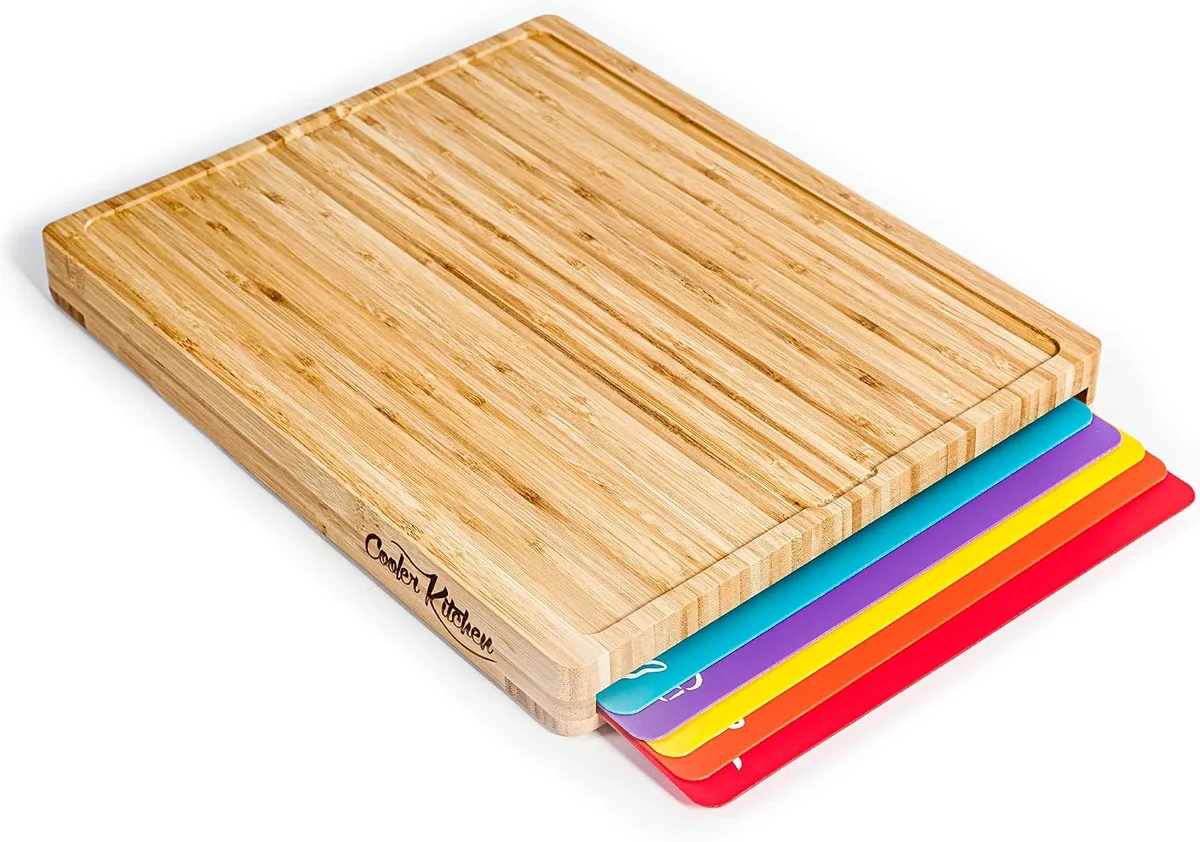
Image source: Bing (Web (fair-use with source credit))
So, you need to figure out how to choose a cutting board that actually works for your kitchen. It's more than just picking a flat surface; the right board can protect your knives, keep things hygienic, and make prep work a joy instead of a chore. Getting this decision right means fewer kitchen frustrations down the line.
Choosing a cutting board involves weighing material properties against your cooking habits. For example, the National Sanitation Foundation (NSF) International provides guidelines for food contact surfaces that highlight the importance of non-porous materials for hygiene. As of 2026, these standards continue to influence best practices in food preparation areas.
Let's explore the options.
Quick Answer
To choose a cutting board, select wood for knife-friendliness and aesthetics. Opt for plastic for easy cleaning and color-coding. Consider bamboo for sustainability.
Think about your primary use and cleaning preferences.
Image source: Bing (Web (fair-use with source credit))
The Cutting Board Choice: What Really Matters?
When you're standing in the kitchen, ready to chop, slice, or dice, your cutting board is the unsung hero. But picking the right one isn't always straightforward. It's a tool that directly impacts your knives, your food safety, and even your workflow.
Getting it wrong can mean dulled blades, a cluttered counter, or a board that just doesn't feel right under your hands.
We're looking for something that balances durability with gentleness, is easy to keep clean, and fits your cooking style. This means considering a few key factors, starting with the material. The science behind materials science, as documented by organizations like the American Society for Materials (ASM International), shows that different substances interact with blades and food contaminants in distinct ways.
Wood vs. Plastic vs. Bamboo: The Big Three Compared
These three materials are the most common you'll encounter when looking for a cutting board. Each has a distinct personality, bringing its own set of advantages and disadvantages to your kitchen counter. Understanding these differences is the first big step in figuring out what will work best for you.
Think of it like choosing cookware: a cast iron skillet isn't the same as a non-stick pan, and they're used for different things. Cutting boards are similar; what's perfect for mincing herbs might not be ideal for carving a Thanksgiving turkey.
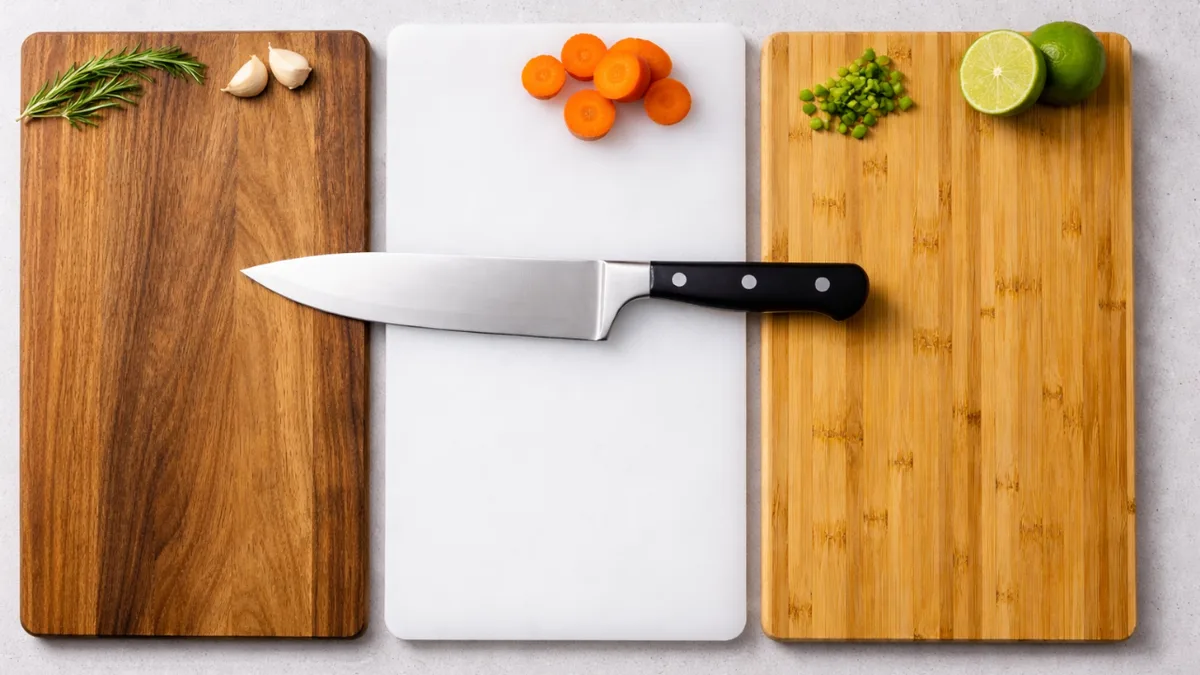
Image source: Bing (Web (fair-use with source credit))
Here’s a quick rundown of what makes each of them tick:
- Wood: This is the classic choice. It's kind to your knife edges, can look beautiful, and has some natural antibacterial properties. However, it requires more care and isn't dishwasher safe.
- Plastic: Super practical, often dishwasher safe, and usually comes in various colors to help prevent cross-contamination. The trade-off is that it's tougher on knives and can harbor bacteria in scratches.
- Bamboo: A more sustainable option, bamboo boards are hard and durable. They offer a middle ground in terms of porosity but can also be tough on knife edges.
The choice here often comes down to prioritizing knife longevity and aesthetics (wood) versus ease of cleaning and hygiene compartmentalization (plastic), with bamboo offering a sustainability angle.
Deep Dive: Wood Cutting Boards (End-Grain vs. Edge-Grain)
Wood is a favorite for many home cooks, and for good reason. It feels substantial, sounds great when you're chopping, and is remarkably gentle on your knife blades. This is crucial because a sharp knife is a safe knife, and a cutting board that dulls your edge quickly makes for a frustrating cooking experience.
But not all wood boards are created equal. The way the wood is constructed matters a lot. The two main types are end-grain and edge-grain, and understanding the difference will help you pick the right wooden board.
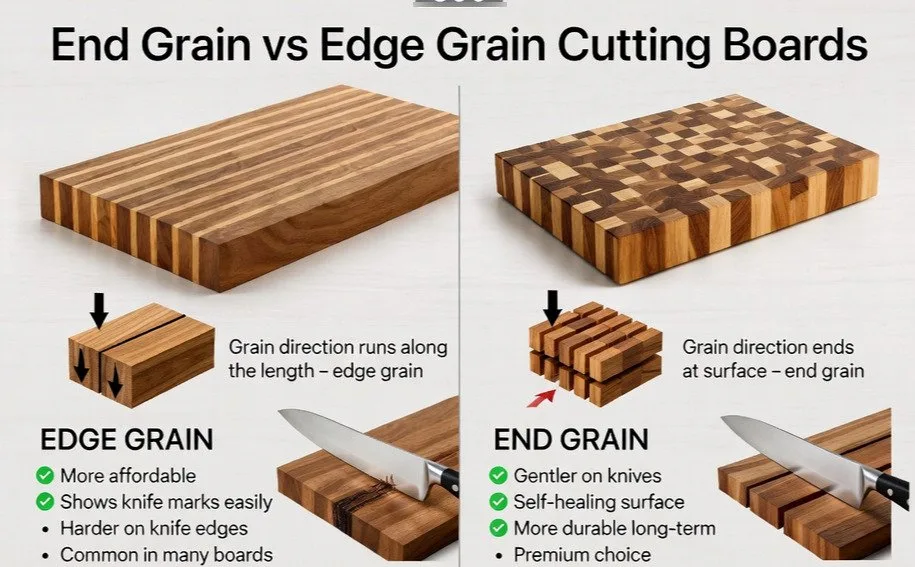
Image source: Bing (Web (fair-use with source credit))
End-Grain Wood Boards
These are often considered the top tier for wood cutting boards. They're made by gluing blocks of wood together so that the wood grain runs vertically, perpendicular to the cutting surface.
- How it works: When your knife blade hits the surface, it actually slides between the wood fibers rather than cutting through them. Think of it like slicing through a bundle of straws standing on end. This "self-healing" property means knife marks tend to close up over time, which helps keep the board looking good and less prone to harboring bacteria in deep grooves.
- Benefits: Exceptionally gentle on knife edges, superior self-healing properties, often visually striking.
- Drawbacks: Usually more expensive and heavier than edge-grain boards, requires regular oiling and proper hand washing.
Edge-Grain Wood Boards
Edge-grain boards are made by gluing strips of wood together so the grain runs horizontally, parallel to the cutting surface. These are more common and generally less expensive than end-grain boards.
- How it works: Your knife still cuts into the wood, but it's slicing across the grain. While still much better for your knives than plastic, it's not quite as forgiving as end-grain. Knife marks are more likely to be visible and persistent.
- Benefits: Generally more affordable than end-grain, still looks good and is gentler on knives than plastic.
- Drawbacks: Less gentle on knives compared to end-grain, knife marks are more prominent, also requires regular oiling and hand washing.
When you're choosing between them, if budget and knife care are top priorities, an end-grain board is a fantastic investment. If you want the look and feel of wood but are more budget-conscious, an edge-grain board is still a great choice.
The Practicality of Plastic: Pros and Cons
Plastic cutting boards are a kitchen staple for many, and it's easy to see why. They offer a straightforward, no-fuss approach to chopping and slicing, and their availability in bright colors makes them useful for specific kitchen tasks. They're often the go-to for busy households where quick cleanups are essential.
From a hygiene perspective, plastic boards are frequently recommended by food safety organizations for their non-porous nature, which means they don't absorb liquids or odors as readily as untreated wood. Manufacturer specifications often highlight their resistance to stains and mildew. However, their hardness comes with significant trade-offs for your cutlery.
Pros:
- Dishwasher Safe: This is a huge advantage for many. You can toss them in the dishwasher for a thorough sanitizing cycle, which is a major convenience. This aligns with best practices for food service sanitation, where high-temperature washing is key.
- Non-Porous: They don't easily absorb liquids, so they're less likely to retain food odors or stains compared to some wood varieties.
- Color-Coding: Available in a rainbow of colors. This is incredibly useful for preventing cross-contamination. You can assign a specific color to raw meats, another for poultry, one for fish, and so on, ensuring you don't transfer harmful bacteria.
- Lightweight and Affordable: Generally easy to handle and very budget-friendly.
Cons:
- Tough on Knives: The hard plastic surface can dull your knife edges significantly faster than wood. This means you'll be sharpening your knives more frequently.
- Scratches Easily: Over time, knife marks will inevitably appear. These shallow grooves can become breeding grounds for bacteria if not cleaned and sanitized meticulously after every use.
- Can Stain and Scuff: Certain foods, like turmeric or beets, can leave permanent stains, and repeated use can lead to visible scuff marks.
If ease of sanitization and kitchen organization through color-coding are your main concerns, plastic boards are a practical choice. Just be prepared for the extra knife maintenance and the eventual need to replace them as they wear down.
Bamboo: The Eco-Friendly Contender
Bamboo cutting boards have gained popularity as a more sustainable option for the conscious kitchen. Since bamboo is a fast-growing grass rather than a slow-growing tree, it's often seen as a greener choice for home goods. They offer a hard, durable surface that can look quite sleek on your countertop.
From a material science perspective, bamboo is a dense lignocellulosic material. Its natural hardness means it can offer good resistance to stains and odors, a benefit shared with some wood types. However, this very hardness can present challenges for your knife collection.
Pros:
- Sustainability: Bamboo is a rapidly renewable resource, making it an attractive choice for environmentally aware consumers.
- Durability: The material is naturally hard and resilient, able to withstand regular use.
- Relatively Low Porosity: Compared to some softer woods, bamboo can be a bit more resistant to absorbing liquids and odors.
- Aesthetic Appeal: Many bamboo boards have a clean, modern look that complements various kitchen styles.
Cons:
- Hardness on Knives: This is a significant consideration. Bamboo is quite hard, meaning it can dull your knife edges more quickly than softer woods like maple or cherry.
- Glue Construction: Many bamboo boards are made by gluing together numerous strips of bamboo. The quality of the glue and the manufacturing process can affect the board's longevity and stability.
- Hand-Wash Only: Like most wooden boards, bamboo boards are not suitable for dishwashers, as prolonged exposure to water and heat can cause them to warp or split.
- Potential for Splintering: In some cases, lower-quality bamboo boards can splinter over time, creating an undesirable surface for food preparation.
Bamboo boards represent a compromise for many. They offer a more eco-friendly profile than traditional woods and a natural aesthetic. If you opt for bamboo, it’s wise to use a sharp knife and perhaps invest in a good knife sharpener to keep your blades in top condition.
It's also important to check manufacturer recommendations for proper care to maximize its lifespan.