How to Disinfect Cooking Utensils
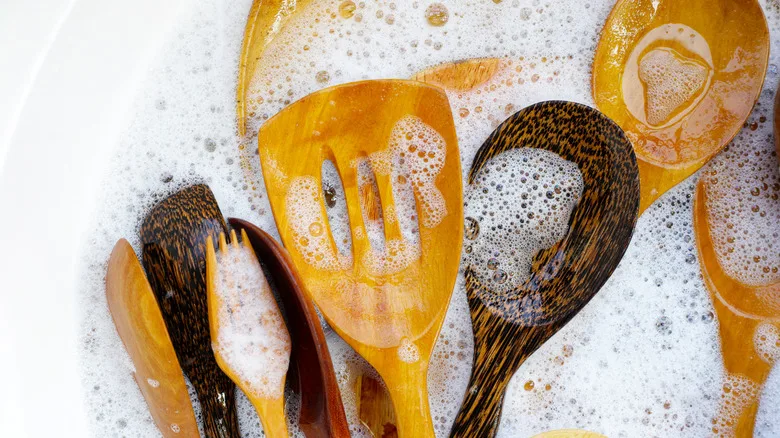
Image source: Bing (Web (fair-use with source credit))
Keeping your cooking tools clean is one thing, but truly disinfecting them is vital for preventing foodborne illnesses. If you've ever wondered how to kill off invisible germs on your spatulas, knives, and spoons, you're in the right place. We'll break down the most effective methods to ensure your kitchen is as safe as it is delicious.
Ensuring proper disinfection means more than just a quick scrub. It involves using the right temperatures and techniques to eliminate harmful bacteria and viruses. For example, manufacturer specifications for many dishwashers indicate that a heated drying cycle can reach temperatures around 150°F (65°C), which aids in sanitization.
Quick Answer
Disinfect cooking utensils by washing them in hot, soapy water at or above 110°F (43°C) and air drying completely. For tougher jobs, use a dishwasher with a sanitize cycle. Boiling utensils in water for at least one minute offers another effective disinfection method.
Always follow specific guidance for chemical sanitizers, using a solution like 1 tablespoon of unscented bleach per gallon of cool water.
Why Disinfecting Cooking Utensils Matters More Than You Think
You might be diligent about washing your dishes after every meal, but that doesn't always guarantee they're germ-free. Disinfecting goes beyond removing visible food particles; it's about actively killing microscopic pathogens like E. coli, Salmonella, and Listeria. These bacteria can easily transfer from contaminated utensils to your food, potentially leading to unpleasant and even serious food poisoning.
Think of it as an essential safety net for your kitchen.
Proper disinfection is a cornerstone of safe food handling practices. By eliminating these harmful organisms, you protect yourself and anyone you cook for from sickness. This is especially crucial when dealing with raw meats, poultry, and seafood, which are common sources of dangerous bacteria.
Your Go-To Disinfection Methods: A Practical Guide
There are several reliable ways to disinfect your cooking utensils, ranging from simple everyday practices to more intensive methods. The best approach often depends on the type of utensil and the urgency of the situation.
Hot Water & Soap: Your Everyday Kitchen Hero
This is your primary defense for daily cleaning. Combining hot water with a good dish soap works wonders for removing both visible grime and a significant amount of germs.
- Temperature is key: Aim for water that's at least 110°F (43°C). If you can comfortably keep your hands in it, it’s likely hot enough, but hotter is generally better for germ-killing.
- Rinse and dry: After washing, rinse thoroughly with clean water. Letting your utensils air dry completely on a clean rack or towel is crucial. Damp environments encourage germ growth, so complete dryness is your friend.
The Dishwasher: A Sanity Powerhouse
If you have a dishwasher, you've got one of the most effective tools for disinfecting your kitchenware. Dishwashers are designed to use high temperatures and strong detergents.
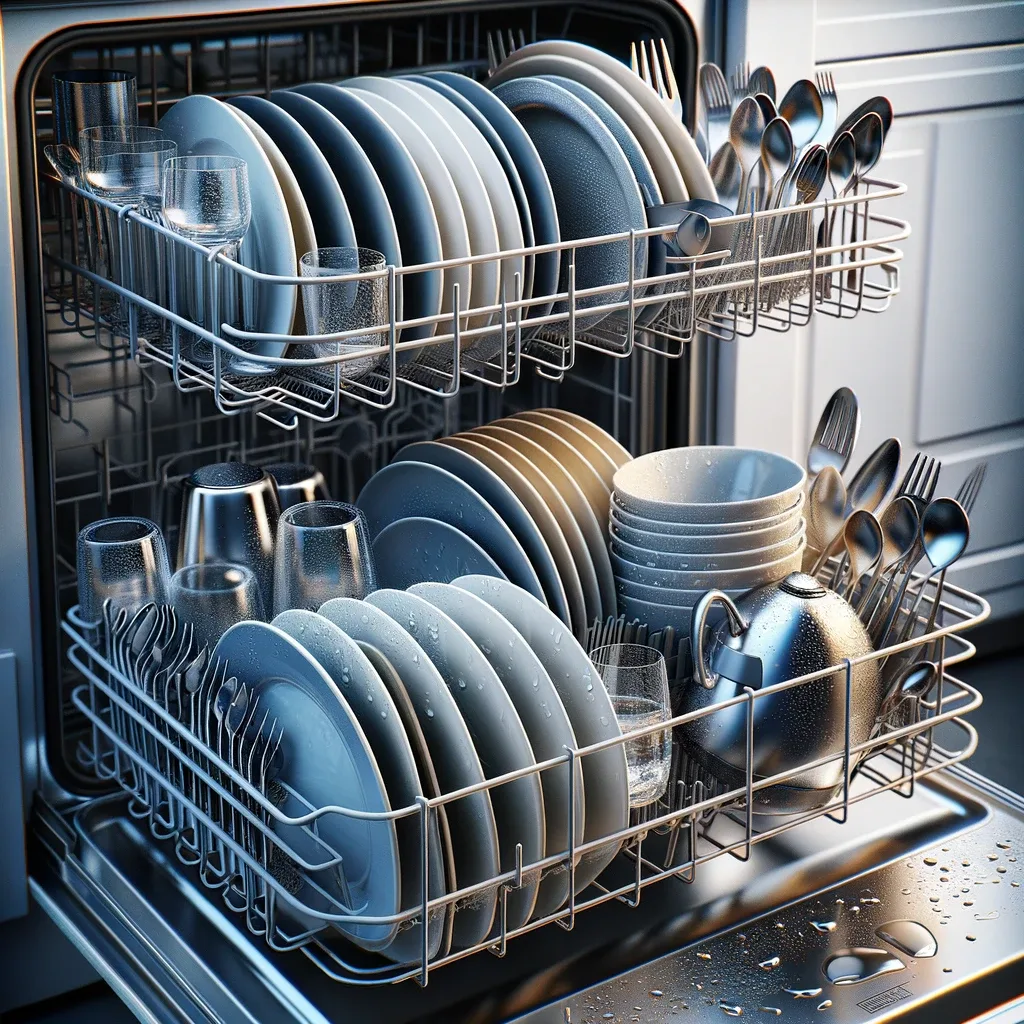
Image source: Bing (Web (fair-use with source credit))
- High-heat cycles: Many dishwashers have a "sanitize" option that uses even hotter water, often exceeding 150°F (65°C). Manufacturer specifications confirm these cycles are designed to meet specific germ-killing standards.
- Heated drying: Even without a specific sanitize cycle, the heated drying feature in most dishwashers helps to kill remaining bacteria. For the best results, ensure your dishwasher's water heater is functioning correctly.
Boiling: For When You Need Serious Assurance
Boiling is an ancient and highly effective method for disinfecting heat-resistant utensils. It’s a straightforward process that leaves little room for error when done correctly.
Image source: Web (Bing) / ar.inspiredpencil.com (Web image (fair-use with source credit))
- The process: Simply submerge your utensils in a pot of boiling water. Let them boil for at least one minute to ensure thorough disinfection. For added peace of mind, you can boil them for up to ten minutes.
- What works: This method is excellent for metal spatulas, whisks, and spoons. Be cautious with wooden utensils, as prolonged or repeated boiling can eventually cause them to warp, crack, or degrade.
Chemical Sanitizers: For Specific Situations
When you're dealing with high-risk items, such as those that have come into contact with raw meat, poultry, or seafood, chemical sanitizers offer an extra layer of protection. These are readily available and effective when used according to instructions.
- Common options: Unscented household bleach is a widely recommended and accessible sanitizer. Commercial kitchen sanitizers are also available.
- Bleach solution guidance: A common and effective ratio for a bleach solution is 1 tablespoon of unscented bleach mixed into one gallon of cool water. This mixture is often cited by public health organizations as sufficient for sanitizing food-contact surfaces.
- Contact time is critical: Always follow the product’s label directions for the required contact time. Sanitizers need to sit on the surface for a specific duration to effectively kill germs.
- Rinse after sanitizing: After using a chemical sanitizer, it's typically necessary to rinse the utensils with clean water before they come into contact with food again. Always check the product’s instructions for proper rinsing procedures.
Which Utensils Need the Most Attention?
While it's good practice to disinfect all your cooking tools regularly, some items demand extra diligence. These are typically the ones that come into direct contact with raw animal products or have surfaces where bacteria can easily hide.
- Raw Meat, Poultry, and Seafood Tools: Any utensil that touches these ingredients, knives, cutting boards, tongs, spatulas, bowls, needs thorough disinfection. These foods are primary carriers of dangerous bacteria like Salmonella and E. coli.
- Cutting Boards: Whether made of wood or plastic, cutting boards can develop tiny grooves that harbor bacteria. Regular disinfection is essential, especially after cutting raw meats.
- Knives: The sharp edges and blades of knives can create micro-tears in surfaces and can also be difficult to clean fully without proper attention.
- Spoons and Tasting Utensils: If you taste food while cooking, especially when raw ingredients are involved, the utensil used for tasting should be disinfected afterward.
Wood vs. Plastic vs. Metal: Understanding Material Differences
The material of your cooking utensils can influence how you approach disinfection and how well they hold up over time. Each type has its own strengths and considerations.
- Metal Utensils: These are generally the most durable and easiest to disinfect. They withstand high heat well, making them perfect for boiling or high-temperature dishwasher cycles. Their smooth, non-porous surface means germs have fewer places to hide.
- Plastic Utensils: Most plastic utensils are dishwasher safe, but it’s important to check their heat ratings. Over time, plastic can develop scratches and nicks, which can harbor bacteria that are difficult to remove even with thorough cleaning. If plastic items show deep scoring, it's often best to replace them.
- Wooden Utensils: Wood is porous, which can make it more challenging to disinfect completely compared to metal or some plastics. While boiling can disinfect wood, repeated exposure to high heat and moisture can damage it. For regular cleaning, hot, soapy water followed by thorough air drying is usually sufficient. Some wood care products, like food-grade mineral oil, can help maintain the wood and reduce its porosity over time.
Common Mistakes to Avoid for Real Kitchen Safety
Even with the best intentions, a few common slip-ups can compromise your disinfection efforts. Being aware of these pitfalls can help you maintain a truly hygienic kitchen environment.
- Relying only on rinsing: A quick rinse isn't enough to remove most bacteria. Proper washing with hot water and soap, or a specific disinfection method, is necessary to kill germs.
- Not drying utensils completely: Leaving utensils damp after washing or rinsing creates a breeding ground for mold and bacteria. Always ensure they are thoroughly dry before storing them.
- Using dirty dishcloths or sponges: A soiled dishcloth can spread more germs than it removes. Wash dishcloths frequently in hot water or replace sponges regularly.
- Cross-contamination: This happens when germs from raw food transfer to clean surfaces or other foods. Always use separate cutting boards and utensils for raw meats and ready-to-eat foods, or disinfect thoroughly between uses.
- Ignoring manufacturer instructions: For dishwashers and chemical sanitizers, always follow the specific guidelines provided. Incorrect concentrations or contact times can render them ineffective.
Expert Tips for Keeping Your Utensils Germ-Free
Beyond the basic methods, a few pro tips can elevate your kitchen hygiene. These practices are often used in professional kitchens to maintain the highest standards.
- Separate your cleaning tools: Use different sponges or brushes for raw meat preparation versus other kitchen tasks. This helps prevent cross-contamination.
- Check your dishwasher’s heat: Ensure your dishwasher’s heating element is working correctly, especially if you rely on its sanitizing capabilities. Some models allow you to test the water temperature manually.
- Consider a dedicated sink: If possible, having a separate sink for washing raw produce can further reduce the risk of contamination from other kitchen activities.
- Regularly inspect utensils: Look for deep scratches, cracks, or worn areas on plastic or wooden utensils. These can harbor bacteria and are hard to disinfect properly. Replace them when they show significant wear.
- Don't forget the handles: Often, the handles of utensils are touched more frequently than the functional part. Ensure handles are scrubbed and disinfected as thoroughly as the rest of the utensil.
Frequently Asked Questions About Utensil Disinfection
How long should I boil utensils to disinfect them?
You should boil utensils in water for at least one minute to effectively disinfect them. For extra assurance, you can extend this to ten minutes.
Is it okay to use scented bleach for sanitizing?
No, it's crucial to use only unscented household bleach for sanitizing food contact surfaces. Scented varieties can leave behind residues that may be harmful if ingested.
Can I just soak utensils in hot water?
Soaking in hot, soapy water helps clean utensils, but it doesn't guarantee disinfection on its own. For actual germ elimination, you need higher temperatures (like boiling or a dishwasher's sanitize cycle) or a proper chemical sanitizer.
How often should I disinfect my cooking utensils?
Disinfect cooking utensils daily, especially those that come into contact with raw meat, poultry, or seafood. For less critical uses, regular hot water washing after each use is usually sufficient, with disinfection being a more targeted practice.