How Does an Exercise Bike Work
Ever wonder how an exercise bike works? It's simpler than you think. You push pedals, a weighted wheel spins, and a resistance system makes it harder.
That circular effort turns into a solid low-impact cardio session.
Manufacturer specifications reveal the full story. A typical home bike uses a 5 to 25 kg flywheel driven by a belt or chain, and a magnetic or felt-pad brake controls the load. As of 2026, belt-drive magnetic models dominate the mid-range because they run quiet and need little upkeep.
Let's walk through the parts and how they work together.
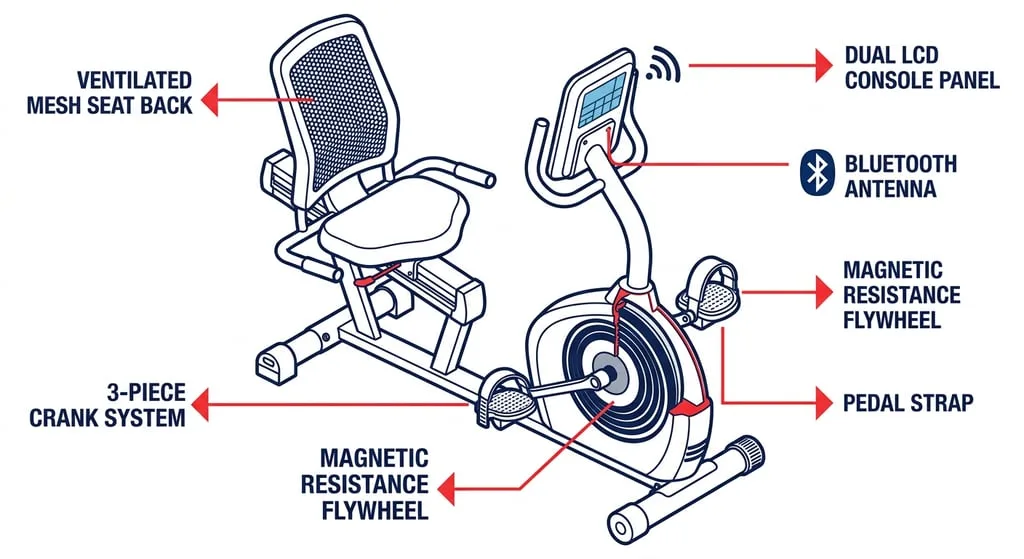
Image source: Bing (Web (fair-use with source credit))
Quick Answer: The 30-Second Version
An exercise bike converts your pedal power into rotary motion. A belt or chain spins a flywheel. A resistance system controls how hard that wheel turns.
Heavier resistance makes your muscles work harder. Your heart rate climbs, and you get a solid workout.
How An Exercise Bike Works: The Visual Breakdown
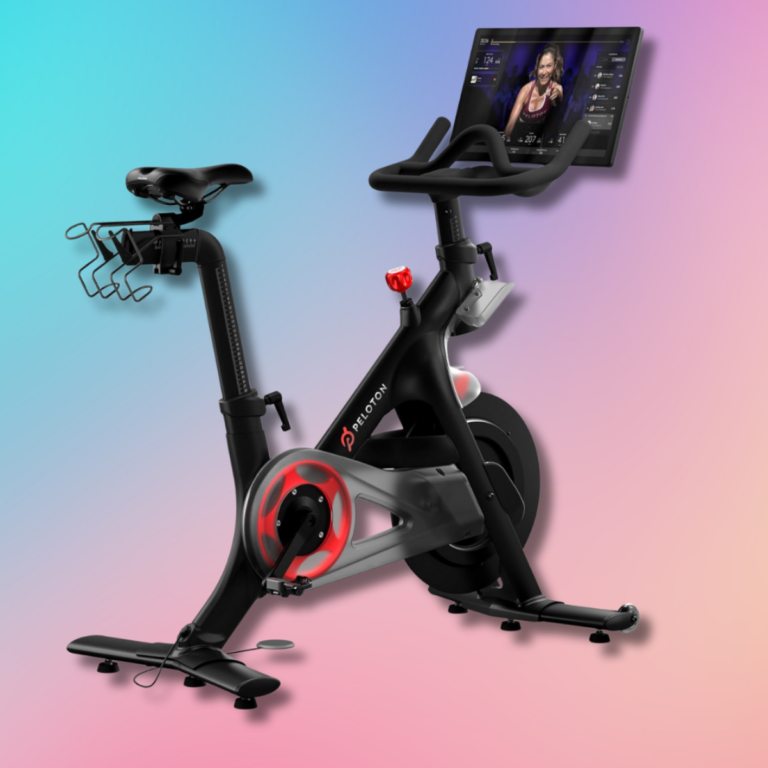
Picture the bike turned on its side. Your feet sit on pedals attached to crank arms. The crank arms spin a bottom bracket spindle.
A chainring or pulley on that spindle moves a belt or chain.
The belt wraps around the flywheel sitting inside the main frame. The key visual cue is the brake. It presses against the flywheel, or hovers just above it.
You turn a knob to increase drag. More drag means more resistance. The flywheel's weight smooths out the pedal stroke.
In a cutaway diagram, the drivetrain is always drawn first. Follow the line from pedal to crank to belt to flywheel. That's the whole system.
Rowing machines use a similar flywheel, but with a pull motion instead. If you want to compare the two, check the mechanics of a rower.
Inside The Bike: Flywheel, Drivetrain, And Resistance
The drivetrain doesn't change much between bike styles. Upright, recumbent, and spin bikes all share the same core parts. Once you know what to look for, you'll spot them instantly.
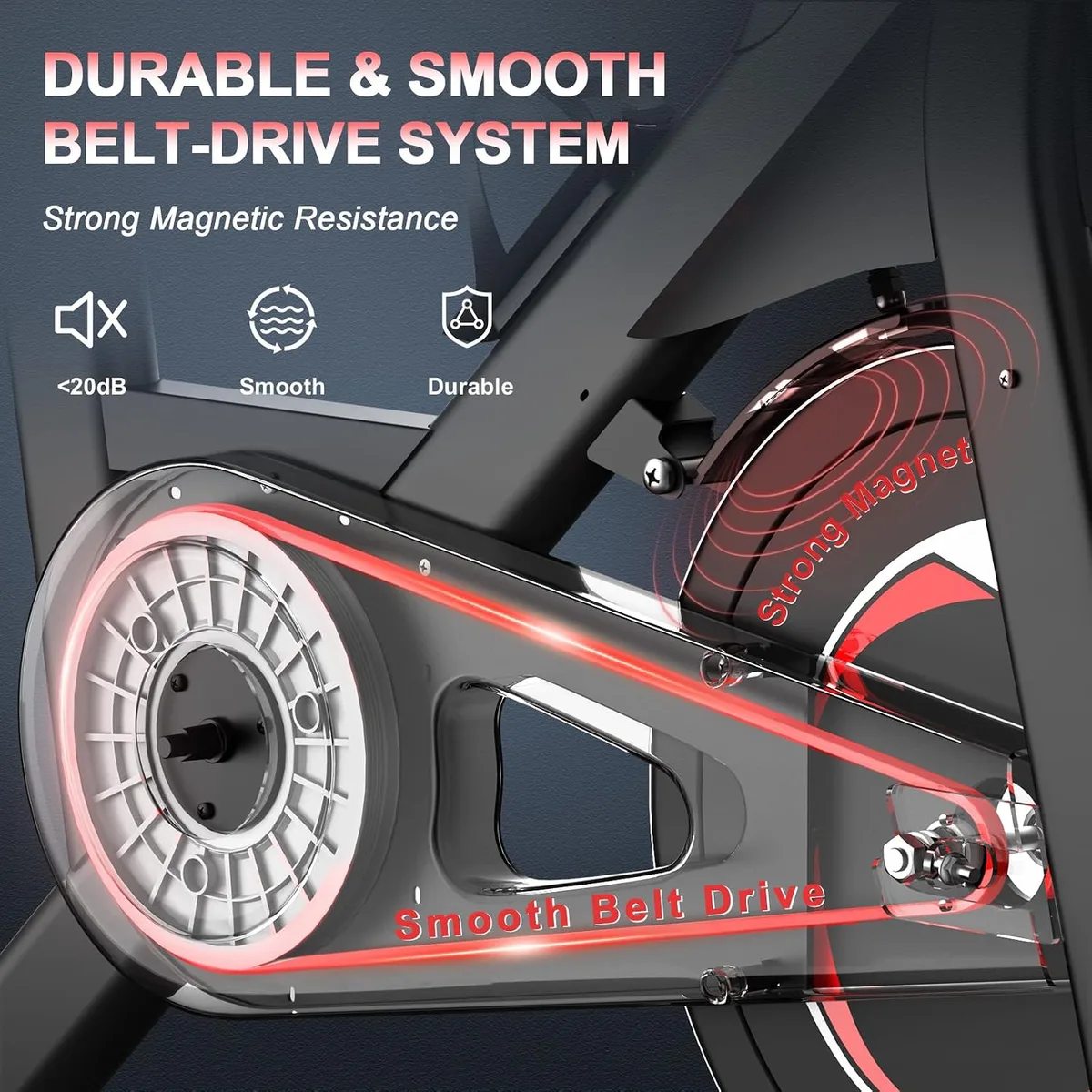
Image source: Bing (Web (fair-use with source credit))
Where The Motion Starts: The Crank And Pedals
Your foot pushes the pedal, and the crank arm turns the bottom bracket. That motion spins the chainring or pulley. A freewheel clutch lets your feet stop moving while the flywheel keeps rolling.
On a fixed-gear spin bike, the pedals keep moving with the flywheel until you brake.
Why The Flywheel Actually Matters
The flywheel's weight stores rotational energy. That's what stops the pedals from feeling jerky. Light flywheels, around 5 kg, create a stutter at the top and bottom of the stroke.
Heavier wheels, 10 to 25 kg, feel smooth and intentional.
Belt Drive vs Chain Drive: What Changes
Belt drives are the quieter choice. They run smooth, need no lubricant, and last a long time. Chain drives feel more like a road bike, but they wear and need regular care.
As of 2026, most home bikes ship with belts.
How Resistance Systems Change The Pedal Feel
The resistance system is what makes the pedals heavier. It does that by creating drag against the flywheel. How it works changes the feel, the sound, and the amount of maintenance you'll deal with.
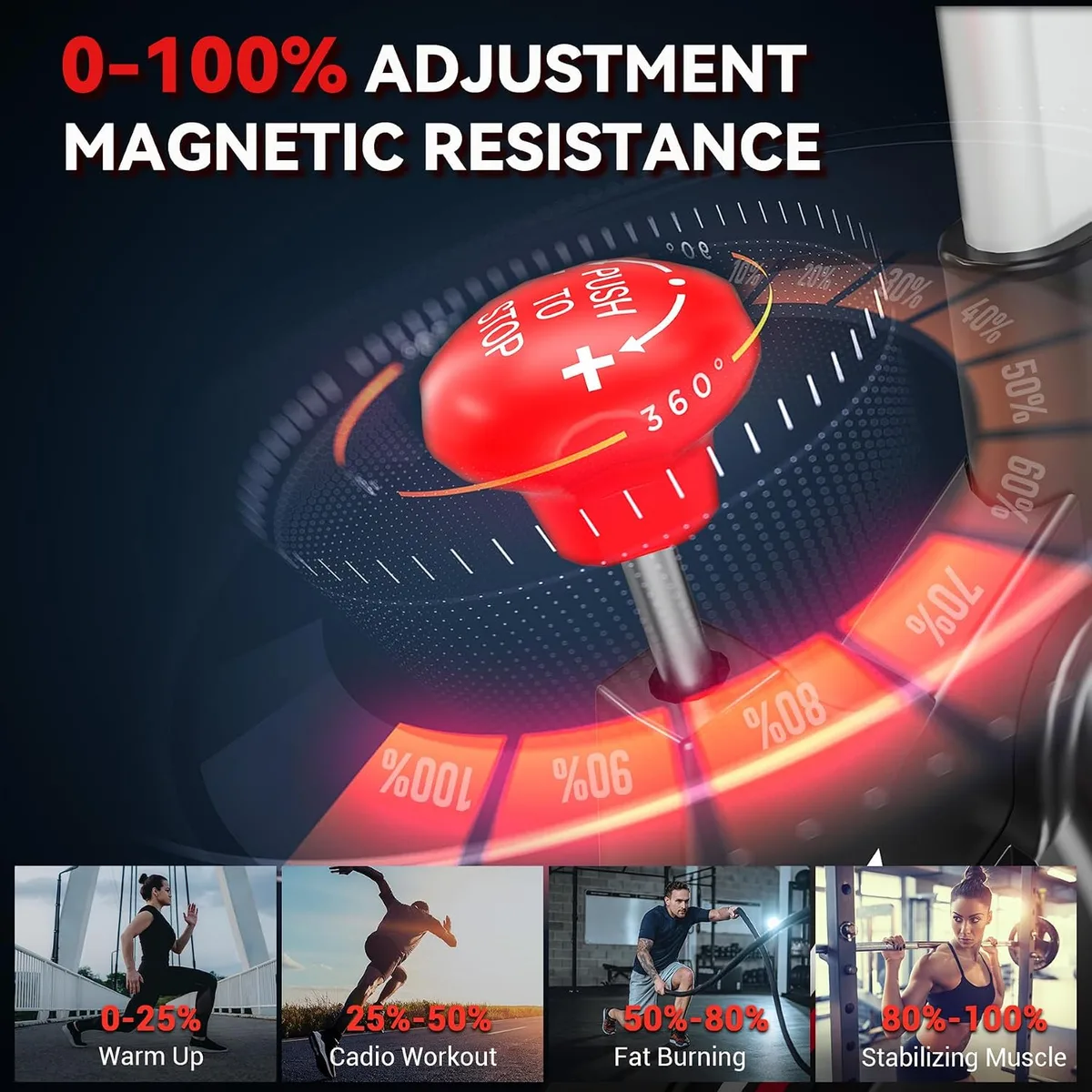
Image source: Bing (Web (fair-use with source credit))
Magnetic Resistance: Smooth And Quiet
Magnetic brakes use magnets near the flywheel. The magnets never touch the spin surface. You get the same quiet, smooth feel you'd find on air and magnetic rowers, though the motion is different.
No friction means no pad wear, no dust, and very little noise. This is the most common system on home bikes today. If you're curious about how rowers compare, the difference between air and magnetic rowers is worth a look.
Felt Pad Resistance: Classic Spin Bike Feel
Felt pads press directly onto the flywheel. A knob tightens the pad, and you feel instant mechanical resistance. That's the classic spin studio feel.
The downside is wear. Pads are consumables and need replacing, usually after a year or two of regular use.
Direct-Drive vs Wheel-Mounted: What To Look For
Direct-drive bikes attach the belt or chain right to the flywheel. Wheel-mounted designs spin a separate wheel, with the flywheel on the same axle. Direct-drive feels smoother and reads wattage more accurately.
Wheel-mounted bikes are often cheaper and still fine for casual riding.
Bike Frame Types: What The Visual Differences Actually Mean
The frame type sets your body position. That's the first thing you notice visually. It changes comfort, muscle use, and how much space the bike takes up.
If you're weighing your options, the footprint of a rower is a common point of comparison.
Upright Bikes
Upright models put you in a road-bike position. Knees go down, hands reach forward, and the frame stays small. They're the most common type for home fitness.
You can also stand on the pedals for a harder push.
Recumbent Bikes
Recumbent bikes lean you back. Your legs reach forward instead of down. The wide seat and backrest make them comfortable for people with back pain.
They take up more floor space than uprights.
Indoor Cycling / Spin Bikes
Spin bikes look like race bikes stuck to a frame. You sit forward, hold drop bars, and push a heavy flywheel. Most have direct-drive systems and fixed gears.
They're built for intense intervals and long rides.
| Frame type | Body position | Best for |
|---|---|---|
| Upright | Seated, legs down | General fitness, small spaces |
| Recumbent | Reclined, legs forward | Back pain, beginners, low impact |
| Spin | Forward lean, race-like | HIIT, long indoor rides |
Whichever frame you pick, it counts toward the 150 minutes of moderate exercise the CDC recommends each week.
Common Setup Mistakes And Visual Cues To Check
Most bike issues trace back to a bad fit. A seat that's too low forces your knees to work harder. A seat that's too high makes your hips rock side to side.
Our research shows that proper knee alignment matters more than any fancy feature.
At the bottom of the pedal stroke, your knee should have a slight bend of about 25 to 35 degrees. If your leg fully extends, lower the seat by a few inches. The same fit logic applies to rowers, where a small adjustment changes the whole feel.
Seat Height And Knee Position
Sit on the saddle and place your heel on the pedal at its lowest point. Your knee should lock out comfortably. Switch to the ball of your foot, and you get the right bend.
Check from the side. Your knee should track straight over your second toe. If it caves inward, raise the seat slightly.
Emergency Brake Placement
Most spin bikes have a pull-pin emergency brake. It should sit within easy reach from the handlebars. Double-check before you start a hard interval, especially at high resistance and low cadence.
A stalled pedal mid-sprint isn't a pleasant surprise.
Visual Troubleshooting: How To Spot Wear And Tear
Exercise bikes need less care than treadmills, but they still break down. Most problems show early signs if you look. The fix is usually cheap if you catch it in time.
The same upkeep basics apply to rowers too.
Squeaks, Grinds, And Slipping
A squeak often means the pedals are loose. Grab each pedal arm and check for play at the crank joint. If they move, tighten the bolt or clip.
Slipping on a belt-drive bike usually points to a stretched belt. Some bikes have a tension screw at the rear. Turn it a quarter turn until the slip vanishes.
Grinding suggests a worn bottom bracket bearing. That's a repair shop job unless you're handy.
Worn Resistance Pads
Felt pads are the main consumable on spin bikes. Look for black dust near the flywheel. That's the pad shedding material.
Check the pad thickness against the manual. Most last a year or two with regular rides.
Inaccurate Console Readings
If your cadence seems high or watts look wrong, check the sensor. A small magnet on the flywheel passes a pickup on the frame. Clean the gap between them.
That fixes most display glitches.
Frequently Asked Questions
Does an exercise bike work for weight loss?
Yes, when you use it consistently. A 70 kg person burns roughly 260 to 400 calories in 30 minutes of moderate cycling. Combine that with a calorie-controlled diet, and the results show up fast.
Are heavier flywheels better?
Heavier flywheels feel smoother and more stable. They store more rotational energy, so the pedals don't stall at the top of your stroke. For most people, a 10 to 15 kg flywheel is the sweet spot.
How often should I maintain my exercise bike?
A quick wipe-down after each ride takes seconds. Lubricate the drivetrain every three months on chain-drive models. Belt-drive bikes just need a dusting and checking the tension every six months.
Why does my bike wobble when I pedal hard?
A wobbly bike usually means a loose stabilizer. Check both feet on the frame base. Adjust the leveling caps until the rocking stops.
Can I pedal backwards on an exercise bike?
On most home bikes, yes. It works the opposite muscles, but it doesn't put much load on the flywheel. A heavier flywheel just spins with the pedal motion, so there's little training benefit.