How to Reduce Treadmill Noise
That treadmill thump is driving you crazy. It's also driving your downstairs neighbor up the wall. In this guide, we'll walk you through how to reduce treadmill noise without turning your gym into a soundproofing project.
You'll learn to spot the source, fix it fast, and keep it from coming back.
The problem isn't always obvious. Sometimes it's the belt. Other times it's the motor or the floor itself.
Aggregate reviews and manufacturer specs tell us most treadmills produce between 60 and 90 dB during use. Per ASTM F2115, the standard for motorized treadmills, regular maintenance is the first line of defense. As of 2026, that's still the smartest starting point.

Image source: Bing (Web (fair-use with source credit))
Start With the Diagnosis: Does It Thump, Squeak, or Hum?
Before you spend a dime, figure out what kind of noise you're dealing with. Different sounds mean different fixes. Let the noise tell you where the problem is.
If it thumps with every step, it's impact vibration. That's the sound of your foot hitting the deck, the deck pressing down, and the whole machine transferring that energy into the floor. If it's worse at higher speeds, it's definitely impact.
If it squeaks or squeals, that's friction. The belt is rubbing against the deck, the rollers, or some metal part that needs attention. Squeaks usually point to a lubrication problem or loose hardware.
If you hear a high-pitched whine from the motor area, check the belt tension first; an overtight belt strain the motor.
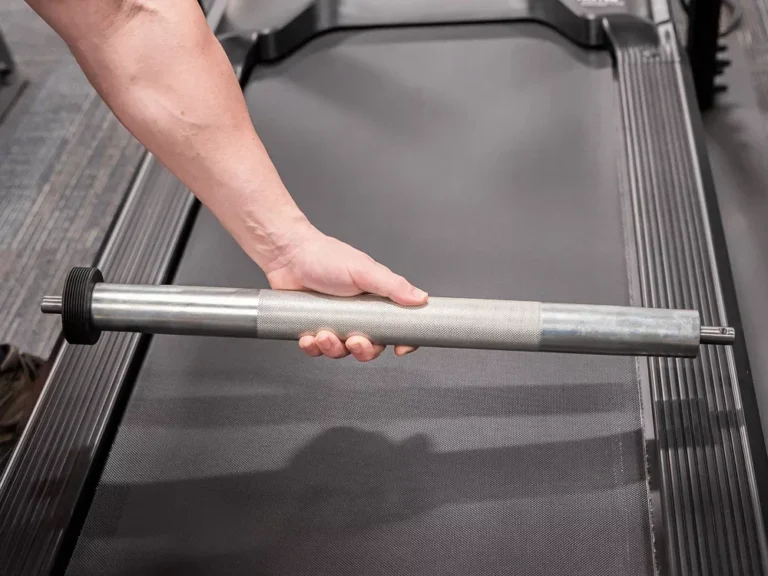
If it hums or buzzes, the motor or rollers are likely involved. A quiet hum is normal. A loud, mechanical hum might mean a worn bearing or dirt buildup inside the motor housing.
Use this simple table to narrow things down:
| Noise type | Most likely cause | Quick test |
|---|---|---|
| Thump | Impact vibration, floor transfer | Walk vs. run to see if it worsens |
| Squeak | Belt friction, dry deck | Lift the belt; apply lubricant |
| Hum | Motor or roller bearings | Run at low speed, listen to the motor |
Think of it like a doctor's visit. You wouldn't treat a broken arm with a cough drop. Same logic here.
Identify the symptom, then choose the cure.
The Placement Branch: Upstairs, Apartment, Carpet, or Concrete?
Your treadmill's location changes everything. If it's in a basement on concrete, the floor absorbs most vibration. If it's on a second-floor bedroom, every step travels through the joists and into the room below.
Let's break it down.
On the second floor: This is the hardest setup. You need both a mat and possibly an underlayment. In older buildings with floor trusses, vibration spreads far.
Many people think a mat alone is enough. It's not the whole story.
In an apartment: Attach nothing to the walls. Be careful about noise complaints. The key is isolating the treadmill from the structure.
A dense rubber mat is your first layer. Add anti-vibration pads under the deck if you can still feel the thump.
On carpet: A treadmill on carpet gets extra cushion but also sits on a spongy surface. That can cause rocking, especially at higher speeds. Use a firm, non-slip mat between the carpet and treadmill.
It stabilizes the unit and stops the carpet from acting like a drum.
On concrete: Concrete doesn't transmit noise as much, but it's hard on joints and the treadmill's shock absorption. A mat still helps with the machine's own noise, but the floor is rarely the culprit here.
One more thing: check if the treadmill is level. Place a spirit level on both the side rails and the deck, front to back. If it rocks side to side, your feet are working overtime.
Leveling feet need to be firmly planted, not just appearing to touch the floor.
The Noise-Fix Workflow: Level, Tighten, Lube, and Adjust
Now we get hands-on. Work through these steps in order, unless a specific diagnosis already told you the cause. Each step takes just a few minutes.
Step 1: Level the treadmill. Loosen the locking nuts on the feet. Adjust each foot until the machine sits rock-solid, then tighten the nuts. Test for rocking by pushing on the handlebars side to side.
Step 2: Tighten loose hardware. Over time, bolts shake loose from the frame, motor mount, and deck. Walk around with a socket set and a wrench, snug everything you can see. Don't overtighten; you don't want to strip threads.
For bearings, a small amount of grease helps, but stick with the right type.
Step 3: Check belt tension. A proper belt lifts about 2 to 3 inches off the deck at the center. Loosen the adjustment bolts at the rear roller and turn them equally. Set the belt to the center, then tighten.
An off-center belt rubs against the frame and causes an annoying hum.
Step 4: Lubricate the belt and deck. This is the number one fix for squeaks. Use the silicone-based lubricant your manufacturer specifies. Under no condition use household oil or grease; it eats the belt over time.
Apply a thin line of lubricant across the top surface of the deck near the front roller. Then run the treadmill at 3 to 5 mph for two minutes so the belt spreads it evenly. This video demonstrates the exact contact point:
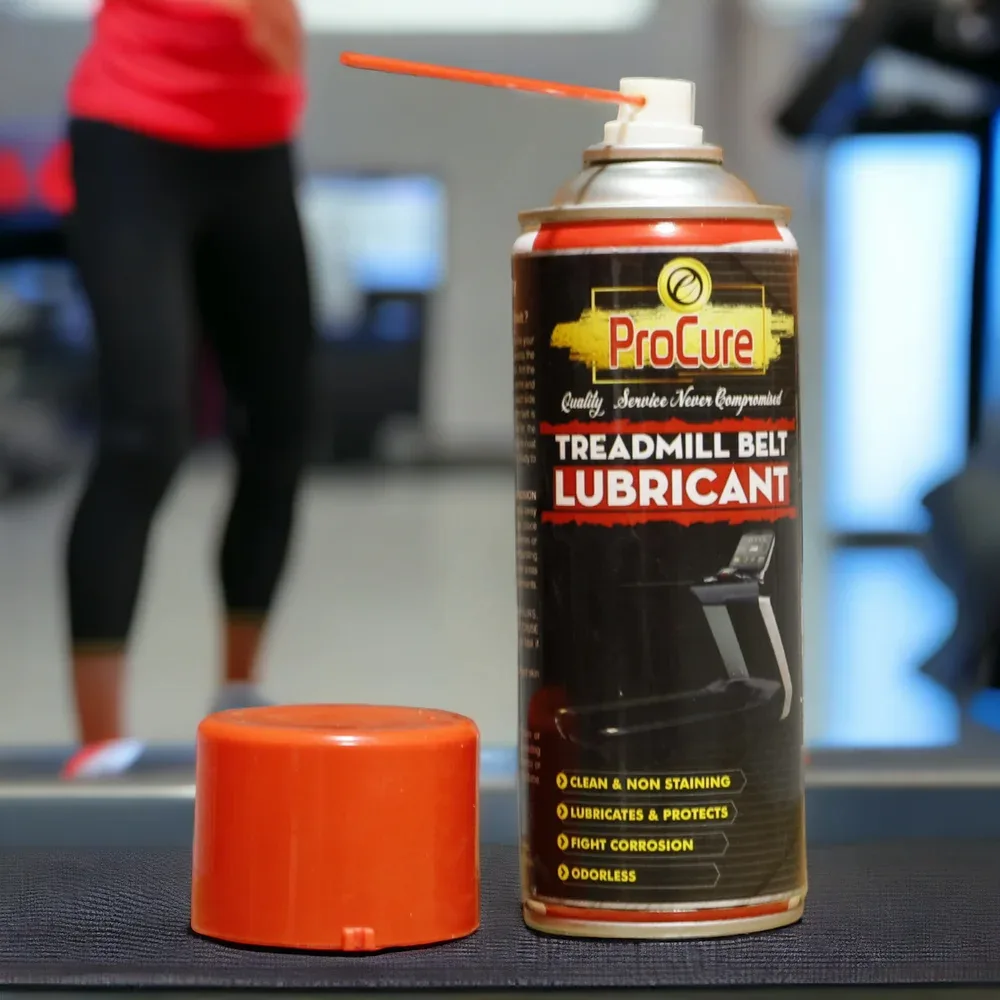
Image source: Bing (Web (fair-use with source credit))
Mats vs. Pads: What Actually Cuts the Noise (and What's a Waste)
Everyone tells you to buy a mat. Not all mats are equal. Let's separate the effective from the overpriced.
Rubber mats are the workhorse. They absorb impact and stop vibration from traveling into the floor. Look for 1/4-inch to 3/8-inch thick, dense rubber.
These are the same materials used in horse stall mats but cut to treadmill size. They last for years and handle heavy equipment well.
EVA foam mats are lightweight and cheap. They feel nice underfoot, but they crush under a treadmill's weight. Once flattened, the vibration goes straight through.
Foam is better for floor protection than sound isolation. For a heavy treadmill, you're wasting your money past a 6mm thickness.
Anti-vibration pads are small, dense blocks that sit under the treadmill's feet. They decouple the machine from the floor. When combined with a rubber mat, they stop both lateral movement and vertical bounce.
They shine on second floors and in apartments with strict noise rules.
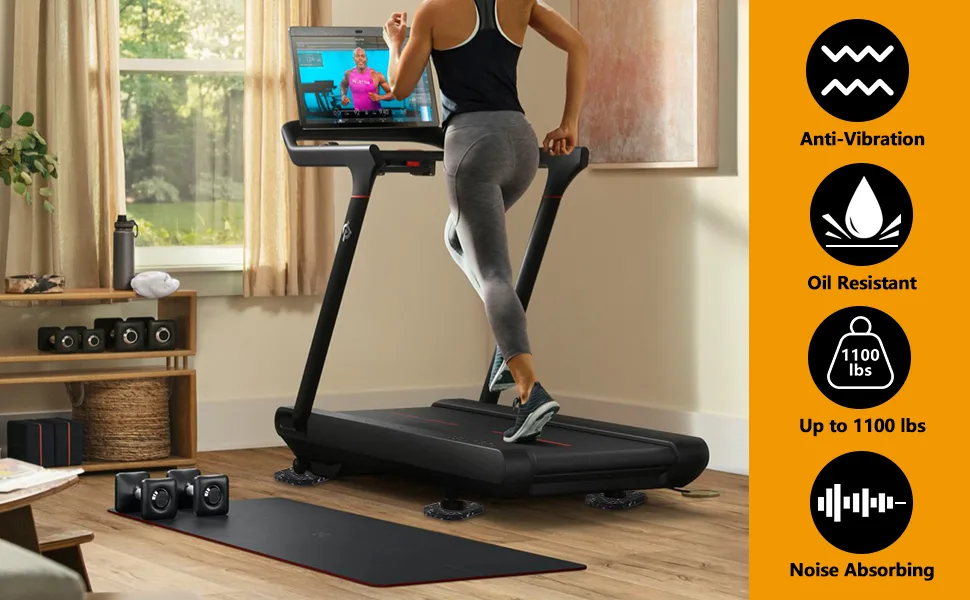
Image source: Bing (Web (fair-use with source credit))
| Solution | Best for | The catch |
|---|---|---|
| Rubber mat (1/4") | Heavy use, impact | Costs more, weighs a lot |
| Foam mat (6mm+) | Light walking, floor scratches | Goes flat under weight |
| Anti-vibration pads | Second floors, apartments | Does nothing for belt noise |
Here's the practical takeaway. Start with a rubber mat. If you still hear thumping from below, add pads at each foot.
Test with a phone dB meter app or just run and ask a friend if the noise dropped. That data point beats guesswork.
Common Mistakes That Keep Treadmills Loud
A lot of people try one fix, give up, and end up running in total silence. Wait, that's not the issue. They give up and live with the noise.
Here are the mistakes we see all the time.
Tightening the belt too much. Yes, a loose belt slips. But an overtightened belt puts pressure on the motor bearings and creates a high-pitched whine. You should be able to lift the belt a couple inches in the middle.
If you can't, you went too far.
Using the wrong lubricant. WD-40 is not a treadmill lubricant. It evaporates and leaves a sticky residue. Grease attracts dust and ruins the deck over time.
Only use silicone-based lubricants designed for treadmills.
Changing speeds right after lubrication. The lubricant needs time to spread. Run the belt at low speed for 2 to 3 minutes without any weight. Ramping up immediately can create uneven friction and cause weird noises.
Ignoring the power cord. A stiff or misaligned power cord can vibrate against the frame. It's a tiny buzz that's easy to miss. Check that the cord hangs freely and doesn't touch the motor cover.
Forgetting about the deck itself. After a few years, the top surface of the deck wears down. No amount of lubrication fixes a scuffed, dry board. If replacement on the low end costs $100 to $200, and your treadmill is quiet for a few more years, it beats the cost of a new machine.
Inspect where the belt rides; if it feels rough and catches your fingernail, replace it.
You'll never hit zero decibels, and you don't need to. Getting the sound down to a level where below you someone can watch TV, that's a solid win. At this point, we've covered diagnosis, placement, the fix workflow, and the pad difference.
You have the tools to tackle most treadmill noise issues right now. Quiet runs are close.
Treadmill Noise FAQs: Quick Answers to the Usual Questions
Does a treadmill mat really reduce noise?
Yes, but only for impact noise. A thick rubber mat absorbs the shock of each foot strike and stops that vibration from passing through the floor. It does nothing for belt squeaks, roller hums, or motor whines.
Those need lubrication and hardware fixes instead.
How often should I lubricate my treadmill belt?
Most manufacturer manuals recommend every 3 to 6 months. If you run more than 10 hours a week, lean toward the 3-month mark. A dry belt causes friction, which creates that loud squeal and can damage the deck over time.
Use only silicone-based treadmill lubricant.
Why is my treadmill loud when running but quiet when walking?
That's impact vibration, not a mechanical failure. Each running stride forces the deck down and transfers energy into the floor. A 1/4-inch rubber mat combined with anti-vibration pads usually fixes it.
If the sound also worsens with speed, you're on the right track.
Can I use soundproofing foam under my treadmill?
No, acoustic foam panels are for absorbing echo, not for holding weight. A treadmill will crush them flat within weeks. That leaves zero cushioning and a mess of broken foam.
Stick with dense rubber matting for floor isolation.
The Final Decision Guide: Your Quiet-Treadmill Action Plan
Follow this flow in order. Start simple and add only what your machine actually needs.
Step 1: Diagnose the sound. Thump means impact, squeak means friction, hum means motor or rollers. Match your fix to that symptom and skip anything unnecessary.
Step 2: Fix the floor base. Level the treadmill feet first so it sits rock-solid. In an apartment or on a second floor, lay down a 1/4-inch rubber mat. Add anti-vibration pads under each foot if the thump persists after that.
Step 3: Maintain the belt. Check the tension by lifting the belt 2 to 3 inches at the center. Lubricate it every 3 to 6 months with silicone lube. Tighten any loose frame bolts with a wrench while you're down there.
Step 4: Test after each change. Run at your normal speed and listen. Ask someone in the next room to compare the noise before and after. A phone dB meter app gives you a solid number to track.
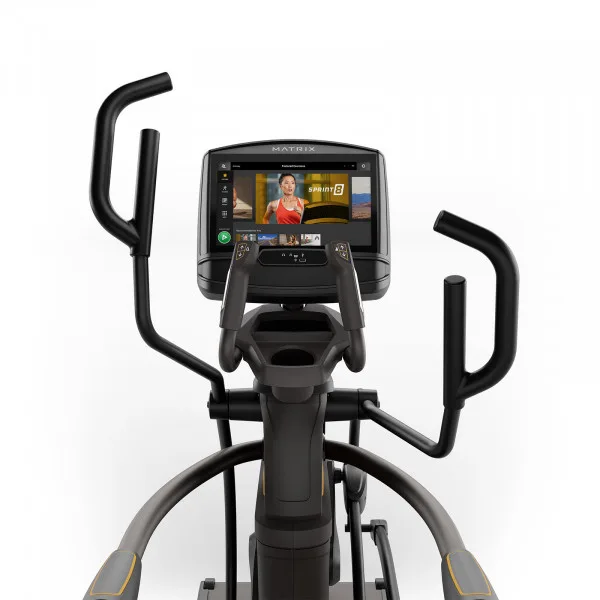
Step 5: Know when to replace parts. A worn deck or dead motor bearing defeats every fix above. Replacing the deck costs far less than a new treadmill, so don't give up early. For other home gym equipment, see how the problem differs on an elliptical machine that's squeaking.
Most loud treadmill issues come down to three things: a dry belt, loose hardware, or poor floor isolation. Work through the steps cheaply and systematically, and you'll bring that noise down without turning your home gym into a bunker. If the thump still won't quit, consider whether a quieter machine like a rower or elliptical is the better long-term fit.
A decision between an elliptical and a rowing machine might surprise you.