Why Is My Treadmill Overheating
You're here because you're wondering why is my treadmill overheating. That's fair, because a hot machine can be scary. Most of the time, it's not one dramatic failure.
It's a buildup of small problems working together.
Manufacturer specifications show most home treadmills use motors rated between 1.5 and 3.0 continuous horsepower. Those ratings assume clean belts and good airflow. As of 2026, almost every treadmill on the market relies on a thermal overload switch to protect the motor.
Once heat passes that limit, the machine stops on purpose.
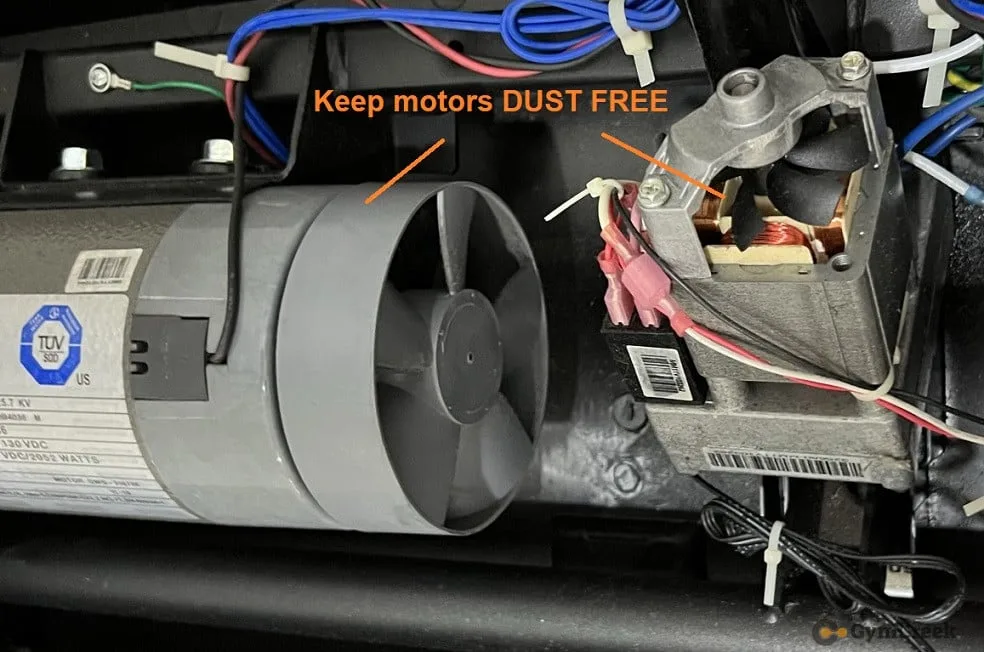
Image source: Bing (Web (fair-use with source credit))
The Quick Answer: Why Your Treadmill Is Overheating
Your treadmill overheats when the motor works harder than it should. That usually means belt friction, a dry deck, or blocked airflow. Check the running belt first.
Then look for dust in the motor compartment. Fix those and most overheating stops.
How Treadmill Heat Builds Up: Motor Load, Belt Friction, and Airflow
A treadmill has one main heat source: the motor. The motor turns the front roller, which moves the running belt over the deck. Friction happens wherever moving parts touch.
A tight belt, a dry deck, or worn bearings all add extra resistance. The motor then draws more current to keep the belt moving. That extra current creates heat.
The deck itself matters too. Most decks have a low-friction top layer that needs silicone lubricant. When that layer dries out, the belt drags.
Motor strain goes up, and so does the temperature.
Airflow is the other half of the story. Treadmills pull cooling air in through vents, usually on the motor cover or side panels. Dust, pet hair, and carpet fuzz clog those vents over time.
A clogged motor compartment traps heat inside. That's when the thermal overload switch trips.
Image source: Bing (Web (fair-use with source credit))
Treadmill duty cycles are tied to the motor's continuous horsepower rating. Peak motor output is fine for sprints and hills. But sustained max load with poor airflow is a recipe for overheating.
This is also a reminder that routine upkeep matters for home cardio machines. A treadmill shares that same maintenance mindset.
Match Your Symptoms: The Overheating Decision Tree
Different overheating signs point to different causes. Match your symptom below, then follow that branch.
Branch 1: Burning Smell or Hot Motor Area
If you smell burning rubber or electrical plastic, stop the workout. Unplug the machine. A hot motor area usually means the drive belt is slipping or the motor bearings are worn.
Let it cool for 30 minutes, then inspect the motor compartment for melted wires or dark marks.
Branch 2: Belt Drags, Slipping, or Hesitating
If the running belt feels stiff, skips, or hesitates when you step, the belt tension is often too tight. Tight belts squeeze the front roller bearings and increase motor load. Loosen the tension bolts a quarter turn at a time.
The belt should lift about 2 to 3 inches off the deck in the middle.
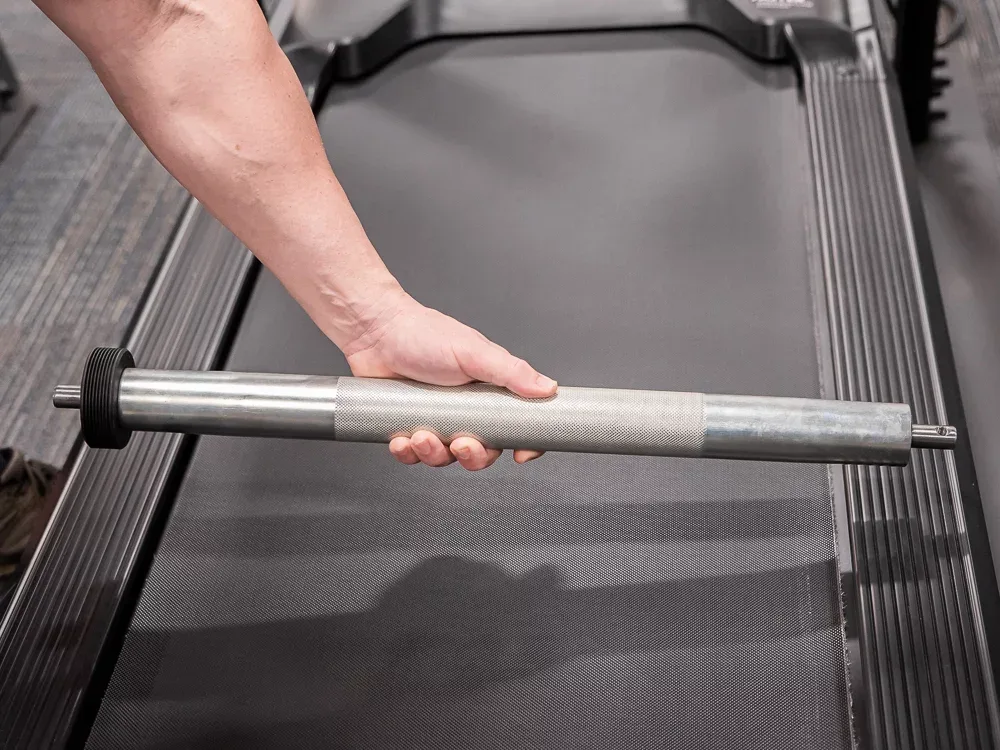
Image source: Bing (Web (fair-use with source credit))
A dry deck causes the same symptom. Lubricate per your manual's schedule.
Branch 3: Sudden Shutdown or Error Code on Display
If your treadmill cuts out mid-run, the motor controller likely hit its thermal limit. This usually follows a long workout in a warm room. Let the machine cool completely.
Check for clogged vents before starting again. If it keeps tripping, the motor controller may need replacement.
Branch 4: Runs Fine, But the Room Feels Unbearably Hot
If the machine runs smoothly but radiates heat, the motor is still working harder than average. Check for high belt tension and a dry deck. Look at room temperature too.
Treadmills need airflow around them, so don't push one against a wall.
A hot motor sounds different from a dry-roller squeak on an elliptical. If you've dealt with that, you already know the drill.
Step-by-Step Troubleshooting: What to Check in Order
Follow this sequence. It goes from the safest and most common causes to the less common ones.
- Unplug the treadmill. Wait 20 minutes for it to cool.
- Check belt tension. Lift the center of the belt. It should rise 2 to 3 inches.
- Check belt tracking. It should run centered without rubbing the side rails.
- Lubricate the deck if it's dry. Use the silicone lube your manual recommends.
- Inspect the motor area. Vacuum dust from the vents, motor fan, and controller.
- Check the drive belt. Look for cracks, glazing, or looseness.
- Test the machine on low speed with no incline for 5 minutes.
| Step | What to look for | Why it matters |
|---|---|---|
| Belt tension | 2 to 3 inches of lift | Too tight adds motor load |
| Belt tracking | Centered on deck | Rubbing adds friction |
| Lubrication | Silky, not sticky | Dry deck creates drag |
| Motor compartment | No dust buildup | Blocked airflow traps heat |
| Drive belt | No cracks or fraying | Slipping creates burning smell |
Use an infrared thermometer if you have one. A deck temperature above 120°F after a short run is a warning sign. Normal decks stay cooler.
Never open the motor cover while the treadmill is plugged in. The motor controller stores electrical charge even after shutdown. If you're unsure, call a qualified service technician.
U.S. treadmills fall under Consumer Product Safety Commission guidance for electrical safety and recalls. Check for open notices before doing deep repairs.
The same logic applies to keeping home gym machines dust-free. A clean machine is a cooler machine.
Mistakes That Make Treadmill Overheating Worse
Some good intentions make the problem worse. Avoid these.
- Over-tightening the running belt. This loads the motor and front roller bearings.
- Skipping lubrication because the belt looks fine. Friction isn't visible.
- Using the wrong lubricant. Water-based or oil-based household products can ruin the deck. Use treadmill-safe silicone lube.
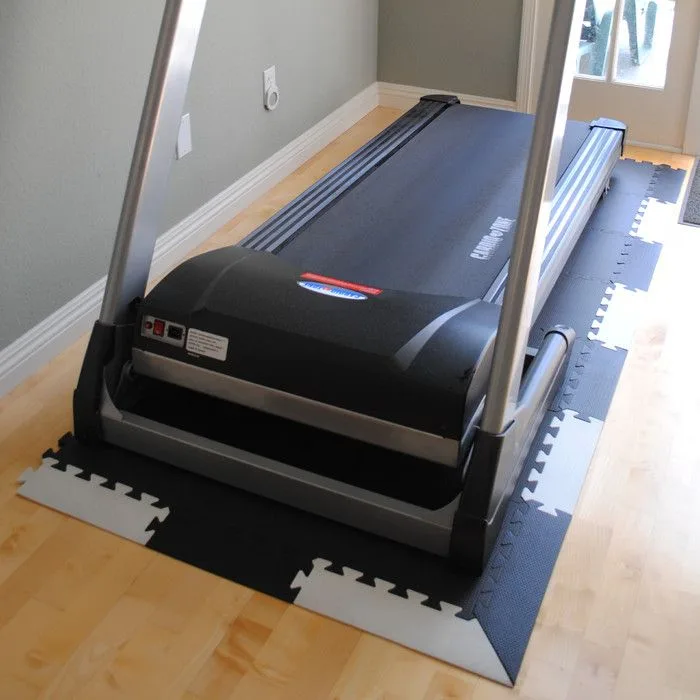
- Blocking the motor vents with machines or mats. Airflow is everything.
- Restarting immediately after the thermal overload trips. Let the motor cool first.
- Running at max speed and incline for the entire workout. That's the harshest load a motor can face.
Treadmills and ellipticals both punish neglect. If you already know the annoyance of a squeaky exercise machine, you have experience with this. The habit of checking a machine before you use it is central to long cardio workouts on an elliptical.
It applies here too.
Another mistake is comparing a home treadmill to a commercial one. They have different motors, different duty cycles, and different durability. Know your machine's limits, just like you'd weigh cardio equipment trade-offs before you buy.
Safety First: When to Unplug and Call a Technician
Stop immediately if you see smoke, sparks, or a melted power cord. Unplug the treadmill from the wall and leave it unplugged. These are clear signs of an electrical short inside the motor or controller.
The motor controller stores electrical charge even after the machine is off. Capacitors hold enough voltage to hurt you, so never open the motor cover unless a certified technician is doing the work. In our research, most treadmill fires trace back to frayed wiring or a failed controller, not the running belt itself.
Call a technician when you find:
- Burnt or melted wires around the controller
- A scorched smell on the motor housing
- A thermal overload switch that trips within minutes
- Recurring error codes on the display console
Check the CPSC recall database for your model if you notice recurring electrical issues. DIY work is fine at the surface level. Cleaning vents, adjusting belt tension, and lubricating the deck are safe.
Anything deeper should go to a service technician.
A pro repair visit runs $100 to $200, and a replacement motor controller costs $150 to $400 in parts. That's a small price compared to the damage a stalled, overheating motor can do.
Preventing Overheating: Lubrication, Cleaning, and Maintenance Schedules
The best fix for overheating is a maintenance habit. Lubricate the running deck every 3 to 6 months or after roughly 150 miles of use. Use only 100% silicone treadmill lubricant.
Water-based or petroleum products can damage the deck's low-friction layer.
Clean the motor compartment monthly. Vacuum the vents, the motor fan blades, and the area around the drive belt. A nozzle attachment on a shop vac works well for this.
Weekly checks take less than two minutes. Lift the belt in the center to confirm it rises 2 to 3 inches off the deck. Wipe down the side rails and confirm the belt stays centered.
Listen for any grinding or squeaking from the front roller.
Room placement matters more than people expect. Keep the treadmill 2 to 3 feet from walls on all sides. Avoid placing it near heating vents or in direct sunlight.
The room should stay below 75°F during workouts for ideal cooling.
| Task | When | Time needed |
|---|---|---|
| Lubricate deck | Every 150 miles or 3-6 months | 10 minutes |
| Vacuum motor vents | Monthly | 5 minutes |
| Check belt tension | Weekly | 1 minute |
| Full motor inspection | Annually | 30 minutes |
This routine is the cheapest insurance you can buy. A $15 bottle of silicone lube costs far less than a $200 service call.
Treadmill Overheating FAQs
How hot should a treadmill motor get during normal use?
A treadmill motor housing can reach 120°F to 150°F on hard runs. That feels warm but not painful. If the motor cover hurts to touch after five minutes, you have an overheating problem.
Stop and check the vents and belt tension.
Can I use WD-40 to lubricate my treadmill deck?
No. WD-40 is a solvent and degreaser, not a belt lubricant. It evaporates quickly and leaves the deck dry.
That dryness creates the exact friction you're trying to fight. Use a 100% silicone treadmill lubricant instead. Check your owner's manual for the correct amount.
Why does my treadmill shut down after 20 minutes?
Your thermal overload switch is doing its job. After 20 minutes at speed, the motor hits its temperature ceiling. The causes are usually a tight belt, a dry deck, or clogged motor vents.
Lubricate the deck, loosen belt tension slightly, and clean the vents before running again.
Why does my treadmill smell like burning rubber?
A burning rubber smell means friction. The running belt might be rubbing against a side rail. Or the drive belt is slipping on the motor pulley.
Unplug the machine and inspect both belts. Realign the running belt, or replace the drive belt if it's cracked or glazed.