How Much Electricity Does a Treadmill Use
How much electricity does a treadmill use? It's a fair question, especially when you look at that thick power cord and think about your monthly utility bill. The good news is that a treadmill is one of the most affordable cardio machines to run.
Per the U.S. Energy Information Administration, the average American residential electricity rate is about 16 cents per kilowatt-hour as of early 2026. A typical home treadmill draws 300 to 700 watts.
That works out to a few cents per workout. Let's break down exactly what your specific machine will pull.
Quick Answer: What a Treadmill Really Draws (and What It Costs)
A typical home treadmill uses between 300 and 700 watts. That's about 0.3 to 0.7 kilowatt-hours (kWh) for each hour of running.
At the average U.S. rate, that's roughly 5 to 11 cents per hour. Use it five times a week, and you're looking at $10 to $25 per year on your electricity bill.
The exact number changes with your motor size, your weight, and your workout intensity. The math is straightforward once you know the two key numbers.

Image source: Bing (Web (fair-use with source credit))
What Actually Determines Your Treadmill's Power Appetite
Think of your treadmill's power use like a car's gas mileage. It depends on the engine and how you drive. Three main factors determine the actual draw from your wall outlet.
Motor Specs: CHP vs Peak Horsepower
Motor size is the biggest factor. Look for Continuous Horsepower (CHP), not "peak" or "treadmill horsepower" (which is often inflated).
A light-use walking treadmill might have a 1.5 CHP motor. A serious running machine will be 3.0 CHP or higher. Manufacturer specs indicate a 2.0 CHP motor will typically draw between 400 and 500 watts at a steady pace.
Your Workout Habits: Speed, Incline, and Body Weight
The motor works harder when you do. Running at 7 mph uses more electricity than walking at 3 mph. Adding a 10% incline significantly increases the load.
A heavier user requires more force from the belt, which means the motor draws more power. That extra resistance can increase electricity use by 10 to 20% compared to a lighter runner at the same speed.
Belt Friction and Maintenance Condition
This is the hidden power drain. A dry, unlubricated belt creates friction. The motor has to strain to overcome it, pulling more electricity.
Regular cardio equipment upkeep is key. Keeping the belt clean and properly lubricated can improve efficiency and reduce that unnecessary power draw. It also prevents the motor from overheating.
How to Calculate Your Exact Electricity Cost in 15 Minutes
Don't rely on averages. You can get your real number with a quick process. All you need is your treadmill's specs and a simple tool.
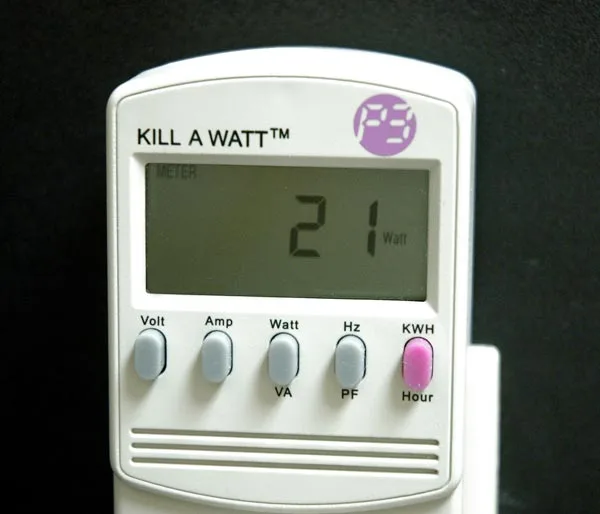
Image source: Bing (Web (fair-use with source credit))
Step 1: Find the Motor Nameplate Specs
Look for a sticker on the motor frame or the back of the console. It will list the motor's voltage (V) and amperage (A). The formula for watts is volts times amps.
For example, a common spec is 120V and 5A. That's 600 watts. This is a good baseline estimate for your machine's draw under load.
Step 2: Measure Real Draw with a Watt Meter
This is the most accurate method. Plug a plug-in power monitor, like a Kill A Watt meter, into the wall. Then plug your treadmill into the meter.
Turn the treadmill on and run it at your usual workout pace. The meter will show you the actual wattage being drawn in real time. This accounts for your weight and workout style.
Step 3: Do the Math: Watts to kWh to Dollars
Take the wattage from your meter and divide by 1,000 to get kilowatts. Multiply that number by your workout time in hours. That gives you kWh used.
Now, check your electricity bill for your rate per kWh. Multiply your kWh by that rate. For example, 0.6 kWh used times $0.16 per kWh equals $0.096, or about 10 cents.
Step 4: Don't Forget Standby Power
Even when it's "off," many treadmills draw a small amount of power. The console display or safety key mechanism can pull 1 to 5 watts continuously. Unplugging it completely eliminates this phantom load.
Treadmill vs Elliptical vs Bike: Where the Cost Falls
How does your treadmill stack up? Other cardio machines have different power needs based on their motors and resistance systems.
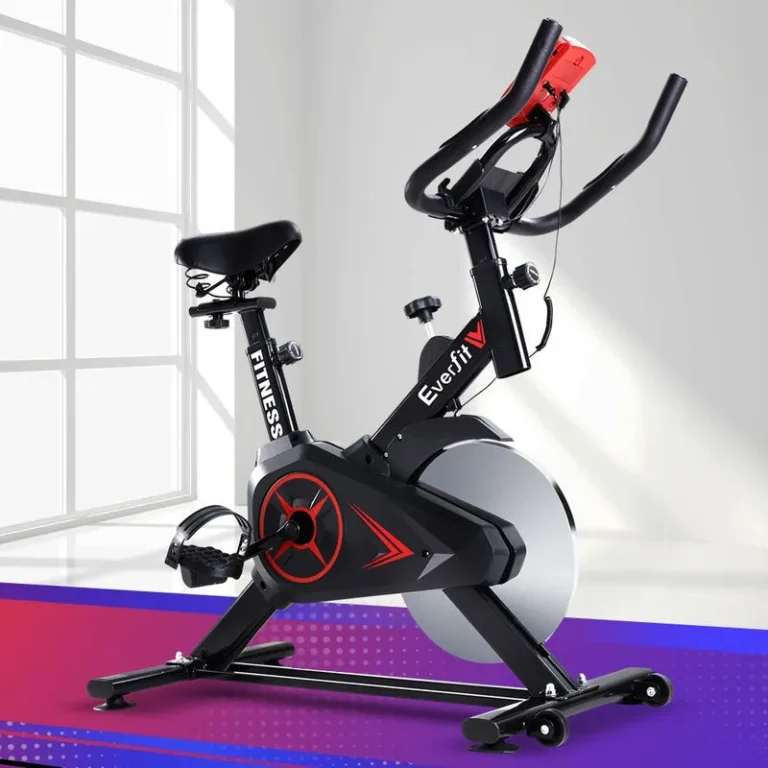
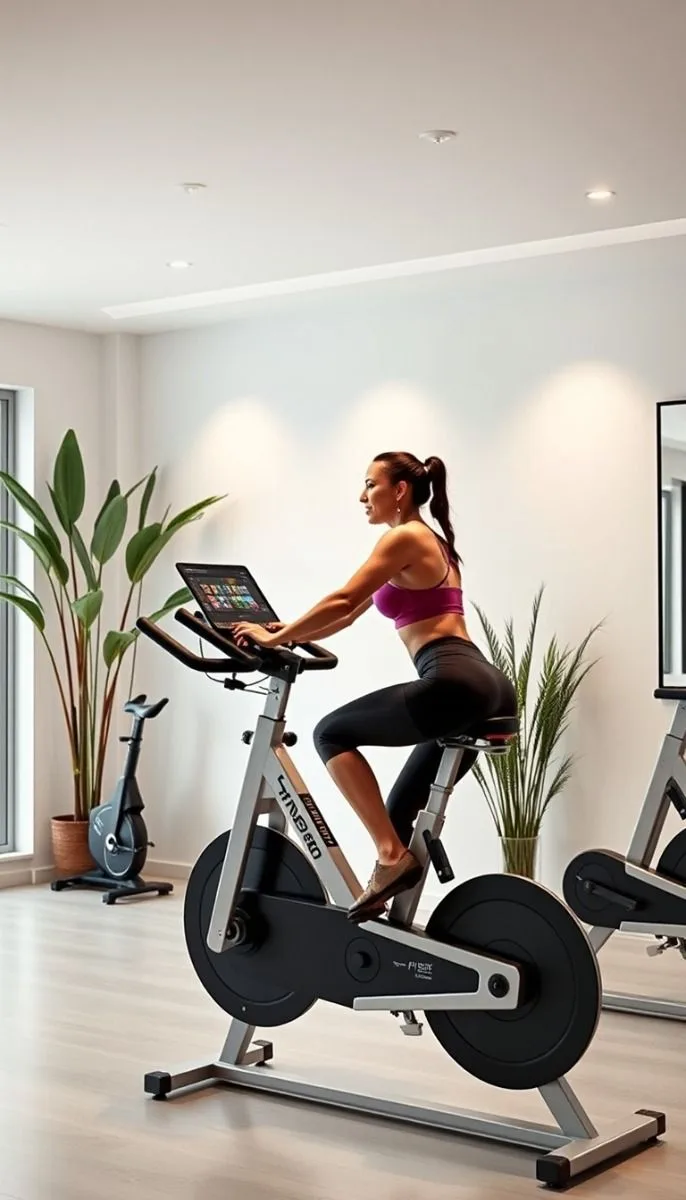
Generally, treadmills with powerful drive motors draw the most. Ellipticals and bikes often use lower-wattage motors or magnetic resistance, which can be more efficient. If you're comparing these machines, our guide on the difference between an elliptical and an exercise bike covers their mechanics, which affects energy use.
Here's a typical wattage comparison:
| Machine Type | Typical Wattage During Use | Common Power Draw Factor |
|---|---|---|
| Motorized Treadmill | 300 to 700 W | Drive motor, incline, user weight |
| Elliptical Trainer | 100 to 300 W | Electromagnetic resistance, console |
| Stationary Bike | 100 to 250 W | Magnetic resistance, console |
| Rowing Machine | 50 to 150 W | Air or magnetic resistance |
An elliptical with a self-contained generator (no plug needed) uses zero electricity. For a deeper look at those benefits, see if elliptical machines are worth it for your goals. If you're weighing a rower as well, you can see how ellipticals and rowing machines compare on power draw.
The Real Risks: Tripped Breakers, Overloaded Outlets, and Fire Hazards
Power draw isn't just about cost. Incorrect setup creates real safety risks. Treadmills are high-draw appliances.
Most home treadmills require a standard 120-volt, 15-amp circuit. The U.S. National Electrical Code (NEC), published by the National Fire Protection Association, sets the requirements for outlet ratings.
Plugging a treadmill into an overloaded circuit is a primary cause of tripped breakers.
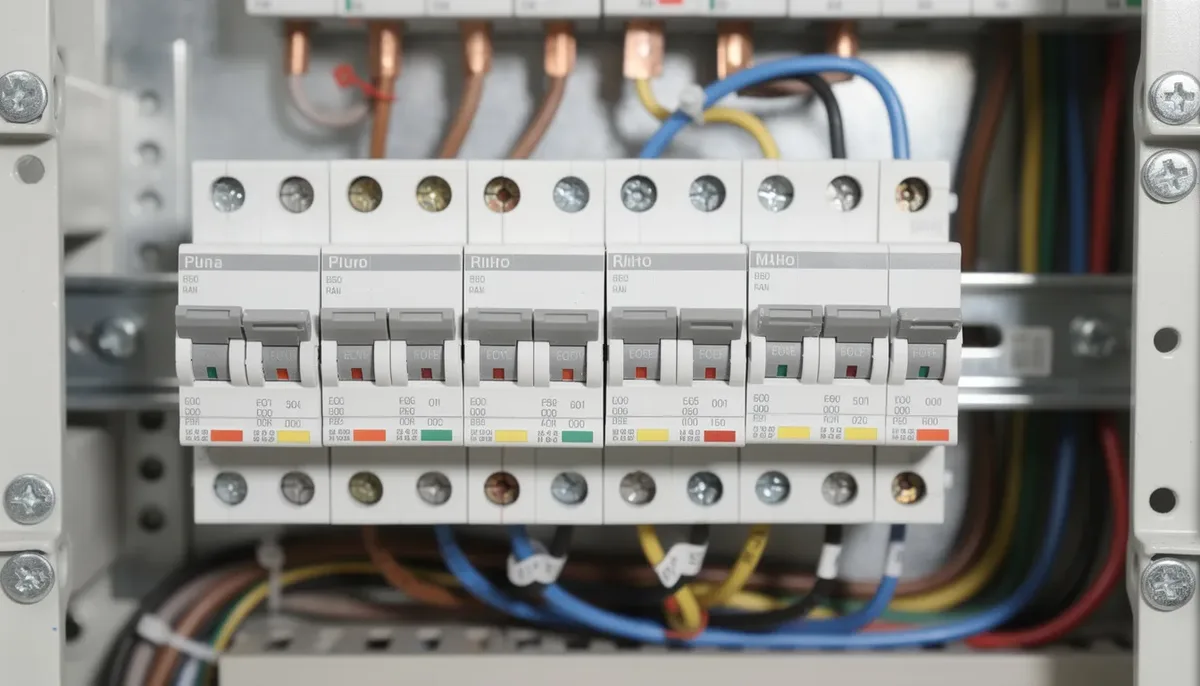
Image source: Bing (Web (fair-use with source credit))
Critical Setup Rules
- Use a Dedicated Circuit: If possible, plug the treadmill directly into a wall outlet on its own circuit. Don't share it with a space heater, refrigerator, or other high-draw appliance.
- Avoid Power Strips and Extension Cords: Standard power strips and extension cords aren't rated for the sustained high current a treadmill motor pulls. They can overheat and are a fire risk.
- Check Your Circuit Panel: Know which outlets in your home are on the same circuit. If the breaker trips while the treadmill is running, that circuit is overloaded.
Commercial gyms often require 240-volt outlets for their heavy-duty equipment. For home use, a clean, dedicated 120V outlet is usually sufficient and safe if properly installed.
Mistakes to Avoid When Estimating Treadmill Power
Getting the number right matters. Small errors in your calculation can double your expected cost. Let's fix the common ones people make.
Confusing Peak HP with Continuous Draw
The "5.0 HP" sticker on a treadmill isn't the wattage it pulls. That peak rating is a marketing number. It represents the motor's maximum burst, not its steady workload.
Continuous Horsepower (CHP) is what the motor sustains during your workout. A 2.0 CHP motor generally draws 400 to 500 watts at a steady pace. The peak number only matters for acceleration and incline changes.
When calculating cost, use the CHP or actual measured watts.
Ignoring Phantom Load from the Console
Here's a subtle trap. The treadmill's display, safety key slot, and internal electronics stay active after you finish. This standby draw of 1 to 5 watts runs 24/7.
It seems tiny. Over a year, that's 8.8 to 44 kWh wasted, which adds $1.50 to $7 to your bill for nothing. An unplugged treadmill draws zero.
A smart power strip cuts power to the console automatically.
Skipping Belt Lubrication and Letting the Motor Strain
A dry belt is a silent energy hog. Friction between the belt and deck forces the motor to work harder. This can increase electricity draw by over 15% compared to a properly tuned machine.
Most manufacturers recommend lubricating every 3 to 6 months, depending on usage. A simple silicone-based lube keeps the belt gliding. Along with lubrication, routine cleaning of the belt and deck keeps things efficient.
Your motor runs cooler, quieter, and uses less power.
Frequently Asked Questions
How much does it cost to run a treadmill for an hour?
A typical home treadmill uses 0.3 to 0.7 kilowatt-hours per hour. At the average U.S. electricity rate of 16 cents per kWh, that's 5 to 11 cents. Even a power-hungry commercial model rarely exceeds 25 cents per hour.
Does leaving a treadmill plugged in waste electricity?
Yes, a little. The console and electronics draw 1 to 5 watts in standby mode. Unplug it when not in use, or use a power strip with a switch.
This eliminates the phantom load entirely.
Do I need a special power outlet for my treadmill?
Most home treadmills need a standard 120-volt, 15-amp circuit. Ensure the circuit is dedicated, meaning no other major appliances share it. Avoid extension cords and power strips.
They can overheat under sustained load. For a heavy-duty commercial treadmill, consult an electrician about a 240-volt connection.
Is a treadmill more expensive to run than an air conditioner?
No. A treadmill is far cheaper. A window AC unit can draw 500 to 1,500 watts per hour, costing three to five times more.
Central air conditioning systems are even more power-hungry. Your treadmill is one of the most affordable cardio machines you can plug in.