How Much Does a Treadmill Weigh
Trying to figure out how much a treadmill weigh? The short answer is it depends entirely on the machine type. A compact walking pad might weigh as little as 50 pounds.
A commercial gym treadmill can top 500 pounds. Your specific model's weight affects everything from delivery logistics to floor safety.
For home use, the average motorized treadmill falls between 150 and 250 pounds. That figure represents the "net weight" or "product weight." The box it ships in adds another 15 to 40 pounds to the "gross weight." Knowing this distinction is key to planning your setup.
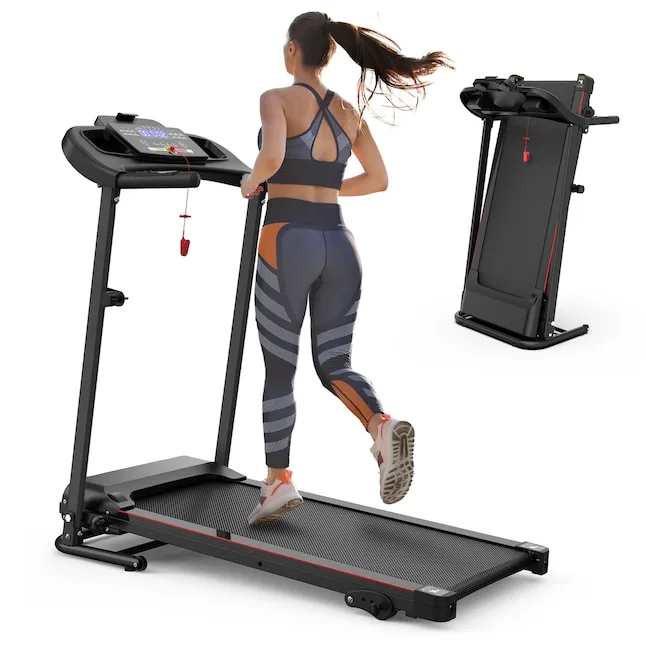
Image source: Bing (Web (fair-use with source credit))
Quick Answer: The Real Weight Range
How much does a treadmill weigh? Home treadmills typically weigh between 100 and 250 pounds. The exact number depends on size, motor, and features.
Commercial gym treadmills are much heavier, often 400 to 600 pounds. Always check the manufacturer's spec sheet for the official net weight.
This number is critical. It determines if you can move it alone and whether your floor can handle it. Two people are generally needed for any model over 100 pounds.
Treadmill Weight by Type: Which Category Are You Looking At?
Not all treadmills are created equal. Their weight reflects their purpose, build quality, and motor size. Here's how the main categories break down based on manufacturer specifications.
| Treadmill Type | Typical Weight Range (Net) | Best For |
|---|---|---|
| Walking / Under-Desk | 45 – 100 lbs | Light use, small spaces, portability |
| Folding Home | 100 – 200 lbs | Most home gyms, easy storage |
| Non-Folding Home | 200 – 350 lbs | Serious runners, maximum stability |
| Incline Trainer | 300 – 400 lbs | Intense cardio, strength training |
| Commercial | 400 – 600+ lbs | Gyms, hotels, heavy daily use |
Folding Home Treadmills
These are the most common for residential settings. Their lighter frames often use aluminum components. The folding deck adds a hinge mechanism, which reduces overall rigidity and weight.
Aggregate reviews show they balance stability with storage convenience.
Non-Folding Home Treadmills
These prioritize a solid, stable feel for running. They use heavier steel frames and more powerful motors. Their fixed design means no folding parts, but it also means you need a permanent spot.
If your workout intensity is high, this type feels more secure.
Walking and Under-Desk Treadmills
This is the lightest category, designed for simplicity and easy movement between rooms. They often have minimal consoles and lighter motors. Their primary goal is low-profile, low-speed walking.
You can typically move one with a single person, though carrying it up stairs still requires care.
Commercial and Incline Trainers
This category represents the heavyweights. They are built for constant use with thick steel frames and large motors. Their weight provides the stability needed for high-speed running and steep inclines.
Delivery usually requires professional freight handlers and proper lifting equipment.
Why Gross vs. Net Weight Matters for Delivery and Setup
This detail gets overlooked constantly. The number on the spec sheet is the "net weight." That's the treadmill alone. The "gross weight" includes the machine inside its shipping box, foam, and hardware.
Shipping weight is always higher. That extra 15 to 40 pounds of packaging is awkward and bulky. It changes how delivery teams handle the freight.
It also affects whether you can get it through a doorway before unboxing.
Knowing both numbers helps you prepare. For example, if your building has a freight elevator with a 300-pound limit, you need to know the gross weight. Once delivered, you'll dispose of the packaging.
That brings the weight down to the net figure for final placement.
How to Move a Treadmill Safely: Step-by-Step Workflow
Moving a heavy treadmill incorrectly risks serious injury or damage to the machine and your home. Follow this workflow, which aligns with OSHA guidelines for manually handling heavy equipment.
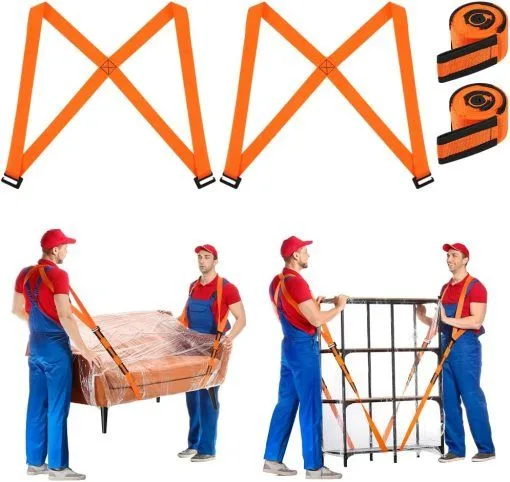
Image source: Bing (Web (fair-use with source credit))
Step 1: Assess and Plan the Path
Before touching the treadmill, measure every doorway, hallway, and stairwell. Confirm the clear width. Check for tight turns.
This prevents getting the heavy unit stuck in a pinch point.
Step 2: Disassemble What You Can
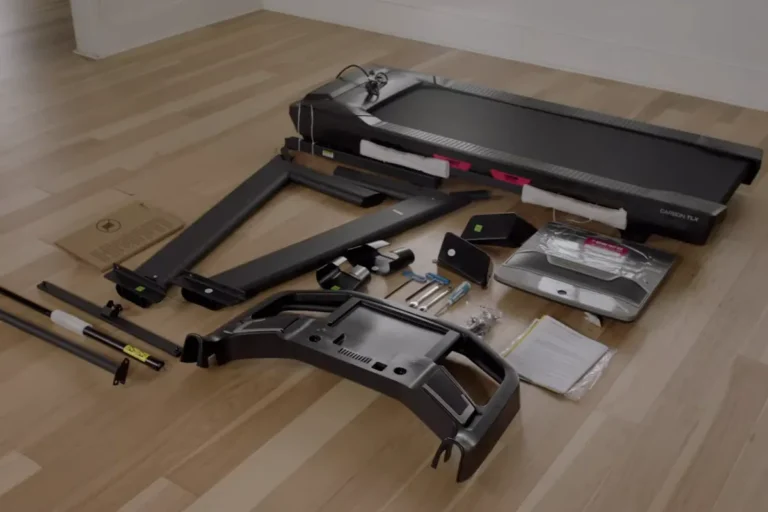
Consult your owner's manual. Most treadmills allow you to remove the console mast, side rails, or the entire upright. This can reduce the base weight by 30 to 50 pounds.
Always remove the safety key first.
Step 3: Use Proper Moving Equipment
For any model over 150 pounds, a furniture dolly is essential. Use moving straps to secure the unit. Never try to carry a heavy treadmill with just your arms.
For stairs, a stair-climbing dolly or a team of strong helpers is mandatory.
Step 4: Lift and Move with Technique
If lifting is unavoidable, bend at the knees, not the waist. Keep the weight close to your body. Communicate clearly with your helpers.
Move slowly and deliberately.
Step 5: Position and Reassemble
Place floor protection like plywood or rubber mats before setting the treadmill down. Once in its final spot, reassemble the components you removed. Ensure all bolts are tightened securely before use.
For similar cardio equipment, understand the fundamental differences between an elliptical and a rowing machine to plan your space wisely.
Will Your Floor Hold It? Load Concerns for Upstairs Rooms
A treadmill's point load can exceed what some residential floors are designed to support, especially on upper stories. The concern isn't just total weight. It's concentrated force.
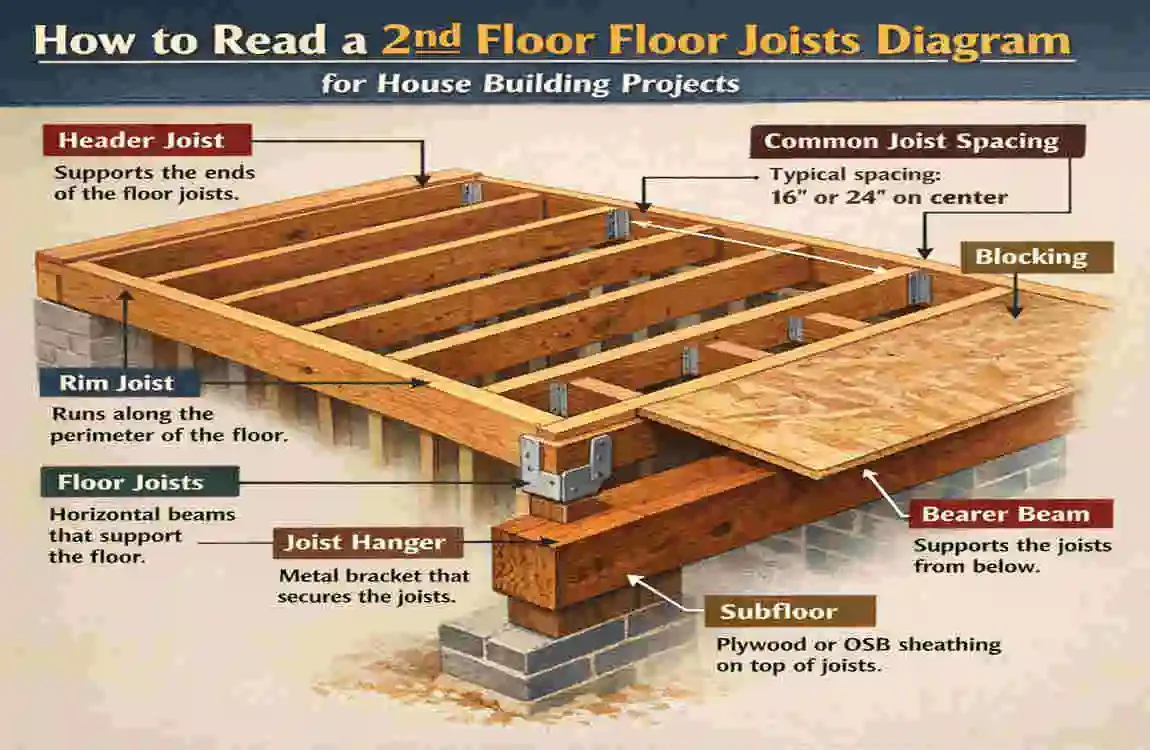
Image source: Bing (Web (fair-use with source credit))
Most residential building codes require floors to support a minimum of 40 pounds per square foot (psf) as a live load. A 250-pound treadmill on a small footprint can easily generate pressure beyond this. This is especially relevant for older homes or rooms over garages.
Actionable Tip: Distribute the weight. Place the treadmill on a 3/4-inch plywood board or a large rubber mat. This spreads the force over a wider area.
For any treadmill over 200 pounds on a second floor, consulting a structural engineer is a wise precaution.
Checklist for Floor Safety:
- Confirm the floor type (concrete slab, plywood subfloor).
- Locate the floor joists if possible, and run the treadmill parallel to them.
- Use a wide, rigid base board under the treadmill.
- Consider placing it against a load-bearing wall.
- If you have any doubt, seek professional advice before unboxing.
For other home gym planning, see our guide on whether elliptical machines are worth it for your fitness goals.
Common Mistakes That Lead to Injury or Damage
The biggest mistake is underestimating the weight. People try to move a 200-pound treadmill solo because it "looks manageable." That's how backs get thrown out and units get dropped.
Another frequent error is grabbing the console or the folding hinge to lift. Those parts aren't load-bearing. The frame is the only safe place to grip.
Check the owner's manual for the specific lifting points.
Skipping the disassembly step is also common. Removing the console mast can save 30 to 50 pounds. That difference makes a unit far easier to maneuver through doorways and up stairs.
Finally, never drag a treadmill across the floor. It damages both the flooring and the machine's frame. Use a dolly and lift it properly.
Aggregated user reviews report that dragging causes bent feet and misaligned belts.
For related equipment troubleshooting, check out our guide on why an elliptical machine might be squeaking.
Maintenance and Long-Term Care for Your Treadmill
Once your treadmill is in place, a little maintenance keeps it running smoothly. The heavy motor and steel frame rely on clean, lubricated moving parts.
Monthly Checklist:
- Vacuum the area under the belt and around the motor.
- Wipe the console and rails with a dry cloth.
- Check the belt tension and alignment.
- Inspect all bolts and fasteners for looseness.
Lubrication Smartly
Most modern belts are self-lubricating. If your manual calls for it, apply silicone-based lubricant under the belt every few months. Per manufacturer guidelines, never use petroleum-based products.
They can damage the belt and deck, causing unnecessary wear.
Electrical Safety
The motor draws a significant load. Plug the treadmill directly into a grounded wall outlet. Avoid extension cords.
If you must use one, use a heavy-duty cord rated for 15 amps or more. A surge protector is also a wise investment.
For broader home gym upkeep, our tips on maintaining your elliptical machine apply to most cardio equipment.
Frequently Asked Questions
Is it safe to move a treadmill by myself?
Only if the treadmill weighs under 80 pounds. Compact walking pads qualify. Anything heavier needs at least two people.
For home treadmills over 150 pounds, professional movers are the safer choice.
How much does a treadmill weigh for shipping?
Shipping weight, or gross weight, is the treadmill plus all packaging. It is typically 15 to 40 pounds heavier than the net weight. Always confirm the gross weight before delivery, especially if freight is coming upstairs.
Can a treadmill damage a wooden floor?
Yes, if it moves or vibrates. The rubber feet can mark wood over time. The concentrated weight can dent soft flooring.
Always use a treadmill mat or a 3/4-inch plywood base to protect the surface.
How long does it take to set up a treadmill?
Plan for 1 to 2 hours. Heavier treadmills with more assembly steps take longer. Most machines ship partially assembled.
The console mast, handlebars, and sometimes the arms need attaching.
Does the weight of a treadmill affect its lifespan?
Generally, yes. Heavier treadmills use thicker steel and more robust motors. They are built to withstand daily use without excessive vibration or wobbling.
Lightweight treadmills prioritize portability over durability.
Your Decision Guide: Pick the Right Treadmill Weight for Your Home
Here is the simple decision tree that covers most buyers.
| Your Situation | Recommended Weight Range | Reason |
|---|---|---|
| Small apartment, frequent moving | 50 – 100 lbs | Easy to reposition and relocate |
| Dedicated home gym, first floor | 200 – 300 lbs | Stable and durable for regular running |
| Home gym, second floor | 150 – 250 lbs | Heavy enough for stability, light enough for safety |
| Staircase with a tight turn | Under 200 lbs | Easier to maneuver in confined spaces |
| Serious running or incline training | 250 – 400 lbs | Heavier flywheel and frame reduce vibration |
If the weight scares you, focus on the benefit. A heavier machine provides a safer, more stable workout. If you have floor concerns, distribute the weight with a plywood base.
Weigh your options based on your space first. Choose the lighter model for upstairs rooms and the heavier model for solid, ground-level floors. That decision protects both your back and your home.
When you're outfitting a complete home gym, checking the right dumbbell weight for your routine helps you plan your overall equipment strategy.