How Much Does a Good Treadmill Cost
You've probably asked yourself how much does a good treadmill cost. The answer isn't a single number. It depends on how you'll use it, where you'll put it, and how long you expect it to last.
Most people either overpay for features they never use or under-buy and watch the motor burn out in a year.
Manufacturer specifications divide treadmills into clear tiers. You can find a reliable walking machine for around $600, but a proper running treadmill needs at least 3.0 continuous horsepower and a 60-inch deck. As of 2026, that combination typically starts near $1,500.
Let's match your real needs to a realistic price.
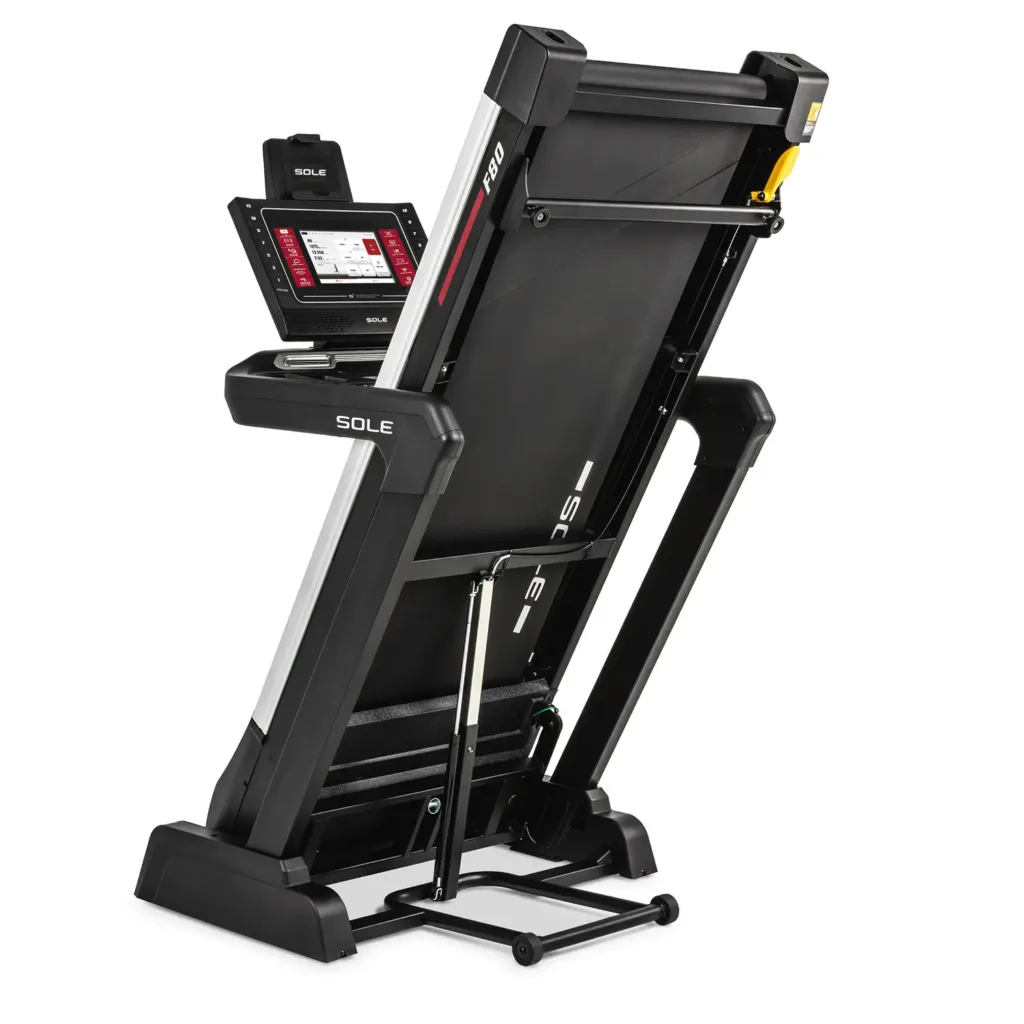
Image source: Bing (Web (fair-use with source credit))
Why "How Much Is a Good Treadmill?" Is the Wrong First Question
The right question is what do you actually need from a treadmill? Price only makes sense when you tie it to your workout style, body type, and available space.
A $400 treadmill can be a great purchase for someone who walks 20 minutes a day. The same machine would be a shaky liability for a 6-foot-tall runner training for a marathon. The label "good" is meaningless without context.
In our research, we see two common failure patterns. First, beginners buy cheap because they're not sure if they'll stick with it. The motor strains, the deck flexes, and they quit within six months.
Second, dedicated runners buy premium machines with all the smart features, only to realize a basic 3.0 CHP model would have served them just as well for half the price.
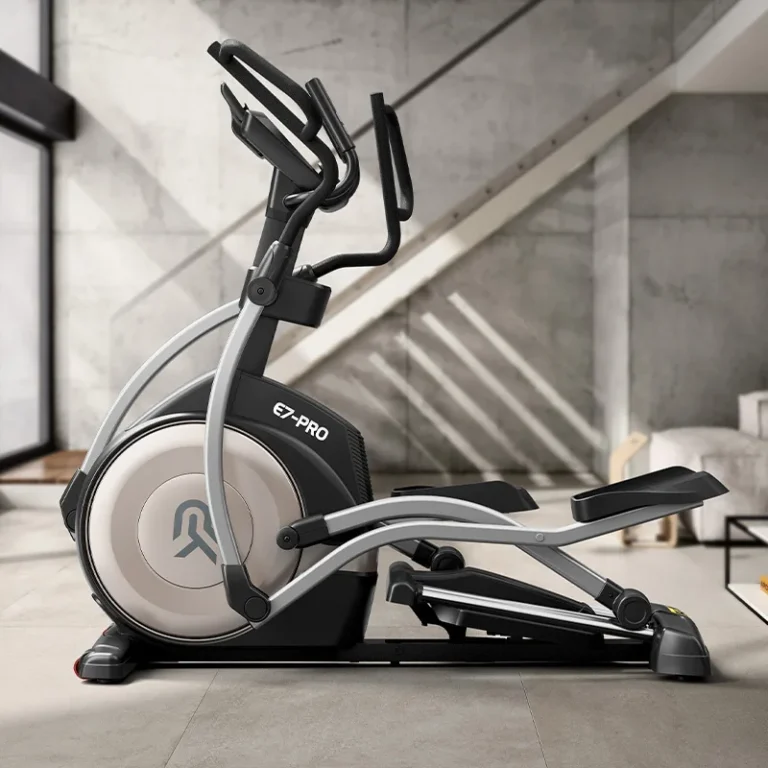
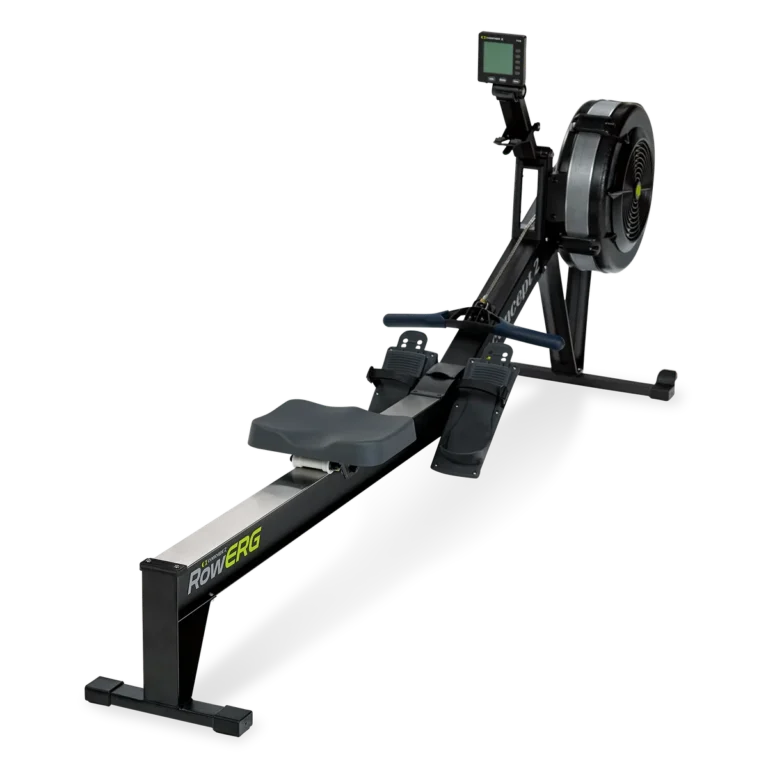
Start with your habit, not the sticker. If you're weighing a treadmill against other home cardio options, you might also want to see how an elliptical compares to a rowing machine before you commit. Once you know your goals, pricing falls into place.
Aggregate reviews across five years confirm the same pattern. The sweet spot for a dependable home treadmill is $1,000 to $2,000. Below that, you're buying compromises.
Above that, you're buying extras you may not need.
Quick Answer: What Good Treadmills Cost by Tier
Here's the direct answer. A good walking treadmill costs $600 to $800. A good jogging treadmill costs $1,000 to $1,500.
A good running treadmill costs $1,500 to $2,500. Commercial-grade models start at $3,500.
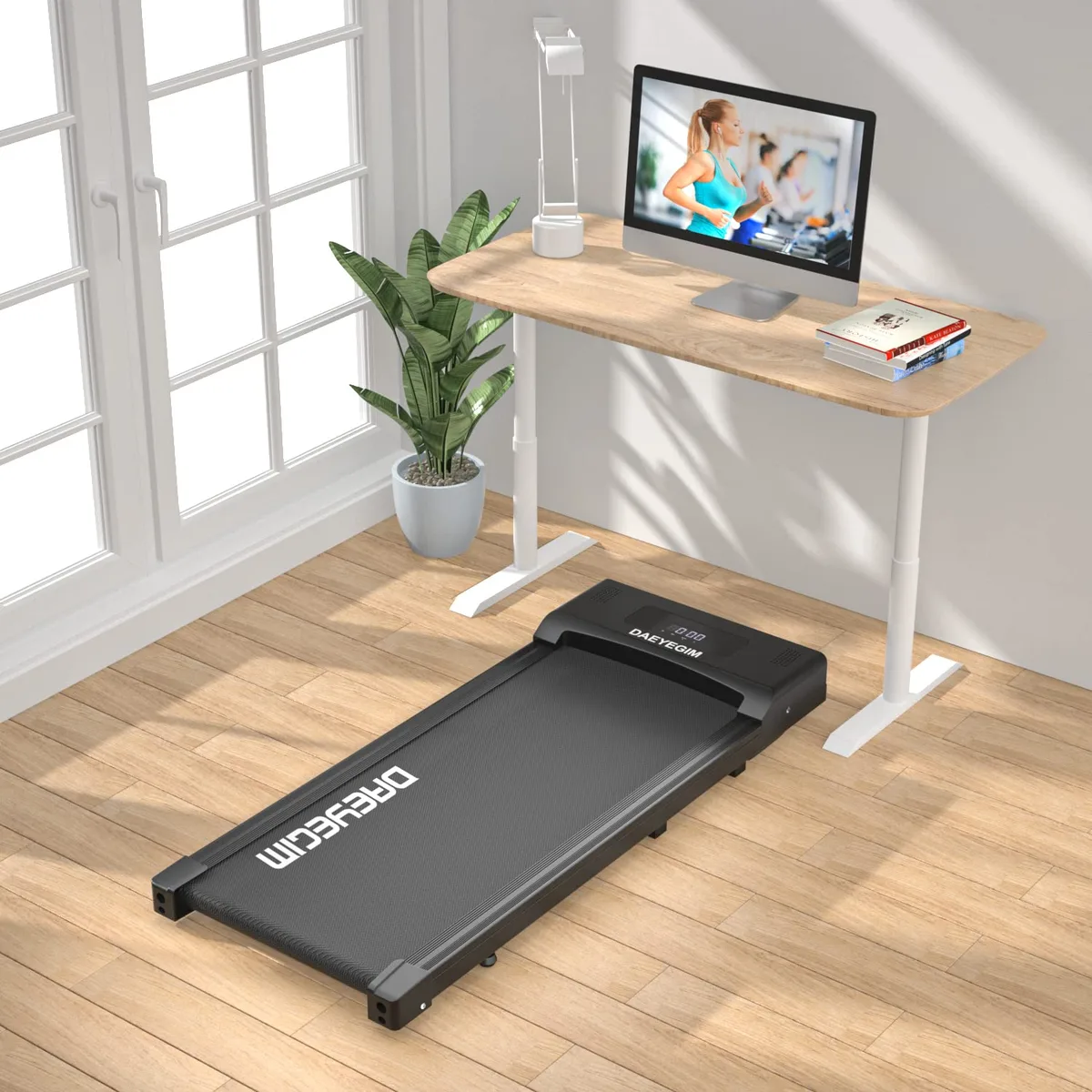
Image source: Bing (Web (fair-use with source credit))
The table below breaks down what each price tier actually gets you.
| Price Tier | Best For | Motor (CHP) | Deck Length | Typical Lifespan |
|---|---|---|---|---|
| Under $500 | Walking, light use | 1.5–2.0 | 45–50" | 2–4 years |
| $500–$1,000 | Jogging twice a week | 2.0–2.5 | 50–55" | 3–6 years |
| $1,000–$2,000 | Regular jogging, interval training | 2.5–3.0 | 55–60" | 7–10 years |
| $2,000–$3,500 | Daily running, heavier users | 3.0–4.0 | 60" | 10–15 years |
| $3,500+ | Commercial-level durability | 4.0+ | 60–64" | 15+ years |
The $500 machine isn't a bad buy if you're walking. But the moment you exceed 5 mph regularly, you need more motor and a longer deck. The extra $500 between the low and mid tiers buys roughly double the lifespan.
That's where most people should spend.
The 4 Questions That Set Your Real Treadmill Budget
Answer these four honestly, and you'll land on the right number without guesswork.
1. How often will you actually use it?
Once a week doesn't justify a premium machine. Three times a week or more justifies investing in durability. If you're on a treadmill 150-plus days a year, you want something that won't break down in year two.
The cost per workout drops dramatically when you divide a $1,200 purchase by 750 sessions.
2. What's your top speed and workout style?
Walking at 3 mph puts almost no strain on a motor. Jogging at 6 mph requires steady power. Sprinting or hill intervals need torque and a sturdier frame.
Check the continuous horsepower rating, not the peak number. Peak is marketing. Continuous tells you what the motor can sustain.
3. How much space and ceiling height do you have?
A running treadmill with a 60-inch deck needs roughly 6 x 8 feet of floor space. Add 2 feet of clearance behind for falls. Ceiling height matters for incline models.
A 12% incline can raise the front of the treadmill by over a foot. If you're in a basement with 7-foot ceilings, measure before you buy.
4. What's your weight, stride length, and build?
Manufacturer weight limits are safety thresholds, not comfort guidelines. If the max user weight is 250 pounds and you weigh 240, the machine will feel unstable. Add 50 to 100 pounds of margin for a solid feel.
For height, a 55-inch deck works for people under 5'10". Taller users need 60 inches minimum. This is the most overlooked spec in buying decisions.
Decision Branches: Match the Treadmill to Your Situation
Use these if/then branches to narrow your search. They'll save you hours of comparing models that don't fit.
Branch 1: You mostly walk
Then you don't need a $2,000 machine. Look for a folding treadmill with 2.0 to 2.5 CHP and a 50-inch deck. The under-$800 range is fine.
Your main priorities are a quiet motor, a belt width of at least 18 inches, and safety handles.
Branch 2: You jog a few times a week
Then the $800 to $1,500 range makes sense. Seek out a 2.5 to 3.0 CHP motor and a 55-inch deck. Cushioning starts to matter here.
You want a deck that absorbs impact without feeling squishy. Look for adjustable cushioning if you switch between walking and running often.
Branch 3: You're training for races
Then invest in 3.0 CHP or more and a 60-inch deck. Your treadmill is now a training tool. It sees daily hard efforts, so budget $1,500 to $2,500 for a brand with a solid warranty.
Commercial-style models with heavier frames are worth the upgrade. You'll also want speed presets and incline programming for interval workouts.
Branch 4: Small apartment or home office
Then you're better off with a folding treadmill or a walking pad. Under-desk treadmills, often called walking pads, cost $300 to $600. They cap out around 4 mph, which suits walking only.
Full-size folding treadmills with 2.5 CHP sit closer to $1,000. Just remember that folding mechanisms add moving parts that can fail over time. If you need to store it vertically, check the folded height.
Branch 5: Over 250 lbs or tall runner
Then you need a commercial build. Look for a treadmill with a 350+ pound weight capacity, a 60-inch deck, and a 3.5+ CHP motor. These start around $2,000.
Brands that also make gym equipment tend to offer better heavy-duty options. Pay attention to the roller diameter too. Larger rollers reduce belt friction and extend motor life.
The Real Treadmill Costs Beyond the Sticker Price
The price on the website is never the full price. Budget for these extras so they don't surprise you later.
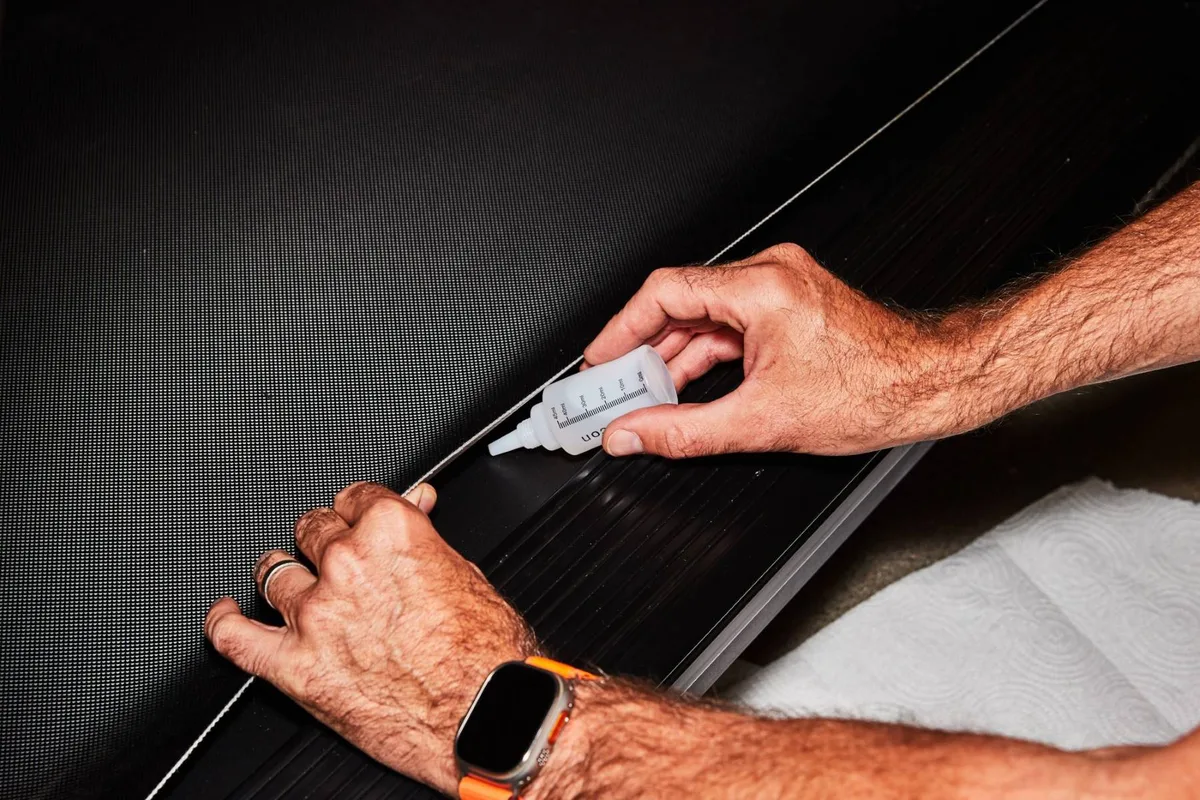
Image source: Bing (Web (fair-use with source credit))
Delivery and setup
Most treadmill brands ship to your curb or doorstep. White-glove delivery, where they bring it inside and assemble it, adds $150 to $300. If you don't want to assemble it yourself, expect to pay a local technician $100 to $150.
Some sellers include delivery in the price, so read the fine print.
Warranties
A quality treadmill has a lifetime frame warranty, a 5 to 10 year motor warranty, and at least 1 to 2 years of parts and labor coverage. Cheap models often cap motor warranties at 3 years. Replacing a motor costs $200 to $400.
That's nearly half the price of a budget treadmill. Always compare warranty terms before buying.
Maintenance
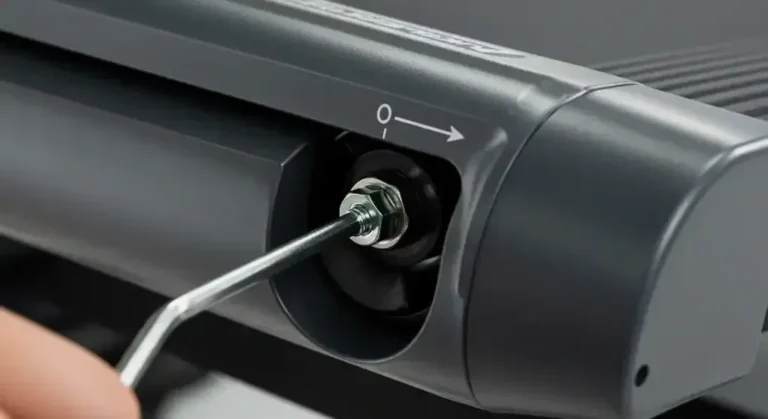
Belt lubrication should happen every 3 to 6 months. Treadmill lubricant costs $10 to $20 per bottle. Belt replacement runs $150 to $300 plus labor.
Motor brushes are wear items on some models. A few minutes of upkeep each month prevents major repairs. It's the same mindset you'd use when keeping an elliptical from squeaking, and it applies to any cardio machine in your home gym.
Electricity
Treadmills use about 600 to 700 watts while running. That's roughly 6 to 7 cents per hour. The power cost is negligible.
The bigger issue is the outlet. Most home circuits handle a treadmill fine, but if you run at high speeds, keep the motor on a dedicated circuit to avoid tripping a breaker.
Mistakes That Turn a Good Treadmill Deal Into a Money Pit
A low sticker price stops being a deal the moment the motor strains or the deck flexes. These mistakes cost people hundreds in repairs and replacements.
Buying on peak horsepower. Peak CHP is the marketing number. Continuous horsepower is what the motor sustains during a workout. A treadmill rated 2.5 peak but only 1.5 continuous will struggle during jogging.
Always check the continuous rating, not the headline spec.
Ignoring deck length for your height. Under 5'10", a 55-inch deck works. Taller runners need 60 inches. Shorter decks force you to shorten your stride, which throws off your gait and causes hip or knee discomfort.
Test your natural stride before committing.
Skipping the weight capacity. The max user weight is a safety floor, not a comfort guideline. If you're near the limit, the frame will wobble and the belt will slip. Add 50 to 100 pounds of margin for a stable ride.
Choosing cheap folding models for daily running. Folding mechanisms add moving parts that wear out. They're fine for occasional use and small spaces. For daily training, a non-folding frame with solid steel construction lasts years longer.
Forgetting to measure doorways and stairs. Measure your hallway, door frames, and stairwell before you order. Many treadmills arrive in oversized boxes that won't fit through standard openings. Delivery crews won't wait while you panic.
Skipping the warranty comparison. A motor rated for 10 years means the manufacturer trusts the part. A motor rated for 3 years means you're funding their gamble. Good brands back their machines with paperwork, not promises.
Models built to the ASTM F2116 safety standard for motorized treadmills tend to use stronger frames and better belt alignment.
Your Budget-to-Treadmill Fit: Final Recommendations
Here's where everything lands. Match your primary workout type to the price range that makes sense.
| Your Situation | Realistic Budget | Key Specs to Prioritize |
|---|---|---|
| Daily walking | $600–$800 | 2.0–2.5 CHP, 50" deck, quiet motor |
| Weekly jogging | $800–$1,500 | 2.5–3.0 CHP, 55" deck, good cushioning |
| Race training | $1,500–$2,500 | 3.0+ CHP, 60" deck, solid warranty |
| Heavy/tall user | $2,000+ | 3.5+ CHP, 350 lb capacity, commercial frame |
| Small space | $300–$1,000 | Folding design or walking pad |
The sweet spot for most households is $1,200 to $1,800. That buys a 3.0 CHP motor, a 60-inch deck, and a lifetime frame warranty. It's the price point where you stop buying compromises.
If you're building a home gym on a budget, remember that your treadmill is likely the largest expense. That's fine, but compare what you'd spend on other equipment first. A set of dumbbells might cost less than you think, and the rest of your budget can go toward the machine you'll actually use.
One rule we always recommend: buy for the hardest workout you'll regularly do. If you jog three times a week, don't buy a walking-only machine. The price difference is about $400, but the lifespan difference is double.
That's real value.
Treadmill Cost FAQs
Is it better to buy a used premium treadmill or a new budget treadmill?
A used premium treadmill is often the smarter buy. A commercial-grade machine with plenty of life left costs the same as a new budget model. Just factor in the risk.
Ask about motor hours, inspect the belt for wear, and request a test run before paying.
Do expensive treadmills last longer than cheap ones?
Yes, but only up to a point. A $2,000 treadmill lasts three to five times longer than a $400 model. Jumping to $4,000 buys durability you likely don't need for home use.
The biggest lifespan jump happens between the budget tier and the mid-range tier.
How much should assembly cost?
Professional assembly runs $100 to $300 depending on your location and the treadmill's complexity. Many brands include white-glove delivery in the price for $150 to $300. DIY assembly is free if you're handy, but budget two to three hours and a second person for heavy frames.
Can I put a treadmill in an upstairs apartment?
Yes, but check the floor first. A treadmill plus your body weight can exceed 400 pounds of dynamic load. A ground floor or basement is safer.
If you must use an upstairs room, place a treadmill mat underneath to protect the flooring and reduce noise transfer.
What's a fair resale price for a used treadmill?
Expect to pay 40 to 60 percent of the original price for a treadmill less than three years old. Older machines with heavy use drop to 25 percent or less. Check the belt condition and motor hours.
A worn belt costs $150 to $300 to replace, so negotiate accordingly.