How to Train for a Marathon on a Treadmill
Image source: Bing (Web (fair-use with source credit))
How to Train for a Marathon on a Treadmill (2026 Plan)
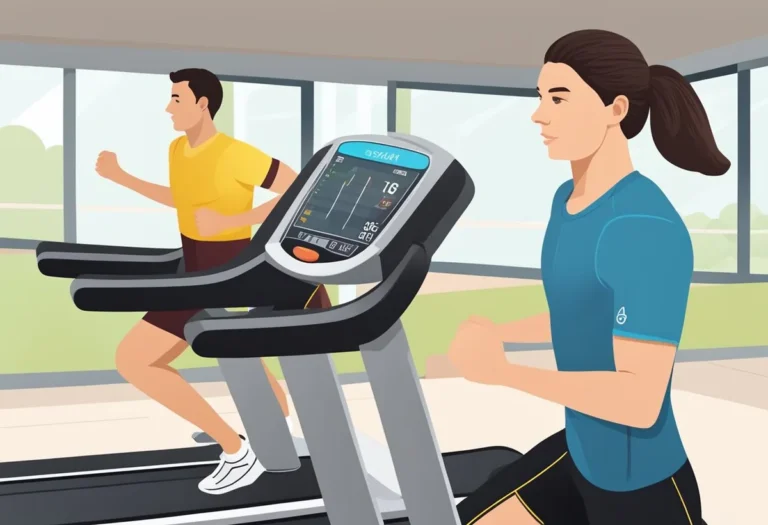
If you've been wondering how to train for a marathon on a treadmill, the short answer is yes, it works. Plenty of runners log 20-mile long runs indoors and finish race day just fine. You need a smart plan, the right equipment, and honest expectations about what the treadmill changes.
A 2019 study in the Journal of Sports Sciences found that treadmill running and overground running produce nearly identical heart-rate and oxygen-consumption responses at the same pace. The difference comes down to wind resistance, terrain, and heat management, not the running itself. So if you're committed, the treadmill can carry you to the starting line.
Quick Answer
Train on a treadmill by setting a 1% incline to mimic outdoor running. Follow a standard marathon plan, doing your long runs indoors each week. Keep most runs easy, at a conversational pace.
Add one tempo and one interval session weekly. Do your final 20-mile run indoors, then taper for three weeks.
The Non-Negotiables: Pace, Incline, and the 1% Rule
Treadmill running isn't exactly the same as running outdoors. The belt moves beneath you, so your hamstrings do slightly less work while your quads pick up the load. You also face zero wind resistance, which means you naturally run a bit faster at the same effort.
That's where the 1% incline rule comes in. Crank the treadmill to a 1% grade to match the energy cost of road running. This small adjustment keeps your pace honest.
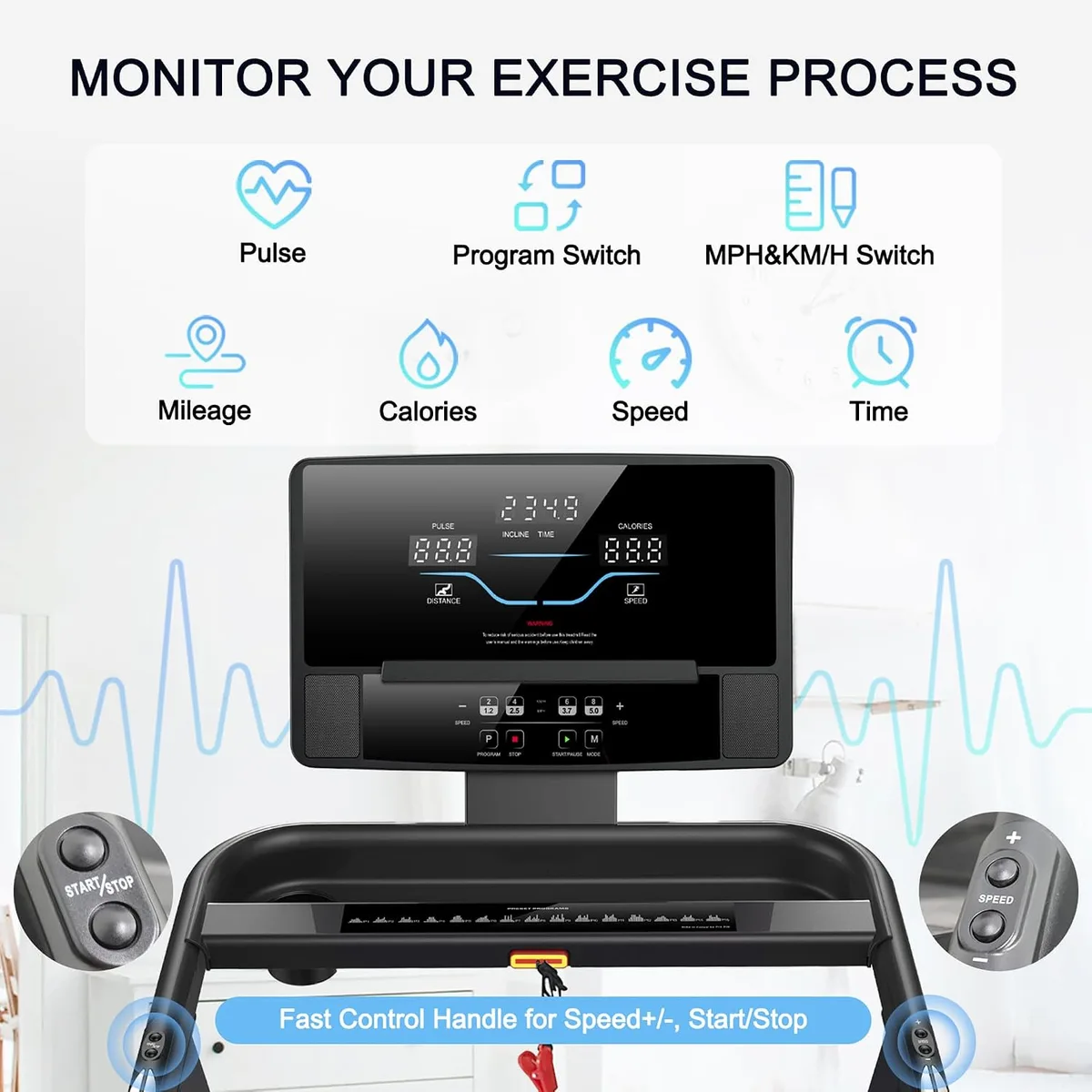
Image source: Bing (Web (fair-use with source credit))
Setting pace correctly matters just as much. Treadmill consoles display speed in miles per hour. Race paces are given in minutes per mile.
It's an easy mix-up that has derailed plenty of good workouts.
| Goal Marathon Pace (min/mile) | Treadmill Speed (mph) |
|---|---|
| 8:00 | 7.5 |
| 9:00 | 6.7 |
| 10:00 | 6.0 |
| 11:00 | 5.5 |
| 12:00 | 5.0 |
A quick math trick helps: divide 60 by your pace in minutes. For a 9:00 pace, 60 divided by 9 gives you 6.7 mph. Keep this calculator handy at the gym.
One more thing to settle early: training frequency. Most marathon plans run 16 to 20 weeks. Treadmill-only training works best with a similar structure.
Three to five runs weekly, with one long run, one tempo effort, and one interval session. The rest are easy recovery miles. This balanced approach builds endurance and speed while limiting injury risk.
How to Structure a Treadmill Marathon Plan: From Base Building to Peak Week
A solid treadmill marathon plan has three phases: base building, strength work, and tapering. The base phase lasts four to eight weeks. Your goal is simple: build weekly mileage to where you can comfortably handle a 12-mile long run.
Runs stay easy, 60 to 90 seconds per mile slower than your goal marathon pace. Patience pays off here. Run too fast too soon and you'll burn out before the hard work begins.
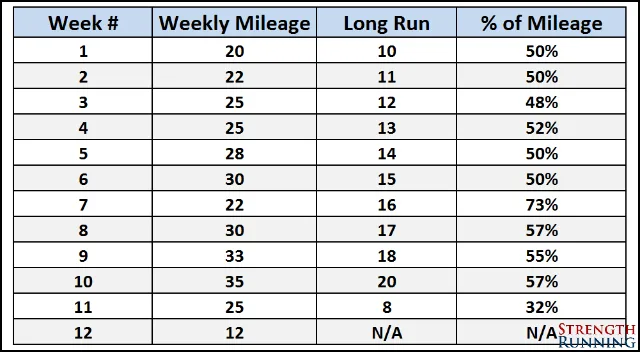
Image source: Bing (Web (fair-use with source credit))
Once your base is solid, move into the strength phase. Long runs stretch toward 18, 20, and sometimes 22 miles. Tempo runs and intervals make up the middle of the week.
On tempo days, run at a pace you could sustain for an hour, roughly 30 to 40 seconds slower than your 5K pace. For intervals, run shorter bursts at harder effort with recovery jogs between them.
| Workout | Main Set | Recovery | Total Volume |
|---|---|---|---|
| Easy Run | 6–8 miles | N/A | 6–8 miles |
| Tempo | 25–40 min at threshold | 5 min jog | ~6–8 miles |
| Intervals | 6–8 x 800m at 5K pace | 400m jog | ~5–7 miles |
| Long Run | 60–90 min | N/A | 12–20 miles |
A sample strength-phase week looks like this. Tuesday: intervals with warm-up and cooldown. Wednesday: easy run.
Thursday: tempo. Saturday: long run. Sunday: recovery jog.
That's 35 to 45 miles total, plenty for most marathoners.
The peak lands about three weeks before race day. This is your biggest week, with the long run reaching its maximum distance. If you hit 20 miles in training, you've done the preparation you need.
Some runners prefer 22, but the extra miles carry more risk than benefit.
After the peak, the taper begins. Over two to three weeks, reduce mileage by 20 to 40 percent each week. Keep workout intensity, but drop volume.
This lets your legs recover while your cardiovascular system stays sharp. Trust the taper. Racing on fresh legs beats racing on tired legs every time.
Heat, Hydration, and Long Indoor Runs: Managing the Treadmill Environment
A treadmill runs indoors with no breeze and no shade. Your body's cooling system, sweat evaporation, doesn't work as well when the air is still. You'll sweat more, lose more fluid, and overheat faster than you would outside.
The fix is simple: point a fan directly at yourself. Ideally one that angles downward. This mimics the wind you'd feel outdoors and keeps your core temperature in check.
Hydration on the treadmill is both easier and harder than outdoors. Easier because you can keep a water bottle on the console. Harder because you lose more fluid indoors.
Aim for 4 to 8 ounces every 20 to 30 minutes during long runs. For runs over 90 minutes, add electrolytes. Plain water works for the first hour, but longer sessions call for sodium and carbohydrates.
Experiment during training, not on race day.
A small hand towel is non-negotiable. You'll need it for wiping sweat off your face and the console buttons. Sweaty fingertips on a speed key is exactly how you end up doing an accidental sprint.
Also consider placing a mat under your treadmill if you run at home. It catches sweat, protects your floor, and reduces noise.
Don't ignore the room itself. Basement gyms tend to stay cool. Spare bedrooms get stuffy fast.
Open a window, use a second fan, or run earlier in the morning. If you're at a commercial gym, grab a spot near an air vent and away from direct sun.
And yes, the boredom question comes up constantly. Break long runs into blocks. Run 10 miles easy, then 10 at goal pace.
Alternate flat miles with incline miles. Some runners watch a long-form video. Others cover the console with a towel and zone out.
Find what makes the time pass, and adjust accordingly.
The Overuse Risks and Common Treadmill Mistakes That Derail Training
The cushioned treadmill belt absorbs impact that would otherwise hit your joints. That's a win. But the lack of terrain variation means the same muscles fire the same way every step.
Repetition is a recipe for overuse injuries. The most common culprits are shin splints, plantar fasciitis, and tight calves.
Your Achilles tendon does less work on a treadmill because the belt moves your foot backward. Your calves and Achilles can actually get tighter over time. Add daily stretching or foam rolling to stay loose.
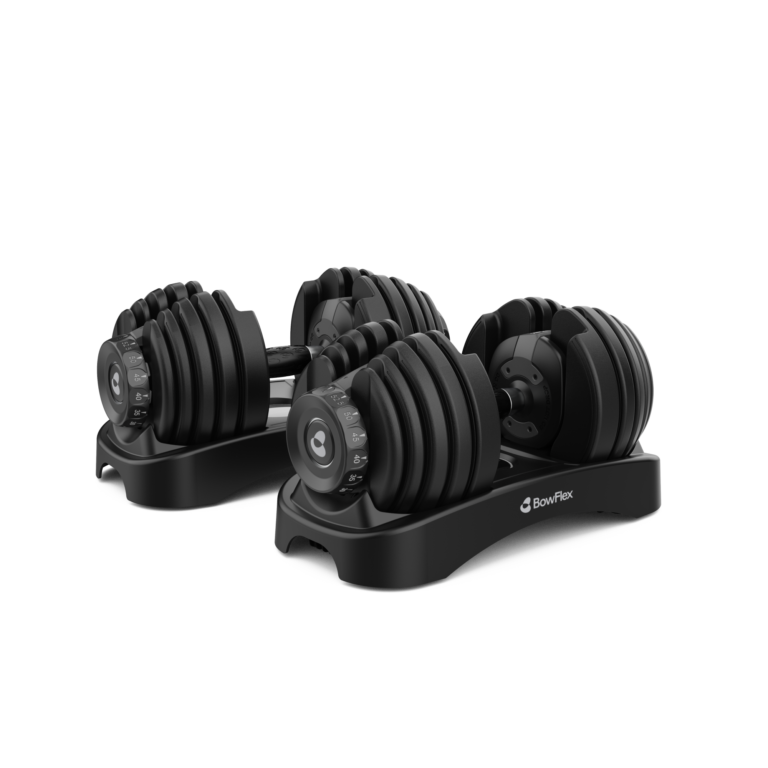
Dumbbell-based strength work also helps, particularly calf raises and single-leg exercises. If you're building a home routine, learning how to use dumbbells correctly keeps you safe and effective.
Holding onto the handrails is the most common mistake among treadmill marathon trainees. It chops your stride, kills your arm swing, and reduces the training effect dramatically. Clinics and coaches consistently flag rail-holding as one of the biggest form destroyers.
The only acceptable rail use is a quick touch when changing speeds. Let go and let your body do the work.
Mismatching your treadmill pace to real-world conditions is the second biggest error. The 1% incline rule helps, but race-day variables like hills, wind, crowds, and hydration stops still slow you down. Plan for an 8:00 pace on the treadmill, and you'll finish the real road race a bit slower.
Give yourself a 10 to 15 seconds-per-mile buffer and add extra incline work for hilly courses.
Watch for other pitfalls. Wearing worn-out road shoes indoors is asking for trouble. Keep your footwear fresh and rotate pairs.
Also watch your stride length. On a treadmill, you naturally take shorter, quicker steps. That's actually good.
A cadence of 170 to 180 steps per minute is the sweet spot.
If sharp pain shows up, slow down or stop. The treadmill's constant belt speed means you can't naturally ease off when hurting. You have to hit the slowdown button yourself.
Get in the habit of making speed changes early. Pain on the inside of your shin, behind your heel, or radiating down your leg needs rest, not more miles.
Treadmill-Only vs. Hybrid Training: Which Approach Is Right for You?
Treadmill-only training is simpler if you have no safe outdoor route. It keeps you consistent and removes every weather excuse. But the outdoors simulate race-day variables no treadmill can touch.
Headwinds, rolling hills, and uneven roads all force small adjustments from your body.
A good hybrid split is roughly 70% outdoors and 30% on the treadmill. Long runs stay outdoors when weather permits. Tempo and interval workouts move indoors for precise pace control.
This keeps you adapted to the road while giving you a controlled environment for hard efforts. Many runners find that mix improves both confidence and performance.
Bad weather forces the question. In the Midwest or Northeast, January and February can make outdoor long runs dangerous. In sub-zero wind chills, even the most committed runner should take it indoors.
Shift your schedule: keep base runs on the treadmill and save outdoor runs for weeks closer to race day.
There's also a psychological angle. Some runners prefer the treadmill long-term. No traffic, no potholes, no dog encounters.
You come in, run, go home. For parents with young kids or people with packed schedules, the treadmill removes every excuse to skip. If you do train mostly indoors, plan one or two outdoor runs at goal pace before race day so your legs remember pavement.
If you own a treadmill, the cost is fixed and amortized over hundreds of runs. Gym memberships add a monthly fee plus travel time. Weight both against the value of staying injury-free and completing the plan.
The best approach is the one you'll stick with when motivation fades, because consistency beats perfect conditions every single week.
Frequently Asked Questions
How often should I train on a treadmill for a marathon?
Three to five days per week. One long run, one tempo session, and one interval day cover the hard work. The remaining runs stay easy and conversational.
Rest days let your muscles rebuild. This mirrors standard marathon plans, just adapted to the belt.
What incline should I use while training for a marathon?
Use a 1% incline to simulate flat outdoor running. This accounts for missing wind resistance. For hill training, raise the incline to 4% to 6% for short intervals.
If your race course climbs significantly, match those grades on the treadmill. Per the American Council on Exercise, incline work is a safe, effective way to build leg strength and running economy.
Can I do my long runs entirely on a treadmill?
Yes. Many runners complete their 18 to 20 mile long runs indoors without issues. Set up fans, keep water nearby, and break the run into segments with different paces or inclines.
If your body needs a break from the constant belt motion, low-impact cross-training on an elliptical machine can maintain fitness without sacrificing recovery.
Is training on a treadmill worse for race day?
No, but it's different. Treadmill running eliminates wind resistance and downhill terrain, which can slightly mask your effort. The 1% incline fixes the first issue.
To prepare for downhill sections, use negative incline if your model allows it. Also, do your final 20-mile long run outdoors. This confirms your pacing and builds race day confidence.
How long does it take to train for a marathon on a treadmill?
Plan for 16 to 20 weeks. The first 4 to 8 weeks build base mileage. The next 8 to 10 weeks extend long runs and add speed work.
The final 2 to 3 weeks are the taper, reducing mileage by 20% to 40% each week while keeping intensity steady.
What muscles should I strengthen for treadmill marathon training?
Focus on calves, quads, glutes, and hip stabilizers. The treadmill's flat surface can weaken your posterior chain over time. Bodyweight squats, lunges, and calf raises are solid choices.
Adding light dumbbell work to your routine builds the supporting strength that keeps you running injury-free through peak weeks.