What Speed Should I Use on a Treadmill
Let’s be honest. You just stepped onto a treadmill, and the console is staring at you. The question “what speed should I use on a treadmill” is one of the most common fitness questions we hear.
It deserves a straight answer.
There isn’t one magic number. But there are reliable ranges that work for most people. Manufacturer specifications show that most home treadmills top out at 10 mph, while gym machines often reach 12 mph.
As of 2026, the smartest approach is to match your pace to your effort level, not to a number on the screen.
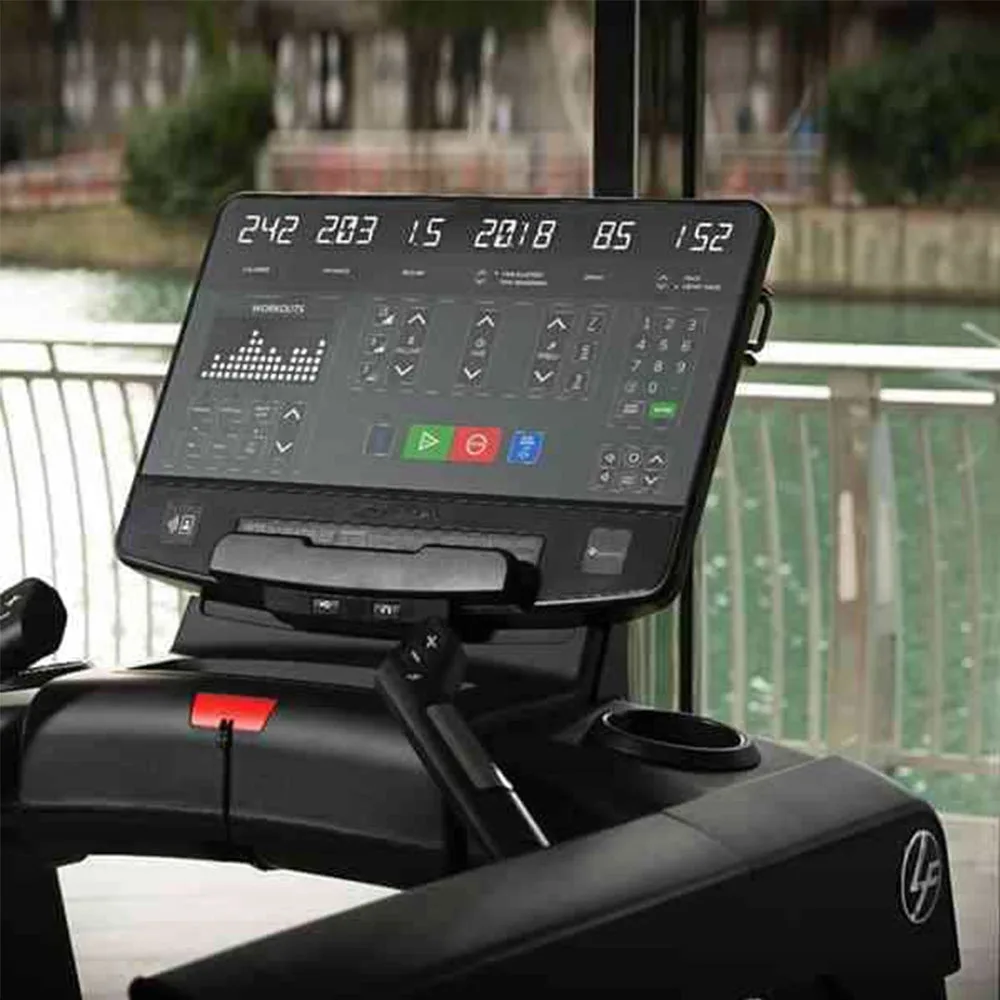
Image source: Bing (Web (fair-use with source credit))
Quick Answer: Treadmill Speed Ranges for Walking, Jogging, and Running
Start simple. Walk at 2.5 to 3.5 mph. Jog at 4.5 to 5.5 mph.
Run at 6 to 7.5 mph. Sprint at 8 mph and above. Adjust based on how easily you can talk.
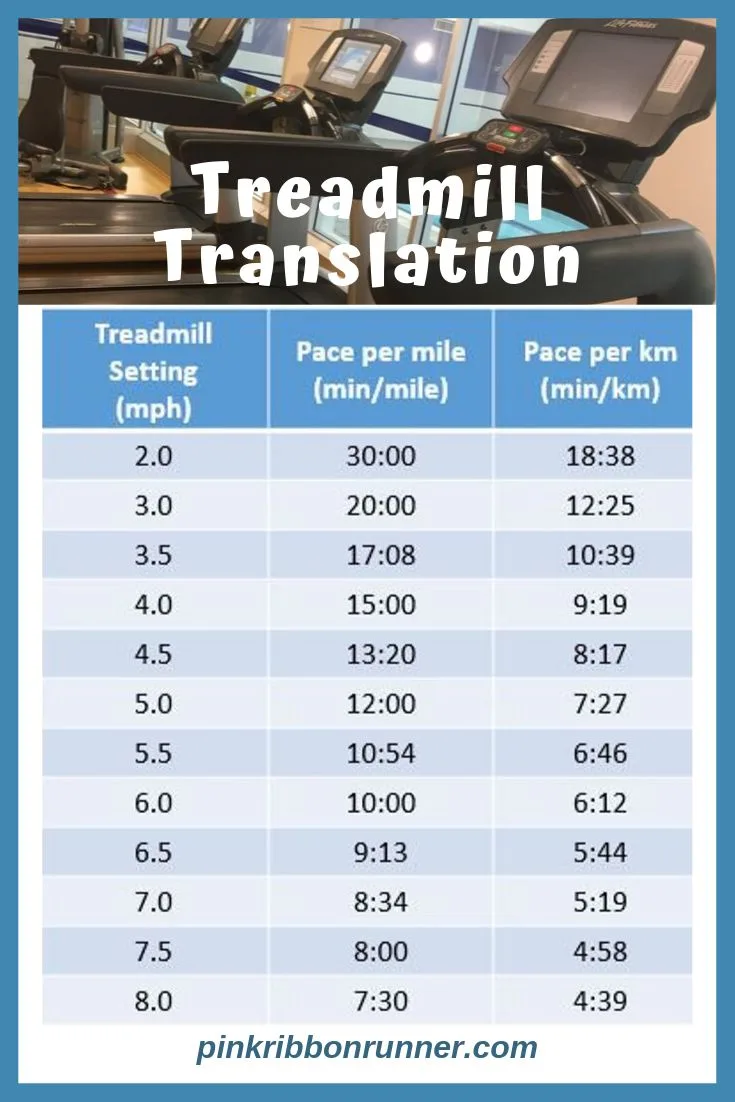
Image source: Bing (Web (fair-use with source credit))
| Pace | Speed (mph) | Speed (km/h) | How It Feels |
|---|---|---|---|
| Easy walk | 2.5 to 3.5 | 4.0 to 5.6 | Can say full sentences |
| Brisk walk | 3.5 to 4.5 | 5.6 to 7.2 | Still conversational |
| Light jog | 4.5 to 5.5 | 7.2 to 8.9 | Short sentences only |
| Steady run | 5.5 to 7.5 | 8.9 to 12.1 | Hard to speak |
| Sprint | 8.0 and above | 12.9 and above | Unable to talk |
The Decision Tree: Match Your Speed to Your Goal and Fitness Level
Your speed should do one job. It should put you in the right effort zone. That zone changes depending on why you’re on the machine.
Pick the branch that fits your situation.
Start with Your Goal: Fat Burn, Endurance, Speed, or General Health?
- Fat burn: walk at 3.5 to 4.0 mph with a 3 to 5 percent incline.
- Endurance: jog at 5.0 mph and hold a conversational pace for 30 minutes.
- Speed: alternate 7.0 mph intervals with 3.5 mph recoveries.
- General health: walk or jog at 3.5 to 5.5 mph for 20 to 40 minutes.
Find Your Baseline Using the Talk Test and RPE
RPE is the Rate of Perceived Exertion scale from 1 to 10. At a sustainable pace, you should be around a 4 to 6. The talk test is simpler.
If you can’t speak a full sentence, slow down. If you can sing, speed up. Research from the American College of Sports Medicine backs the RPE method as a reliable pacing tool.
Branch 1: Walking (2.5–4.0 mph)
If you’re new or simply want a low-impact session, start here. Keep your shoulders relaxed and your arms swinging. Brisk walking at 4.0 mph is plenty for most beginners.
Add incline before adding speed.
Branch 2: Light Jogging (4.0–5.5 mph)
If you can walk briskly for 30 minutes, try a slow jog. Start at 4.5 mph and increase by 0.5 mph each week. Your body needs time to adapt to the impact.
This is the perfect zone for building aerobic fitness.
Branch 3: Tempo and Interval Running (5.5–7.5 mph)
If your goal is speed or race prep, this is your range. Use 6 mph for tempo runs. Use 7 mph for shorter interval bursts.
Keep your effort around an 8 on the RPE scale. Faster isn’t better if your form falls apart.
Branch 4: Sprinting (7.5+ mph)
If you’re conditioned and want maximum effort, sprint at 8 to 10 mph. Keep intervals short, like 30 seconds on and 60 seconds off. Never sprint without a warmup.
Always clip the safety tether before you start.
Step-by-Step: How to Set Your Treadmill Speed Safely
Follow these steps every time, and you’ll stop guessing. The right speed also depends on how safely you get moving.
Warm-Up Without Guessing
Clip the safety tether to your shirt. Step onto the belt with both feet. Set 2.5 to 3.0 mph.
Walk for 5 minutes before increasing speed. A proper warmup makes every faster pace feel more manageable.
Adjust Speed in Small Increments
Never jump from 3 mph to 6 mph in one tap. Increase by 0.1 to 0.5 mph. Give your body at least 60 seconds.
Then recheck your breathing. The goal is controlled effort, not a dramatic shift in speed.
Use Quick-Speed Keys and Incline to Fine-Tune Effort
Quick-speed keys let you switch between walk and run without fumbling. If the pace feels easy, raise the incline first before raising speed. That builds strength without jarring your joints.
When you finish, slow down gradually rather than pressing stop mid-run.
Common Speed Mistakes and How to Fix Them

Image source: Bing (Web (fair-use with source credit))
The most common errors come from treating speed as a scoreboard. Here’s what we see most often, and how to fix each one.
- Gripping the handlebars. It changes your posture, shortens your stride, and makes you slower. Let go once you feel balanced.
- Starting too fast. Many beginners hit 6 mph immediately and gasp by minute two. Start at 3 mph and work up.
- Overstriding. If you’re reaching far in front of you, the belt is pulling you back. Speed up slightly or shorten your stride.
- Ignoring incline. Flat treadmill running is easier than outdoor running. Add 1 to 2 percent incline for realism.
- Skipping the safety clip. It seems annoying until you slip. Clip it every time.
If you feel dizzy, chest pain, or nausea, press the red stop button. Don’t step down while the belt moves. The Centers for Disease Control and Prevention recommends moderate-intensity exercise for most adults, but that assumes you’re healthy enough to start.
Real-World Scenarios: What Different Runners Should Actually Use
Speed choices make more sense when you see them in context. Here are a few realistic examples based on typical goals and experience levels.
New walker, week one. Use 3.0 mph at 0 percent incline for 20 minutes. Add 0.5 mph every week. If impact is your main concern, lower-impact cardio machines can still give you a great session.
Returning from injury. Walk 2.5 to 3.0 mph at 0 percent incline. Keep RPE below 3. If pain appears, stop.
Your training frequency matters as much as the speed you pick.
5K race training. Run at 6.0 mph for 5 minutes, then walk at 3.5 mph for 2 minutes. Repeat four times. Build from there as your endurance improves.
Fat-loss focus. Brisk walk at 4.0 mph with 5 percent incline. Sweat will happen. Your joints will thank you.
If the treadmill feels boring, some people prefer rowing or other cardio machines instead.
Experienced runner, maintaining base. Run at 6.0 to 7.0 mph for 30 to 45 minutes. Your conversational pace should feel easy at this level. Add one tempo session weekly at 7.0 to 7.5 mph.
For balance, pair running days with hex dumbbells for strength work.
Older adult staying active. Walk at 2.5 to 3.0 mph. Three 20-minute sessions per week outperform one exhausting hour. Supplement with dumbbell exercises to improve balance and reduce fall risk.
These aren’t rigid rules. They’re starting points. Track your RPE every week.
Adjust by 0.25 to 0.5 mph at a time. When in doubt, start slower.
FAQs About Treadmill Speed
What speed should a beginner use on a treadmill?
Start at 3.0 mph. That’s a comfortable walking pace for most people. If you want to jog, try 4.5 mph.
Walk for the first five minutes no matter what. Build from there.
How fast should I walk to lose weight?
Walk at 3.5 to 4.5 mph with a 3 to 5 percent incline. This puts you in moderate-intensity territory. Consistency matters more than speed for fat loss.
Show up four times a week and the results follow.
What speed is a 10-minute mile on a treadmill?
That’s 6.0 mph. Hold that pace for 20 minutes and you’ve covered two miles. It’s a solid benchmark for intermediate runners working toward a 5K goal.
Should I use incline or speed on a treadmill?
Start with incline. A 1 to 2 percent incline mimics outdoor terrain. Higher inclines burn more calories at lower speeds.
Adding speed alone raises joint stress faster than adding incline does.
Is running on a treadmill easier than outside?
Yes. The belt assists your stride, there’s no wind, and the surface is flat and consistent. Most runners find treadmill running about 1 to 2 percent easier at the same speed.
Adjust your expectations accordingly.
How do I know if my treadmill speed is right?
Use the talk test. If you can speak a full sentence without gasping, you’re close. If you can’t, slow down by 0.5 mph.
Your breathing is the most honest gauge you have.
Final Recommendation: Your Simple Starting Speeds by Experience Level
Here’s the bottom line. Pick the row that matches where you are right now. Start there.
Build slowly.
| Level | Starting Speed | Weekly Increase | Max Session |
|---|---|---|---|
| Complete beginner | 3.0 mph walk | +0.2 mph/week | 20 to 30 min |
| Regular walker | 3.5 to 4.0 mph | +0.3 mph/week | 30 to 40 min |
| New jogger | 4.5 mph | +0.2 mph/week | 20 to 25 min |
| Intermediate runner | 6.0 mph | +0.5 mph/week | 30 to 45 min |
| Advanced runner | 7.0+ mph | Based on intervals | 45 to 60 min |
Your speed should feel sustainable. Gasping means you’re too fast. Holding a full phone call easily means you might be too slow for your goal.
The Physical Activity Guidelines for Americans recommend 150 minutes of moderate-intensity activity per week. That target is about duration and consistency, not raw speed. A 30-minute walk at 3.5 mph five days a week gets you there.
Speed is one piece of a bigger puzzle. How often you train and how long you stay on the belt matter just as much. For more on building a balanced routine, our guides on how often to use dumbbells, elliptical session length, and maintaining cardio equipment can round out your plan.
Consistency wins every time.