What Is the Difference Between an Elliptical and an Exercise Bike
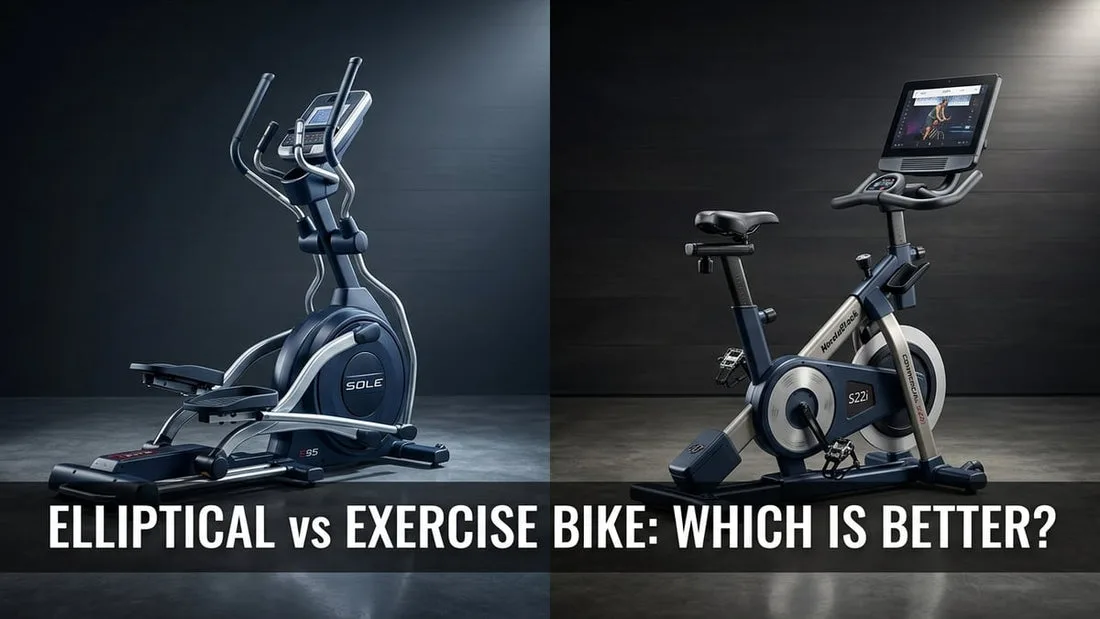
Image source: Bing (Web (fair-use with source credit))
Elliptical vs. Exercise Bike: Which Cardio Machine Fits Your Home Workout?
What is the difference between an elliptical and an exercise bike? Both can be staples in a home gym for cardiovascular workouts, but they offer distinct experiences. Understanding these differences is key to choosing the right machine for your fitness goals and physical needs.
Our research indicates that while both offer low-impact cardio, an elliptical generally provides a full-body engagement with smooth, gliding motions, whereas an exercise bike focuses more on lower-body strength and endurance, with variations in seated positions. As of 2026, manufacturer specifications for premium ellipticals often highlight multi-directional movement capabilities and adjustable incline ranges up to 20%, while high-end spin bikes may offer magnetic resistance systems with over 30 levels. Let's dive into what makes each machine unique.
Elliptical: How It Works and What It Does
An elliptical machine simulates a walking or running motion without the jarring impact on your joints. You stand on two large pedals that move in an elongated, oval-shaped path, guided by a system of tracks and rollers. Simultaneously, you grip a set of moving handlebars that allow you to engage your upper body.
This coordinated movement means your feet remain in contact with the pedals throughout the exercise, drastically reducing stress on your knees, hips, and ankles.
This low-impact nature makes ellipticals a popular choice for individuals recovering from injuries, those with joint pain, or anyone prioritizing joint health. The machine’s design allows for a surprisingly effective cardiovascular workout that also works multiple muscle groups, including your quads, hamstrings, glutes, calves, chest, shoulders, and arms, depending on how you engage the handlebars and adjust settings.
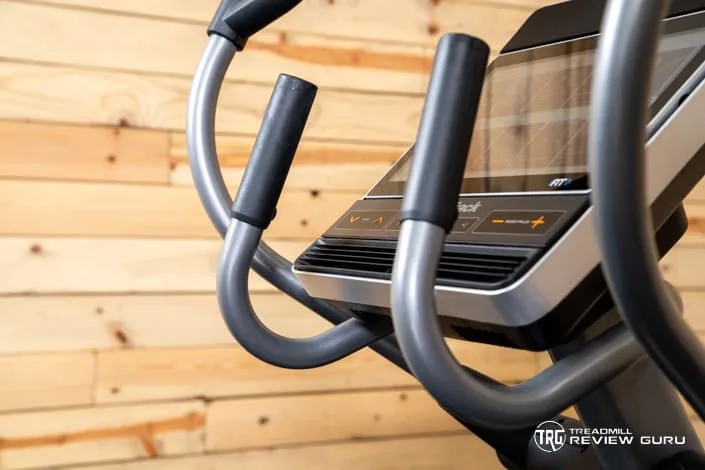
Image source: Bing (Web (fair-use with source credit))
Elliptical Features for a Full-Body Burn
Elliptical machines come with a variety of features designed to enhance your workout and offer versatility. Most models include adjustable resistance levels, allowing you to increase the challenge and build strength. You can often adjust the incline, too, which changes the angle of the pedals.
This not only targets different lower-body muscles, like your glutes and hamstrings, more effectively but also increases the overall intensity of your cardio session.
Many ellipticals also offer forward and backward pedaling options. Pedaling backward engages your hamstrings and glutes more, providing a different feel and working different muscle fibers than forward pedaling, which emphasizes the quadriceps. The moving handlebars are crucial for the full-body aspect, pushing and pulling them in sync with your leg motion.
Some ellipticals also have stationary handlebars with heart rate sensors, allowing you to focus solely on your lower body while monitoring your pulse.
Exercise Bike Types: Upright, Recumbent, and Spin
Exercise bikes are generally simpler in design than ellipticals and are primarily focused on lower-body cardiovascular workouts. They simulate the action of cycling and are available in several distinct types, each offering a slightly different experience.
Upright Bikes: These closely resemble a traditional road bicycle. You sit on a saddle, and your posture is more upright. Many upright bikes allow you to stand up and pedal, which can increase intensity and engage your glutes and hamstrings more directly. This type is great for a focused leg workout and general cardio.
Recumbent Bikes: These are designed for maximum comfort and minimal joint stress. You sit in a larger, supportive seat with a backrest, and your legs extend out in front of you. This relaxed position is ideal for individuals with back issues or those who find traditional bike seats uncomfortable. It’s a very low-impact option that still provides an excellent cardiovascular burn.
Spin Bikes (Indoor Cycles): Built for more intense workouts, spin bikes mimic the feel of a road racing bike. They typically feature a heavier flywheel for a smoother, more continuous pedal stroke and offer a wide range of resistance adjustments, often with a knob that simulates adding resistance akin to climbing a hill. Spin bikes are popular for high-intensity interval training (HIIT) and for cyclists looking to maintain fitness indoors.
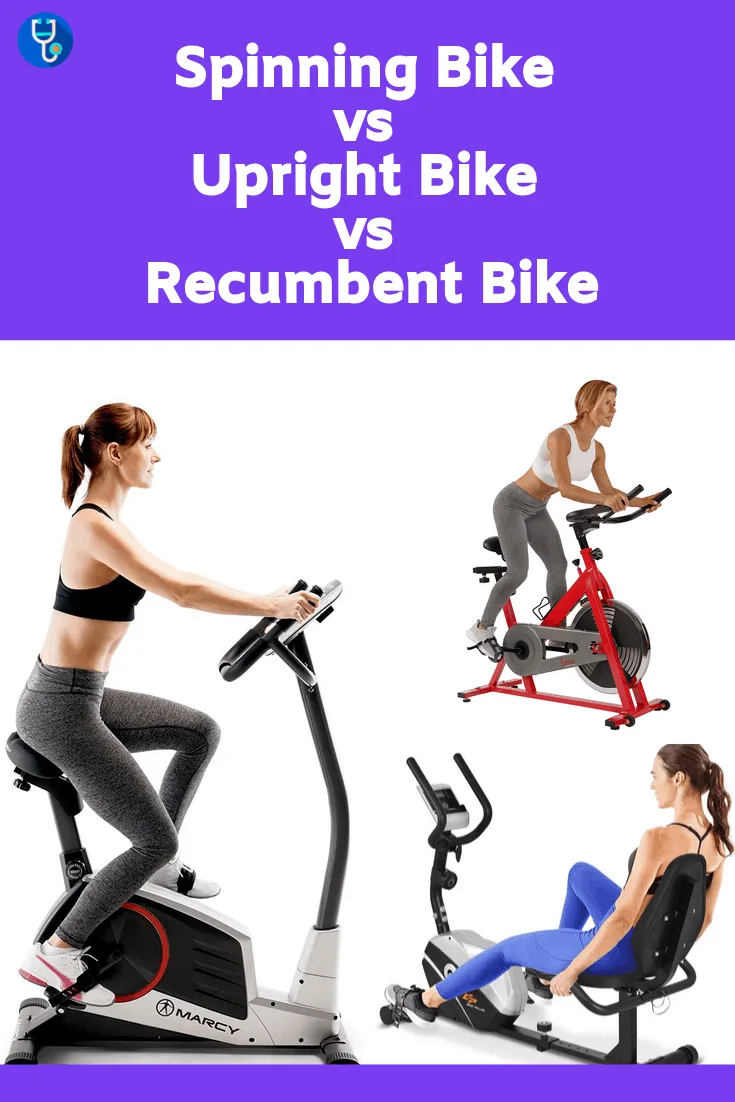
Image source: Bing (Web (fair-use with source credit))
What is the difference between an exercise bike and a treadmill?
While both provide cardio, an exercise bike offers a seated, low-impact workout primarily for the lower body, with minimal stress on joints. In contrast, a treadmill involves walking or running, which is higher impact but engages more muscle groups and burns more calories per minute at similar perceived exertion. An exercise bike is also generally more compact and quieter than a treadmill.
If you're looking for a joint-friendly alternative to running or want to focus on leg strength, a bike is a great choice.
Elliptical vs. Bike: The Key Differences
The primary distinction between an elliptical and an exercise bike lies in the motion and the muscle groups they engage. An elliptical’s unique oval path keeps your feet in constant contact with the pedals, providing a smooth, gliding motion that is exceptionally kind to your joints. This design inherently engages both your upper and lower body simultaneously, especially when using the moving handlebars.
This makes it a highly efficient tool for a comprehensive, low-impact cardio session.
An exercise bike, on the other hand, focuses more on the lower body, simulating the action of pedaling. While upright and spin bikes can offer a more vigorous workout, sometimes requiring you to stand, recumbent bikes provide a very relaxed, seated position. The key difference is the scope of muscle engagement: ellipticals are designed for a full-body workout, while most bikes concentrate their efforts on your legs and glutes, offering less upper-body involvement unless you specifically choose to push and pull with your arms on certain spin bike models.
You can learn more about what muscles an exercise bike works to understand this better.
Who Benefits Most: Elliptical for Joint Health, Bike for Leg Power
When deciding between an elliptical and an exercise bike, your individual physical needs and fitness goals are paramount. For those prioritizing joint health, recovering from injuries, or experiencing issues with their knees, hips, or ankles, the elliptical machine is often the superior choice. Its fluid, no-impact motion means your joints don't bear any direct stress, making it a safer option for prolonged cardiovascular exercise.
Aggregate user reviews report significant relief for individuals with arthritis or previous orthopedic surgery when using ellipticals.
Conversely, if your primary goal is to build lower body strength and endurance, or if you are training for cycling events, an exercise bike might be more suitable. Spin bikes, in particular, offer intense resistance that can significantly develop leg muscles and cardiovascular capacity. Upright bikes also provide a robust leg workout, while recumbent bikes offer a comfortable, joint-friendly way to target those lower body muscles with less strain than an upright.
For beginners seeking an accessible workout, both can be good, but a recumbent bike is often cited as the easiest to start with. You can explore how to use an exercise bike correctly to maximize benefits.
Elliptical & Bike: Pros and Cons at a Glance
Let's break down the advantages and disadvantages of each machine to help you see which fits your life best.
Elliptical Machine:
- Pros:
- Low Impact: Excellent for sensitive joints (knees, hips, ankles).
- Full Body Workout: Engages both upper and lower body simultaneously.
- Versatile: Adjustable resistance and incline for varied intensity.
- Backward Pedaling: Works hamstrings and glutes differently.
- Cons:
- Space Hog: Typically larger and requires more floor space.
- Less Natural Feel: Motion can feel a bit robotic to some users.
- Potentially Higher Cost: Can sometimes be more expensive than basic bikes.
Exercise Bike:
- Pros:
- Space Efficient: Generally more compact, especially upright and spin bikes.
- Targeted Leg Workout: Excellent for building leg strength and endurance.
- Simple to Use: Intuitive operation, easy to get started.
- Comfort Options: Recumbent bikes offer superior comfort and back support.
- Cons:
- Limited Upper Body: Primarily a lower-body workout unless actively engaging arms.
- Potential Discomfort: Upright bikes can cause pressure on wrists or sit bones for some.
- Slightly More Impact: Standing to pedal can place minor stress on knees compared to ellipticals.
If you're weighing whether an exercise bike is a good investment, our research suggests are exercise bikes worth it can help you decide.



5 Comments