How Does a Spin Bike Work
How does a spin bike work? It's not just an exercise bike with a fancier name. The whole experience comes down to one heavy flywheel and a fixed gear that never lets you coast.
Manufacturer specifications show flywheels typically range from 17 to 50 pounds. That spinning mass is what creates the smooth, continuous resistance you feel. As of 2026, most studio bikes use either friction pads or magnetic resistance to add challenge.
Let's walk through the mechanics.
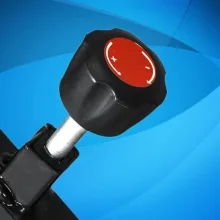
Image source: Bing (Web (fair-use with source credit))
Quick Answer
A spin bike works by turning a weighted flywheel through a fixed-gear drivetrain. When you pedal, the flywheel spins. When you stop pedaling, the pedals keep turning with it.
Resistance comes from a brake pressing against the flywheel. Turning the dial changes how hard you push. Heavier flywheels feel smoother and mimic outdoor riding.
The Core Mechanism: Flywheel, Pedal Stroke, and Why It Never Coasts
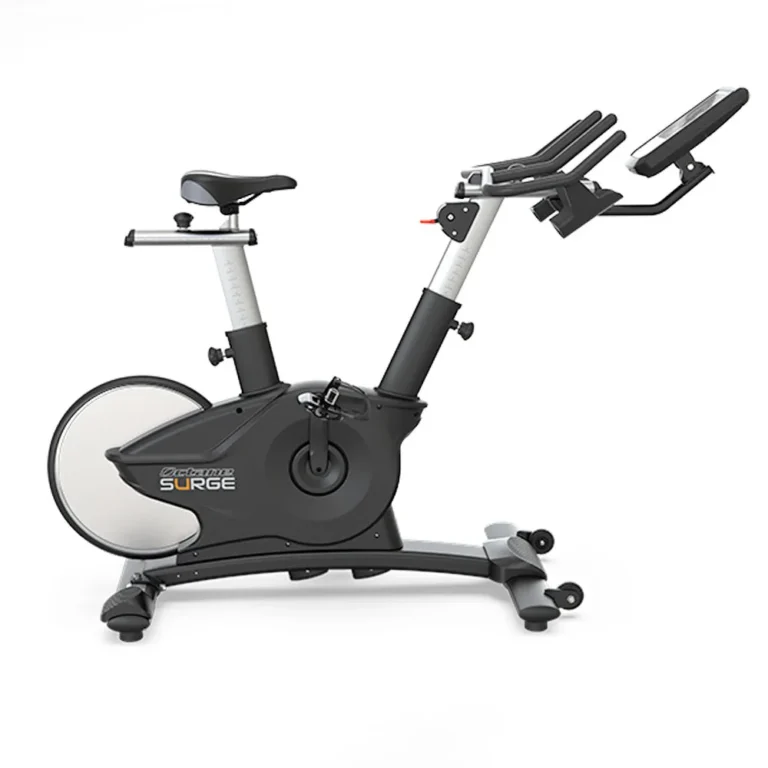
The heart of every spin bike is the flywheel. It's a heavy disc connected directly to the crank arms. Unlike a road bike, a spin bike has a fixed gear.
There's no freewheel mechanism, so when the wheel turns, the pedals turn with it.
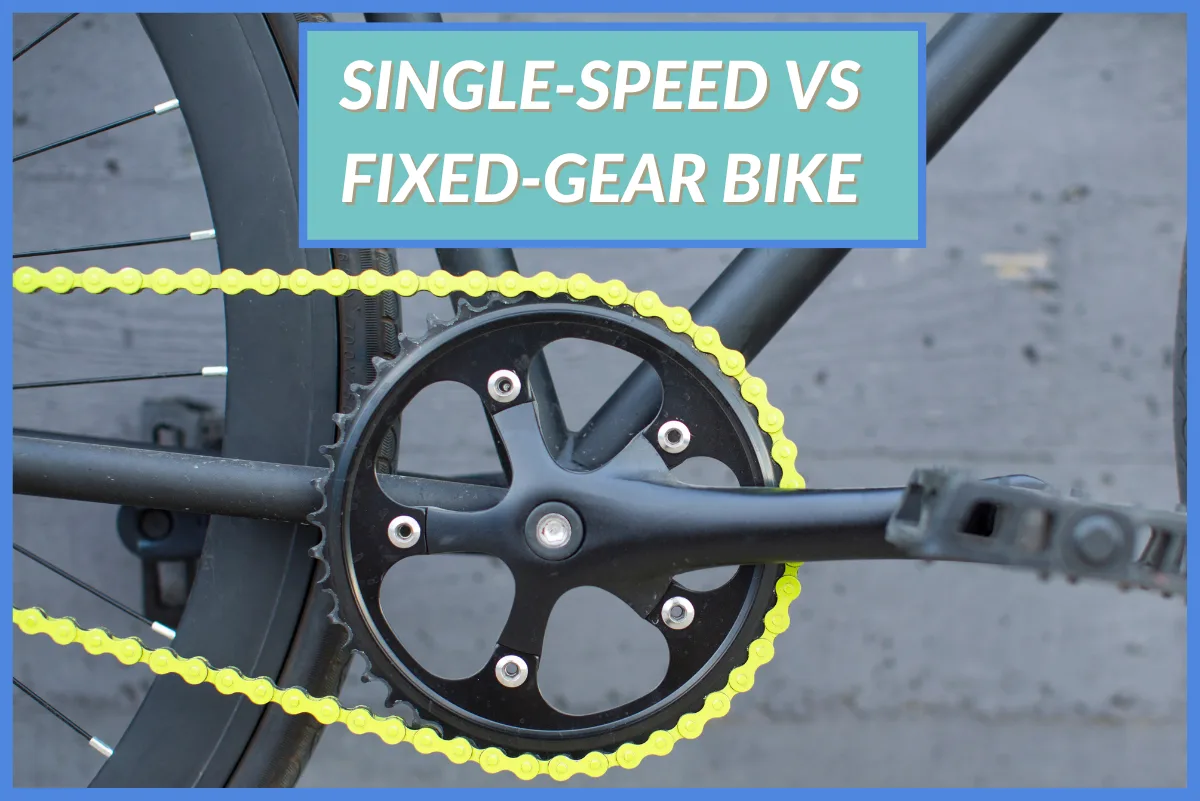
Image source: Bing (Web (fair-use with source credit))
That design creates the signature spin bike feel. During a sprint, you can't stop pedaling to recover. You have to let the momentum carry you while your legs keep moving.
This is why indoor cycling classes feel so intense.
The drivetrain matters too. Most modern spin bikes use a belt drive rather than a chain. Belts are quieter, need no lubrication, and deliver a smoother pedal stroke.
Chains are durable but require regular cleaning and oiling.
Flywheel weight also changes the ride. A heavier flywheel stores more kinetic energy, so it spins evenly between pedal strokes. A lighter flywheel feels jerky and can stall when you slow your cadence.
That's why studio bikes usually have larger wheels than budget home models.
Resistance Explained: Friction Brake vs. Magnetic Drag (and What It Feels Like)
Resistance is friction, plain and simple. The harder the brake presses against the flywheel, the tougher your pedal stroke becomes. Two systems dominate the market.
Friction resistance uses a felt pad pressing directly on the flywheel. Turn the knob clockwise, the pad tightens, and you feel drag right away. It's the classic spin class setup.
The downside is wear, since the pad needs replacing over time.
Magnetic resistance moves magnets closer to or farther from the flywheel. There's no physical contact, so it runs nearly silent and creates no wear. The ride feels smoother and more consistent at every level.
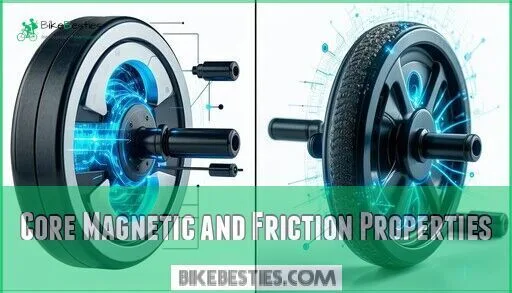
Image source: Bing (Web (fair-use with source credit))
Here's how the two compare:
| Feature | Friction Resistance | Magnetic Resistance |
|---|---|---|
| Noise | Moderate, pad contact | Very quiet |
| Maintenance | Replace felt pad | Little to none |
| Ride feel | Raw and direct | Smooth and refined |
| Cost | Typically cheaper | Typically more expensive |
Aggregate reviews show studio riders often prefer friction for its authentic, gritty sensation. Home users usually pick magnetic for the silence and low maintenance.
Setting Up the Bike: Seat, Handlebars, and Visual Cues for a Safe Fit
Knowing the mechanics is only half the story. A badly adjusted bike makes your knees hurt and your lower back ache. Proper setup is simple when you know what to look for.
Seat height comes first. Stand next to the bike and set the saddle level with your hip bone. When your foot is at the bottom of the pedal stroke, your knee should have a slight bend of about 25 to 35 degrees.
Seat fore and aft matters too. With the pedal at the three o'clock position, the front of your knee should line up vertically over the pedal spindle. This alignment protects your kneecap and quadriceps from strain.
Handlebar height is more forgiving. Set it level with the seat or slightly higher for comfort. Your reach should feel natural, with soft elbows, not locked straight.
Per ISO 20957-1 safety testing, stationary training equipment must meet basic stability standards. Always tighten clamp knobs and quick-release levers before you ride. A loose seat post can slip mid-ride, and that's a painful way to learn.
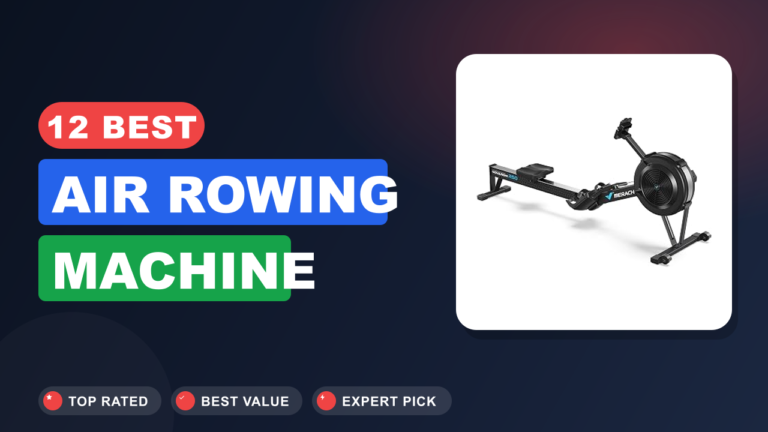
Getting your position right matters just as much on other cardio machines you adjust. The same logic applies to a rower. Once the bike is set, you can focus on the ride instead of fighting the frame.
How a Spin Bike Works in Practice: Climbing, Sprints, and Intervals
Here's where the mechanics become real. Every spin bike exercise changes how the flywheel behaves.
Climbing uses high resistance and a slow cadence of 60 to 70 RPM. You'll often stand, gripping the outer handlebars. The heavy flywheel slows quickly but doesn't stop, forcing you to push through a demanding pedal stroke.
Sprinting is the opposite. Lower resistance and a fast cadence of 80 to 110 RPM. The flywheel glides, and your job is to match its rhythm.
Since you can't coast, sprint efforts are exhausting.
Intervals combine both. Push hard for 30 to 90 seconds, then recover with light resistance while keeping your legs moving. That same interval pattern applies to an indoor rower, where the fan wheel also rewards steady, continuous effort.
The fixed gear does something subtle. It forces you to think about every pedal stroke, even during recovery. No coasting, no resting, no hiding.
That's exactly why spin bikes deliver such efficient cardio results.
A heavier flywheel also smooths the power delivery. With a 40-pound wheel, each rotation feels continuous. With a 20-pound wheel, you'll notice a surge and lag on every stroke, which is harder on your knees.
Maintenance Must-Dos and Common Rider Mistakes
Spin bikes are simple machines, but they still need care. The maintenance list is short, and you can handle most of it with basic tools.
- Check the brake pad. Friction pads wear out after months of use. If you crank the resistance and feel little drag, replace the pad.
- Tighten the pedals. Loosened pedals cause clicking noises and unstable strokes. Check them every few weeks.
- Wipe down the frame and flywheel. Sweat corrodes metal over time. Wipe the bike after every ride.
- Inspect belts and tension. A slipping belt affects pedal stroke smoothness. Most service manuals include tension guidelines.
- Lubricate chains only. If your bike uses a chain drivetrain, oil it regularly. Keep lubricant away from the flywheel.
The most common rider mistakes are about position, not parts. Riding with the seat too low causes knee pain. Gripping the handlebars too hard makes your shoulders and neck sore.
And starting with heavy resistance before warming up is a recipe for injury.
If you own other home cardio equipment, you'll want to regularly maintain a rower the same way. A few minutes of upkeep keeps the machine reliable for years.
Spin Bike Pros and Cons: Is It the Right Machine for You?
Spin bikes are powerful tools, but they're not for everyone. Here's an honest breakdown.
Pros
- Low impact on joints
- Intense cardio in a short time
- Small footprint for home use
- Quiet with magnetic resistance
- Trains leg strength and cardiovascular fitness
Cons
- Fixed seat can cause discomfort
- No coasting means no rest
- Limited upper body engagement
- Friction systems require maintenance
- Upright position may strain your back if the fit is wrong
If your main goal is fat loss and leg endurance, a spin bike fits well. If you want a full-body workout that includes your arms, core, and back, a rowing machine is a more comparable full-body option. If floor space is tight, consider the indoor cardio footprint before you commit.
Studio cyclists who love the high-energy class environment will feel right at home. Home riders who prefer privacy and quiet should choose a magnetic model.
Frequently Asked Questions
Why can't you coast on a spin bike?
Spin bikes use a fixed-gear drivetrain. The flywheel is directly connected to the pedals, so when the wheel spins, the pedals spin with it. You can slow the pedals by applying resistance, but you can't stop them completely while the bike is moving.
Is a heavier flywheel better?
Usually, yes. A heavier flywheel stores more energy and delivers a smoother pedal stroke. It also feels more like riding outdoors.
Lighter flywheels are easier to manufacture and cost less, but they feel jerky at slow speeds.
Do spin bikes have brakes?
Most spin bikes have an emergency brake, usually a lever that presses a pad against the flywheel. This is not for normal stopping. It's for safety.
The resistance knob is what you use during your ride to change difficulty.
How often should you replace a friction pad?
With regular use, expect to replace the felt pad every 6 to 12 months. You'll know it's worn when you turn the resistance knob and feel almost no drag. Replacement pads are inexpensive and take a few minutes to swap.
Can you use a spin bike if you have knee problems?
Many people can, but only with proper setup. Seat height and fore-aft position must be correct. Starting with low resistance and gradually increasing helps too.
If riding causes sharp pain, stop and talk to a physiotherapist or sports medicine professional.